12/12/2025 Youtube Video Summaries by Grok AI
A 10-Minute Read: 19 Truths I Wish I Knew Before Retirement
(Adapted from Mark Rollins' honest reflections on life after 68)
Retirement is often sold as the ultimate reward—“every day is like a Saturday.” But after retiring from a 38-year career in insurance sales, Mark discovered that endless Saturdays can feel aimless, lonely, and even stressful. Here are the 19 key truths he wishes he had understood in his 50s to prepare for a more fulfilling third chapter of life.
- Comfort is dangerous Sitting back and doing nothing doesn’t relax you—it creates stress and accelerates aging. You miss purpose, friends, and challenge. Retirement requires you to keep pushing yourself out of your comfort zone.
- Freedom is a test, not the goal Total freedom sounds great until you realize you don’t know what to do with it. Without structure, every day feels like a weekend you can’t enjoy seven days in a row. Build small daily rituals (morning/evening routines) to give your days shape.
- You can become invisible if you go quiet People don’t stop caring—you just stop showing up. At the gym, Mark felt left out of a younger group’s private text chat. Instead of withdrawing, he doubled down on engaging. Stay visible by asking questions, initiating conversations, and inserting yourself into communities.
- You can’t heal what you don’t face Problems (loneliness, physical pain, emotional hurt) don’t disappear—they fester. Face them head-on: talk to your spouse, friends, or a professional. Don’t let small issues grow into big ones.
- Not everyone will cheer your reinvention Mark went from insurance broker to YouTuber. Many people question why he’s still “working” so hard in retirement. Reinvent yourself anyway—for you, not for applause.
- Health must become your #1 ambition Start treating health as seriously as your career. Exercise, nutrition, doctor visits, minimal/no alcohol—invest now so you have a long “healthspan” (years of vitality), not just a long lifespan.
- Your body keeps score Trouble getting up off the floor with grandkids is a warning sign. Move every day, build muscle, eat protein. Inactivity leads to lethargy and decline.
- Retirement won’t fix a marriage Spending 24/7 together can magnify existing problems. Gray divorce rates are rising for a reason. Work on your relationship intentionally—don’t assume it will magically improve.
- Avoiding hard things makes days feel empty If you’re just watching TV and golfing, comfort is masking avoidance. Challenge yourself with new routines, classes, volunteering, or calling friends.
- The hardest person to lead is yourself In retirement there’s no boss, no team, no metrics. You must become your own CEO—hold yourself accountable for exercise, growth, and purpose.
- Stay curious Read books, watch documentaries, ask “why,” try new things, be a beginner again. Curiosity keeps life interesting and prepares you for whatever comes next.
- Friends won’t reach out—you have to Work colleagues, golf buddies, and clients fade away. Make the calls, send the texts, rebuild old relationships, and make new ones. Mark still feels like an introvert, but he forces himself to initiate.
- Money solves financial stress, not emotional emptiness Having enough money is essential, but it doesn’t cure loneliness, boredom, or lack of purpose. Work on your personal “balance sheet”—health, relationships, impact.
- Rest is renewal, not laziness Scheduled naps, quiet time, and stillness recharge you. Mark wakes at 4 a.m., journals, reads scripture, and walks the dog—small pauses keep his energy high.
- Practice gratitude daily Mark has written three things he’s grateful for every morning for seven years (starting with his wife Jodie). It strengthens relationships and shifts your mindset.
- Your legacy is the dash between the dates People remember what you taught them, not your job title or the dates on your tombstone. Focus on the last 30 years—what will you pass on?
- Aging is about design, not decline At 68, Mark sees this phase as designing the person he was always meant to be. Reframe “getting older” as “redesigning” your life.
- Self-worth doesn’t retire Your identity can’t be tied to a title or past achievements. Create new sources of worth: mentoring, creating content, volunteering, being a better partner or parent.
- This phase is about discovery, not decline Mark and Jodie call it the “discovery years.” It’s your chance to be CEO of yourself—work on body, mind, spirit, relationships, and giving back.
Quick Answers to Common Reader Questions
- Feeling restless despite freedom? Build gentle structure around things you actually enjoy (gym, coffee with friends, golf).
- Drifting even when busy? Add purpose—volunteer, mentor, coach, or help a cause.
- Too comfortable to push yourself? Create small urgency by committing to others (nonprofit board, teaching kids, helping at a food bank).
- Lost identity after a career? Use your old skills in a new way—teach, mentor, or volunteer.
Retirement isn’t the end—it’s the beginning of redesigning a life that’s truly yours. The key is to stay active, connected, curious, and purposeful. As Mark puts it: “Don’t just treat every day like a Saturday. Make it something better.”
7 Genius Plumbing Hacks That Actually Work
(A 10-minute read from a master plumber)
These are real-world tricks used on actual jobs — not internet myths. They’ll save DIYers hundreds of dollars and make apprentices look like pros overnight.
Hack #1 – Emergency Thread Seal: Dental Floss Minor leak on a shower head or hose bib and no Teflon tape? Grab unflavored dental floss. Wrap it 5–6 turns in the direction of tightening (clockwise). It’s waxy, waterproof, and strong enough to create a perfect temporary seal. I’ve used this at home and on service calls when I was out of tape. Not permanent, but it buys you time.
Hack #2 – Never Melt a Plastic Valve When Soldering Soldering copper near a shut-off valve or plastic escutcheon? Wrap the valve tightly with a soaking-wet rag — the water absorbs the heat and protects rubber washers and plastic bodies. Pro move: If it’s a quarter-turn ball valve, just unscrew the whole valve, solder the pipe, then reinstall it. Zero chance of melting anything.
Hack #3 – Empty a Toilet Tank & Bowl in Under 60 Seconds Forget bailing with a coffee cup. Flush once to empty most of the tank, then use a big car-wash sponge and a bucket (or better yet, a cordless wet/dry vac) to suck up the last two gallons in seconds. Do both tank and bowl — no drips when you pull the toilet.
Hack #4 – Fix Low Faucet Pressure in 5 Minutes 90 % of “weak flow” complaints are a clogged aerator. Unscrew the tip of the faucet, drop the aerator in a sandwich bag of plain white vinegar for an hour (or overnight for really bad buildup). Rinse and reinstall — flow is usually restored to brand-new levels. Costs pennies, saves a service call.
Hack #5 – Retrieve Lost Items from a Bathroom Sink Drain Dropped an earring, contact lens, or toothpaste cap? Before you snake it deeper, grab your wet/dry shop vac. Put a T-shirt or rag over the hose end (to catch the item), seal the hose over the drain, and turn it on. It will suck the object right to the end of the hose 8 times out of 10 — way faster and less destructive than a snake.
Hack #6 – The Two-Wrench Rule on Compression Fittings This one prevents disasters. When tightening (or loosening) a compression shut-off valve or supply line, always use two wrenches:
- One wrench holds the valve body perfectly still.
- The second wrench turns the compression nut. If you only turn the nut, you twist the pipe in the wall and create a leak behind the drywall. Every pro does this — now you will too.
Hack #7 – Contain the Mess When Cutting a Live Water Line Cutting a pipe that still has water in it? Roll a small “dam” of plumber’s putty on the floor around the pipe — any drips stay inside the ring instead of ruining cabinets or hardwood. Even better: Keep your wet vac running and suck the water the instant the pipe is breached. (Reuse the putty — just let it dry and toss it back in the tub.)
These seven tricks have saved me thousands of dollars and countless headaches over 20+ years on the job. Use them, teach them, and you’ll look like the sharpest person in the room — whether you’re a homeowner or swinging a pipe wrench for a living.
Want to go from clever hacks to actually understanding how entire plumbing systems work (and build a real career)? Check the description for the master plumber’s foundational course. The more you know, the more you earn.
15 Tools That Actually Changed How I Work in 2025
(A 10-minute read – real-world tested by a full-time tech)
These aren’t just “nice-to-haves.” Every tool on this list either saved me serious time, reduced wrist pain, or completely reorganized my workflow in 2025.
- Veto Pro Pac SPMC Bag (sent by a subscriber) Magnetic, removable side pouches you can rearrange in seconds. Perfect “daily driver” size — holds 90 % of what I need on most jobs, including a 12 V impact. Instantly became my go-to service bag.
- Veto SC45 Magnetic Diagnostic Pouch Tiny pouch that sticks anywhere on the SPMC. Holds a pocket multimeter, precision drivers, and test leads. My new “first-in” pouch for troubleshooting electronics.
- Klein Modbox System + Hybrid Rolling Toolbox Best accessory rail ecosystem on the market in 2025. Everything clicks together and works with Klein Connect magnets. Huge value if you’re not already locked into Packout or L-Boxx.
- Anex 397-D Ratcheting Ball-Grip Screwdriver Before Klein’s version blew up, this Japanese ratcheting ball-grip was my favorite. Two-finger ratchet, rock-solid lockup, accepts any ¼" bit. Still reaches for it daily.
- Vessel JIS 220 USB-C Rechargeable Screwdriver Finally replaced my old Skil 4V. Insane torque for its size, wrist-saving on repetitive cover removals, and USB-C charging. Game-changer for electricians and maintenance techs.
- Santronics 3115 Non-Contact Voltage Tester Pencil-thin — fits in the marker slot of any pouch. Instant voltage detection without pulling a bigger tester. Lives in my pocket now.
- Icon (Harbor Freight) Slip-Joint Pliers Surprisingly one of the best grab-and-twist tools I own. Strong jaws, perfect handle size. I’m buying a second pair just for the garage.
- Klein Slim Forged Wire Strippers Compact, razor-sharp, cuts small MC cable in a pinch. Slides into any pouch pocket. No compromises for the size.
- Klein Hybrid 8-in-1 Strippers / Klein-Style Lineman Replacement Lightweight, USA-made, slim profile. Replaced traditional 9" Linemans for 90 % of my work. Currently on clearance at Lowe’s — grab them before they’re gone.
- Klein Impact-Rated 11-in-1 Ratcheting Screwdriver Fully customizable bits + flip socket. Paired with Klein Connect magnets, it’s the ultimate “carry-less” driver setup.
- Klein 2-in-1 Insulated Multi-Driver Super-light, perfect bits, 1000 V rated. My new default for working on live panels or devices.
- Olight U1 Mini Utility Knife Tiny, fidget-friendly, razor-sharp. So light I forget it’s in my pocket — used 20× a day at home and on jobs.
- Klein SureGrip Ball-Grip Screwdriver (honorable mention) Everyone already knows this one — lives up to the hype. Solid lockup, heavy-duty, quarter-inch bit compatible.
- Klein Connect Magnetic Ecosystem Ties half the list together — bits, drivers, and pouches all stick exactly where you want them.
- HyperTuff / HyperStack Rolling Cart (late-2025 pickup) Just arrived, but already loaded with Veto bags. Expect this to become my main site transport in 2026.
These 15 tools (most bought with my own money) legitimately made me faster, more organized, and easier on my hands and back throughout 2025. If you only add one or two next year, start with the Vessel USB screwdriver and anything from the Klein Modbox/Connect family — they punch way above their price.
Here’s to even better tools in 2026! 🚀
3I/ATLAS: The Interstellar Intruder – X-Rays, Swarms, and Global Drills
(A 10-minute read on the cosmic visitor shaking up science and space defense – as of December 12, 2025)
Eight days from its closest approach to Earth on December 19, the interstellar comet 3I/ATLAS (C/2025 N1) is rewriting the rules of astronomy. Discovered on July 1, 2025, by Chile's ATLAS telescope, this third confirmed visitor from beyond our solar system is no ordinary rock. It's erupting with bizarre jets, glowing in X-rays for the first time ever, and sparking a wave of secretive global defense drills. Harvard's Avi Loeb warns it could be a "swarm" of unknown objects – or even tech from another world. Officials insist it's harmless, but the urgency is palpable. Here's the unfolding story, grounded in fresh data.
The Basics: A Hyper-Speed Outsider
3I/ATLAS hurtles at over 210,000 km/h on a hyperbolic path that screams "interstellar" – eccentricity >6, far beyond solar system escape velocity. It's roughly 0.3–5.6 km wide, with a reddish coma hinting at dust-rich composition. Unlike 'Oumuamua (2017's cigar-shaped enigma) or Borisov (2019's gassy comet), ATLAS shows cometary fireworks: a coma, tail... and anomalies that defy models. Perihelion (sun-skimming closest point) hit October 29, 2025. Now outbound, it's dimming to magnitude ~10.2 in Virgo – visible with binoculars at midnight, peaking at opposition January 22, 2026. Spot it near Zaniah star; apps like TheSkyLive guide you.
Breakthrough: First-Ever X-Ray Glow from an Interstellar Object
JAXA's XRISM satellite (with NASA/ESA) just dropped a bombshell: ATLAS is emitting faint X-rays, a historic first for extrasolar visitors. Observed November 26–28 (17 hours total), the glow stretches ~250,000 miles – farther than Earth-to-Moon distance – forming a diffuse halo around the coma.
The spectrum spikes in carbon, nitrogen, and oxygen – excesses beyond solar background, likely from "charge exchange": solar wind ions grabbing electrons from the comet's gas cloud, releasing X-rays as they stabilize. Neither 'Oumuamua nor Borisov showed this; local comets do, but ATLAS's scale is weirdly large, suggesting an outsized gas envelope. Initial findings hit Astronomers Telegram December 3; follow-ups from Nordic Optical Telescope and others are underway.
Experts call it "puzzling" – the cloud's brightness challenges physics, possibly an artifact or hint of alien ices reacting oddly to our sun. ALMA radio data adds intrigue: high methanol (CH₃OH) and hydrogen cyanide (HCN) levels – life's building blocks – venting in proportions unseen in solar comets.
The Anomalies: Anti-Tails, Jets, and a "Heartbeat"
Hubble's November 30 image (from 286 million km away) reveals a teardrop coma with a 60,000-km sunward "anti-tail" – material pointing toward the sun, against radiation pressure. Utah astronomer Dr. Sebastian Voltmer's December 1 shots show it growing brighter and longer post-perihelion, while the main tail fades. Standard models say tails stream away from the sun; this defies them.
Add a 16.16-hour brightness "heartbeat" (pulsing eruptions?) and seven sunward jets captured in November stacks – plus low non-gravitational acceleration suggesting a massive, metal-rich core. Cryovolcanic "ice volcanoes" may be blasting material, but why the sun-facing surge?
Avi Loeb's Bold Theories: Swarm or Spaceship?
Enter Harvard's Avi Loeb, who urges "childhood curiosity" over "arrogant expertise." In a Cuomo interview, he slams NASA admin Sean Duffy and BBC's Brian Cox for dismissing ATLAS as "definitely a comet" without data – none have published on it. Loeb's "black swan" approach: even 1% odds of tech warrant scrutiny, like intel agencies prepping for terror.
His swarm hypothesis? The anti-tail isn't dust – it's a cluster of non-volatile objects (rocky fragments? Probes?) trailing 54,000–60,000 km sunward, unaffected by outgassing push. Their huge surface area explains 99% of the coma's reflected light, matching Hubble data. If real, tracking one object becomes tracking many – a defense nightmare. Loeb begs governments: Share classified data; it's not your jurisdiction. NASA sticks to "natural comet," citing carbonaceous makeup and large grains. But Loeb's passion: Low-probability implications are huge.
Global Drills: Prepping for the Unknown
No collision risk – closest approach is 270 million km (1.8 AU). Yet, since November, space agencies are in overdrive. ESA's 3-day full-system sim united response teams and monitors. Japan ran impact scenarios with civilians and sats; US Space Force fast-tracked a 2026 drill to now. Australia, South Korea, Brazil joined data-sharing on "high-velocity non-grav" objects – code for ATLAS.
The UN's IAWN (via UNOOSA) named ATLAS the target for its 8th exercise (Nov 27, 2025–Jan 27, 2026) – first for an interstellar body. It tests tracking, alerts, deflection sims, and public comms amid misinformation. Protocols now allow classified data for "non-standard hyperbolic bodies." Why now? ATLAS is a "stress test" for unpredictable visitors – or Loeb's swarm. It's forging real-time global cooperation, deploying spy sats and IR nets with rare unity.
What's Next: Earth Crosses the Jets in 2026
In March–April 2026, Earth orbits through ATLAS's ejected material trail – potential meteor activity or aurora boosts? Unknown, but telescopes will watch. Post-flyby, it'll buzz Jupiter (March 16, 2026) before vanishing.
This is science live: Daily data evolves our view. Excited? Comment below – are you stargazing December 19? As host Christina Gomez says, "Keep your eyes on the skies." No bias here – just facts. Dive deeper at ufnews.co or Avi Loeb's Medium.
Sources: JAXA XRISM releases, Hubble archives, UN/IAWN docs, Loeb's analyses. Updated Dec 12, 2025.
Inversion Thinking: The Secret Mental Model That Builds Wealth by Avoiding Stupidity
(A 10-minute read on why billionaires like Warren Buffett and Charlie Munger got rich by focusing on what NOT to do)


Most financial advice screams: "Do this to get rich!" Save aggressively, invest in index funds, start side hustles, negotiate raises. Solid tips—but hard to execute consistently. The real edge? Flip the script. Instead of chasing wealth, ask: "How do people guarantee they'll stay poor?" Then do the opposite.
This is inversion thinking, popularized by Charlie Munger (Warren Buffett's partner) who borrowed it from 19th-century mathematician Carl Gustav Jacob Jacobi: "Invert, always invert." Jacobi solved tough math problems by working backward. Munger applied it to life and investing: Success comes less from brilliance and more from avoiding stupidity.
Berkshire Hathaway's legendary returns? Not from genius stock picks, but from dodging disasters others rushed into. As Munger said, much of his wealth came from "consistently not being stupid" instead of trying to be "very intelligent."
Why does inversion work so well for money?
- Our brains are wired for threat avoidance (evolutionary survival hack). Spotting and fixing "leaks" feels natural; forcing new habits fights biology.
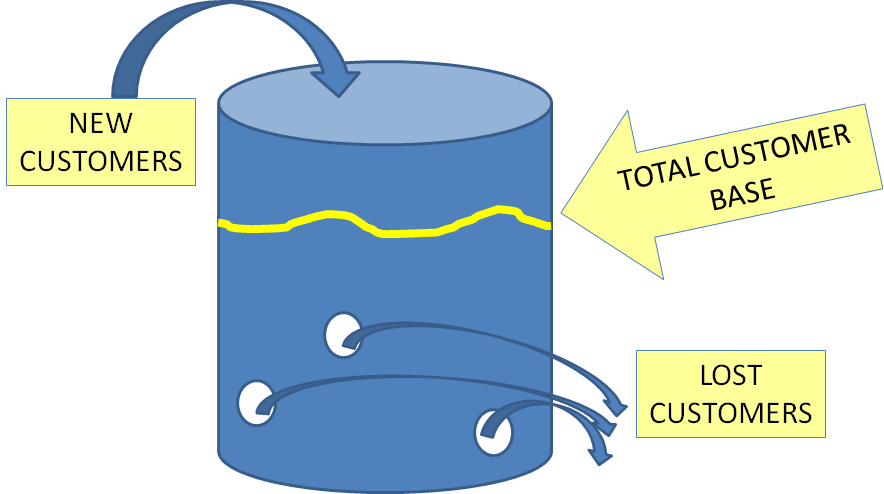
- Plugging holes in your financial bucket creates immediate results—money stops vanishing, compounding starts sooner.

Jeff Bezos used a version—"regret minimization framework"—to quit Wall Street and start Amazon. At age 80, would he regret not trying more than failing? No contest—he jumped.
Lottery winners go broke fast for the same reason: Sudden cash doesn't fix poor habits.
Here are 11 common ways people lock in lifelong financial mediocrity (backed by real patterns seen in high- and low-earners alike). Avoid these, and wealth builds almost automatically.
- Blame low income "If I earned more, I'd be fine." Teachers on $35k retire millionaires; doctors on $300k drown in debt. Income isn't the issue—it's an excuse to ignore mismanagement.
- Abuse credit cards They numb "loss aversion" pain—no sting when swiping. High interest (20%+) compounds against you. Pay in full monthly or cut them up.
- Lifestyle inflation Raise comes → bigger apartment, nicer car, fancier dinners. Expenses match (or exceed) income. You're on a treadmill that accelerates.
- Buy to impress others Flashy cars, designer gear, oversized houses. A $500/month car payment, invested instead, grows to ~$600k over 30 years.
- No emergency fund Treat it as optional. One surprise (repair, medical bill, job loss) forces high-interest borrowing or selling assets low.
- Ignore financial education Know sports stats or TV plots, but not Roth vs. traditional IRA? Willful ignorance leads to fees, scams, missed opportunities.
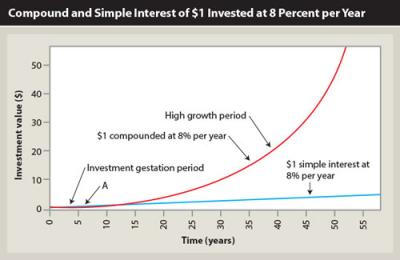
- Procrastinate via perfectionism Research "perfect" investments forever—but never start. Time in market beats timing. Early small investments crush later big ones due to compounding.
- Chase complexity Hunt exotic trades, crypto schemes, "secret" strategies. Ignore boring basics: Automate index fund contributions.
- Emotional decisions Stress-shop, bonus-splurge, panic-sell in dips. Money choices need detachment—like picking the best commute route.
- Bad financial circle Friends normalize debt, view investing as gambling. Attitudes are contagious—seek mentors who reinforce good habits.
- Treat home as ATM Constant refis/equity loans for vacations or debt payoff. Turns shelter into endless liability.
Avoid these "stupidity taxes," and your existing income starts working for you. No genius required—just discipline to not self-sabotage. As Munger proved: Compound interest does the heavy lifting once leaks are plugged.
Start today: List your top 3 "poor habits" from above. Fix one this month. Wealth isn't about getting everything right—it's about stopping the wrongs that destroy it.
Why $250,000 in Savings Changes Everything
(A 10-minute read on the tipping point where money starts working for you)


Reaching $250,000 in liquid savings/investments isn't "rich" territory – you can't retire on it tomorrow in most places. But it's a psychological and mathematical inflection point. The grind of early saving (feeling like slow progress) gives way to visible momentum. Your money gains enough mass to grow meaningfully on its own.
The Math Starts Favoring You
At smaller balances, returns feel trivial:
- 6% on $50,000 = $3,000/year (~$250/month).
- On $10,000 = just $600/year.
But at $250,000:
- 6% yields $15,000/year ($1,250/month) – enough to cover many people's rent or fund further investments.
- Even conservative 4–5% (high-yield savings or bonds) generates $10,000–$12,500 annually.
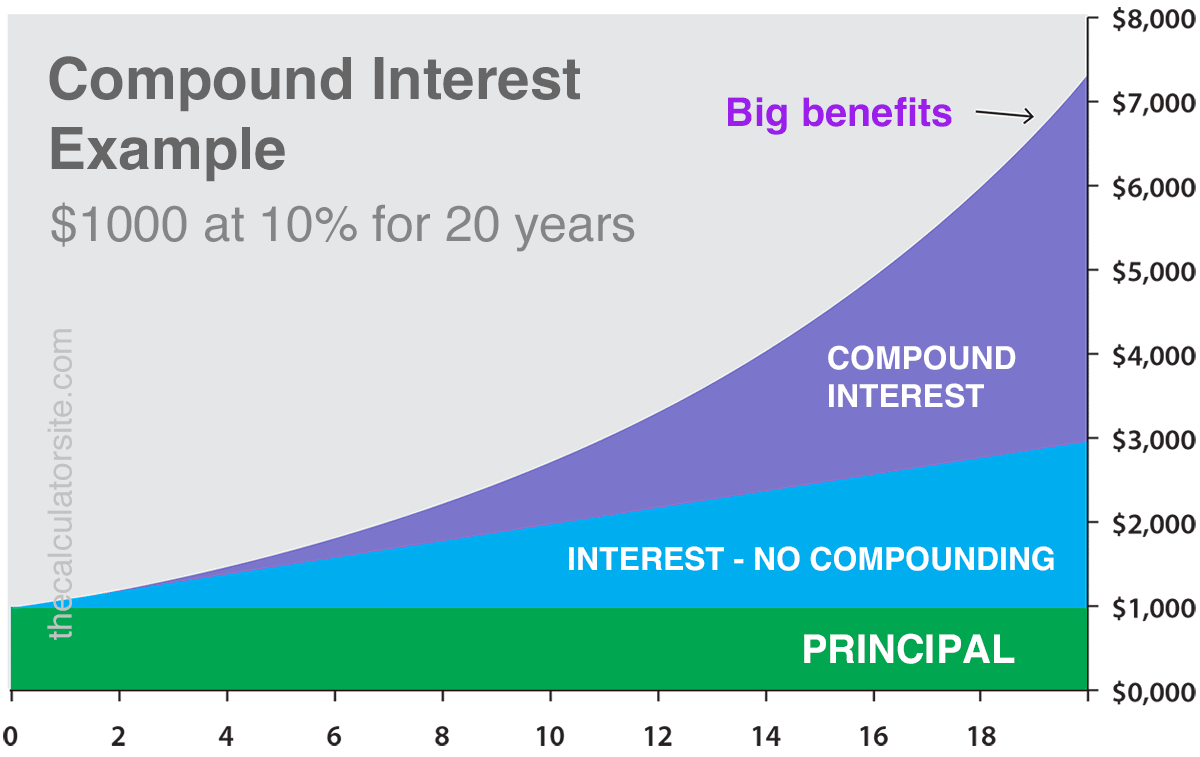
This isn't hype; it's scale. Compounding becomes tangible. Add $1,000/month while earning 6%? Your balance could hit ~$500,000 in 8–9 years. Without additions, it still grows to ~$450,000 in 10 years purely from returns.


You're Already Ahead of Most
The latest Federal Reserve data (2022 SCF, released 2023; no 2024/2025 update yet) shows median household net worth for ages 35–44 at ~$135,000–$192,000 overall median. Hitting $250k liquid (excluding home equity/debt) puts you in the upper tier for your age group. It's proof your habits work – consistent saving, controlled spending, smart investing.
Mindset Shift: From Scarcity to Strategy
- Security: Emergencies stop feeling catastrophic. Job loss? Months (or years) of runway. Medical bill? Covered without panic.
- Optionality: You're not chained to a toxic job. Take risks – switch careers, start a project, negotiate better – from strength, not desperation.
- Decisions improve: Fear-based choices (hoarding cash, avoiding markets) fade. You think in decades, not paychecks.
- Risk tolerance matures: Dips sting less with a cushion. You stay invested, letting time smooth volatility.
You evolve from "saver" (building mode) to "wealth manager" (protecting/growing mode).
Opportunities Multiply – But Traps Await
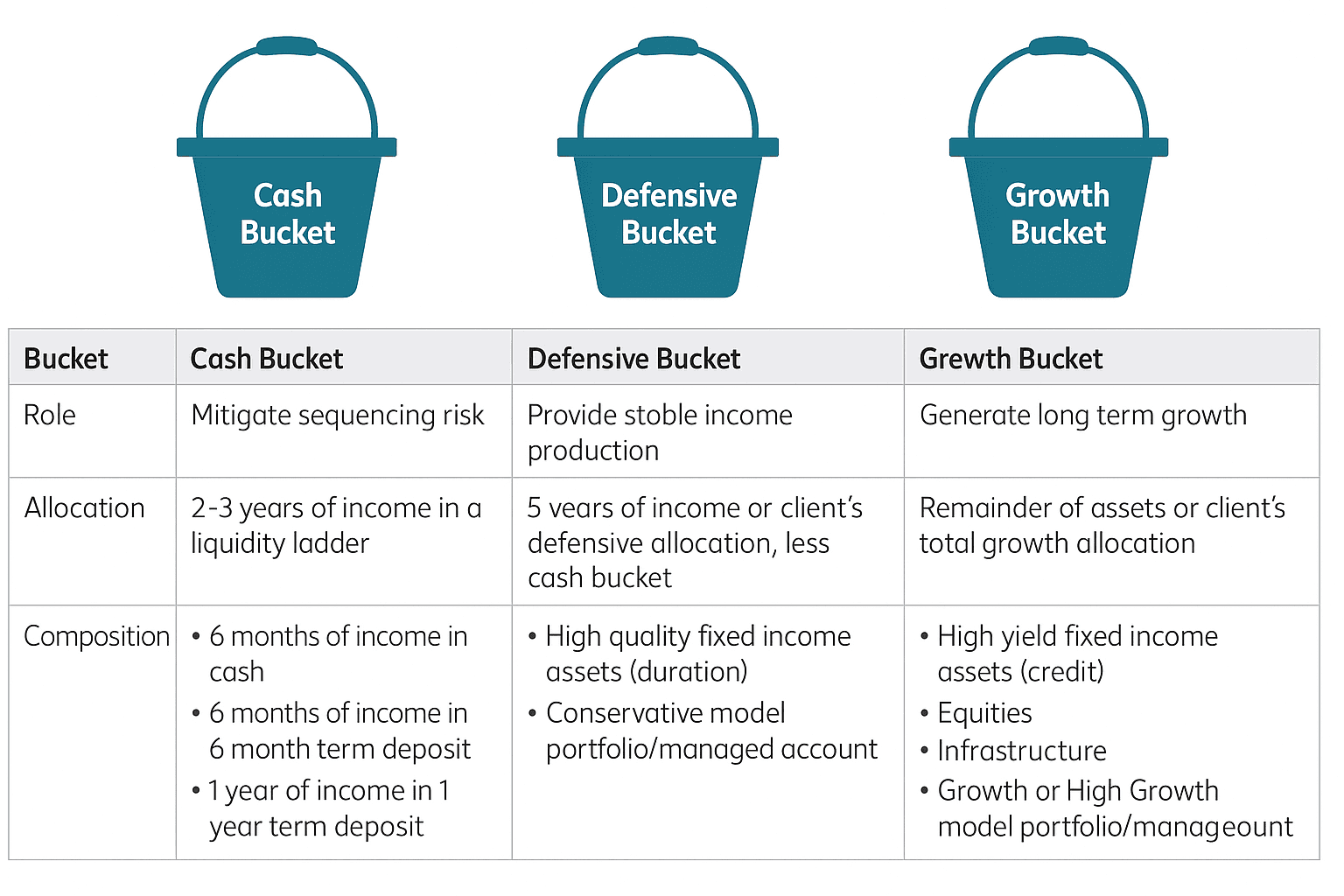
Options open: Shift from 1–2% cash to 5–7% in index funds/dividends. Diversify – cash buffer, stocks for growth, bonds/REITs for stability.
Tax efficiency matters more: Max retirement accounts, hold winners for long-term gains. Smart placement can add 1–2% net returns annually (~$2,500–$5,000 extra on $250k).
Biggest risks:
- Lifestyle creep → Upgrading everything erodes the base.
- Chasing "excitement" → Crypto gambles, day trading.
- Complacency → Forgetting it's still vulnerable.
Winners stay boring: Resist inflation, keep contributing, diversify, let compounding run.
The Real Prize: Breathing Room
$250k buys time and space. Less stress opens mental bandwidth for health, relationships, skills – compounding beyond money.
From here, progress accelerates. The uphill slog ends; momentum carries you. Wealth becomes predictable math, not mystery.
Takeaway: $250,000 isn't the finish line – it's where the game tilts in your favor. Keep the discipline that got you here: Live below means, stay invested, ignore noise. Time handles the rest.
From Army Pilot to $1M+ Fuel Delivery Empire: The Juiced Fuel Story
(A 10-minute read on a simple, scrappy business disrupting a boring industry)
Cory McDavid, a former Army Apache helicopter pilot with oil & gas experience from offshore rigs, and his wife Caroline (pregnant with their second child) hated gas stations. Instead of complaining, they launched Juiced Fuel – a mobile fuel delivery service bringing gas directly to your driveway, office, or boat dock. No lines, no hassle. Started small in Charleston, SC; now a 7-figure family-run business with zero outside investors.



Explosive Growth: From Side Hustle to $1M+
- Year 1: ~$77,000 revenue (Cory delivering alongside his 9-5).
- Year 2: $385,000 (hired drivers, added boat service).
- Year 3+: Over $1M annually.
They bootstrapped with ~$100k (friends/family raise after an incubator failed). Validated demand first: Built a landing page, ran Meta ads – people signed up for a service that didn't exist yet. Smart: Test before building.


The Simple Business Model: "Uber Eats for Gas"
- Buy wholesale fuel (cheaper from distributors or even Costco).
- Mark up slightly (30¢–$1.15/gallon depending on type: regular, premium, diesel, ethanol-free for boats).
- Add delivery/subscription fees.
- Deliver via app: Customers input address, vehicle/boat type, select 30-min window. Drivers GPS-route.
Customers:
- Residential (cars in driveways) – ~$2,500/year per vehicle.
- Fleets/commercial – biggest margins (one client: $34k/month).
- Boats/marinas – high-margin ethanol-free, weekly fills.
Revenue Streams:
- Fuel margin.
- Delivery fees ($12–$24 for boats, $8–$12 per fleet vehicle).
- Subscriptions ($30/month residential: 2 vehicles).
Residential acts as a "loss leader" for marketing – trucks in neighborhoods attract fleets/boats.


Low Startup Costs & Scrappy Scaling
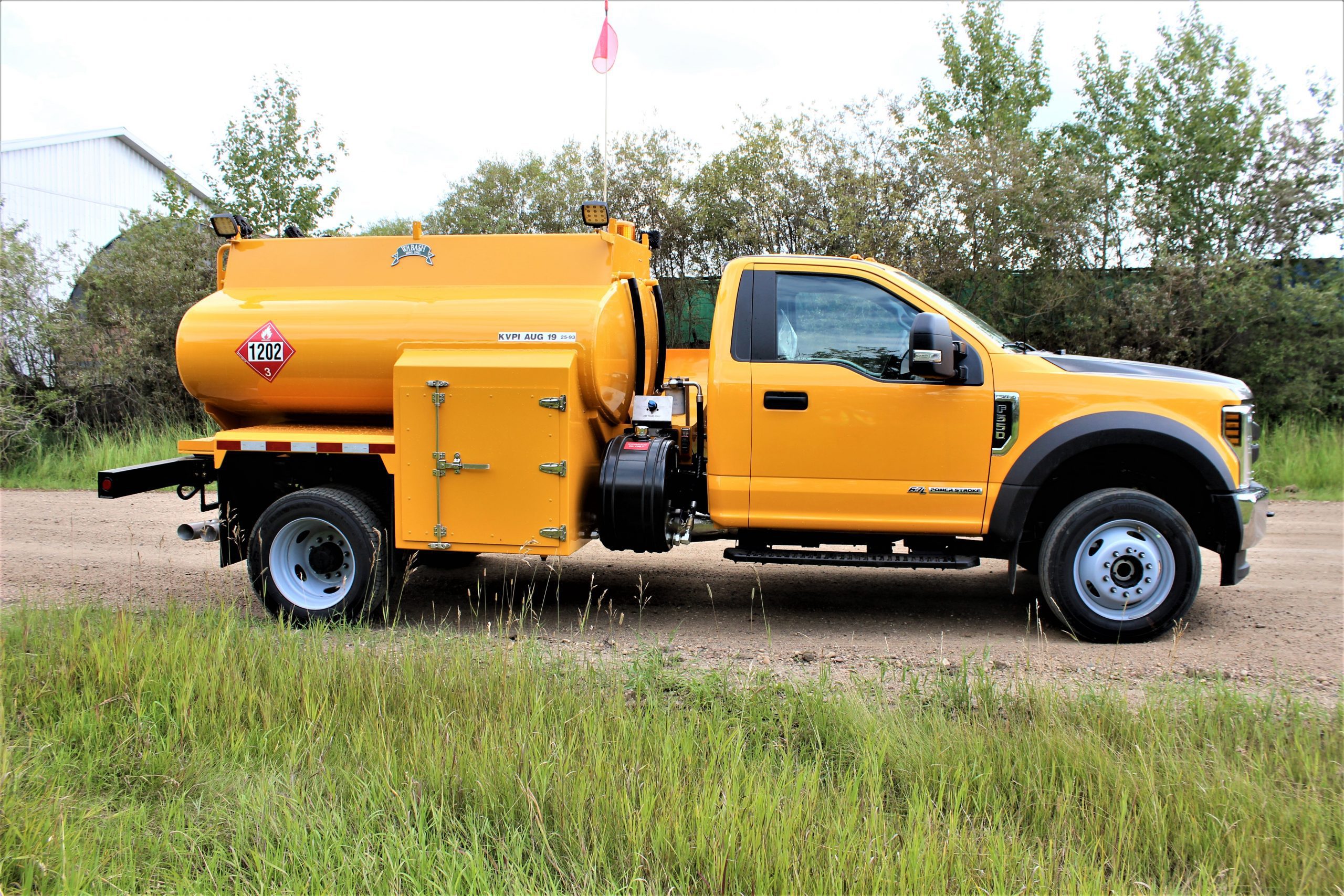
- First truck: $45k (financed) + $24k "skid" tank system.
- Later trucks: Bought used from failed competitors (~$20k each).
- Now 4 trucks, 4 employees.
- Innovation: "Juice Box" – custom 100-gallon mobile cart for long docks (up to 700ft).
Cory rarely drives now – focuses on growth.


Marketing Magic: Viral, Relatable, "Unhinged"
- No paid ads now – mostly referrals + social media.
- Brand: Family-focused, average people succeeding together.
- Cory's Instagram: Provocative posts trigger engagement (algorithm loves it).
- Trucks as rolling ads in neighborhoods.
Why It Works: Boring Industry + Modern Twist
Fuel delivery isn't new (heating oil, fleets), but consumer on-demand with app/tech/marketing is. Industry fragmented – no dominant player owns >6% market. As delivery normalizes (food, groceries), fuel fits perfectly.
Sticky Customers: Recurring need, high retention. Downgrade to on-demand if subscription lapses – keep nurturing.
Future: Goal – Juiced Fuel in every city. Potential acquisitions (marina chains?).
Key Lessons for Entrepreneurs
- Domain expertise: Cory's oil/gas background = huge edge.
- Validate cheap: Landing page + ads before assets.
- Simple scales: Few trucks, app, subscriptions – low overhead.
- Recurring revenue: Lock in monthly payments.
- Scrappy wins: Buy failed competitors' gear, go viral organically.
- Boring = Billionaire: Disrupt old-school with tech/marketing.
Cory & Caroline prove: No VC, no "sexy" idea needed. Spot friction (hate gas stations?), solve simply, execute relentlessly. As Cory says: "We're going to be the winner."

Comments
Post a Comment