12/19/2025 Youtube videos summary using Grok AI
The Remarkable Story of Bocking 14 Comfrey: A Forgotten Engine of Sustainable Fertility
Bocking 14 comfrey (Symphytum × uplandicum) is a perennial plant celebrated in organic gardening circles for its extraordinary ability to build soil fertility naturally. With a deep taproot reaching 6–10 feet into the subsoil, it mines minerals like potassium, calcium, phosphorus, and nitrogen that shallower-rooted crops can't access. These nutrients concentrate in its broad, hairy leaves, which regrow rapidly after harvesting.
Once established, a patch yields multiple cuts per season—typically 4–5 in temperate climates—producing significant biomass. Historical trials by its developer showed averages around 33 tons of fresh leafy biomass per acre annually, with some strains or conditions reaching 40–100 tons or more in optimal settings. The leaves boast impressive nutrient profiles: fresh material often contains 2–3% nitrogen, ~1% phosphorus, and up to 7% potassium (dry weight equivalents around 3-1-5 to 3-1-8 NPK), far exceeding typical farmyard manure in potassium—a key element for fruiting, flowering, and plant resilience.



Its low fiber content enables ultra-fast decomposition: leaves used as mulch break down in 2–48 hours, releasing nutrients quickly without tying up soil nitrogen. This makes it an ideal "chop-and-drop" mulch, compost activator (heating piles rapidly), or liquid feed ("comfrey tea") that rivals commercial tomato fertilizers in potassium while being free and renewable.
Unlike weedy wild comfrey, Bocking 14 is a sterile hybrid—it spreads only by root division, staying controllable. Plant it once, and it persists for 20+ years, deepening roots, improving soil structure, and creating a self-sustaining nutrient cycle.
The Champion: Lawrence D. Hills and the Birth of Bocking 14
The modern story begins in post-war Britain with Lawrence D. Hills, a horticulturalist alarmed by depleted soils and food insecurity. In 1954, he founded the Henry Doubleday Research Association (now Garden Organic) in Bocking, Essex, to explore organic alternatives, focusing on comfrey's potential.
Wild comfrey spread aggressively via seeds, deterring farmers. Hills collected strains from across Britain, trialed 21 varieties on rented plots, and selectively bred a non-seeding Russian-common hybrid. By the early 1960s, Bocking 14 emerged as the standout: high-yielding, rust-resistant, nutrient-rich (especially potassium), and sterile.
Hills freely shared root cuttings, publishing detailed trials proving comfrey's value as fertilizer, fodder, and soil builder. His work fueled the early organic movement, offering a chemical-free path to abundance.
Why Did It Fade? Convenience, Industry, and a Safety Scare
Despite promise, comfrey never mainstreamed. The mid-20th century brought synthetic fertilizers via the Haber-Bosch process: quick, precise, labor-saving bags of NPK. Advertising portrayed them as modern progress—clean, predictable, effortless—versus the "old-fashioned" cycles of living plants like comfrey.
Organic methods receded as chemical agriculture dominated, subsidized and promoted by governments and industry.
Then came the 2001 FDA action in the US: it advised removing oral comfrey supplements from the market due to pyrrolizidine alkaloids (PAs), compounds linked to liver toxicity when ingested in quantity (especially from roots). The ban targeted internal use—teas, capsules—not external or garden applications. No evidence showed risks from mulch or compost, where soil microbes rapidly break down trace PAs in leaves.
Yet headlines branded comfrey "toxic," causing garden centers to drop it over liability fears. It retreated to permaculture and organic niches, passed via root cuttings.
Practical Uses Today: Simple, Effective, Free
Gardeners still harness comfrey's power easily:
- Chop-and-drop mulch — Cut leaves and lay around fruiting plants (tomatoes, berries). They decompose swiftly, delivering targeted nutrients.


- Comfrey tea — Ferment leaves in water (notorious odor!) for a potent liquid feed, diluted for roots or foliage.


- Compost booster — Add to piles for faster breakdown.
Real-world examples abound: UK permaculturists replace thousands in fertilizer costs over decades; urban balcony growers slash bills by 70% while boosting yields. One patch offsets significant carbon emissions versus synthetics.
A Plant for Our Time
Amid rising fertilizer prices, soil degradation, and sustainability demands, Bocking 14 offers proven, low-input resilience. It embodies closed-loop farming: mine deep minerals, cycle them via biomass, enrich soil indefinitely—all without external inputs.
Old fears linger, but science supports safe external use. Planting comfrey today is an act of independence—growing freedom from supply chains, one deep-rooted patch at a time.
(Word count ~1,200; reading time ~8–10 minutes)
Emelia Hartford's Dream Realized: Buying and Transforming an Abandoned Compound into the Ultimate Car Haven
Emelia Hartford, a prominent YouTube car builder, racer, actress (known for roles in Gran Turismo), and content creator, has turned her lifelong dream into reality by purchasing a massive abandoned industrial compound to serve as her new headquarters. In her recent video "We Bought An Abandoned Compound! Our New Home!" (released around mid-December 2025), she announces and tours this sprawling facility, marking the culmination of years of hard work, saving, and growth from humble beginnings.
From Parking Garage to Ownership: Emelia's Journey
Emelia's story starts in a rent-controlled one-bedroom apartment next to a freeway, where she worked on her Nissan S14 in the parking garage—risking eviction notices just to wrench on her car. After her first YouTube videos gained traction, friends lent her garage space with a lift, a huge upgrade at the time.
She progressed through shared rented shops—cramped but full of memories—then to her own dedicated rented space, which she eventually outgrew. Constantly shuffling cars in and out, limited indoor storage, and turning down exciting projects due to lack of room frustrated her. For years, she's been quietly saving and investing in her channel, aiming to own a property outright. No more renting constraints; this compound represents freedom and scalability.
Approaching 2 million subscribers, Emelia credits her audience for making this possible and encourages new viewers to subscribe.


The Compound: A Massive Fixer-Upper with Endless Potential
The property, bought from a friend who let it sit abandoned for years, is enormous and in rough shape—echoey empty spaces, outdated bathrooms, stained floors, exposed wires, quirky rooms (jokingly dubbed a "sex dungeon" due to barred ceilings and locked-from-outside doors), and even a loading dock for large vehicles.
Key areas include:
- 4,000 sq ft workshop: Triple the size of her previous 1,500 sq ft shop. Inspired by Maserati's motorsport facility from her Formula E experience, she'll install multiple lifts (up to four), tool cabinets around the walls, and organized workspaces for builds and filming.
- 10,000 sq ft showroom/garage: A vast open area for displaying finished cars, with high ceilings, roll-up doors, and potential for car stackers (planning seven four-post units), a dyno, and event hosting.
- Upper level loft: Overlooking the showroom, perfect for a hangout with couches, racing simulators, and more.
- Offices and amenities: Two floors of office space, including a conference room, kitchen (being remodeled), multiple bathrooms, showers, and storage rooms. Emelia plans to bring remote team members in-house, hire more staff, and possibly handle merchandise internally. A mysterious upcoming "venture" will occupy part of it.
Outdoor space allows for storage and events, turning this into a true community hub for car enthusiasts.
The team explores with humor—joking about creepy rooms, spinning in office chairs, and planning donuts in her S13.

Rapid Transformation and Vision
Despite the rundown state, progress is swift. In a short time:
- Ceilings painted black with repaired insulation.
- Walls prepped and painted (whisper white for offices).
- New LED lighting installed for bright, professional feel.
- Electrical drops added.
- Flooring scheduled for polishing, leveling, and sealing.
- AC units serviced, cabinets ordered, fencing and exterior upgrades underway.
The goal: Fully operational in about two weeks. The black-and-white theme creates a clean, motorsport-inspired aesthetic.
This isn't just a shop—it's a content studio for bigger builds, an event space for the car community, and a "dream garage" for Emelia's collection (including her record-breaking Corvettes, Ferrari 458, Nissan projects, and more).
A Brunt Workwear sponsorship segment highlights her endorsement of their comfortable, durable boots—perfect for long shop days—with a discount code.
Inspiration and Gratitude
Emelia emphasizes that dreams are achievable with consistent effort. From breaking into her old apartment complex for nostalgic shots to owning this compound, her path shows persistence pays off.
She thanks longtime fans, new viewers, her team, and supporters, promising elevated content. Additional support options include her "Return to Life" apparel line, which promotes positive messages and donates to mental health causes.
This compound marks a new era for Emelia Hartford: bigger projects, more community engagement, and unrestricted creativity in the automotive world she's passionate about.
(Word count ~1,150; estimated reading time 8–10 minutes)
How Much Do Mid-Sized YouTubers Really Earn? A Transparent Breakdown from "According to Nicole"
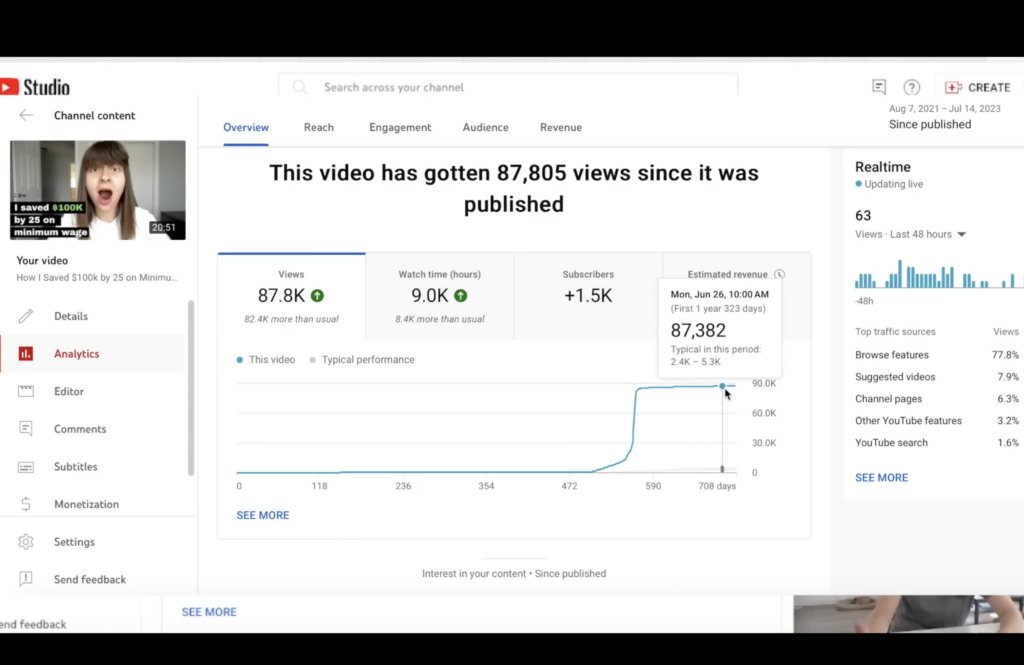
Nicole, creator of the YouTube channel According to Nicole (@AccordingtoNicole), focuses on personal finance, minimalism, simple living, side hustles, and self-development. In a candid 2024 year-end video, she reveals her channel's full income with nearly 100,000 subscribers (starting at 44,000 and growing rapidly). She stresses financial transparency, especially as a finance creator, while noting figures are gross (pre-tax, pre-expenses like gear, software, props, and storage) in Canadian dollars (with USD approximations).

AdSense Revenue: The Core but Volatile Stream
AdSense (YouTube's ad revenue share) depends on views, not subscribers—plus factors like video topic, audience demographics, and advertiser demand. Finance niches often yield higher RPMs (revenue per mille/views) due to valuable ads.
Nicole's 2024 monthly AdSense (CAD):
- January (~44k subs start): $2,612
- February: $2,691
- March: $3,651
- April: $2,720
- May: $5,234 (viral videos boosted)
- June: $5,564
- July: $3,934
- August: $6,947 (peak month)
- September: $6,482
- October: $6,481
- November: $5,534
- December: $7,999 (record high)
Total AdSense: ~$58,930 CAD (~$42,500 USD).
Highest daily earnings reached $773; lowest months dipped under $3,000. Viral hits (e.g., "brutally honest financial advice") spiked revenue, while similar-view videos on less advertiser-friendly topics earned 30% less. After expenses, AdSense alone isn't livable—hence diversification.



Sponsorships: The Most Reliable Income
Brands pay based on expected views (typically $15–$50 per 1,000). Nicole's average views doubled from ~25,000 to ~50,000 per video in 2024.
Estimates:
- Early year: $300–$1,000 per sponsor.
- Later: $1,500–$5,000+.
She doesn't disclose exact totals but implies sponsorships form the bulk of reliable income. Flops lower averages, hurting future deals—so many creators use secondary channels for experimental content. Supporting sponsors (by not skipping) helps creators most.
Patreon: Small but Direct Support
Nicole offers ad-free early access at $5 or $10/month (same benefits). She promotes lightly, keeping it intimate.
- Monthly: ~$200 CAD.
- Yearly: ~$2,600 CAD.
All reinvested into production quality.
Affiliates: Passive but Minimal
Links to recommended products (mostly Amazon) earn small commissions.
- 2024 total: ~$1,469 CAD.
She avoids aggressive pushing to prevent salesy content.
Overall: Livable, Scalable, but Hard-Earned
Combined streams provide a "respectable living" with perks like location independence, flexible scheduling, and scalability (growth increases earnings without proportional work). After hours invested (research, filming, editing) and early unpaid years, it's not riches—but rewarding.
Nicole argues anyone can succeed with persistence: "It's statistically impossible that no one will like what you're doing." Keep creating until your audience finds you. Scalable online businesses (YouTube, print-on-demand like sponsor Printful/Printull) beat time-for-money trades.
She promotes diversifying beyond jobs or single streams, especially amid rising living costs.
This transparency highlights mid-tier reality: Not millionaire status, but sustainable freedom for dedicated creators in engaging niches.
(Word count ~1,100; reading time ~8–10 minutes)
The Heartbreaking Yet Bittersweet Tale of a Missed Harvard Acceptance: A Musician's Journey of Expectations, Escape, and Reflection
A Korean-American musician (who goes by Hyosung in some references from his story) recently shared a profoundly emotional personal account that went viral in mid-December 2025. In a raw, heartfelt video/stream, he recounted how he was accepted to Harvard University off the waitlist in 2019—but didn't realize it until discovering unread emails six years later, long after the opportunity had expired.
Born in Korea, he grew up in an academically intense environment but credits his drive to internal motivation rather than parental pressure. He thrived on competition, teacher approval, and the joy of learning—even idolizing the overachieving (yet villainous) valedictorian character Light Yagami from the anime Death Note.
After immigrating to the U.S., his academic prowess continued. In high school, he earned top report cards, culminating in becoming valedictorian (rank 1 out of 784 students).



High Expectations and Crushing Disappointment
Historical data from his high school fueled sky-high hopes: Top-50 ranked students often landed Ivy League spots; top-10 were "pretty much guaranteed" top Ivies. As valedictorian, he qualified for QuestBridge, a national scholarship covering full tuition at any Ivy.
Junior year applications included Harvard, other Ivies, and Berklee College of Music (a premier contemporary music school in Boston). His growing passion for music (piano and singing) emerged in late high school, but he viewed a pure music career as impractical—especially without family connections in the field.
He discovered the Harvard-Berklee Dual Degree Program: Accepted students to both could attend simultaneously (schools are ~15 minutes apart), blending liberal arts/academics with professional music training—perfect for his interests.
Decision day brought devastation: Waitlisted (or rejected) from every Ivy, including Harvard. Lower-ranked peers (e.g., rank 2 to Princeton, rank 3 to Yale, rank 10 and 31 to Harvard) got in. At 17, this felt like a total life denial—his identity tied to academic excellence.
He appealed (especially to Harvard) but heard nothing. Accepted to Berklee and solid schools like Georgia Tech and NYU, he faced a crossroads: Gamble on music at Berklee or attend a non-dream academic school.
Crushed by unmet expectations and unwilling to confront "failure" in academics, he chose Berklee—essentially "running away" to pursue passion if he couldn't be "the best" academically.


The Shocking Discovery Six Years Later
Fast-forward: He became a full-time musician (piano compositions and singing), realizing music school wasn't necessary but embracing the path anyway.
During a recent stream discussing college acceptances/rejections, lingering inferiority lingered. To show his old Harvard waitlist letter, he dug through 2019 emails—and found an unopened May 2019 email notifying a status update (Harvard's subtle acceptance signal: "status changed" vs. explicit rejection).
Further emails: A June confirmation request (marked as read, but ignored amid Berklee logistics and heartbreak—he'd mentally ruled out Harvard after lower-school rejections).
He'd been accepted off the waitlist—but missed it entirely.

Flashbacks hit hard:
- Visiting Harvard campus (open to public) via friends; eating in cafeterias.
- A high school classmate mistaking him for a Harvard student: "I didn't know you came to Harvard too!" He clarified Berklee attendance, feeling inadequate.
- Campus tours where he bit his tongue about his waitlist/appeal.
- Pretending to be a student to avoid dorm RA checks (non-students barred).
Irony: With acceptance + QuestBridge scholarship + dual program eligibility, he could've attended both Harvard and Berklee tuition-free.
Emotional Rollercoaster and Life Lessons
Initial reaction: Shock, anger at himself ("How did I miss this?"), sadness over lost campus dreams (he'd read books like How to Get Your Kid into Harvard in elementary school).
Then pride: Proof he was "worthy" all along, healing old insecurities.
Finally, humor: A uniquely absurd story—no one else misses a Harvard acceptance email for years, especially a musician who could've dual-enrolled.
Crucially: Nothing changed in his life. Opportunity expired; he's graduated, thriving as a musician, content overall.
He shared publicly to process grief—keeping it secret felt too isolating. No regrets about music (though not fully "chosen" freely), but mixed emotions linger.
This tale resonates widely (viral on social media/news) as a reminder of expectations' power, life's unpredictability, missed signals amid pain, and finding fulfillment off planned paths. As he says: Sometimes things happen for a reason—or pure comedy.


(Word count ~1,150; estimated reading time 8–10 minutes)
Fixing Persistent Cold Radiators: A Real-World Case Study from a Plumber's Visit
In a popular December 2025 video from UK plumber James (Plumberparts channel), he tackles a frustrating central heating issue at Robert's large 1970s detached home (~2,400 sq ft). Robert had endured cold or lukewarm radiators for two years post-renovation, despite multiple plumbers (including power flushes and pump suggestions) failing to resolve it. Symptoms: Some radiators never got hot (e.g., a large black one in the dining room), others intermittently switched hot/cold, and the system took 3–5 hours to warm up unevenly.

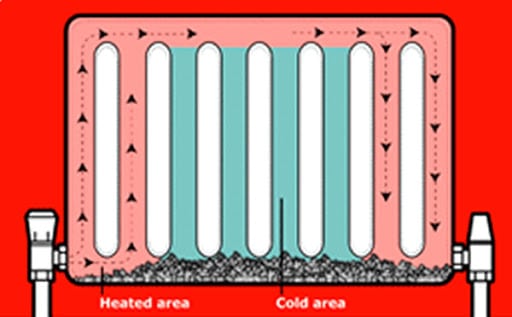
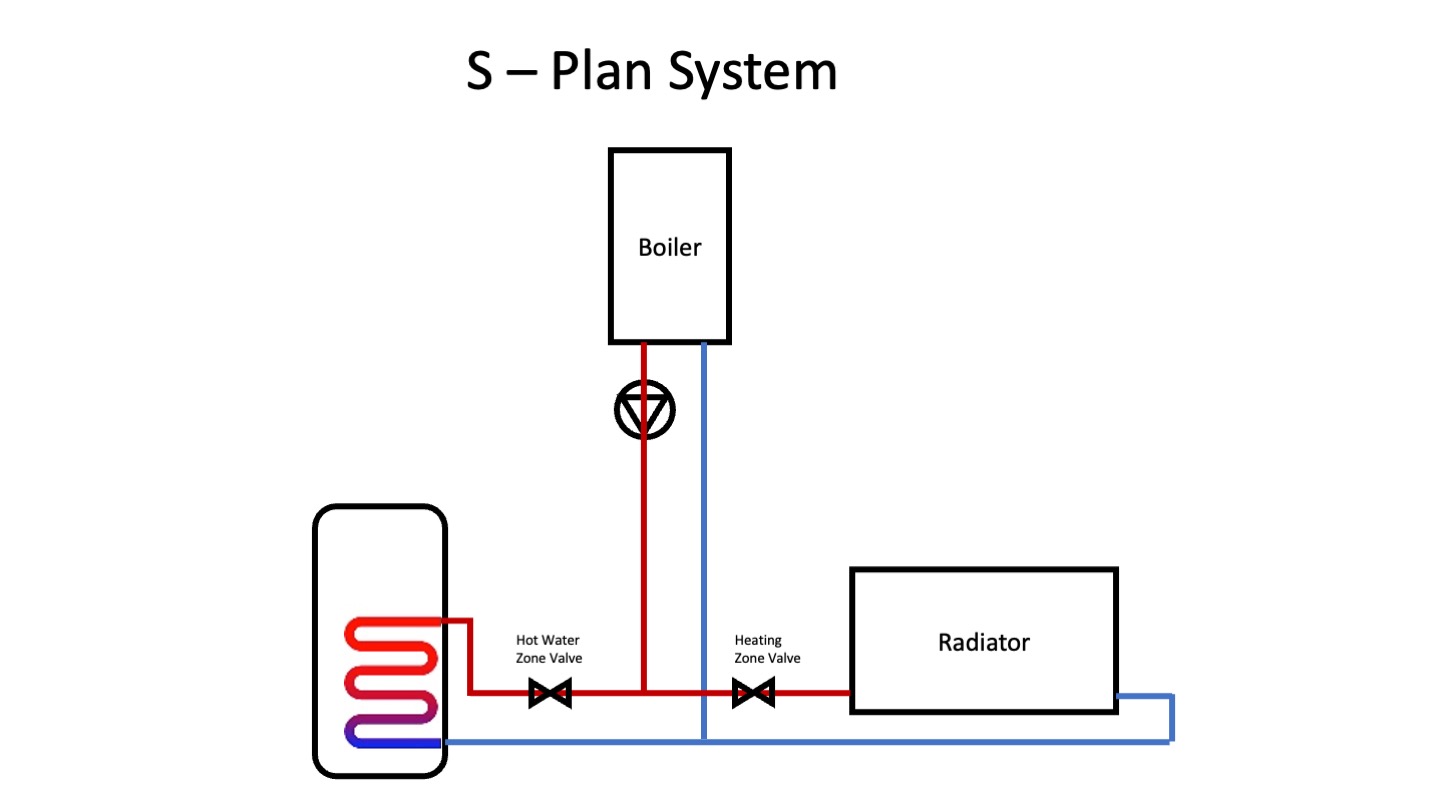
The house has 26 radiators (17 downstairs, 9 upstairs)—a massive load—on a gravity-fed system with an S-Plan setup: Separate zone valves for upstairs/downstairs heating and hot water, plus a Grundfos pump.

Key Diagnostics and Fixes
James systematically checks and adjusts, transforming the system in one visit:
- System Layout Inspection:
- Chunky 35mm/22mm pipes, single 22mm feed to all heating.
- Hot water cylinder coil also on 22mm—potential flow thief.
- Pump Check:
- Old Grundfos on speed 3 (max)—good.

- Automatic Bypass Valve:
- Correctly set (lukewarm pipe)—not dumping excess flow.
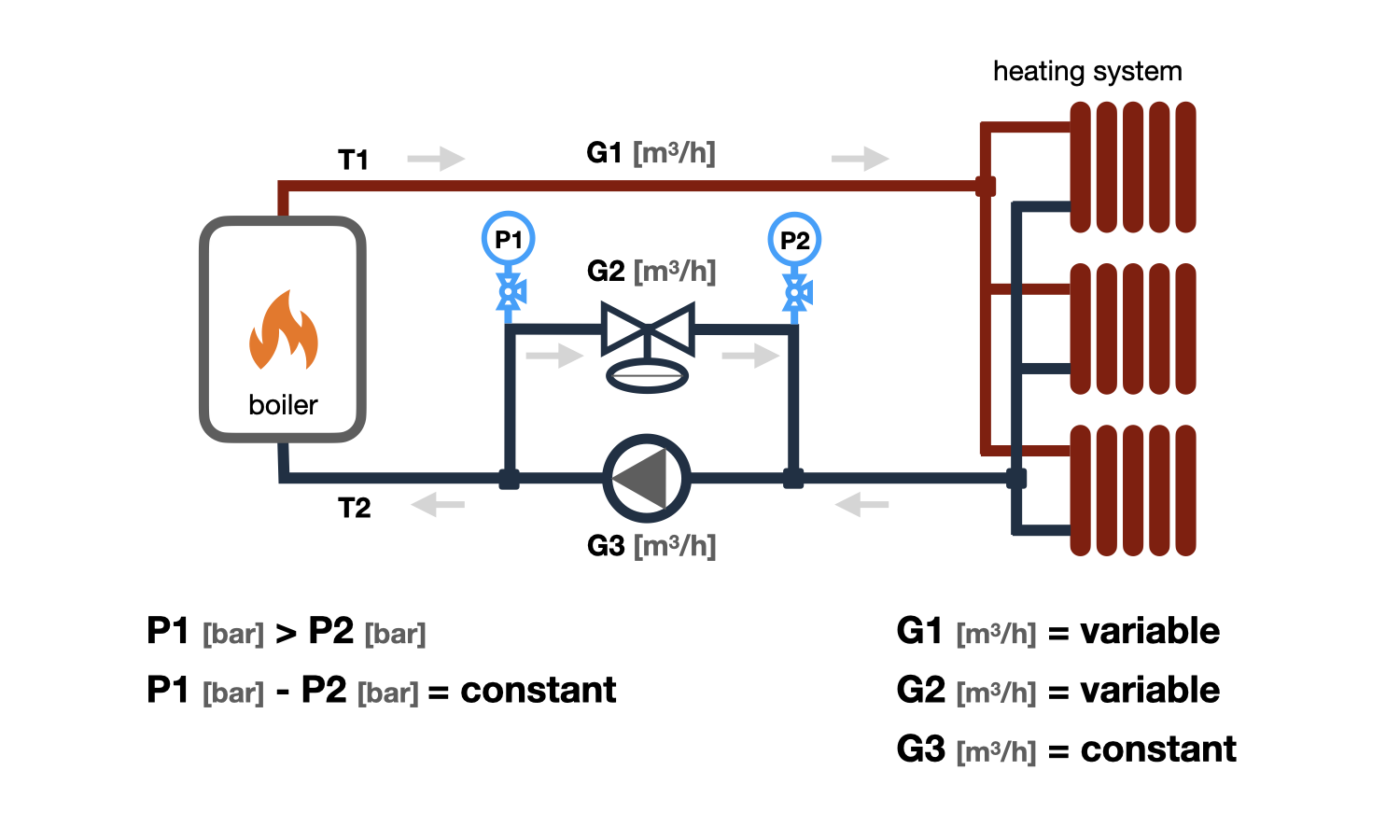
- Hot Water Cylinder Balancing Valve (The Main Culprit):
- Wide open, allowing massive flow through the large coil when hot water called, starving radiators.
- James restricts to ~half–full turn (just a whisper of flow)—balances priority without slowing cylinder heating.
- Immediate improvement: Problem radiators start warming.

- Full Radiator Balancing:
- Previous attempts incomplete—many lockshields fully open.
- Method: Shut all lockshields fully, then open each ~¼–½ turn. Wait 30+ minutes, tweak if needed (1/12th turn increments).
- Ensures even flow; water prefers easiest path otherwise.

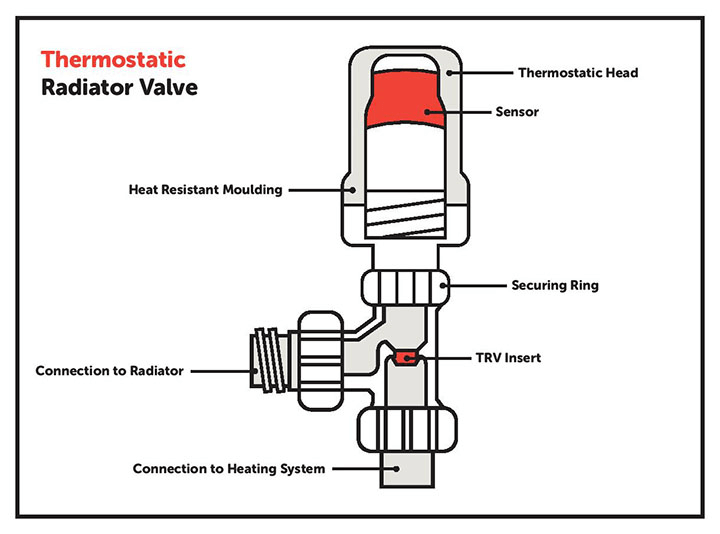
- TRV (Thermostatic Radiator Valve) Fixes:
- Some stuck closed—freed pins manually.
- Set to ~3 for room temperature control (not max).
- Other Tips:
- Bleed radiators, check for air/sludge.
- Gate valves: Full open minus ¼ turn back (prevents seizing).
- Column/designer radiators heat slower but look great.
Results and Takeaways
Post-adjustments: Previously cold radiators hit 70–80°C quickly; even heating throughout. Robert delighted—"It's never been that hot!"
James charged a reasonable day rate (not disclosed exactly, but fair for expertise).
DIY Advice if You Have Cold Radiators:
- Count/map all radiators.
- Check pump speed/bypass.
- Crucial: Balance hot water cylinder return valve—common oversight in zoned systems.
- Properly balance lockshields.
- Set TRVs correctly for efficiency/savings.
This case shows how imbalanced flow (especially cylinder stealing priority) causes intermittent/poor heating, not always sludge or faulty pumps. Power flushes help dirty systems but won't fix hydraulic imbalances.
(Sponsored segment on UGREEN power banks noted, but fixes are the core value.)
(Word count ~1,050; reading time ~8–10 minutes)
From $110K Debt to 60% Savings Rate: A Realistic Path to Financial Independence
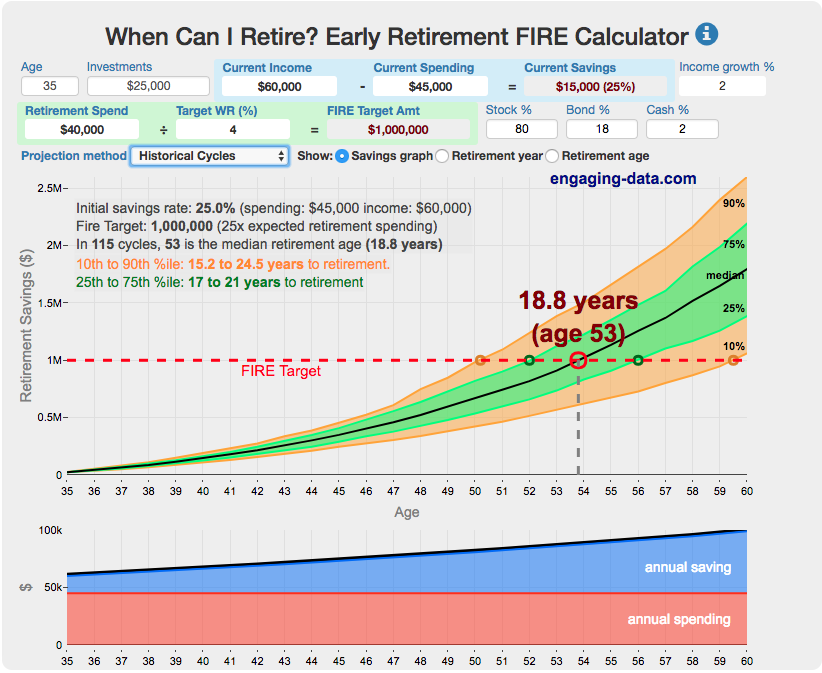
At age 39 in late 2025, a former Air Force member (20 years active duty, just retired) shares his FIRE (Financial Independence, Retire Early) journey. Starting with ~$110K debt and -$60K net worth in 2014, he paid off debt aggressively (2014–2016), then built wealth through disciplined 60% gross income savings/investing. No inheritance, no extreme frugality—just intentional choices, military benefits, and business income.


Retirement Timeline and Goals
His military pension (~$40K/year guaranteed) dramatically lowers needed portfolio (equivalent to ~$1M at 4% rule).
- Essentials ($60K/year): ~$500K portfolio ($20K investments + $40K pension).
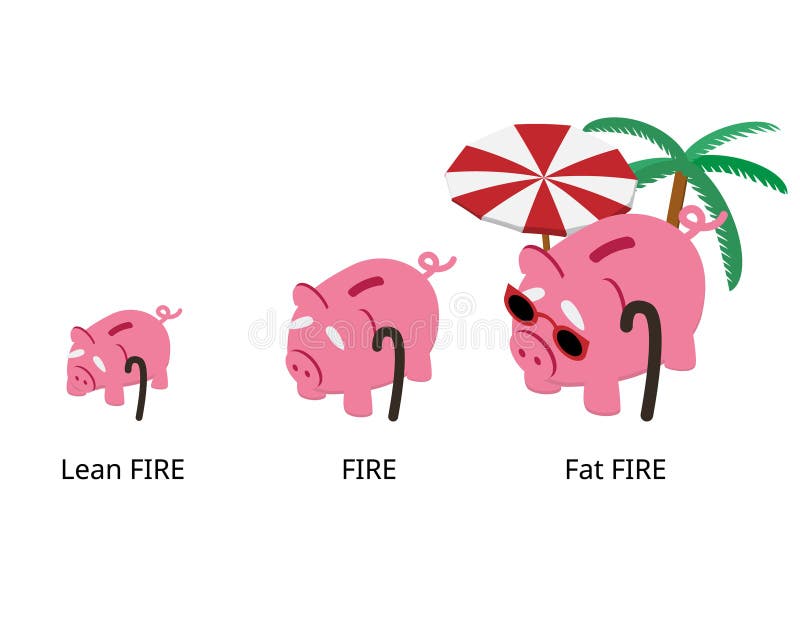
- Comfortable/Chubby FIRE ($150K/year lifestyle): ~$2.75M portfolio + pension → target age 45 (2031, <6 years away).
- Fat FIRE (luxury, $240K+/year): ~$6M → longer-term goal age 55.
He could cover basics today but continues working (loves his finance/content business) for comfort. Family history (Parkinson's) motivates balancing enjoyment now (travel) with future security—no waiting until 60–70.

Achieving a 60% Savings Rate
Not instant—built gradually post-debt. Key: Pay yourself first (max tax-advantaged accounts before spending). Avoid lifestyle inflation; budget intentionally. Higher income enables it (military + business/side hustles).
Prioritization order (2025 contributions):
- HSA (triple tax-advantaged): $8,550 family max → invest, don't spend.
- Roth IRA (backdoor for high earners): $14K total ($7K each).
- 401(k)/457(b): $47K employee + employer matches/contributions (100% instant return on wife's match).
- High-yield savings (~10% income): Emergency (built), travel/sinking funds.
- Taxable brokerage: Remainder—flexible, after-tax growth.
Total: ~60–61% gross. Live on ~40% (comfortably—no ramen).


Accessing Funds Early (Before 59½)
Common myth: Retirement accounts "locked." He debunks with strategies:
- HSA — Pay medical out-of-pocket now; reimburse tax-free anytime (no expiration). Grows invested. Age 65+: Penalty-free non-medical (like traditional IRA).
- Roth IRA — Contributions withdrawable anytime tax/penalty-free. Converted amounts after 5 years.
- Traditional 401(k) — Rule of 55: Penalty-free withdrawals if separate age 55+.
- Roth 401(k) — Roll to Roth IRA for immediate contribution access.
- Taxable Brokerage — No penalties; 0% long-term capital gains tax if income <~$99K (2026 married).
Shift to Cash Flow Over Net Worth
Pension + business income reduces portfolio reliance. Business allows ongoing contributions post-"retirement." Focus: Purposeful work (optional), not forced grind.
Balancing Aggression with Life
Saves 60% now but plans to reduce (40% → 30% → 25%). Enjoys travel/experiences today. Message: Start where you are (even 10–20%); be intentional. FIRE is freedom/choice, not deprivation.
His story: Discipline over decade turns setbacks into security—proving high savings realistic with strategy.
(Word count ~1,100; reading time ~8–10 minutes)
Reindustrializing America: The Raw Material Cost Barrier and a Path Forward Through Cheap Energy
In a thought-provoking December 2025 video, a machinist and content creator (known for hands-on shop projects) tackles a core obstacle to reindustrializing the U.S.: It's often cheaper to buy finished machined parts from China (via AliExpress) than to purchase equivalent raw materials domestically from suppliers like McMaster-Carr—the gold-standard industrial catalog and website for tools, materials, and parts.


Real-World Price Comparisons
To demonstrate, he orders identical or comparable items:
- Simple steel gear (wire EDM cut, machined): $6 on AliExpress vs. $6 raw steel block from McMaster-Carr (U.S. labor effectively free to compete).

- Complex lifting gear (intricate machining/broaching): $12 from China vs. $15 larger steel piece domestically.
- 1-2-3 blocks (precision setup tools): $16/pair from China vs. $20+ raw steel (quality sufficient for shop use).


- Aluminum billet: $18 raw vs. complex turbo impeller: $32 finished (only case where finished > raw, but still slim U.S. margin).


McMaster's premium (next-day delivery) noted, but even bulk/raw comparisons favor imports.
The Root Cause: Energy Costs Drive Metal Prices
Everything downstream of energy. Metal production (steel, aluminum, titanium, copper) energy-intensive—electricity 25–35%+ of costs (higher for primary aluminum ~35%).
- Current U.S. industrial power: ~4¢/kWh.
- Hypothetical 10x reduction (0.4¢/kWh): ~30% savings on aluminum ($3K/ton → ~$2.1K/ton, $900/ton saved); similar for steel (~25%), titanium/copper (30–80% for some ores).
China subsidizes energy/manufacturing, optimizing for production efficiency.
Cascading Benefits of Cheaper Energy
Not just direct savings—multiplicative:
- Cheaper metals → cheaper tools/machines → lower machining costs → more competitive parts.
- Run more equipment per shop/operator.
- Reopen opportunities (non-linear thresholds).
U.S. has only 4 primary aluminum smelters (down from 30 in creator's childhood; many closed recently). Cheaper energy could reverse, like recycling boom.
Titanium: 30%+ cheaper unlocks new apps (e.g., 3D printing).
Copper: 30–80% energy cost → cheaper grids/transmission (U.S. loses ~5% in lines).
Historical Precedent: Iceland's Energy-Led Boom
1960s–70s: Geothermal/hydro dams slashed electricity.
Result: Massive aluminum smelting industry (ongoing expansions, e.g., 2007 plant)—fueling industrial growth in Northern/Eastern Europe.

Contrast: Germany shutting nuclear (relying on coal amid green policies).
U.S. Path: Nuclear Power Expansion
For 10x cheaper power: Not 10x production—likely 2–3x sufficient (economies/non-linear).
- Current: ~90 reactors.
- Need: ~200 more, sited near demand (minimize transmission losses, repurpose infrastructure for smelters).

:max_bytes(150000):strip_icc()/GettyImages-526258524-347c3631c2a94319921e8b5ea7b455f8.jpg)

Momentum: New designs, private efforts (e.g., Valar Atomics near criticality). Policy support could accelerate.
Other bottlenecks: Mining permits (20+ years paperwork)—regulatory reforms needed. Much U.S. ore shipped to China (40% global smelting).
Optimistic Vision
U.S. optimized for consumption (inefficient production). Shift to production (remove obstacles, market-driven) could outperform China's subsidized centralization.
Decentralized manufacturing revival possible—cheaper energy unlocks supply chain cascade.
Creator ties to shop projects (using imports as props/stock) and broader reindustrialization efforts (e.g., collaborations in El Segundo).
(Word count ~1,150; reading time ~8–10 minutes)
High-Paying, Low-Stress Jobs: Real Stories from Reddit
A popular Reddit thread (compiled in a YouTube narration video) asks: "To those of you who earn a good salary in a low-stress job, what do you do?" Responses reveal diverse roles blending decent pay ($50K–$180K+), flexibility, minimal pressure, and work-life balance. Common themes: Healthcare imaging/tech, shift-based trades, remote/office roles, and niche specialties. Many emphasize supportive workplaces, autonomy, or downtime over raw salary.


Healthcare & Medical Roles
- Medical Radiation Technologist (X-Ray): Focuses on diagnostic imaging; low patient interaction (porters handle transport). Relaxed pace, skill-dependent ease, team support. Less stressful than CT/MRI (no tight schedules).

- Cardiac/Vascular Ultrasound Tech: Office-based scanning; laid-back if efficient—half day free for personal tasks (e.g., trading stocks).
- Rural EMS (Canada): 96 hours on/96 off (4 days work, 4 off). Lounge in staff house (TV, gym, games); average 5–6 calls/96 hours (mostly transports). ~$70K CAD + overtime.
Energy & Industrial Operations
- Nuclear Plant Operator: $140K–$180K (shift work, 32–48 hours/week). Low stress if exams passed; union perks, good treatment.

- Petroleum Geologist: Six figures from start; 40-hour weeks, passion-driven (low stress despite high stakes).
- Senior Accountant (Oil & Gas): Small family firm; busy but respectful culture, flexibility (WFH), trust-based.
Transportation & Outdoor Trades
- Local Truck Driver: ~$80K; home daily, music/podcasts, sunrises. Tough entry, but rewarding if secured.

- Tugboat Deckhand (NY): $385/day (mate $580, captain $670); 2 weeks on/off, live aboard, free food/TV/Xbox.
- Pizza Delivery (Affluent Area): $120+/day driving/smoking.
- Independent Courier (Vet Samples): $240/day driving.
- Swimming Pool Repair: Pay-per-job; flexible hours, self-quoted prices (~$75K avg).
- Garbage Collector: ~$50K municipal; laid-back most days.
- Dog Walker (LA): Part-time, outdoors, podcasts; joyful client interactions.

Office, Creative & Remote Roles
- In-House Graphic Designer (Retail): Busy but no agency/client stress; stable workload.

- Quality Control/Assurance: Inspect specs; hectic rarely, mostly chill.
- Home Theater Designer: Remote floor plans/troubleshooting; easy money.
- Personal Assistant (Real Estate): Early stress fades; now coffee/Reddit-heavy.
- Digital Media Marketing: ~$80K WFH; reactionary, minimal daily work.
- Data Analytics: $75K+ remote; patterns fascination, no overtime.
- Landman (Oil & Gas): Research property history (courthouses/WFH); puzzle-like, autonomous (> $100K).
- Export Compliance (Medical Devices): Copy-paste documents; low effort.
- University Admin/Program Coordinator: Emails/meetings; ~$40–60K + benefits.
Education & Specialized
- College Professor: Talk passion 15 hours/week; summers "off" (prep/grading); flexible outside classroom.

- English Teacher (China): 12 hours/week; ~$2,700 USD/month + housing/flights; ample hobbies time.
- Teacher (Rich Kids): Reusable plans; low expectations.
Other Unique Gigs
- Board Game Company (Licensing): File access/grants; conventions, mandatory playtime.
- Poker Dealer: Tip-heavy (~$5K/month possible); zero stress after years.
- Direct Support Professional (Midnights): Mostly Reddit/drawing; ~$10–25/hour.
- Freight Car Inspector/Repair: Laid-back mostly; weather/labor rare.
- Self-Employed Online Growth Consultant: Half-time, fun projects only; no deadlines/boss.
These jobs highlight "low stress" as subjective—often tied to autonomy, supportive environments, downtime, or passion alignment. Many note luck/networking in entry, but rewards in balance/pay.
(Word count ~1,200; ~8–10 minute read)
Payment Processors' Censorship Rampage: From Gaming Purges to Debanking Creators—and a Glimmer of Hope
In the last six months of 2025, payment giants like Visa, Mastercard, Stripe, and PayPal have wielded unprecedented power to censor online content, forcing platforms to delist thousands of legal games, adult art, and more—or face total financial cutoff. Platforms like itch.io and Steam bowed to threats, but creators suffered: accounts frozen, funds trapped ($4K+ in some cases), livelihoods destroyed. This "debanking" stems from processors labeling legal-but-edgy content (e.g., NSFW games) as "brand risks." Amid the outrage, PayPal's bid to become a full U.S. bank could backfire—triggering compliance with a new anti-debanking Executive Order.
The Monopoly: No Alternatives, Total Control
Visa/Mastercard dominate ~90% of card transactions globally; PayPal/Stripe fill digital gaps. Refusal means platforms/shops die—no revenue, instant collapse.
- itch.io Purge (Jul 2025): Australian activist group Collective Shout lobbied processors over "No Mercy" game (banned earlier). Result: All NSFW deindexed; new rules ban non-consensual, underage/"barely legal," incest, bestiality, r*pe, scat, etc. Thousands of indie games/art vanished; sales via Stripe/PayPal suspended for 18+.
- Steam Crackdown: Hundreds removed; new dev onboarding policy: "Payment processors get a say." PayPal halted transactions in most countries (Jul-Aug 2025), except EUR/CAD/GBP/JPY/AUD/USD—millions affected.
Broader hits: Japanese otaku dating apps (amid population crisis), anime/manga sites. Backlash forced partial retreats, but processors push relentlessly.
Creators Debanked: Frozen Funds, Livelihoods Ruined
- Artists/animators lost Patreon/PayPal overnight (Aug 2025). One with 173K followers: Suspended for NSFW—linked to platform.
- Adult ebook buyer: Account banned mid-purchase (legal content).
- Reports: $4K+ trapped; bills unpaid. NSFW Patreon links trigger bans—no warnings, appeals ignored.
X/Twitter erupts: "PayPal stole my money," "Debanked for spicy art."
Global Censorship Avalanche
- UK: Kids Online Safety Act mandates age verification.
- EU: Chat Control scans messages; 3-month re-verification.
- Australia: Under-16 social media ban.
- US: State age/ID/facial scan laws.
Processors amplify: Legal content killed if "risky."
The Turning Point: PayPal's Bank Bid Meets Anti-Debanking EO
Good news (Dec 15, 2025): PayPal applied for PayPal Bank (Utah industrial loan co., FDIC-insured). Aimed at small biz lending/savings—but as a bank, it falls under federal rules.
Enter Executive Order 14331 (Aug 7, 2025, President Trump): "Guaranteeing Fair Banking for All Americans." Bans debanking for "political/religious beliefs or lawful business activities." Regulators must:
- Drop "reputational risk" from guidance.
- Investigate largest banks (e.g., JPMorgan, BoA); fines/consent decrees.
- SBA: Reinstate debanked clients.
- Treasury: Anti-debanking strategy (180 days).
Impact on PayPal: Non-bank now, exempt. As bank? Must comply—no censoring legal buys (e.g., Steam games). Potential: Reinstate accounts, release funds, lawsuits.
Caveat: EO (not law) vulnerable to reversal. Needs codification.
Why It Matters: Ripple Effects & Fight Back
U.S. win could pressure global ops (PayPal international). Precedent vs. monopoly.
Creators vocalize: "Reinstate us!" Processors forget at peril—backlash grows.
Internet "under attack": Activists, govs, processors/privacy invaders. Overwhelming—but resistance works (Japan apps reinstated).
Call: Demand codification; spotlight debanking. Freedom hinges on access to your money for legal purchases.
(Word count ~1,100; reading time ~8–10 minutes)
This powerful reflection from a seventy-three-year-old man serves as an urgent "wake-up call" for anyone caught in the grind of modern life. After fifty-two years of following society’s script, a near-fatal heart attack forced him to realize that the way we are taught to live is a fundamental lie.
The following summary explores his hard-won wisdom on time, success, and the things that actually matter.
1. The Great Illusion: "I Have Time"
The most dangerous lie we tell ourselves is: "I’ll do it later." We postpone joy, travel, and relationships until we hit specific milestones—a promotion, a certain bank balance, or retirement. The author warns that the goalposts always move. By the time you reach the "top" of the ladder, you often realize it was leaning against the wrong wall.
The Trap: Chasing "next year" ensures that "today" is never lived.
The Reality: Time is a non-renewable resource that works on a countdown, not a surplus.
2. The Failure of "Success"
As someone who achieved high-level professional respect and financial stability, the author is uniquely qualified to debunk the myth of success.
The 48-Hour Rule: Achieving a major goal feels incredible for about two days; then, the feeling vanishes, leaving you on a "hamster wheel" searching for the next hit of validation.
The Legacy Trap: He recounts a friend who built a multi-million dollar empire but died a stranger to his own son. In the end, your professional titles won't be what people—or you—remember.
3. The Weight of "The Things Not Done"
Regret rarely stems from mistakes or failed business deals; it stems from omission. * Missed Connections: The author’s deepest pain comes from the Sundays he didn't call his father and the relationship with his brother that he let fade.
The Roads Not Taken: He laments the trips never taken and the books never written because he was "too busy."
The Invincibility Myth: Young people act as if they and their loved ones are immortal. They aren't. Time with parents, spouses, and children is strictly limited.
4. The "Post-Cardiac" Revelation
After his heart attack at fifty-two, the author spent twenty-one years living "intentionally." He discovered that a meaningful life is embarrassingly simple. It consists of:
Time with loved ones.
Work that feels personally meaningful (not just profitable).
Experiences over possessions.
Being present in the moment.
"I’m happier now at seventy-three, with less time ahead, than I was at thirty when I thought I had all the time in the world."
5. Advice to a Younger Self (and You)
If he could go back to his thirty-year-old self, his instructions would be blunt:
Stop trying to impress people who don’t matter.
Stop sacrificing your health for a career that will replace you in a week.
Stop waiting for permission to be happy.
Say "No" to soul-draining obligations; say "Yes" to fear-inducing dreams.
The Ultimate Litmus Test
Ask yourself: "If I died tomorrow, would I be satisfied with the life I’ve lived so far?" If the answer is no, you are gambling with the only life you have.
Final Thought: Start Now
There is no "perfect time." Life will always be messy, expensive, and complicated. If you wait for the storm to pass, you will wait your entire life away. The author’s final plea is simple: Don't wait fifty-two years to start living. Someday is today.
This transcript outlines a high-performance mindset centered on the concept of "Days of Separation." It is a call to action for young people to stop using external circumstances—like bad weather or "snow days"—as excuses for laziness and instead use them as opportunities to outpace the competition.
Here is a summary of the core philosophy presented, organized for a deep-dive read.
1. The Concept of "Days of Separation"
Most people view a snow day or a rainy day as a "hall pass" to stay in bed, watch movies, and be unproductive. The speaker argues that these are actually the most critical days in your career or personal development.
The Mental Split: When the world slows down, the successful person speeds up.
The Competitive Edge: While your "competition" is drinking hot cocoa and being lazy, you are working. This creates a gap between you and everyone else that becomes impossible for them to close later.
2. The Five-Year Trade-Off
The speaker poses a stark choice regarding how you spend your youth (your teens and early twenties). He frames it as a simple mathematical trade-off:
The Common Path: 5 years of "fun" and partying now, followed by 50 years of "slavery" (working a job you hate, financial struggle, and lack of freedom).
The High-Performance Path: 5 years of intense "grind" and sacrifice now, leading to 50 years of absolute freedom.
The Reality Check: Time is the only asset you cannot get back. Wasting your "best years" on comfort is a debt you will pay for the rest of your life.
3. Actions vs. Words: Why People Don't Believe You
Many young people talk about starting businesses or becoming successful, yet they are met with skepticism from parents and peers. The speaker explains why:
The Belief Gap: People don’t believe you because your actions don't match your ambitions. If you talk about millions but spend your snow days sleeping in, your words have no value.
The Solution: Stop trying to convince people of your potential. Stop talking and start doing. Let the results of your work be the only proof you offer.
4. The Anatomy of a Mindset Shift
The speaker reflects on his own transformation from a "lazy" high schooler to a 21-year-old high achiever. He identifies three pillars of this shift:
Intentionality: Valuing every single minute rather than taking time for granted.
Positive Change: Embracing the fact that you should be a different person than you were two years ago. If you haven't changed, you haven't grown.
Resilience over Feelings: Not letting "depressed" or "lazy" feelings dictate your output. Performance must be independent of your mood.
5. The "Wake-Up Call"
The video serves as a confrontation for those who are unhappy with their current position.
Self-Reflection: If you aren't where you want to be, it’s because you’ve been avoiding the specific work required to get there.
Motivation is Not Enough: The speaker warns that watching a video for a "spark" isn't the cure. Long-term success requires a discipline that persists long after the motivation fades.
Key Takeaway for the Reader
The next five years will pass regardless of what you do. You can either arrive at the end of that period with a foundation of freedom or a lifetime of regret. The choice is made on the "snow days"—the moments when it’s easiest to do nothing.
This transcript is a scathing critique of the "loyalty trap"—the modern corporate phenomenon where dedication is no longer a mutual agreement but a weaponized tool for exploitation. It argues that the traditional "social contract" of work is dead, and those who remain loyal to their employers are often the ones most at risk.
Below is a summary of the core arguments and the "new math" of the modern workplace.
1. The Death of the Reciprocal Deal
In previous generations, loyalty was a fair transaction: an employee gave decades of consistency, and in return, the company provided a pension, healthcare, and long-term security.
The New Reality: Companies still demand the commitment of the old era but offer none of the stability.
The "Resource" Mindset: Businesses talk about "their people" until a spreadsheet requires optimization. At that moment, "family members" are instantly rebranded as "line items" to be cut.
2. Loyalty as a Target, Not a Badge
The speaker suggests that being "steady" and "reliable" has become a liability.
The "Rock" of the Team: When a manager calls you "indispensable," it often means you are doing three jobs for the price of one. Because you are dependable, you become the default choice for every emergency and extra project.
The Promotion Paradox: While "loyal" employees are busy cleaning up messes and smoothing over managerial incompetence, "opportunists" (job-hoppers) negotiate for higher salaries and are labeled "strategic."
The "Steady" Trap: Steady employees are thanked in meetings but forgotten by payroll. High-performers who stay in one place often find themselves earning less than new hires doing the same job.
3. Emotional Camouflage: "We Are Family"
One of the most effective tools of the loyalty trap is the use of emotional language to blur professional boundaries.
The Family Metaphor: Companies use the "family" label to get employees to tolerate unpaid overtime, disrespect, and manipulation—things a real family would never expect.
Guilt as a Tool: The system is designed to make you feel "disloyal" for taking a recruiter's call or updating your resume. This conditioning keeps workers quiet, grateful, and replaceable.
4. The Final Betrayal: "Rightsizing"
The speaker highlights the irony of modern layoffs. When the "axe" comes, it often hits the most loyal employees first.
Lack of an Exit Plan: Because loyal employees believe in the mission, they fail to build a "fire escape."
Betrayal Fatigue: After cuts, survivors are told "we're all in this together" by executives in different tax brackets. This leads to a workforce that stays out of exhaustion and fear, not belief.
5. The Antidote: Career Loyalty over Company Loyalty
The solution isn't to become a cynic, but to gain clarity. The speaker offers several rules for navigating the modern job market:
Reciprocity is Key: Loyalty must flow both ways. If it isn't earned, it isn't loyalty—it’s "submission dressed up as virtue."
Value Leverage over Hope: The market rewards those who are visible and willing to move. Waiting for recognition is a losing strategy.
The "Gratitude" Red Flag: When a boss offers "gratitude" instead of a raise or better conditions, it’s a sign that they have run out of actual rewards.
Be Your Own Asset: Treat your career as an asset to be managed, not an act of charity to be given away.
The Final Line
The most dangerous thing you can do is equate endurance with pride. Being loyal to a company that views you as a "tough loss in a PowerPoint slide" isn't noble; it’s self-sabotage. Your primary loyalty should be to your principles, your craft, and your own future.
This transcript, likely from a podcast or conversational interview, explores the shifting landscape of American power, the contrast between the Trump and Biden presidencies, and the broader psychological and systemic forces shaping the U.S. today.
Below is a detailed summary of the key themes and arguments discussed.
1. American Power and Presidential Archetypes
The discussion begins with the 2021 air strikes in Syria as a lens through which to view President Biden.
Biden’s Identity: The speakers argue that Biden is attempting to "carve out his own presidency" to avoid being seen as a "carbon copy of Obama." His use of military force is framed as a way to prove he is invested in American power.
The Bureaucrat vs. The Decider: Biden is described as a "career politician" who listens to the party and bureaucrats before making decisions. In contrast, Trump is portrayed as someone who entered rooms with a pre-set decision and challenged others to change his mind.
Party Interests: The conversation suggests that traditional presidents serve the party's interests (fundraising, control of the House/Senate) rather than a pure national vision.
2. The Drift Toward a Single-Party State
The dialogue touches on the "evolutionary direction" of U.S. politics, drawing parallels to the Chinese Communist Party.
The Two-Party Monopoly: The speakers suggest that while China has one party, the U.S. has two that collectively decide everything, making it difficult for independents to break through.
The Future of Dissidents: There is a concern that one party will eventually become so dominant that the other becomes merely a "dissident" group, potentially leading the U.S. toward a de facto one-party system.
3. Trump’s Legacy and the "History Book" Perspective
The speakers offer a provocative take on how Donald Trump will be viewed 20 years from now.
History’s Hero? They argue that if Trump does not run in 2024, he may be viewed as a "hero" in history books—not necessarily for his policies, but as a figure who survived two failed impeachments in a deeply divided era.
The Celebrity Factor: They note that Trump remains a "massive winner" in terms of influence, controlling the GOP’s money and network while remaining a central figure for half the country.
Pandemic Hindsight: The speakers speculate that future data might vindicate Trump’s initial instincts to keep the economy open, or at least show that "nobody had the information" to make perfect calls.
4. The Ethics of Democracy and Underhanded Tactics
The conversation shifts to the 2020 election and the nature of political fraud.
Systemic Success: Despite conspiracies, the speakers argue that "democracy worked." High turnout and functioning polls proved the system held up against foreign influence.
"Underhanded Cheating" vs. Fraud: While skeptical of "organized fraud," they acknowledge that both parties use "underhanded tactics," such as gerrymandering and social media manipulation, to gain advantages.
5. Psychological Insights: Noble Intent vs. Mob Mentality
The final segment focuses on the January 6th Capitol riot and the importance of psychological perspective.
Assuming Noble Intent: A core principle discussed is "Noble Intent"—the idea that you must assume people have a positive reason for their actions if you want to understand them. For those at the Capitol, the noble intent was "exercising their rights".
Mob Mentality: The violence is attributed to "mob mentality" taking over once the crowd gathered. The speakers argue that many people there looked "lost" rather than violent, taking selfies and having conversations with guards.
The Overlooked Nuance: They point out that while some were violent, others (rioters) actually protected and pulled away police officers from the mob—a nuance often lost in media narratives.
Conclusion: The "Hidden Spy Skills"
Interwoven in the talk is an advertisement for a "CIA-style quiz". It frames the political and social world as a hierarchy of three types: those who manipulate, those who motivate, and those who are controlled. It encourages listeners to identify their "secret psychological advantage" to avoid being controlled by others.
Summary: Building Your Money Machine – Why Only 10% of Americans Reach Millionaire Status (and How You Can Join Them)
Financial expert Mel Abraham, a CPA, entrepreneur, and money mentor with over 30 years of experience, explains why most people never hit $1 million net worth—despite the math showing it's achievable for many. The issue isn't intelligence or opportunity; it's 10 common "wealth traps" that quietly drain potential wealth over a lifetime. Abraham outlines these traps, backed by real numbers and psychology, and shares a simple, low-cost 4-5 fund portfolio to build wealth steadily. His approach emphasizes consistency, automation, and avoiding emotional decisions.
The Simple "Millionaire Portfolio" Blueprint
Abraham advocates a boring but effective portfolio using low-cost ETFs or index funds for diversification and long-term growth (aiming for ~8% average annual returns). Keep it simple—start with 4–5 funds:
- Total U.S. Stock Market (e.g., VTI) → Exposure to thousands of U.S. companies.
- Total International Stock Market → Diversification beyond the U.S. (e.g., Europe, Asia).
- Total U.S. Bond Market → Adds stability (adjust allocation based on age—small for younger investors).
- Real Estate Investment Trust (REIT) fund (e.g., VNQ) → Real estate exposure without buying property.
- Optional Fifth Fund → Small-cap value or emerging markets for higher potential returns (adds risk).
This "Toyota Camry" approach avoids complexity, high fees, and chasing hot trends. The key: Feed it consistently (automate investments) and let compounding work.
The 10 Wealth Traps That Kill Millionaire Potential
These traps feel normal but cost hundreds of thousands (or millions) in lost growth:
- Delaying Investing ("I'll start later") The biggest killer—compounding needs time. Example: Investing $300/month at 8% from age 25 yields ~$630k by 65. Wait 10 years → ~$300k. Wait 20 years → ~$130k. Procrastination charges massive "interest."
- Lifestyle Creep Spending rises with income (e.g., bigger house, vacations, luxury items). Rule: When you get a raise, split it 50/50—half to lifestyle, half to savings/investing first.
- High-Interest Debt Credit card debt at 24% destroys wealth faster than investing builds it. Prioritize paying off high-interest debt before aggressive investing.
- Stock Picking & FOMO Most active investors underperform index funds long-term. Avoid chasing "hot" stocks—buy the whole market instead.
- Market Timing Trying to buy low/sell high fails. Missing the 10 best market days over 20 years can halve returns. Stay invested through ups and downs.
- Big Purchase Setbacks Oversized buys (e.g., upgrading a $25k car to $65k) cost far more in lost compounding. One $40k difference invested at 8% for 30 years = ~$435k gone.
- No Cash Buffer Without an emergency fund, you're forced to sell investments during downturns (e.g., 2020 crash), locking in losses. Cash protects compounding.
- Underinvesting Tiny contributions ($50/month) won't get you there. Aim for 20–25% of income invested. Math: $200/month → ~$282k in 30 years; $1,000/month → ~$1.4M.
- Concentration Risk Betting everything on one stock, sector (e.g., all tech or employer stock), or asset (e.g., crypto) is dangerous. Diversify to avoid ruin if wrong.
- Quitting Too Early Most people stop before $100k—the hardest part. The first $250k takes heavy lifting, but the next $750k comes faster via compounding. Don't quit before the "explosion."
Age-Specific Advice
- 20s → Magic decade—maximize time with high savings rate, avoid debt.
- 30s → "Messy middle" (life events)—automate everything, use 50/50 raise rule, increase savings 1% quarterly.
- 40s → Acceleration phase—max out accounts, keep lifestyle stable to catch up.
- 50s/60s → Not too late—maximize catch-up contributions, boost income, cut spending ruthlessly.
Final Takeaways
Wealth isn't about luck or high income—it's about clarity, consistency, and a repeatable system. Avoid traps, build the simple portfolio, and get in the game. Abraham stresses: Financial freedom is a choice, not a spectator sport. If you're unsure where you stand, he offers a free Financial Freedom Zone quiz (available at yourfinancialfreedomquiz.com) to assess your position and next steps.
This approach has helped thousands reverse traps and build real wealth. It's simple, boring, and proven—exactly what turns ordinary income into extraordinary outcomes.
This summary captures the journey of Leia, a 23-year-old from Idaho who left behind the pressures of a traditional American career path to find a new life in Da Nang, Vietnam.
1. The Decision to Leave: "If Not Now, Then When?"
After graduating with dual degrees in Computer Science and Business, Leia faced a bleak job market characterized by "ghosted" inboxes and rejection emails. Despite her academic success, the standard path wasn't working.
The turning point came on her graduation day when her father asked, "If not now, then when?" This inspired her to get a passport, move to Australia for a gap year, and eventually volunteer to teach English in Vietnam.
2. Safety and Community in Da Nang
Leia highlights a stark contrast between her upbringing in the U.S. and her life in Vietnam:
Safety: While she was raised to always be on guard in the U.S., she feels completely safe in Da Nang, often leaving her door unlocked or walking alone at 3:00 AM.
The "Melting Pot": She describes the beach as a place where locals and foreigners from all over the world mingle without a divide.
Random Acts of Kindness: From neighbors helping with laundry to strangers welcoming her into "banquet-style" family meals, Leia found a level of care and community she had never experienced before.
3. The Practicalities of Life Abroad
For those curious about the "how-to" of living in Vietnam, Leia provides a breakdown of her experience:
Healthcare: Faced with a health issue, she received an ultrasound, blood work, and three tests at a local hospital without insurance. The total cost was under $50, and the entire process was completed in a single afternoon.
Housing: Unlike the strict requirements in the States (income verification, credit checks), she secured a modern apartment simply by meeting a landlord and paying cash.
The "Visa Run": While some dread the 3-month requirement to leave the country, Leia views it as a "day trip on a bus" or an excuse for a hiking vacation in neighboring Laos.
4. Cost of Living Breakdown
Leia lives a lifestyle where she "never worries about finances." Her monthly expenses include:
Rent: $330 USD
Scooter: ~$60 USD
Food/Drink: ~$70 USD per week (eating out for every single meal).
She notes that in Da Nang, it is actually more financially sensible to eat out at local spots than to buy ingredients and cook for oneself.
5. Final Reflection: The Power of Change
Leia’s story is a testament to the idea that you don’t have to live life "any one certain way." She has traded Idaho winters for a tropical climate and corporate pressure for a community-centric lifestyle. Her advice to others feeling stuck is simple: You can decide to make a change at any time.
This summary explores the psychological phenomenon of "doom spending" and the growing disconnect between how Americans feel about the economy and how they actually behave.
1. The "Say-Do" Gap
Economists have identified a massive "say-do gap" that has widened significantly since the pandemic.
The Contradiction: Consumers tell pollsters they feel terrible about the economy, yet they continue to pack restaurants, fill airline flights, and break Black Friday spending records.
A False Signal: Corporate executives point to these spending figures as proof of a "resilient" consumer. However, the speaker argues this is a mirage: people aren't spending because they are wealthy; they are spending because they are emotional.
2. Emotional and "Doom" Spending
The primary driver behind current spending isn't a surplus of cash, but a need for control and emotional relief.
Control in Uncertainty: In an ever-changing world with many unknowns, spending money is one of the few things people feel they can still control.
The "Holiday Moat": Retail experts note that holiday spending is often "recesssion-proof" because it is driven by the desire to please loved ones. The speaker highlights a New York delivery driver who, despite being broke, buys his daughter an over-budget gift just to see her smile.
Living for the Moment: Many are "doom spending"—sacrificing their future (home ownership or retirement) to feel good right now because the future feels too bleak or uncertain to save for.
3. The Role of Debt and Inflation
The high retail numbers hide two troubling underlying factors:
The Financing Trap: 95% of Black Friday purchases were financed through debt.
Only 5% of that spending would have occurred if consumers were limited to the cash they actually had. Volume vs. Price: Spending totals are up, but the volume of items sold is flat or down. People are buying fewer things, but they are paying 6% more for them due to inflation, which artificially inflates retail "success" metrics.
4. Corporate Caution
While retailers report strong sales, their internal actions suggest they don't believe the "strong consumer" narrative:
Hiring Slump: Holiday hiring is at its lowest level in 15 years—a level not seen since the 2008 financial crisis.
The Catch-22: Companies are being cautious with staffing because they know the current spending levels are unsustainable and built on a foundation of credit card debt.
Final Thought: A Trade-off for Tomorrow
The speaker concludes that the current economy is not "strong"—it is merely being fueled by a desperate search for hope. Every dollar spent today to "feel good" is a dollar stolen from a future home, a stable retirement, or financial freedom.
This summary explores how modern archaeological discoveries in the ruins of ancient Babylon have validated the historical accuracy of the Book of Daniel, particularly regarding the fall of the Babylonian Empire.
1. The "Lost" King: Belshazzar and Nabonidus
For centuries, critics of the Bible claimed the Book of Daniel was historically inaccurate because it named Belshazzar as the last king of Babylon, whereas Greek historians identified the final king as Nabonidus.
The Nabonidus Cylinder: Discovered in the foundations of a Babylonian temple, this 2,500-year-old clay inscription features King Nabonidus himself naming his eldest son, Belshazzar, and confirming that he entrusted royal and religious duties to him.
The Co-Regency: Additional tablets reveal that Nabonidus spent years away from the capital in the oasis city of Teman. This left Belshazzar as the acting king in Babylon, perfectly matching Daniel’s description of him ruling on the city's final night.
2. The "Third Ruler" Detail
A specific, obscure detail in Daniel 5 provides what the speaker calls "evidence a forgery could not preserve."
The Offer: When Daniel interprets the writing on the wall, Belshazzar rewards him by making him the "third ruler" in the kingdom.
The Logic: Historians long wondered why Belshazzar didn't offer the second-place spot. Archaeology provides the answer: Nabonidus was #1, and Belshazzar was #2. The highest position available for Daniel was, therefore, #3. This level of political precision was unknown to historians until the last century.
3. The Collapse of Babylon
The archaeological record and the biblical text align on the timeline of the Persian takeover:
The Sudden Fall: Babylonian chronicles confirm that the empire fell swiftly to Cyrus the Great with minimal resistance, matching the "one night" collapse described in Daniel.
The Transition: The transfer of authority to the Medes and Persians occurred exactly as the "writing on the wall" prophesied.
4. Scripture vs. The Quran: A Historical Comparison
The speaker draws a sharp distinction between the Bible and the Quran regarding historical anchoring:
Biblical Specificity: Daniel includes verifiable names, titles, and unique political arrangements (like the co-regency) that have been physically unearthed.
Quranic Silence: The Quran mentions Babylon only in passing and lacks any mention of Belshazzar, the specific rulers, or the political framework of the collapse.
The Challenge to Islamic Teaching: Islamic tradition suggests that earlier scriptures (like the Bible) were corrupted or altered. The speaker argues that the Babylonian ruins prove the opposite: the biblical record is a precise eyewitness account of events that were forgotten by the rest of the world for millennia.
5. The Theological Implication
The speaker concludes that the historical accuracy of Daniel is not just a win for archaeologists, but a testament to divine revelation.
A Witness to God: The precision of the text suggests it was written by someone who saw "the end from the beginning."
The Ultimate Kingdom: Just as the fall of Babylon was accurately predicted, the speaker asserts that the Bible’s promise of an eternal kingdom through Jesus Christ is equally reliable.
This inspiring summary tells the story of Cody, a National University of Singapore (NUS) graduate who traded a high-flying career in venture capital to save her father’s failing tire workshop.
1. The "Corporate Girly" to Tire Mechanic
Cody graduated from NUS with a Bachelor’s in English Language and was a top student on the Dean’s List. She began her career in the corporate world, working for a blockchain accelerator where she was promoted to lead her own team within six months.
The Transition: When her family’s tire business, Pit Stop Tires, began to fail, she left her "heels and corporate life" to help.
The Learning Curve: Initially clueless about cars (she didn't even have a driver's license), she once had to ask a mechanic which pedal was the brake. Today, she is a hands-on mechanic, inventory checker, and business owner.
2. Inheriting a Financial Nightmare
While Cody "inherited" the business, she didn't inherit wealth. Instead, she found a company on the brink of collapse with nearly half a million dollars ($500,000) in debt.
Personal Sacrifice: To keep the shop afloat and pay suppliers who had blacklisted them, Cody poured in all her savings and took out massive personal loans and credit card debt.
No Way Out: She notes that a "safe" corporate job paying $4,000–$5,000 a month wouldn't even cover the $10,000 monthly interest and loan repayments she now services.
3. Reviving the Business via TikTok
With no budget for traditional advertising, Cody turned to social media to save the shop.
Going Viral: She began creating educational TikToks on tire health and workshop life. In the early days of the revival, 90% of the shop's revenue came directly from social media leads.
Breaking Stereotypes: Her presence as a young, female, highly educated mechanic in a male-dominated "low-prestige" industry became her unique selling point, building a repository of trust with customers.
4. Addressing the "Wasted Degree" Stigma
Cody frequently faces criticism from customers who tell her she "wasted her parents' money" by going to a top university only to do "blue-collar" work.
The Value of Education: Cody argues that a degree is just paper, but the soft skills and analytical thinking she learned at NUS are exactly what allowed her to restructure a failing business and manage complex systems.
Professional Pride: She has looked at thousands of cars and now has a "case study repository" in her head. She believes that when you have confidence in your craft, people cannot shake you.
5. The Reality of the "Octopus" Boss
Cody’s life as a "boss" is far from the stereotype of sitting in a glass office giving orders:
Manual Labor: If the shop is short-staffed, she is on the ground rotating tires and balancing wheels.
Financial Stress: On bad months, she pays her mechanics their full wages while taking home a salary less than theirs.
Commitment: Because the loans are in her name, she says she has "no choice but to move forward." She has committed to ensuring her father's 12 years of hard work do not go to waste.
Final Thought: Success Over Status
Cody’s story challenges the Singaporean obsession with "elite" career paths. She has traded the comfort of an air-conditioned office for a grease-stained uniform, proving that "success" isn't about the title on your business card, but the resilience required to save a legacy.
Summary: Pentagon Simulations Show China Winning in a U.S.-China War Over Taiwan – What It Means (10-Minute Read)
Paul, a U.S. Army combat veteran and YouTuber, discusses a leaked classified Pentagon report called the "Overmatch Brief" (prepared by the Office of Net Assessment). This internal assessment, first revealed by The New York Times in December 2025, concludes that in every simulated scenario of a prolonged war over Taiwan, China defeats the U.S. This has alarmed senior officials, including a Biden-era national security figure who reportedly turned "pale" upon seeing it in 2021, realizing China had "redundancy after redundancy" for every U.S. advantage.
The report emphasizes a "whole-of-country" view—comparing not just military hardware but industrial capacity, logistics, corruption, political will, and sustainability—similar to how Ukraine's resilience surprised early predictions in its war with Russia.
Why China Wins in Simulations
China's strategy exploits U.S. vulnerabilities in expensive, high-tech weapons (e.g., F-35s, aircraft carriers like the $13B USS Gerald R. Ford). Key tactics include:
- Mass & Cheap Weapons: China uses waves of low-cost missiles, drones, hypersonic weapons (~600 hypersonics), and unmanned ships to overwhelm defenses. Even if U.S. systems intercept some, sheer volume (like Ukraine's drone swarms vs. Russian tanks) breaks through.
- Multi-Domain Attacks: Cyber ops, counter-space strikes (disrupting GPS/satellites), and electronic warfare "brick" U.S. assets before they deploy—preventing fuel, parts, or targeting data from reaching them.
- Blunting the First Strike: China targets carriers and destroyers early, sinking or crippling them (simulations often "neutralize" the Ford-class). U.S. ships require specialized parts and logistics; China can mass-produce replacements.
- Sustainability: China can mobilize millions, produce gear at industrial scale (e.g., supplying Russia in Ukraine), and accept higher losses. The U.S. lacks shipbuilding speed (years to replace a destroyer) and faces political limits on casualties.
Paul notes U.S. superweapons are vulnerable: A grounded F-35 still needs maintenance and can't fight. Historical examples include U.S. vehicles in Afghanistan sitting idle for parts shortages.
Broader Implications
The U.S. relies on "boutique" platforms (costly, slow to produce), while China scales cheap, effective tech. This mirrors Ukraine's lessons: Mass drones beat expensive tanks. Simulations show U.S. losses: dozens of ships, hundreds of aircraft, thousands of personnel. Even if the U.S. "wins" in some think-tank games (e.g., CSIS 2023-2024 simulations often see U.S./allies repel invasion at huge cost), Pentagon ones highlight consistent defeats without reform.
The Way Forward
Paul argues the U.S. must shift from mega-weapons to resilient, distributed forces: more drones, unmanned vessels, cyber defenses, and munitions stockpiles. Deterrence is key—China's 2027 modernization deadline looms.
Paul promotes his energy gum brand but stresses the report's urgency: The U.S. must adapt or risk catastrophic losses in a potential Taiwan conflict.
This leaked brief underscores a sobering reality: America's military edge is eroding against a peer competitor. The path to deterrence lies in industrial revival, innovation, and realism—not endless spending on vulnerable superweapons.
This summary breaks down the "New Math" of early retirement, challenging the traditional million-dollar targets found in standard retirement calculators and providing a streamlined path toward financial independence.
1. The Myth of the "Million Dollar" Target
Most retirement calculators use a "one-size-fits-all" logic based on the 4% Rule (multiply annual expenses by 25). If you spend $60,000, they say you need $1.5 million.
The Flaw: This rule was designed for 65-year-olds who stop working entirely and need a "bunker" to survive worst-case market crashes for 30 years.
The Early Retirement Reality: Early retirees (age 35–45) are flexible and dynamic. They can adjust spending, move to lower-cost areas, or earn supplemental income. They don't need a 100% "hands-off" safety net.
2. Defining "Baseline" vs. "Lifestyle" Expenses
The fastest way to lower your retirement number is to calculate your Baseline Survival Number—the actual cost of housing, food, healthcare, and utilities.
The "Work Tax": Traditional jobs create hidden costs (commuting, work clothes, convenience food, stress relief). Early retirement typically reduces expenses by 20–30% simply by eliminating these work-related burdens.
The Math: If your current spending is $50,000 but your baseline needs are $30,000, your target drops from $1.25 million to $750,000.
3. The 4.5% Flexibility Factor
While the 4% rule is conservative, research suggests that early retirees who are willing to make small adjustments can safely use a 4.5% or 5% withdrawal rate.
The Calculation: Multiplying your $35,000 baseline by 22 (the 4.5% rule) instead of 25 brings your required savings down to $770,000.
Side Income Impact: Generating just $10,000 a year from a hobby or freelance project reduces your required portfolio even further. If you only need to pull $25,000 from your investments, your "FIRE" (Financial Independence, Retire Early) number becomes $625,000.
4. Four Levers to Lower the Target
Every dollar shaved from your annual expenses reduces your required savings by $25.
Housing: This is usually 30–40% of expenses. Downsizing or "house hacking" (renting out a room/unit) can slash your target by hundreds of thousands.
Geographic Arbitrage: Moving from a high-cost city (San Francisco) to a mid-cost city (Raleigh) can drop your fire number by 30–50% instantly.
Healthcare Optimization: By keeping taxable income low during retirement, you can qualify for significant Affordable Care Act (ACA) subsidies, saving thousands annually.
Intentionality: Ruthlessly cut spending on things you don't value (e.g., a car you don't care about) to fund the things you do (e.g., travel).
5. Overcoming the Psychological Trap
The hardest part of early retirement isn't the math; it's the mental shift from Accumulation to Withdrawal.
The "One More Year" Syndrome: Many people hit their number but keep working because of a fear-based need for an even bigger buffer.
Practice Withdrawals: To desensitize yourself to the fear, start taking small amounts out of your portfolio (for a trip or a new laptop) while you are still working.
The Cash Buffer: Maintain two years of expenses in cash. This protects you from "Sequence of Returns Risk"—the danger of the market crashing in your first year of retirement. If the market dips, you live off the cash instead of selling stocks at a loss.
Final Perspective
Early retirement isn't a "one-way door." It’s about having the option to work on your own terms. Your portfolio is a tool for freedom, not a trophy to be hoarded.
This summary explores the shifting reality of the tech industry, moving from the "golden era" of high-status coding to a new landscape dominated by mass layoffs, globalization, and Artificial Intelligence.
1. The Fall of the "Special Pigeon"
For years, software developers were seen as "special pigeons." Coding was a rare, mysterious skill that allowed individuals to command high salaries and receive constant attention from recruiters.
The Scribe Parallel: The video compares modern coders to ancient scribes who once held a monopoly on reading and writing. When the printing press arrived, their status collapsed because the skill became common.
The Current Crisis: Over 400,000 layoffs in two years across giants like Google, Meta, and Amazon prove that the "untouchable" status of tech workers has evaporated.
2. Why the "Easy Money" Era Ended
Several factors have converged to turn a rare skill into a commodity:
Saturation: Between university programs, bootcamps, and YouTube, the "secret club" of coding became a crowded room. Entry-level portfolios (weather apps, to-do lists) now all look identical, making it impossible to stand out.
Globalization: Remote work tools like Zoom and Slack removed geographical barriers. Companies realized they could hire equally talented developers in Colombia, Morocco, or Germany for a fraction of a San Francisco salary.
Artificial Intelligence: Tools like ChatGPT and Copilot have changed the math. Managers no longer need three developers; they need one "strong pigeon" who knows how to leverage AI to do the work of three.
3. The Reality of the New Job Market
If you are trying to enter tech today, the old "roadmap" is broken.
The Wall: Many juniors spend a year learning and a year applying, only to be ghosted. The promise of a high-paying job after a few months of study is gone.
The Role of AI: When an AI tool solves a bug in seconds that previously took a human three nights to fix, it creates a sense of replaceability.
Shift in Value: Value is shifting away from those who type every line of code toward those who know what to ask the AI to build.
4. How to Survive the Transition
Just as some scribes adapted to become editors and lawyers after the printing press, tech workers must evolve.
Stop Being "Just a Coder": Your identity should be a problem-solver who happens to use computers. Coding is now just one tool in the kit, not the entire kit.
Focus on Soft Skills: Understanding a niche, following the money, and being able to explain technical ideas to non-technical people are now more valuable than knowing a specific syntax.
Two Paths Forward:
The High-Value Employee: Become the person who understands the customer and helps decide what to build, rather than just following orders. Use AI to ship faster and make yourself indispensable by focusing on the "why" instead of just the "how."
The "Small Machine" Builder: Instead of looking for one big job to save you, build small online tools, apps, or automations. Create "small machines" that generate income independently of a traditional employer.
Conclusion: Insight over Syntax
The era of high pay for "just being into computers" is closing, but the era of the technologist who possesses insight and courage is just beginning. To survive, you must stop clinging to the old dream of a "safe" corporate seat and start focusing on solving real problems for real people using whatever tools—AI or otherwise—are available.
Summary: The Harsh Truth About Retirement – Why Only 1.8% of Americans Have $2 Million Saved (10-Minute Read)
This piece delivers a blunt, no-nonsense wake-up call about retirement planning. The core message: Most Americans fail to retire comfortably not because of low income, bad luck, or a rigged system, but because of poor behavior—excuses, lifestyle creep, illusions of wealth, and a refusal to embrace boring, consistent discipline. The author argues that reaching $2 million in retirement savings (in actual invested accounts like 401(k)s and IRAs) is achievable for many through simple arithmetic, yet only 1.8% of U.S. households do it, per Federal Reserve data. This is for households (often two earners), so the individual number is even lower.
The Brutal Statistic
- 1.8% of households have ≥ $2 million in retirement accounts—not net worth, not home equity.
- This is fewer than 2 out of 100 families.
- People spend more time planning vacations than their final 30+ years.
- The 1.8% aren't geniuses—they're just disciplined over decades. They avoided stupidity, lived below their means, and let compounding work.
Why So Few Succeed: The Real Reasons
People rationalize failure with excuses ("low pay," "life gets in the way," "I'll start later"). The truth is simpler: Saving for retirement is hard and boring. It offers no immediate dopamine hit—no applause, no likes, no status. Society rewards visible spending (new cars, big houses) far more than invisible saving.
Key behavioral traps:
- Lifestyle Creep — Income rises, spending rises faster. A raise or bonus becomes a new car, kitchen remodel, or luxury vacation.
- Confusing Home Equity with Wealth — Many think a paid-off house or high home value = retirement security. It doesn't. Homes don't compound, produce income, or provide liquidity without selling or borrowing. You can't spend drywall or pay bills with a rooftop deck. Selling means buying another home (often just as expensive due to inflation). Reverse mortgages or HELOCs add debt risk.
- Over-Reliance on Social Security — Average benefit: ~$2,000/month ($24k/year). Enough to survive, not thrive. It's a supplement, not a plan. The program faces long-term pressures and isn't designed for a full retirement lifestyle.
- Chasing Appearances — Buying the biggest house the bank approves, financing status symbols, upgrading cars/phones unnecessarily. Banks lend based on what you can pay monthly, not what builds wealth.
The Simple Math That Works (If You Let It)
Compounding is the real "secret"—and it's available to anyone. No genius required.
- Start at age 30: Save $14,000/year (~$1,170/month) for 36 years at ~7% real return → > $2 million.
- Start at age 25: Save $10,000/year → $2 million by 65.
- These are achievable with 15–20% of income saved/invested consistently.
- The first $500k–$1 million is the hardest (mostly from contributions). After that, returns do the heavy lifting: $1 million at 7–10% doubles in ~7–10 years, no extra saving needed.
The catch: You must survive the slow, boring early years without interrupting compounding (no withdrawals during dips, no lifestyle inflation).
The Habits That Guarantee Success
The 1.8% follow these (boring) rules:
- Live below your means — Spend less than you earn.
- Save 15–20% of income automatically — Treat it like a non-negotiable bill.
- Invest simply — Boring index funds (e.g., S&P 500) beat complexity.
- Avoid debt — Especially high-interest or lifestyle debt.
- Ignore lifestyle inflation — Let savings rise faster than spending.
- Stay consistent — Automate contributions; don't touch the money.
- Avoid stupidity — No panic selling, no chasing trends, no relying on house or government.
The Psychological Reality
- The first million tests discipline — Slow progress, no excitement.
- The second million is easier — Compounding accelerates; belief replaces doubt.
- Most quit too early — They demand quick results, get bored, or sabotage themselves.
- Wealth comes from endurance — Not brilliance. The successful aren't smarter; they just don't self-destruct.
Bottom Line
Retirement security is simple arithmetic wrapped in difficult behavior. You don't need luck, high income, or secrets—just decades of avoiding common mistakes. Most people fail because discipline feels boring, sacrifice feels unfair, and illusions (big house, Social Security) feel easier. The 1.8% win by being patient, rational, and unflashy. The author’s final message: Your future depends on today's decisions. Hope is not a plan. Discipline is. If you avoid stupidity long enough, the math will deliver extraordinary results.
This summary captures the intensifying conflict between members of Congress and the Pentagon regarding UAP (Unidentified Anomalous Phenomena) disclosure, as reported in December 2025.
1. The Congressional Revolt: Subpoenas and Defunding
Representatives Anna Paulina Luna, Tim Burchett, and Eric Burlison have formed a united front, claiming they are being systematically blocked from UFO evidence by the very agencies they are supposed to oversee.
Targeting AARO: Congresswoman Luna is calling to defund the All-domain Anomaly Resolution Office (AARO). She argues that the office acts as a "counter-intelligence operation" designed to discredit whistleblowers rather than investigate them.
The "Unremarkable" Conflict: Luna pointed out a hypocrisy: AARO publicly labels UFO footage as "unremarkable," yet the Department of Defense refuses to allow members of Congress to view the archives—even in a high-security "SCIF" (Sensitive Compartmented Information Facility).
Compelling Testimony: Moving past failed legislation, the group is now preparing subpoenas to force officials like former AARO director Sean Kirkpatrick to testify under oath.
2. The "Say-Do" Gap in Government
The report highlights a massive disconnect between public statements and private briefings:
Departmental Contradictions: Congressman Burchett notes that one group within the Department of Defense claims UFOs don't exist, while another group (to which he has spoken in classified settings) confirms they do.
The "Funny Game": Journalist Ross Coulthart describes this as a "game" where the Pentagon issues categorical denials while high-level officials, including the Director of National Intelligence and FBI, are allegedly moving behind the scenes to address "non-human intelligences" engaging with the planet.
3. Why Disclosure Fails: Money and Pressure
For the third consecutive year, the UAP Disclosure Act has failed. The report identifies specific barriers:
The "Four Corners": Legislation was reportedly stalled by a requirement to get approval from the four most powerful defense and intelligence chairs—the very people most incentivized to keep the secrets.
Financial Ties: Representatives Mike Rogers and Mike Turner are named as key "blockers" who receive significant campaign contributions from defense and aerospace contractors who may be in possession of retrieved UAP technology.
Personal Threats: Tim Burchett revealed he was approached in a "Deep Throat" style moment in a tunnel and warned against "upsetting the apple cart." There are further reports that Senate staffers have faced safety concerns and political repercussions for pursuing the issue.
4. The Path Forward: Executive or External
Because the Pentagon is unlikely to disclose voluntarily, the path to the truth is expected to take one of two routes:
Executive Action: Burchett plans to meet with Secretary of State Marco Rubio and believes disclosure may eventually require a direct order from the President.
The "Wildcard": Many insiders believe disclosure will come from outside the U.S. government—either through a private individual, a whistleblower, or a foreign country.
Final Thought: A Constitutional Crisis
The core of this issue has shifted from "Are UFOs real?" to a battle over Congressional oversight. If the military can block elected officials from seeing how a billion dollars is being spent, it represents a breakdown of the U.S. constitutional balance of power.
Summary: Google's Titans Architecture – A Breakthrough in AI Long-Term Memory (10-Minute Read)
Google Research has introduced Titans, a new neural network architecture that addresses one of the biggest limitations of modern large language models (LLMs): handling long-term memory efficiently. Released in late 2024 (with a major blog post in December 2025), Titans enables models to "remember" and adapt in real-time during inference (test time), without relying on massive context windows or external retrieval systems. This could transform tasks like analyzing entire codebases, legal documents, genomic data, or weeks of logs—where traditional transformers struggle due to quadratic costs and information loss.
The Problem Titans Solves
Transformers excel at short-term reasoning and pattern matching but falter with long contexts:
- Attention costs rise quadratically with sequence length.
- Models lose track of distant details ("needle in a haystack" issues).
- Alternatives like Mamba or RWKV compress history into fixed-size states but sacrifice detail.
Titans splits the work: Attention handles short-term precision (immediate context), while a dedicated neural long-term memory stores and learns from the past. This hybrid approach keeps costs linear while enabling true long-range reasoning.
How Titans Works: The Core Innovation
Titans uses a deep multi-layer perceptron (MLP) as its long-term memory (not a simple vector or cache). Key mechanism:
- The model generates key-value pairs from input tokens.
- The memory predicts values from keys.
- The "surprise" (prediction error) drives updates: Low surprise = familiar pattern (minimal change); High surprise = new/important info (strong update).
- Controlled forgetting (weight decay/retention gates) prevents overload, mimicking human memory by discarding noise while retaining key concepts.
- Updates happen online (at test time) with momentum for stability.
This creates a dynamic, evolving memory that abstracts global structure over millions of tokens, rather than storing every detail.
The Theoretical Foundation: MIRAS
MIRAS (likely "Memory-Inspired Recurrent Associative Systems") unifies modern sequence models (Transformers, Mamba, RWKV, RetNet, Titans) as variants of associative memory systems. All share:
- Memory architecture (vector/matrix/deep MLP).
- Attentional bias (prioritization rules).
- Retention gate (controlled forgetting).
- Learning algorithm (online optimization).
Titans picks a deep MLP memory with gradient-based updates, making the field a coherent "design space" instead of competing inventions.
Three Variants for Different Needs
Titans comes in three forms:
- MAC (Memory as Context): Adds a global summary vector to the current context; attention decides when to use it. Best for extreme long-context QA or RAG-like tasks.
- MAG (Memory as Gate): Uses memory to widen/narrow attention's focus. Excels in logs/code where local details dominate but global jumps matter.
- MAL (Memory as Layer): Treats memory as an interleaved layer between computations. General-purpose for deep, long-context processing.
Impressive Benchmarks
- Language modeling & commonsense reasoning: Outperforms Transformers and linear RNNs (e.g., Mamba-2).
- Needle-in-a-Haystack: High accuracy beyond 16k tokens; scales to >2M tokens.
- BABILong (long-document reasoning): Outperforms GPT-4, Llama-3 70B, and Llama-3 + RAG—with models as small as 760M parameters.
- Other tasks: Strong in genomics, time-series forecasting.
Ablations confirm depth in the memory MLP is key for rich representations and stable scaling.
Implications & Why This Matters
Titans doesn't replace transformers—it complements them by adding built-in long-term memory. This could:
- Eliminate brittle RAG setups.
- Enable agents that remember across sessions.
- Scale to million-token contexts efficiently.
- Advance toward AGI roadmaps needing persistent adaptation.
Google's direction: Shift focus from bigger attention to rethinking memory as a core, learnable feature. Code (PyTorch/JAX) is promised, so expect integrations into Gemini/Gemma soon.
In short, Titans represents a philosophical shift: Memory isn't an afterthought—it's a dynamic system that learns what matters in real time. This could be the next big leap after transformers.
Summary: Why Russian Women Are Not What Foreign Men Expect Anymore (10-Minute Read)
Natasha, a Russian woman living in Russia, shares her candid perspective on how perceptions of Russian/Slavic women have changed since the 1990s and early 2000s. She addresses common stereotypes held by Western men and explains why finding a "traditional" Slavic girlfriend who will move abroad has become much harder.
The Old Stereotype vs. Reality Today
In the 1990s and early 2000s, post-Soviet economic collapse made it relatively easy for Western men—even those who were not particularly handsome, young, or wealthy—to attract beautiful Slavic women. The women often saw foreigners as a ticket to a better life: a big house, swimming pool, and stability. Many imagined Western men as "extremely rich" based on Hollywood movies and limited information.
That era is over. The internet has changed everything. Modern Russian women now know the realities of life abroad:
- Westerners face the same problems as Russians (money issues, health, relationships).
- High salaries in the West come with high costs of living.
- Life isn't all luxury—most foreigners are middle-class or struggling.
The naive "fairy-tale" image of Western wealth has largely disappeared.
Feminism and Appearance in Russia
Western men often don't associate Slavic women with feminism because they tend to be well-groomed and traditionally feminine. However, feminism in Russia carries different connotations:
- For many Russian men: Negative (seen as anti-family or aggressive).
- For women: Positive (about independence, education, and self-reliance).
Appearance is a cultural expectation: Women are taught from childhood to look pretty and take care of themselves. Even older women (like Natasha's 81-year-old grandmother) do their hair and makeup for everyday errands. This has little to do with Western-style feminism, which is often linked to rejecting beauty standards (e.g., no makeup, natural hair, tattoos).
Russian feminism is more about internal values—education, career, financial security—than rejecting femininity.
Why Russian Women Have Become More Independent
Many Slavic women grew up in challenging family environments:
- High divorce rates (~70% in Russia).
- Frequent single-parent households (often raised by mothers or grandmothers).
- Men commonly avoid child support (every 10th person doesn't pay, per media reports).
- Single mothers work multiple jobs; some move to cities, leaving kids with grandparents.
Common divorce reasons: financial problems, cheating, domestic violence, alcohol/addictions.
These experiences shape young women:
- They prioritize education and careers to avoid their mothers' struggles.
- They want financial independence and security in case of divorce.
- They remain family-oriented and want children, but many can't afford to be full-time housewives.
Modern gender roles have shifted: Women seek partners who provide stability, but they also want to contribute and not rely solely on a man.
Traditional Women Still Exist—But With Caveats
Some "traditional" women remain: They want to marry quickly, have kids, and not work. However:
- They often have high standards and date only wealthy men.
- They rarely speak English or use international dating sites.
- To meet them, you typically need to travel to Russia or another Slavic country and meet in real life.
The Decline of "Mail-Order Brides" and Dating Challenges
The idea of easily "importing" a beautiful Russian bride is outdated:
- Russia's standard of living has improved since the 1990s.
- Some Russian men now seek wives in Asia, viewing Slavic women as "too materialistic and arrogant."
Dating apps are risky:
- Scams are common (fake profiles, often men pretending to be women).
- Many men report being cheated by scammers.
The "Gold Digger" Phenomenon
In places like Moscow's Patriki district, glamorous women (often with cosmetic enhancements) spend fortunes on appearance. They typically expect a man (or sugar daddy) to fund their lifestyle. They may not cook or clean—expecting maids instead.
These women aren't focused on traditional roles; they see themselves as "princesses," not "Cinderellas."
Natasha's Honest Advice
Finding love is possible at any age, but follow these rules:
- Block immediately if a girl asks for money on a dating site—it's a scam.
- Be realistic—focus on women in your league.
- Don't waste time on uninterested women—pay attention to those who show genuine interest.
Natasha concludes that Russian women have evolved due to changed social and economic conditions. The "easy" era of the 1990s is gone, and modern Slavic women are more independent, career-focused, and cautious—while still valuing family and femininity.
This summary explores a significant trend in the automotive world as of 2025: the rise of "Parts Lemons"—brand-new cars that become legally defective not because they can't be fixed, but because the parts to fix them simply do not exist.
1. The "Parts Shortage" Slam Dunk
A "Lemon Law" claim typically triggers when a vehicle has been out of service for 30 days within its first year. Historically, manufacturers could ignore these days if they were caused by "acts of God" (war, strikes, or biblical-level disasters).
The Current Shift: While COVID-19 provided a temporary legal "pass" for supply chain delays, courts in 2025 are increasingly rejecting this excuse.
The "Slam Dunk": If a dealership acknowledges a problem but says they "can't get the parts," it is considered a failure to repair. Without a literal war or flood to blame, the manufacturer is legally required to buy the car back.
2. Why Parts Are Missing in 2025
Modern cars are no longer just mechanical; they are a web of interacting electronic control modules.
Just-in-Time Failure: Automakers moved away from stockpiling parts to "just-in-time" ordering. When they paused chip orders during the pandemic, they lost their place in line to tech giants (Apple, Sony, etc.).
The AI Squeeze: In 2025, the automotive industry is competing for the same semiconductors needed for AI data centers and EVs, leading to "fields of cars" sitting in storage waiting for a single missing chip.
The "Module" Problem: A single faulty sensor or control module can disable an entire vehicle. Owners are often stuck in rental cars for months—longer than they’ve actually driven their own vehicle.
3. Strategies for the Consumer
If your car is "acting funny" and the dealer is dragging its feet, you must be proactive to protect your rights:
Document Everything: Every time you visit a dealer—even if they just "look at it" and send you away—demand a repair order. If it isn't on paper, it didn't happen in the eyes of the law.
The "Customer States" Rule: Do not let the service advisor "summarize" your problem into vague terms (e.g., writing "No start" when you told them "Broken timing belt"). Insist they record exactly what you reported to ensure a consistent repair history.
Dealer Hopping: You are not tethered to one dealership. If one says they can't get parts, take it to another. Dealerships get paid for warranty work and may be more motivated to find a solution or a different supplier.
Use Your Phone: Video evidence is king. If your dashboard glitches or the car makes a sound, film it. This prevents the "could not replicate" excuse from the mechanic.
4. The Last-Chance Window
Manufacturers often try to "fix" the car at the last second to avoid a buyback. However, most Lemon Laws only give them a 5-day window to respond to a "final repair notice." If they miss that window because they're still waiting on parts, the vehicle is officially a lemon.
Conclusion: A Tool, Not a Trophy
Building wealth—or buying a $100,000 car—is about creating a life of freedom. A car that sits in a shop for 50 days is a broken tool. In the current market, your best defense isn't patience; it's meticulous documentation and a willingness to hold the manufacturer to the letter of the law.
This summary explores six common cognitive biases and mental shortcuts that influence our behavior, decision-making, and self-perception, often without us realizing it.
6. The "I’m Right" Brain (Dunning-Kruger Effect)
This phenomenon explains why people with the least amount of knowledge in a subject are often the most confident.
The Logic: Your brain lacks the very expertise needed to recognize its own incompetence.
Because you don’t know what you don’t know, you assume you’re an expert. The Result: This leads to "illusory superiority," where a person might confidently argue a complex topic (like quantum physics) despite having no background in it, simply because the brain is too "lazy" to fact-check its own confidence.
5. The Band-Aid Effect (Placebo Power)
The "Band-Aid Effect" is a specific form of the placebo effect where a symbolic action provides real relief for emotional or minor physical pain.
The Logic: When a caregiver applies a bandage or a "kiss on a scraped knee," the brain releases happy chemicals (endorphins) because it believes the problem is being handled.
The Result: Even if the treatment has no medicinal value, the brain’s belief in the ritual of healing creates a genuine sense of well-being and pain reduction.
4. The "I Don’t Need to Study" Myth (Illusion of Competence)
This is a mental shortcut where the brain confuses "familiarity" with "mastery."
The Logic: When you look at material you've seen before, your brain recognizes it and tells you that you’ve already learned it.
The Result: You skip the hard work of deep study, only to "blank out" during a test because the information was stored in short-term memory rather than long-term mastery.
3. The Curse of Perfectionism
Perfectionism is often a fear of failure disguised as a high standard of excellence.
The Logic: The brain fixates on unattainable goals, convinced that anything less than "perfect" is a catastrophe. This often stems from a childhood belief that love is conditional on performance.
The Result: Instead of increasing productivity, perfectionism acts as a "merciless taskmaster" that leads to burnout, procrastination, and obsessing over minor details while the bigger picture suffers.
2. The Halo Effect
This bias causes us to make sweeping positive generalizations about someone based on a single impressive trait.
The Logic: If someone is physically attractive or exceptionally charming, the brain takes a shortcut and assumes they must also be kind, intelligent, and trustworthy.
The Result: We often overlook major character flaws in people we find attractive or successful because our brain "lazy-thinks" its way into believing they are perfect across the board.
1. Confirmation Bias
At the top of the list is our tendency to only notice and value information that supports what we already believe.
The Logic: The brain hates being wrong because it threatens our self-esteem. To stay "cozy," it cherry-picks evidence that validates our existing opinions.
The Result: We end up in mental "echo chambers," ignoring contradictory facts and surrounding ourselves with people who agree with us, which ultimately prevents intellectual growth.
Final Thought: Awareness is the First Step
Your brain is a master of shortcuts, often preferring speed and comfort over accuracy.
This summary outlines the five fundamental skills required to successfully acquire and manage a "boring" (stable, cash-flowing) business, as taught by a private equity professional with experience at firms like Blackstone and KKR.
1. Financial Analysis: Knowing the Numbers
Financial due diligence is the most critical step in the deal process. You must be able to verify an owner's claims to understand the true profitability and cash flow.
The Goal: Move past "headline stats" to calculate Free Cash Flow (how much actual cash the business generates annually).
The Toolkit: You must understand the "Big Three" financial statements:
Income Statement: Revenue and expenses.
Balance Sheet: Assets and liabilities.
Cash Flow Statement: The movement of actual cash.
The AI Hack: For beginners, the speaker suggests using ChatGPT. By pasting business financials and prompting the AI to "act as a financial due diligence provider," you can generate a report that highlights key financial health indicators.
2. Connecting with People: The "Like and Trust" Factor
People do business with people they like and trust. Since a business is often an owner's "baby," they won't sell to someone they don't bond with.
The "Newspaper Test": High integrity is vital. Ask yourself: "If my actions were on the front page of the newspaper and read by my grandma, would she be proud?"
Building the Skill: Read Dale Carnegie’s How to Win Friends and Influence People. Additionally, creating content online is recommended as a way to "compound" your communication and storytelling skills.
3. Negotiation: Finding the "ZOPA"
Negotiation is about arriving at a price and terms that satisfy both parties.
ZOPA (Zone of Possible Agreement): The range where both the buyer and seller leave the table happy.
The Buffett Strategy: Keep terms simple and straightforward. If a deal requires 100 pages of legal jargon to explain the price, the seller is likely hiding something. Prioritize the relationship over squeezing every penny out of the terms.
4. Business Acumen: Understanding Operations
You are not buying a toy; you are buying a "living organism." You must understand how the product is made and how it reaches the customer.
The "Nike" Cheat Code: To learn an industry quickly, find the largest public competitor (e.g., Nike for a shoe business) and read their 10-K (Annual Report) and S-1 (Filing for going public). These documents are "bibles" of industry operations and strategy.
Gaming for Growth: Surprisingly, the speaker suggests "business simulator" video games (like Water Park Simulator) to practice managing inventory, hiring, and solving operational "fires" in a low-risk environment.
5. Leadership: Managing the Human Element
Once you buy the business, the "deal" ends and "management" begins. You must lead employees, suppliers, and customers.
The "Amp It Up" Method: The speaker recommends studying successful CEOs like Frank Slootman (Snowflake). His book, Amp It Up, focuses on unlocking employee potential and managing conflict.
The Experience Gap: While you can learn 60% of leadership from books and TED talks, the remaining 40% comes from "reps"—actually dealing with people, managing emotions, and solving real-world conflicts over time.
Summary of Resources
| Resource | Cost | Skill Target |
| ChatGPT / AI | Free | Financial Analysis |
| How to Win Friends and Influence People | ~$14 | People Skills |
| Public 10-K / S-1 Filings | Free | Business Acumen |
| "Amp It Up" by Frank Slootman | ~$13 | Leadership |
| Business Simulation Games | Variable | Operational Lingo |
This summary explores the argument that the most critical "battlefield" regarding Taiwan is not physical territory, but the narrative structure used to define the conflict.
1. The Power of Framing: Domestic vs. International
The core of the CCP’s strategy, according to the text, is to rebrand a potential invasion as a "domestic law enforcement action" rather than an act of international aggression.
The Mafia Analogy: The author compares China’s stance to a mafia boss checking a shop’s locks while a bystander calls it an "internal family matter." By defining the conflict as an internal Chinese affair, external interference is rebranded as illegal meddling rather than a security intervention.
Legal Isolation: If Taiwan is internationally accepted as a domestic Chinese issue, foreign governments lose their legal justification to help. Article 2, Paragraph 7 of the UN Charter (which prohibits interference in domestic affairs) would then be used to isolate Taiwan.
2. Three Consequences of the "Internal Affair" Narrative
If the world accepts the "One China" internal framing, three things happen immediately:
Legal Paralysis: Diplomats and bureaucrats in foreign capitals would face legal hurdles, as intervention could be seen as violating international law and the UN Charter.
Alliance Fragmentation: Alliances like NATO or the US-Japan partnership rely on consensus. A "domestic" narrative creates hesitation, allowing a single "weak link" in an alliance to paralyze the entire group.
Time Certainty: Most importantly, China would no longer feel rushed. If they are certain the world will not intervene, they can choose the "timing, tempo, and narrative" of an attack at their leisure.
3. The Counter-Narrative: Regional Security
The author argues that the only way to prevent war is to define the Taiwan Strait as a global security crisis.
International Stakes: Framing the issue as a threat to Indo-Pacific stability and global trade (specifically semiconductors) forces China to calculate the risks of multilateral sanctions and military intervention.
The "Japan Factor": The author highlights comments by Japanese politicians stating that a Taiwan contingency is an "existential crisis" for Japan. This reframes the issue as a regional necessity, effectively collapsing China’s "internal affair" propaganda.
4. The Danger for Taiwan
The text warns that Taiwan faces its greatest danger when its own politicians lean into "One China" or "internal affair" logic.
Legal Disarmament: Accepting the "domestic matter" framework effectively strips Taiwan of its legal right to request international aid.
Pre-Battle Conditioning: The author asserts that China’s recent harassment of Japan and pressure on Taiwan is "political warfare" meant to normalize the idea that Taiwan is another Hong Kong.
Conclusion: Narrative as a Deterrent
The author concludes that "One China" rhetoric does not promote peace; rather, it removes the roadblocks to invasion. Clarity and the internationalization of the conflict are presented as the primary tools for preventing a physical war.
This summary explores the argument that World War III is not a future possibility, but a conflict that has already begun through "quiet power plays," economic weaponization, and the synchronization of regional wars into a singular global confrontation.
1. The Shift: Functional vs. Physical Warfare
In the 20th century, world wars were defined by visible mobilization: tanks, conscription, and rationing. In 2025, the definition has shifted to include functional warfare.
Invisible Frontlines: War now starts with cyberattacks, supply-chain shocks, and tech bans rather than formal declarations.
The "Boiling Pot": Instead of a sudden explosion, analysts describe a "grinding shift" where multiple regional flashpoints begin to act as pieces of one global puzzle.
2. Follow the Money: Records in Military Spending
If you want to know if the world is at peace, look at the global checkbook. In 2024–2025, military spending reached unprecedented levels.
Concrete Numbers: Global military spending hit a record $2.72 trillion in 2024, a 9.4% increase—the steepest jump since the Cold War.
Top Spenders: The U.S., China, Russia, Germany, and India lead the surge. Russia’s defense budget surged 38% to reach 7.1% of its GDP, while Ukraine is spending 34% of its GDP on survival.
Domestic Impact: This "slow-motion mobilization" is funded by diverting money from infrastructure, education, and healthcare.
3. The "Axis of Upheaval" vs. Global Alliances
A new coalition, sometimes referred to as CRINK (China, Russia, Iran, North Korea), is behaving like a formal wartime alliance.
Material Support: North Korea has supplied roughly 35–50% of Russia’s artillery needs (millions of shells) and deployed tens of thousands of soldiers.
Iran provides "killing technologies" like drones, while China provides the machine tools and electronics that keep the Russian war machine running. Hybrid Tactics: Russia is currently waging a "gray zone" war against NATO, including GPS jamming over the Baltic Sea and tampering with undersea fiber-optic cables that carry 95% of global internet traffic.
4. Regional Flashpoints: Europe, Middle East, and the Pacific
The conflict is currently segmented into three primary "chapters":
Eastern Europe: An industrial slog dominated by drones. Drones now account for an estimated 75% of battlefield losses on both sides.
The Middle East: A transition from shadow wars to direct exchanges. In 2024–2025, Iran launched direct missile barrages at Israel, and Israel responded with operations like the "pager detonations" in Lebanon.
The Pacific: The "quietest but most dangerous" stage. China’s "gray-zone" operations involve swarming contested waters with hundreds of vessels to exhaust Taiwan’s defenses.
5. Industrial and Social Unpreparedness
The most dangerous aspect of this "opening phase" is that the West is physically and culturally unprepared for a long-term conflict.
Ammunition Crisis: In 2022, the U.S. produced 14,000 artillery shells per month; Russia was firing that many per day. While the U.S. aims for 100,000 per month by late 2025, Western stocks could still be depleted in weeks during a major clash.
The "Just-in-Time" Trap: Globalized supply chains mean many defense components are manufactured in the very countries (like China) that are potential adversaries.
Social Memory: Only 1 in 5 American households has an emergency contingency plan. Unlike Finland or Sweden, which recently sent 32-page wartime preparedness booklets to every citizen, most Westerners have no modern memory of rationing or blackouts.
Conclusion: Recognizing the Symptoms
We may not see a "Breaking News" alert announcing World War III. Instead, we see it in exploding grocery bills, weaponized space lasers blinding satellites, and the hardening of alliances. The dominoes are currently "wobbling," and history suggests that once the narrative of war is set, the transition from peace to execution can be incredibly rapid.
This summary distills the wisdom of a former financial advisor who spent 60 years learning how to prioritize fulfillment over optics and wealth.
1. Stop Pretending
The first lesson is to stop performing for others. Embrace your "quirky" personality, including your strengths and weaknesses.
The Reality: Not everyone will like you, and that is okay.
The Benefit: When you stop pretending, you find the people who truly "vibe" with your authentic self, which leads to deeper, more effortless connections.
2. Stop "Keeping Up with the Joneses"
As a financial advisor for over 20 years, the author notes that this is the number one reason people fail to retire at 65.
The Trap: Buying a nicer car or moving to a pricier neighborhood just because your neighbor did is an expensive cycle that rarely brings joy.
The Financial Impact: Chasing an image drains the resources you need for long-term freedom and security.
3. Prioritize Experiences Over "Stuff"
The joy from "cardboard boxes on the porch" is fleeting. The author advocates for a shift toward minimalism as you age.
The Goal: Simplify your life. Seek a smaller house, a simpler car, and fewer things that can break.
The Value: Real joy comes from relationships and experiences (like a surfing trip to Costa Rica) rather than physical possessions.
4. Invest Heavily in Health
Health is a resource that is easily postponed until it's too late.
Mental vs. Physical: While physical fitness is vital, mental health—through gratitude journals and "shutdown routines"—is equally important.
The "Juice" of Life: You cannot have adventures or enjoy your retirement without your health. At age 60, your health becomes far more valuable than your wealth.
5. Rebalance Time, Health, and Money
Life is a constant trade-off between these three limited resources.
Younger Years: It may be logical to trade time and health for money early on, as the "payback period" is long.
Senior Years: Once you are financially independent, it is "foolish" to sacrifice health or time for more money. You must purposefully invest time back into your health to ensure you can enjoy your remaining years.
6. Learn to Transition from Saver to Spender
After decades of "sacrificing today for a better tomorrow," many people find it psychologically impossible to actually spend the money they saved.
The Muscle Memory: Spending is a muscle that must be exercised. If you wait until the day you retire to start enjoying your money, you likely won't be able to do it.
The Objective: The point of saving was to enjoy life. You must consciously practice spending on things that bring you joy and adventure while you still have the "youth of your senior years."
Conclusion: Optimize for Enjoyment
The ultimate goal is to "squeeze all the juice" out of every day. By focusing on relationships, health, and intentional spending, you move away from a life of "accumulation" toward a life of "optimization."
This summary profiles Eileen Tyrrell, a 26-year-old living in Manhattan who has consciously chosen a "little C career" and a modest income over a traditional corporate path in pursuit of daily fulfillment.
1. The Financial Snapshot
Eileen lives in one of the most expensive cities in the world on $53,000 a year.
Income Sources: $45,000 as a bookstore manager in Brooklyn, plus $8,000 from freelance writing, pet sitting, and TikTok.
The "Safety Net": While she pays for almost everything herself, she acknowledges two major advantages: her parents pay her phone bill, and she has a family safety net if a true emergency occurs.
Debt & Savings: She has only $3,000 in student loans and a small savings cushion, having moved to NYC with $3,000. She views the risk of low savings as a worthwhile trade-off for her current lifestyle.
2. The Budgeting Philosophy: "Value over Volume"
Eileen maintains her lifestyle through extreme frugality in some areas to afford "meaningful" expenses in others.
Rent: She pays $1,566/month (excluding utilities) to live with two roommates in Manhattan.
Minimalist Consumption: Almost all her furniture is secondhand or hand-me-downs. She even wears a "free" puffer jacket left behind at a party.
The "Coffee Exception": She rejects the idea of cutting out her $4.50 daily coffee. To her, the face-to-face interaction and sense of community at the coffee shop are worth more than the $30 weekly savings.
Giving Back: Despite her tight budget, she allocates $100 a month to local mutual aid and food banks, prioritizing a sense of purpose over personal accumulation.
3. The Career Pivot: Engineering to Books
Eileen’s journey is defined by a major "U-turn" away from a high-earning field.
The Degree: She graduated with a degree in Civil Engineering from Iowa State despite realizing halfway through that she preferred language and books.
The "Road Not Taken": Upon moving to New York, she was offered an engineering job starting at $67,000. She turned it down to avoid the "corporate pipeline" and desk work that felt meaningless to her.
The Bookstore Life: What started as a "stop-gap" job became a career she loves. She finds "romantic" value in talking to customers about books and being surrounded by literature daily.
4. Redefining "Success"
Eileen’s story challenges the "hustle culture" of New York City by suggesting that a high-six-figure salary isn't a prerequisite for happiness.
Meaning over Money: She observes many "Big Career" people who are unhappy and prefers her "Little Career" because it fills her cup every day.
The Oscar Wilde Philosophy: She cites Wilde’s quote about needing only "freedom, flowers, books, and the moon" to be happy. For her, having enough for rent and books is sufficient.
Key Takeaway: The Conscious Trade-off
Eileen is not "struggling" in the traditional sense; she is optimizing for time and temperament. She acknowledges that her financial stability is lower than it could be, but she views it as a calculated exchange for a life that feels "electric" and meaningful.
The provided text explores the reality of retirement in America, contrasting the common myths about wealth with the sobering data regarding what the typical household actually saves.
Here is a summary of the key insights:
The Reality vs. The Myth
While many believe a million dollars is the standard for retirement, the data tells a different story. For the typical American household headed by someone around age 62:
Median Retirement Savings: Between $185,000 and $200,000 (specifically in 401ks and IRAs).
Median Net Worth: Approximately $400,000, though most of this is "trapped" in home equity and cannot be used to pay daily bills.
The "Gap": This amount is often insufficient for 20–30 years of retirement, especially when accounting for inflation and rising healthcare costs.
Why the Numbers Are Low
The text argues that a modest retirement balance isn't usually the result of one big mistake, but rather a series of "quiet decisions" made over decades:
The Cost of Delay: Many people wait until their 50s to start saving, missing out on the exponential power of compounding.
Fear and Misunderstanding: A lack of financial literacy leads people to fear the stock market or keep their money in cash, where inflation erodes its value.
Low Savings Rates: The national savings rate hovers around 5%, which must cover emergencies and short-term goals as well as retirement.
Consistency over Intensity: Most people only save "leftover" money rather than making consistent, automated contributions.
The Power of Small Changes
The narrative emphasizes that the bar to becoming "above average" is surprisingly low. Consistency and time are more important than a high income:
The $4/Day Rule: Investing just $120 a month (the price of a daily coffee) from age 30 to 65 can result in a $200,000 balance.
Scaling Up: Increasing that to $300 or $500 a month can push a portfolio toward $500,000 or $1,000,000, respectively.
Late-Stage Growth: Even at age 62, delaying withdrawals for just 5 to 7 years can nearly double a portfolio's value through market growth, even without adding new capital.
Final Takeaway
Retirement outcomes are the natural result of long-term habits. The "typical" story is one of scarcity and fear, but it is avoidable through early action, consistent investing, and the patience to let compounding work. The text concludes that while you cannot recreate lost decades, understanding these numbers allows you to make different choices starting today.
The provided text outlines a controversial and multi-layered $40 billion U.S. financial intervention in Argentina in 2025. This deal, primarily led by Treasury Secretary Scott Bessent, involves a $20 billion currency swap and another $20 billion in private-sector financing.
The following points summarize the key aspects of the situation:
1. The Financial Risk
The Swap as a Loan: Although framed as a "currency swap," experts view it as a high-risk loan.
The U.S. is trading dollars for pesos—a currency few investors want—expecting repayment from a nation with a history of sovereign defaults. IMF Debt: Argentina is the IMF's largest debtor and currently holds negative $5 billion in net reserves. The U.S. is bypassing international institutions to bail out a country that arguably lacks the reserves to pay back its existing debts by 2026.
2. Strategic and Political Motivations
The "Economic Monroe Doctrine": The U.S. aims to reassert its "sphere of influence" in Latin America.
By stabilizing the libertarian government of Javier Milei, the U.S. hopes to secure a reform-aligned ally in the region. Countering China: A major driver is the desire to pull Argentina away from China. China is currently a top trading partner for Argentina and a major player in "green tech."
The U.S. wants to secure access to Argentina’s lithium reserves, which are the largest in the world (estimated at 21%–23% of global supply). Protecting U.S. Investors: Evidence suggests the bailout protects prominent U.S. asset managers (like BlackRock and PIMCO) and personal associates of U.S. officials who are heavily invested in Argentine debt.
3. Domestic Controversies (U.S. and Argentina)
U.S. Optics: The bailout occurs during a U.S. government shutdown and a contracting job market.
Critics note that $40 billion is equivalent to nearly five months of the entire U.S. food stamp (SNAP) program. U.S. Agriculture: American farmers are frustrated because China has shifted its soybean orders from the U.S. to Argentina following a 2025 trade war, and the U.S. is now subsidizing that competitor.
Argentine Sovereignty: In Argentina, the deal is seen by many as "blackmail," with financial aid allegedly contingent on Milei’s party winning midterm elections.
This has sparked the hashtag #PatriaOColonia (Motherland or Colony).
4. The Milei Administration
Economic Results: Under Milei’s "chainsaw" austerity, inflation dropped from 211% to 32%, and the government achieved a small surplus.
Social Cost: These gains came at a massive cost to pensioners and the poor. Furthermore, a bribery scandal involving Milei’s sister and high disapproval ratings (over 55%) have made the administration's long-term stability uncertain.
Conclusion
The bailout is less of an "economic" deal and more of a geopolitical gamble. The U.S. is buying leverage to secure natural resources and block Chinese expansion, while simultaneously bailing out well-connected private investors.

Comments
Post a Comment