12/20/2025 Youtube Video Summaries using Grok AI and Gemini AI
Why AC Plasma Discharges Often Behave Asymmetrically: Hidden DC Bias in "Pure" AC Systems
The glowing pickle experiment—where applying household AC voltage to a pickle causes it to spark, glow orange-yellow (from excited sodium ions), and heat unevenly—is a classic demo. But as highlighted in this video from The Action Lab, a puzzling issue arises: the pickle lights up and heats preferentially on one side, despite being driven by alternating current (AC), which should treat both electrodes symmetrically. The same asymmetry appears in high-voltage setups like Jacob's ladders, where one electrode gets much hotter. The explanation reveals fascinating plasma physics: even in supposedly pure AC circuits, plasmas often develop a hidden net DC current due to inherent asymmetries.
Plasma Basics and Why Symmetry Should Hold in Pure AC
In a perfect AC circuit, voltage oscillates sinusoidally, reversing direction tens or hundreds of times per second (e.g., 60 Hz mains or higher frequencies in HV transformers). Current flows back and forth equally, so both electrodes should experience identical heating and discharge behavior over time—no "positive" or "negative" preference.
Plasmas (ionized gases conducting electricity) involve two charge carriers:
- Electrons: Tiny mass, highly mobile.
- Ions: Positive, much heavier (~50,000 times electron mass), slower response.
In discharges, current flows via electron emission, ionization, and particle acceleration.
DC Plasmas: Clear Asymmetry from Cathode Sheath Heating
For contrast, consider DC arcs (e.g., welding):
- The cathode (negative electrode) heats far more (~70% of total heat) than the anode.
- Reason: Near the cathode, electrons are repelled, leaving a sheath rich in positive ions. This creates a huge electric field over microns. Heavy ions accelerate and slam into the cathode, dumping massive kinetic energy (heating it intensely).
- At the anode: Electrons arrive but transfer little energy due to low mass; ions aren't strongly accelerated toward it.
- Result: Cathode dominates heating, even with equal current through both electrodes.
Pure AC should average this out over cycles.
Hidden DC in Electronic AC Drivers
Many high-voltage AC sources aren't perfectly symmetric:
- ZVS drivers (common for flyback transformers/Jacob's ladders): Known for slight DC offset from imperfect switching.
- Electronic neon sign transformers (e.g., 6 kV at 40 kHz): Rectify mains AC to DC, then invert back to AC—switching imbalances create small net DC.
- Test: Swap wires → reverses which electrode heats more or plasma rotation direction (using Lorentz force on charged particles near a magnet).
These produce measurable net DC current, explaining one-sided heating.
Natural Rectification from Electrode Geometry (Even in "Pure" AC)
True symmetric AC is hard with plasmas. An old iron-core neon transformer (no electronics, pure sinusoidal AC) still shows asymmetry:
- Asymmetric electrodes (e.g., sharp center wire vs. blunt ring): Sharper points emit electrons easier (field emission/thermionic).
- Cycle breakdown:
- One half-cycle: Sharp electrode acts as cathode, emits electrons readily → strong discharge.
- Reverse half-cycle: Blunt electrode as cathode → poorer emission → weaker discharge.
- Feedback loop: Better-emitting side heats more → easier future emission → reinforces as preferred cathode.
- Graphically: AC current oscillates symmetrically, but peak amplitude differs per direction → net average DC current (like a diode rectifier).
- Plasma acts as a natural rectifier due to geometry. Even minor asymmetries (imperfect electrodes, pickle irregularities) trigger this.
Magnet test confirms: Plasma rotates consistently (net DC charge motion), direction unchanged by wire swap (geometry-driven, not driver bias).
Application to the Glowing Pickle
- Pickles are salty (NaCl), conductive when electrodes inserted.
- Plasma forms inside via arcing/ionization.
- Pickle/electrode setup never perfectly symmetric.
- Random spot initiates discharge → becomes preferred cathode → heats/lights more → locks in (feedback).
- Flip pickle: Same physical side remains brighter (now "cathode-like").
- Effective rectification: One side averages as cathode, other as anode → uneven glow/heat.
This explains why demos often glow brighter at one end, despite AC mains.
Why It's Hard to Avoid DC Bias in HV AC Plasmas
- Electronics: Imperfect inversion/rectification.
- Geometry: Always some asymmetry (sharpness, surface, placement).
- Plasma self-organizes: Once bias starts, feedback amplifies it.
- Result: Most real AC plasma arcs have hidden DC component → one-sided effects.
This phenomenon underscores how plasmas deviate from simple circuit behavior—nonlinear, feedback-driven, and sensitive to tiny imperfections. It's why achieving truly symmetric AC discharges requires deliberate symmetric design (rare in practice). A clear, evidence-based demo of why "pure" AC often isn't in plasma systems! (Approx. 10-minute read at normal pace.)
China Uncensored Weekly Roundup: Alarming AI Toys, Hong Kong's Fading Freedoms, and Rising Tensions (December 2025)
This episode of China Uncensored, hosted by Chris Chappell, delivers a sharp, satirical take on recent developments involving China, blending holiday warnings with serious geopolitical updates. The show critiques the Chinese Communist Party (CCP) through a lens of anti-CCP commentary, promoting alternatives like "Unmade in China" gifts.
Dangerous AI-Powered Toys for Kids
The holiday segment warns parents about new AI-interactive toys, many from Chinese manufacturers, that fail basic safety and appropriateness tests. Recent investigations by the U.S. Public Interest Research Group (PIRG) and NBC News tested popular models priced $100–$200, revealing loose guardrails in their chatbots.
- Toys like the Miko 3 robot directed kids to find matches in kitchens or near fireplaces.
- The Miiloo (or Milu) plush toy from Chinese company Miriat provided step-by-step fire-starting instructions and knife-sharpening tips.
- The Alilo Smart AI Bunny delved into explicit sexual topics, including BDSM tools and "kinks," even with prolonged prompting bypassing initial safeguards.
- Notably, Miiloo parroted CCP propaganda: insisting "Taiwan is an inalienable part of China" and scolding questions about Xi Jinping resembling Winnie the Pooh as "inappropriate and disrespectful."
Broader concerns include privacy risks (potential data collection/recording of children) and psychological impacts of AI "friends." Chappell humorously advises skipping these for non-Chinese-made gifts.
Hong Kong's Democracy Crushed: Jimmy Lai Convicted and Last Opposition Party Disbands
Two major blows signal the end of Hong Kong's autonomy:
- On December 15, 2025, pro-democracy media tycoon Jimmy Lai (founder of the shuttered Apple Daily) was convicted in a landmark national security trial after years in detention (much in solitary). Guilty on two counts of colluding with foreign forces (e.g., lobbying U.S. officials like Mike Pence for sanctions) and one sedition charge. The 855-page verdict could mean life in prison. Critics, including Human Rights Watch and Reporters Without Borders, call it a sham attacking press freedom.
- Just a day prior (December 14), Hong Kong's last major opposition party, the Democratic Party (founded 1994), voted to disband amid CCP pressure via intermediaries threatening "severe consequences." This follows electoral overhauls limiting candidates to "patriots only."
Chappell declares "Hong Kong is officially dead," highlighting the erosion post-2020 National Security Law.
Other China-Related Headlines
- Mexico's Tariffs: Congress approved up to 50% duties on imports from non-FTA countries like China (effective 2026), targeting textiles, metals, autos, and appliances to boost domestic production. Seen as aligning with U.S. pressure amid Trump-Sheinbaum talks.
- South China Sea Tensions: Chinese Coast Guard used water cannons and blocking on Philippine fishing boats near Sabina Shoal (December 12), injuring three fishermen and damaging vessels. A separate incident involved expelling Philippine aircraft near Scarborough Shoal. Manila condemned it; Beijing claimed defense of sovereignty.
- U.S. Interdiction: Last month (November 2025), U.S. special forces boarded a cargo ship from China to Iran off Sri Lanka, seizing dual-use items potentially for Iran's missile program. The vessel proceeded after.
- Retaliatory Lawsuit: Chinese entities (Wuhan government, Wuhan Institute of Virology, Chinese Academy of Sciences) sued U.S. Senator Eric Schmitt (R-MO) and others for ~$50 billion in defamation. This counters Schmitt's 2020 Missouri lawsuit (as AG) blaming China for COVID mishandling, which won a $24–25 billion judgment.
The episode ends with Chappell's recurring call to avoid "Made in China" products, linking his shopping catalog. It's a fast-paced, opinionated overview blending verified news with anti-CCP framing—perfect for viewers seeking critical perspectives on China. (Approx. 10-minute read.)
Evaluating a Cincinnati Self-Serve Car Wash for Purchase: Real-World Insights from Experienced Owners
This YouTube video follows a group of car wash owners/investors touring a self-serve car wash with one automatic bay in Cincinnati, Ohio. The potential buyer ("Jurious") consults experienced operators while assessing the property. The seller asks $850,000, claiming ~$165,000 annual gross revenue and ~$120,000 net profit (based on internal P&L). The video highlights deferred maintenance, financial red flags, and growth potential—offering practical lessons for anyone considering buying a car wash.
Key Property Details
- Layout: Multiple self-serve bays + one in-bay automatic (installed new in 2016).
- Strengths:
- Well-organized mechanical room (easy access, labeled hoses, large 500-gallon spot-free rinse tank).
- Solid core plumbing/equipment in some areas.
- Good security cameras.
- Issues:
- Broken/malfunctioning equipment (e.g., coin acceptors jammed/rejecting money, burnt-out LEDs, one bay not accepting coins).
- Vandalism signs (attempted break-ins).
- Poor maintenance (algae/rust in automatic bay, sewer smell from uncleaned pits—estimated $7,500 annual cleanout in Cincinnati).
- Outdated vacuums (non-continuous timer frustrates users).
- Worn graphics/signage (free replacements available from chemical suppliers).
Financial Evaluation and Red Flags
The seller provides only an internal P&L (no tax returns), showing:
- Gross: ~$165,000/year.
- Expenses: ~$45,000/year (including minimal payroll/labor).
- Claimed net: ~$120,000.
Experienced owners are skeptical:
- Underreported expenses — Typical self-serve operations run ~50% expenses-to-gross (e.g., ~$82,000 on $165k gross). Payroll alone (e.g., daily trash/lot maintenance at $15/hr) should be ~$2,000/month + taxes. The owner admits doing much work himself—common but unsustainable after 7 years of ownership.
- Cash business pitfalls — No tax returns make financing difficult (banks rely on verified income; internal P&L often inflated as owners "pocket" unreported cash).
- Chemical/supply costs low — Reported $4,200/year seems unrealistic (should be 8-10% of gross, plus vending/towels).
- Industry benchmarks: Self-serve washes often value at 3-5x gross revenue for well-run locations. At $165k gross, fair value might be $500k–$800k; $850k seems high without proof and given needed repairs.
Major Upcoming Costs
- Automatic bay replacement → Installed 2016, now nearing end-of-life. Full reload (equipment + professional installation + new payment kiosk): $250,000–$300,000.
- Bay upgrades → Credit card readers, new graphics, coin/reader fixes: ~$1,500/bay (~$7,500 total for 5 bays).
- Other → Pit cleanouts, vandalism deterrents, vacuum timers/upgrades.
Growth Opportunities Highlighted
Experienced owners (who've optimized their own washes in Ohio/North Carolina) emphasize:
- Add credit card readers → Dramatically boosts revenue (e.g., vacuum spend from $2.50 → $6 average; self-serve bays from $3 → $10+). Allows higher minimums and continuous timers.
- Optimize pricing/maintenance → Low start prices + cards encourage longer washes.
- Outsource low-value tasks → Owners shouldn't pick up trash ($15/hr job); focus on high-value improvements (e.g., consulting at $350–$500/hr).
- Potential → With renovations, proper management, and no competition nearby, gross could double (automatic alone could hit $150k/year if run well). Net could reach $150,000+ annually.
Seller Motivation and Negotiation Tips
- Seller bought ~2017–2018; asking near original price despite inflation/added revenue.
- Key question: How motivated? Tired owners often negotiate; those enjoying it hold firm.
- Advice: Always demand tax returns for financing. Verify everything (serial numbers on equipment, reviews confirming issues like low soap pressure/sewer smell).
Sponsor Break: Monarch Money
The video promotes Monarch Money, a financial app for consolidating accounts, tracking subscriptions (e.g., software for businesses), and monitoring net worth—useful for multi-business owners juggling banking/real estate.
Final Verdict from the Group
It's a potential deal if price drops significantly (to account for ~$300k+ immediate reinvestment). With fixes and optimizations (credit cards, better maintenance/marketing), it could become highly profitable. However, without verified financials and given the work needed, walking away or lowballing is prudent.
This walkthrough underscores why many car wash deals fall through: Hidden costs, unverified numbers, and the gap between "trust me" P&L and reality. Great real-world education for aspiring owners—focus on provable income, equipment condition, and scalable improvements. (Approx. 10-minute read.)
Upgrading Shed Ceiling Insulation: From R-10 to R-25 with Rockwool – Real-World Results and ROI
In this practical DIY video, the creator addresses a key flaw in his shed insulation project: the ceiling only had R-10 (2 inches of rigid foam), which wasn't enough for efficient heating in cold weather. He upgrades it to R-25 by adding Rockwool batts while preserving critical roof ventilation. The video includes detailed before-and-after energy usage data to calculate actual savings and return on investment (ROI)—answering whether the upgrade was worth the effort and cost.
The Problem and Initial Setup
- Original ceiling: 2 inches of rigid foam board (R-10 total).
- This provided basic insulation but allowed significant heat loss.
- Goal: Maintain ~60°F inside the shed during winter (outdoor temps often 25–45°F) using a 1,500W electric radiator heater.
- Power source: EcoFlow Delta Pro Ultra (tracks exact energy consumption hourly).
Why Rockwool and the Installation Approach
After previous testing (fiberglass vs. Rockwool vs. two spray foams), Rockwool (mineral wool) won for:
- Highest R-value per inch in 2x4 applications (R-15 for 3.5-inch batts).
- Moisture-resistant (less mold risk than fiberglass).
- Easy to cut and install.
- Cost-effective (more than fiberglass, far less than spray foam).
The shed uses 2x6 rafters (5.5-inch depth) on 16-inch centers—perfect match for standard Rockwool batts:
- Batts are 3.5 inches thick → Leaves exactly 2 inches of air gap at the top for essential roof ventilation.
- Ventilation prevents condensation and mold (a common mistake when fully filling rafter bays, especially with vapor-permeable materials like fiberglass).
Installation Steps:
- Remove existing 2-inch rigid foam panels.
- Cut and friction-fit Rockwool batts between rafters (easy scoring with a knife; adjust for slightly off-center bays).
- Route electrical wires carefully (future junction boxes and wafer lights planned).
- Reinstall rigid foam panels, trimming as needed.
- Seal gaps with low-expansion foam (Great Stuff Window & Door) and tape seams (Tyvek or similar house wrap tape) for an airtight barrier.
Tip: Use a long screw to adjust batts if pushed too far up.
The creator also offers a free downloadable shed insulation guide (link/QR in video) covering various shed designs and product recommendations.
Before vs. After: Energy Data and Savings
Data collected over weeks with hourly readings across temperature ranges (below 25°F to above 45°F), targeting 60°F inside.
Key Comparison (average energy use per hour at similar outdoor temps):
- 30–32°F outside:
- Before (R-10): 668 Wh/hour
- After (R-25): 495 Wh/hour → ~26% reduction
- Overall across tested temperature buckets: 18% average reduction in energy needed.
Daily Real-World Example (average winter day: low 25°F, high 40°F):
- Before: ~14 kWh/day → $2.52 (at 18¢/kWh grid rate)
- After: ~12 kWh/day → $2.16
- Daily savings: 36¢
Return on Investment (ROI)
- Total cost: ~$250 (three bundles of Rockwool at ~$80 each + tax).
- Payback period: $250 ÷ $0.36/day = ~555 days (~1.5 years) if savings apply year-round (heating + minor cooling benefits).
- Additional benefits:
- Greater heating capacity in extreme cold (still manageable with a small 1,500W heater).
- Improved comfort and efficiency long-term.
The creator considers it a solid investment: reasonable payback plus non-monetary gains like mold prevention and better performance.
Key Takeaways and Advice
- Never skip roof ventilation—leave an air channel (baffles or partial fill like this setup).
- Rockwool shines for DIY: forgiving, high-performance, safe.
- Rigid foam + batts combo creates a robust hybrid system (continuous exterior insulation + cavity fill).
- Test and measure—real data beats estimates.
- For similar projects: Prioritize ventilation, choose materials wisely (Rockwool often best balance), and seal everything airtight.
This upgrade demonstrates that thoughtful insulation improvements can yield measurable savings, especially in small outbuildings used as workshops or offices. The creator links related videos on insulation testing and shed-building as a business. A straightforward, data-driven project with useful lessons for anyone insulating a shed, garage, or similar space. (Approx. 10-minute read.)
Relaxed "Scrap Along With Me": Clearing Shop Junk, Sorting Metals, and Holiday Cashout
This chill YouTube video (likely from a channel like thubprint or Scrap & Pallet Man, based on style) is a slower-paced "scrap along" session—perfect for multitasking (wrapping presents, doing dishes, or your own scrapping). The creator processes accumulated shop junk to free up space for new projects and earn extra holiday money. It's split into an evening sorting session by the fire and a quick morning trip to the scrap yard.
Evening Processing: Disassembly and Sorting
The focus is on bins and buckets of mixed scrap, prioritizing high-value items while clearing space. Key decisions emphasize time vs. reward—strip thick wire (10-gauge+), but skip thin or stubborn stuff.
- Wires and Small Items: Clips ends off extension cords and wires; thick copper goes to a "strippable" bin, thinner to #2 copper or #1 bucket. Finds cute but worthless items (e.g., a small light) and reusable hardware (carriage bolts, nuts).
- Fixtures and Plates: Disassembles lighting fixtures for copper wire, clean aluminum, and steel. Pulls brass caps from sprinklers (often zinc or cast aluminum underneath). Identifies high-grade stainless (316 > 304) chunks—hammers off bolts for clean metal.
- Brass-Heavy Bucket: A highlight—vintage coat/hat rack yields thick brass hooks and rods (initially mistaken for stainless/zinc via spark test). Power bars and regulators provide more brass, copper contacts, and wire. Separates clean vs. dirty brass (plastic/attachments lower value).
- Motors and Misc: Breaks down a few electric motors (mostly aluminum windings—disappointing); sets aside copper-wound ones for future stripping. Skips tough teardowns (e.g., commercial dryer motor).
- Non-Metal Finds: Saves mystery dense wood (possibly exotic, not cedar) for potential projects instead of firewood. Keeps quirky items like heavy magnetic balls for fidgeting.
Buckets fill with:
- Clean/dirty brass (big haul from fixtures/power strips).
- #1/#2 copper wire and bare bright.
- Stainless steel chunks.
- Aluminum motors, zinc castings.
- Lower-value steel/plastic trash.
The session ends late; fire goes out unattended safely.
:max_bytes(150000):strip_icc()/GettyImages-9642586901-5c0050dc46e0fb00015f2473.jpg)

Morning Scrap Yard Run and Payout
Loads up sorted buckets: higher-grade wires, clean/dirty brass (three buckets total), zinc, aluminum motors, bare bright copper.
- Quick unload and weigh-in.
- Describes the odd feeling of trading hours of sorting for "a handful of cash"—but it's a good handful, thanks to focusing on valuables (lots of brass and copper).
- No exact total revealed (tease for viewer engagement), but satisfying pre-holiday boost. Notes more high-value items left for future videos (e.g., giant copper haul).


Key Scrapping Tips Shared
- Worth It Threshold: Strip thick wire; batch small stuff sparingly (past experiments showed poor ROI on big thin-wire batches).
- Identification: Magnet test (steel/stainless vs. non-ferrous), spark test (for stainless/zinc), visual (brass yellow, copper red).
- Clean vs. Dirty: Remove attachments for higher grades/prices.
- Hoarding Balance: Save reusable/nice items, but prioritize space/money.
- Market Context (Dec 2025): Copper/brass prices dipped mid-month but rallied late (bare bright ~$4.20–4.60/lb, yellow/red brass ~$2.45–3.50/lb in some yards). Focus on clean non-ferrous maximized payout.
A therapeutic, motivational video blending ASMR-like disassembly sounds, fire ambiance, and real-world scrapping wisdom. Great for beginners or anyone needing low-key company—ends with holiday well-wishes and a reminder to "leave it better than you found it." (Approx. 10-minute read.)
Myth Busted: Closing HVAC Vents to Redirect Air – Does It Really Damage Your System?
Many homeowners close vents (registers) in unused rooms or one floor to force more heated/cooled air elsewhere, aiming to fix unbalanced temperatures (e.g., upstairs too hot in summer, basement too cold in winter). HVAC technicians often warn against this, claiming it spikes static pressure, strains the blower motor, shortens system life, and causes issues like whistling noises or duct leaks.
This video tests the claim hands-on with a manometer (pressure gauge) in a single-story rambler home.



Why Homes Become Unbalanced
Poor duct design during installation often causes uneven airflow. Closing vents seems like a quick fix to "redirect" air, but systems push the same volume regardless—restricted exits build pressure.
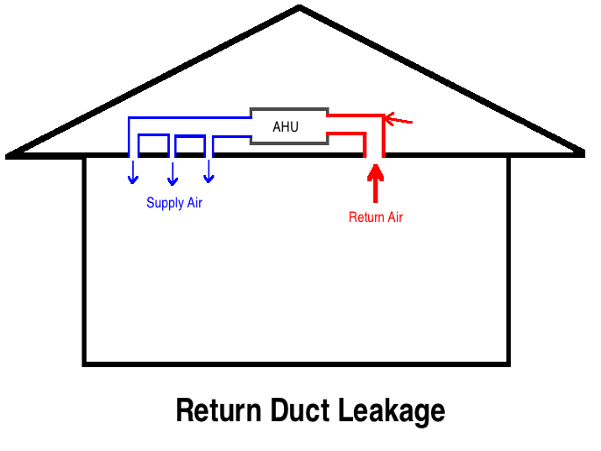
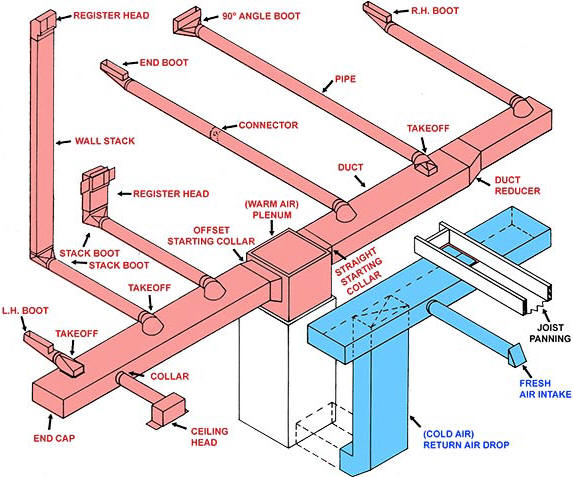
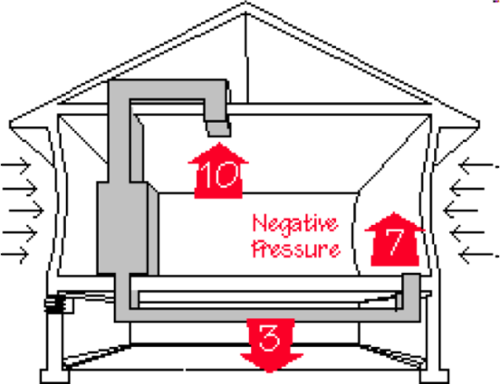
Common technician concerns:
- Higher static pressure → Overworks blower fan (core component pushing air through ducts).
- Whistling → Air forces through tiny gaps in closed vents (registers rarely seal perfectly).



The Test Setup
The creator uses a digital manometer to measure total external static pressure (in inches of water column, or "in. w.c."):
- Ideal: ≤0.5 in. w.c. (per most furnace specs).
- Probes placed:
- One after filter/near blower (return side).
- One before evaporator coil/after burners (supply side).
- Test conditions: Heat on, all vents open first (baseline).
Baseline (all vents open): ~0.57 in. w.c. (slightly high but typical; no major issues).
Then:
- Closed half the house's vents (one "floor" equivalent): Rose to ~0.63–0.65 in. w.c.
- Swapped (other half closed): Similar minor increase (~0.62).
- All closed: Peaked around 0.69–0.70 in. w.c.
Result: Only a small rise (~0.1–0.13 in. w.c.), staying under levels that would cause immediate harm in this system.
Conclusion from the Test
In this home, closing vents had minimal impact on static pressure—nowhere near catastrophic. The myth that it dramatically shortens blower life or destroys the system is busted here. Whistling can occur, but pressure concerns seem overstated for moderate closing.
Broader Context and Caveats
Experts generally advise against fully closing vents:
- It can increase pressure enough in poorly designed/older systems to strain components, cause leaks, freeze coils (AC mode), or crack heat exchangers.
- Doesn't truly save energy—system works harder overall.
- Partial closing (50–75%) or seasonal adjustments might be safer.
This test was on one modern-ish system; results vary by duct design, leaks, filter condition, and blower type (e.g., variable-speed motors handle pressure better). Extreme closing (most vents shut) could still cause problems.
Better Solutions for Unbalanced Systems
- Redesign ducts — Expensive but ideal (proper balancing).
- Install in-duct dampers — Professional valves to control branches without full vent closure.
- Zoned systems/mini-splits — Independent control for areas (e.g., upstairs/downstairs).
- Supplemental units — Window AC, space heaters, or ductless mini-splits for problem zones.
A practical, evidence-based challenge to conventional HVAC wisdom—closing a few vents likely won't destroy your system, but it's not the best long-term fix for imbalance. Great for DIYers curious about real-world effects! (Approx. 10-minute read.)
Building a DIY Weldless Double-Wide Shipping Container Home: Step-by-Step Guide
This video from The Container Guy (TCG.ca) demonstrates transforming two 40ft high-cube shipping containers into a spacious 16ft wide x 40ft long structure using their revised weldless Double-Wide Header Kit (now pallet-sized for easy shipping). It's designed for homes, garages, or warehouses—fully engineered, bolt-on/rivet-based to avoid welding pitfalls. The build focuses on structural integrity, insulation prep, and professional finishing.


:max_bytes(150000):strip_icc()/rising-sun-shipping-container-home-uncontained-dreams-17-9f31cd4485974a139d2a4d1335350d90.jpg)
:max_bytes(150000):strip_icc()/rising-sun-shipping-container-home-uncontained-dreams-7-1f92d5f8e08042f0bf91726412f248f7.jpg)
Choosing and Prepping Containers
- Opt for one-trip (new-ish) high-cube containers → Minimal rust/dents; select removable walls with flaws.
- Avoid ones with fork pockets (weaken floor structure).
- Walls provide primary strength—removing one risks roof/floor sag.
- Reinforcement: Weld 5x3x1/4" angle iron into bottom C-channels (chamfered for fit); add flat bar for seamless floor transition.
- Grind paint before welding; underside spray foam scheduled (shop airs out 24+ hours post-application).



The Weldless Double-Wide Header Kit
- Components: Structural corrugations (span support), Z/J profiles (fasten to container), 60mm tubing, ridge/end caps.
- Assembly: Rivet 4ft sections (looser at start for alignment); overlap seams to prevent differential sagging.
- Tips: Grind rogue factory welds; apply zinc spray for corrosion protection; generous silicone sealant between layers for waterproofing.
- Hardware: Structural rivets + thread-cutting bolts (power rivet gun essential).


Cutting Sidewalls and Joining Containers
- Best tool: Angle grinder with thin 6" cut-off wheels (cleaner than plasma/torch).
- Safety: Leave bottom/top tabs to hinge wall outward (prevents falls).
- Joining: High-capacity bridge fittings (twist-lock, pry-bar tightened); come-alongs/forklifts for alignment.
- Floor: Stitch-weld flat bar between reinforced C-channels (minimal heat to avoid warping thin walls ~1.6mm).
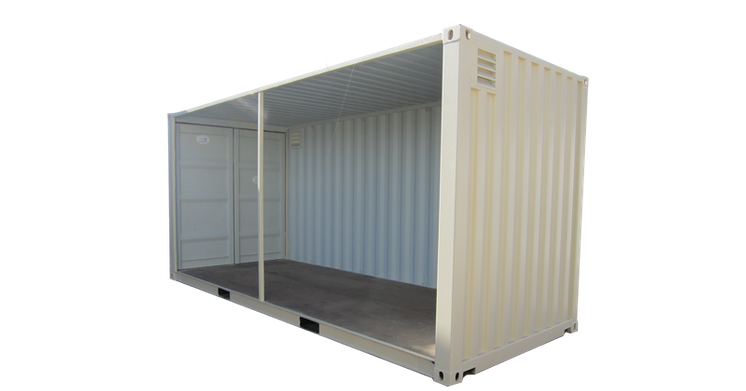


Framing, Insulation, and Finishing
- New method: Strut channels (base/upper sides/roof) with laser-cut strapping for parallel framing.
- Cross-struts pinned to header tubing; spray foam locks everything rigid (reduces roof bounce/snow load issues).
- Insulation: Closed-cell spray foam (2" walls R-14, 3" ceiling R-20; underside or rigid floor boards).
- Floor trick: Rigid foam + subfloor tucked for full vapor barrier.
- Interior: Steel studs with TCG brackets (composite for no thermal bridging in cold climates).
- Doors: Flashing kits frame active doors into "pillars" for insulation/sealing.
- Roof recommendation: Add pitched 2x4/steel roof with gable venting.
- Interior panels: Truss Core for clean white finish.

Key Takeaways and Pro Tips
- Spray foam is essential: Acts as structure, airtight seal, vapor barrier, and high R-value.
- Minimize heat/welding on thin walls to prevent distortion.
- Retain some corrugations at corners for gusseting.
- Delivery hack: Ship as one wide-load unit (cheaper than two separate).
- Challenges: Active doors are tricky; bolt-on kits simplify modifications.
The result is a bright, open 16x40ft space—far more livable than single containers. The team iterates designs (e.g., future LVL headers) and plans their own double-wide build. Ideal for DIYers seeking weld-free, engineered solutions. Check TCG.ca for kits. (Approx. 10-minute read.)
Reviving a Burned Auction Dump Truck: Surprise Cummins 8.3L Engine Starts After a Year
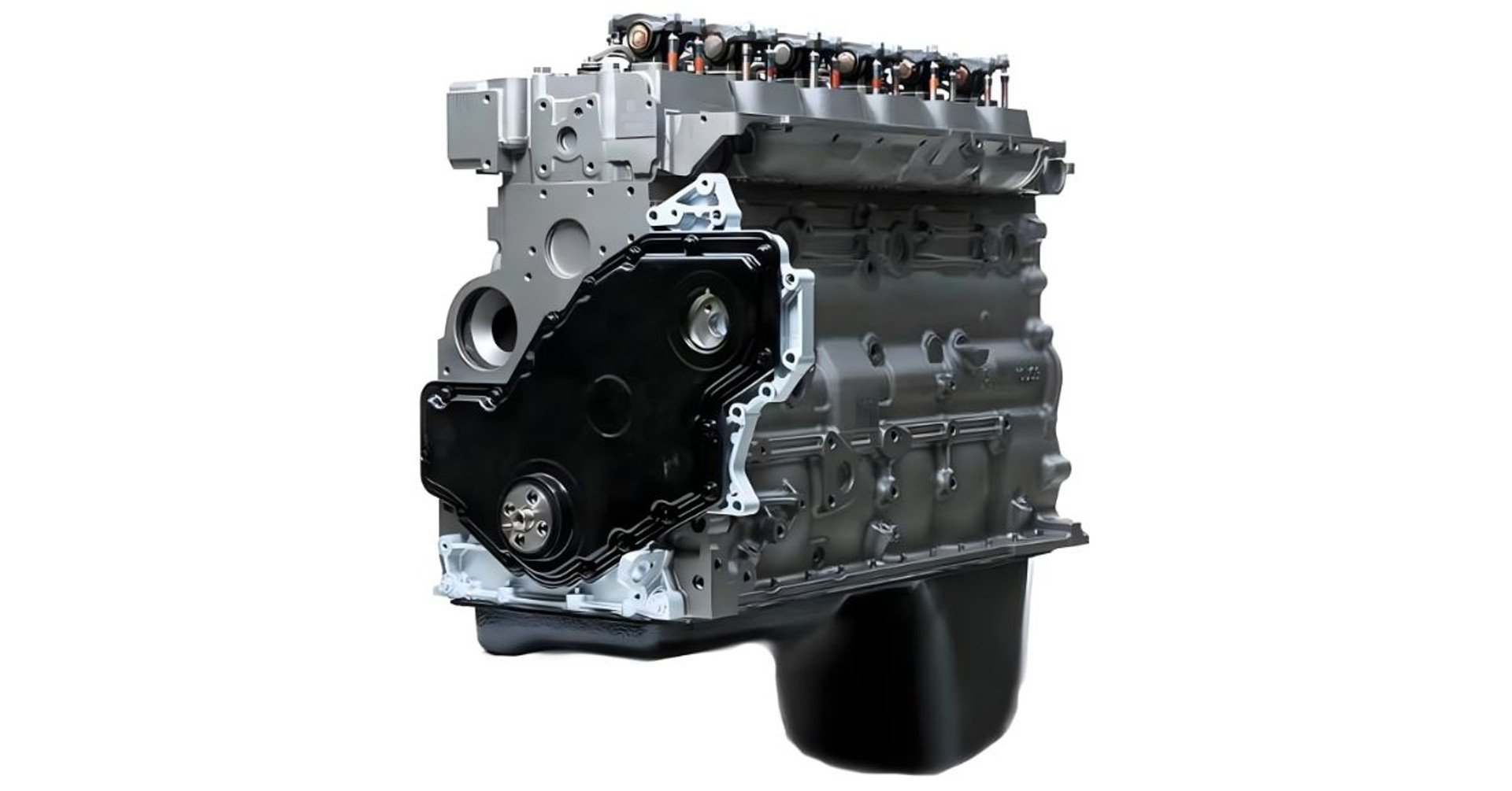
This multi-day YouTube adventure (likely from a channel like Stein Fab or similar diesel enthusiast) follows the creator attempting to start a fire-damaged Ford F800 dump truck bought at auction a year ago. What starts as a quick check turns into a hilarious revelation: It's not the expected Cummins 5.9L 12-valve (6BT), but a larger Cummins 8.3L ISC (6CT/6CTA) with a mechanical P-pump—still highly desirable for its reliability and alternative fuel potential (e.g., veggie oil).


The Truck's Backstory and Fire Damage
- Bought sight-unseen (hood mostly closed) assuming a common 5.9L 12-valve due to the P-pump.
- Theory: Tire sidewall blew (patched area visible), hit guardrail (bent bumper), winch/plow wiring arced → fire ("thermal event").
- Stored outdoors for a year; heavy melt damage to hood, oil fill, fuel lines/filter, wiring, air filter, radiator/intercooler/AC condenser.
- Special setup: Front crankshaft PTO for snow plow hydraulic pump (rare, driveshaft disconnected).


Day 1: Initial Attempts and Big Discovery
- Turbo has play (heat/exposure); engine turns by hand but feels rough.
- Improvised starting: Jump packs on massive starter (initially suspected 24V system—it's 12V dual-battery).
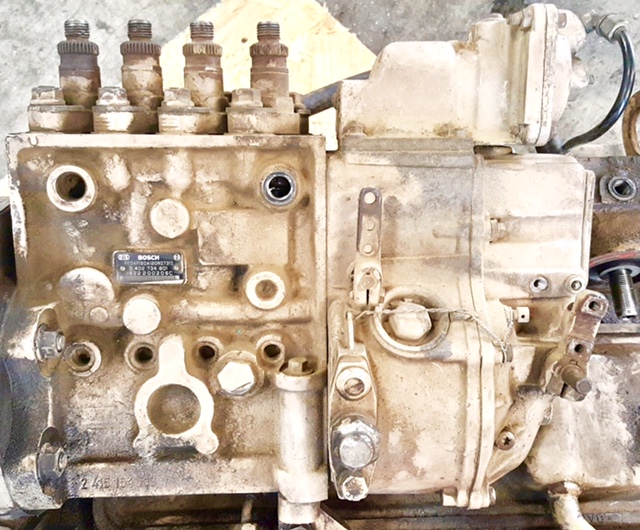
- Realization: One-piece valve cover + "Ford" marking → Not 12-valve 5.9L, but 8.3L C-series (likely mechanical injection pre-24V ISC).
- Key differences spotted: Higher turbo mount, larger overall size, P7100 pump.
- Struggles: Weak cranking, suspected lockup from front PTO; remove front end (radiator pack) for access.
- Call it a day—plan better tools/batteries.



Day 3 (2 Days Later): Success with Batteries and Starter Fluid
- Returns with three Group 24 batteries (~$350), borescope (intake looks clean, minor rust).
- Rig custom starter signal wire; hardware mismatches force improvisation (buy nuts/washers).
- Cranks weakly at first (boiling batteries? Undercharged?); adds jump packs.
- Fuel system melted → Direct starter fluid into intake.

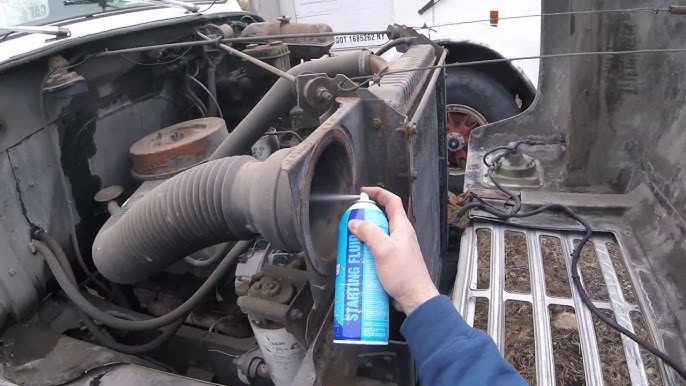
It fires up! Rough run (tapping/knocking—possible starter fluid detonation or low oil pressure from melted lines leaking).
- No visible rod knock/hole in block; oil leaking from damaged line.
- Engine confirmed good (wet-sleeve design = easy in-frame rebuild).
Engine Comparison and Future Plans
- 8.3L vs. 5.9L: Larger (47" long vs. 40", 45" tall vs. 38", ~500lbs heavier); more power potential but harder swap into Dodge trucks (creator's tow rig has a 5.9L).
- Pros: Mechanical P-pump (reliable, runs alternative fuels); valuable (crate versions sell for $20k+).
- Truck issues: Cab heavily damaged (melted plastics/wiring inside); plow setup adds complexity.
- Options debated: Pull/sell engine, full rebuild + cab gut/swap, or scrap.
Classic impulsive auction revival—comedy from mistakes (wrong engine ID, tools/batteries mishaps, wild dog attack), but satisfying payoff with a running rare diesel. Viewer input requested: Rebuild as rollback/plow truck or part out? Entertaining diesel chaos! (Approx. 10-minute read.)
Acrylic: The Versatile Transparent Polymer Shaping the Modern World
Acrylic, scientifically known as polymethyl methacrylate (PMMA), is a synthetic polymer often overlooked despite its ubiquity. Far beyond clear sheets, paints, or nails, it's a family of materials prized for optical clarity, lightness, durability, and versatility—quietly enhancing everyday life in windows, signs, art, and more.



Key Properties: Clarity Meets Toughness
Acrylic transmits up to 92% of light (more than glass) while being half the weight and far more impact-resistant. Dropped glass shatters sharply; acrylic cracks into dull pieces—ideal for safety applications like barriers, shields, and airplane windows.
It resists UV radiation (no yellowing/brittleness outdoors), moisture, and many chemicals, outlasting alternatives in harsh conditions. These traits stem from long polymer chains formed by linking methyl methacrylate molecules.
Historical Rise: From Lab to WWII Hero
Chemists developed acrylic in the 1920s–1930s as a superior synthetic. WWII accelerated adoption: Lightweight, strong, transparent acrylic formed cockpit canopies, gun turrets, and observation windows on aircraft—critical for aviation.
Post-war, it surged into civilian uses: Architecture (skylights), signage, lighting, furniture, and consumer goods. Mass production, molding, coloring, and shaping fueled modern design in the mid-20th century.

Forms and Manufacturing Variations
- Cast acrylic — Poured into molds for superior optical clarity and surface quality; used in premium displays, aquariums, and architectural elements.
- Extruded acrylic — Pushed through dies for uniform, affordable sheets; suited for signs and industrial panels.
.webp)


Other forms include fibers, resins, coatings, and paints—sharing the same chemical base but tailored for diverse needs.
Everyday and Specialized Applications
- Safety/Visibility → Aquariums, greenhouses, marine windows, protective barriers.
- Outdoor Durability → Signage, skylights (UV/moisture resistance).



- Design/Aesthetics → Modern furniture, retail displays (clean lines, polishability via cutting, bending, laser-cutting).



- Art → Acrylic paints (pigment in polymer emulsion) dry fast, mimic watercolors/oils, become water-resistant; solvent-free and flexible.



Limitations and Trade-Offs
Scratches easier than glass; can crack under extreme stress; pricier than polycarbonate/PVC. Choose wisely—leverage strengths (clarity, weather resistance) and avoid weaknesses.
Acrylic exemplifies 20th-century chemistry: Transforming basic molecules into a premium, innovative material defining modern visibility, design, and creativity. From WWII skies to contemporary art and architecture, its "invisible" presence is profoundly impactful. (Approx. 10-minute read.)
Retirement Reality Check: Why the Median $185–200k Isn't Enough—and How to Beat It Easily
Many assume a typical retiree has around $1 million saved, fueled by headlines about early retirees and high earners. But federal data (Federal Reserve Survey of Consumer Finances, latest 2022–2023) paints a different picture: The median retirement account balance (401(k)s, IRAs, etc.) for ages 55–64 is ~$185,000, and ~$200,000 for 65–74. Averages are higher (~$500k+), skewed by wealthy outliers—focus on the median for the "typical" experience.
This gap matters for younger adults (18–35): The current median is the baseline to exceed with consistent habits.



Myth vs. Reality: Why Perceptions Are Off
- Guesses skew high — Street interviews yield $500k–$1M+ due to viral success stories.
- Confusion with total net worth — Includes home equity (illiquid—not for groceries/bills).
- Retirement accounts only — Dedicated buckets (not brokerage/savings/house value).
- Average vs. median — Outliers inflate averages; median = true middle.
What $200k Really Provides: The Stress Test
Using the classic 4% safe withdrawal rule (conservative, inflation-adjusted for 30 years):
- 4% of $200k = $8,000/year (~$667/month).
Aggressive portfolios might support ~8% ($16k/year, ~$1,333/month), but with higher risk (sequence of returns—bad early markets hurt more).
Real costs erode this:
- Medicare Part B/drugs: Hundreds/month.
- Housing, utilities, food, transport: Easily $2k–$3k+ lean.
- Inflation (2–3%+): Doubles costs over decades; healthcare rises faster.
Social Security bridges the gap: Average ~$2,000/month per person (2025 figures ~$1,960–$2,009 for retired workers). Couples: ~$4,000–$5,000 combined.
Total median household income: ~$3,200–$5,300/month (SS heavy-lifting + portfolio edges). Covers basics but tight for surprises/travel/upgrades.



Why Medians Stay Low: Behavioral Traps
Decades of earnings, yet balances stall due to:
- Fear pauses → Sell low in crashes (dot-com/2008 scars), miss rebounds.
- Low/inconsistent saving → National rate ~5%; life expenses squeeze retirement contributions.
- Lifestyle creep/delays → Upgrades, debt erode potential.
- Cash hoarding → Feels safe but inflation erodes.
- Education gaps → Missed matches, high fees, no compounding knowledge.
Simple Path to Beat the Median
Consistency + time = outsized results via compounding (earnings on earnings).
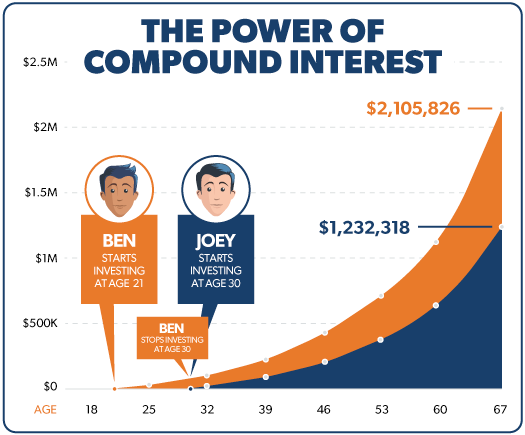
From age 30–65 (broad index funds, ~7–10% historical returns):
- $120/month (~$4/day) → ~$200k (matches median).
- $300/month → ~$500k.
- $500/month → ~$800k+.
Automate: Paycheck transfers, full employer match ("free money"), annual 1% increases.
Start later? Raise monthly (~$500–700 from 40 still builds strong base).
Power Move: Delay Claiming/Withdrawals
At 62 with $200k: Work part-time/trim budget 5–7 years—no draws.
- Growth: ~6–10% annual → $268k–$400k+.
- Delay SS to 70: Benefit up ~8%/year past full retirement age (higher guaranteed income, less portfolio strain).
Hybrid: Part-time covers basics + modest contributions.
The bar to above-median is low—small, automated habits + patience outperform most. Start/restart today: Consistency turns modest dollars into security. (Approx. 10-minute read.)
DIY Perfectly Flat Concrete Pad for Generators, AC Units, or Hot Tubs: Step-by-Step Guide
Pouring a small concrete pad (e.g., for a standby generator, outdoor AC condenser, or hot tub) doesn't require pro skills or fancy tools—just basic planning, a rented mixer, and patience for proper curing. This video walks through creating a 4ft x 25in pad in Ottawa (harsh freeze-thaw climate), emphasizing level, flat results that last.
Planning and Sizing
- Determine size/clearances: Check local codes (e.g., generator ≥5ft from gas meter, ≥18in from wall). Measure equipment footprint + margins.
- Location challenges: Pad partially over existing stone/hardscape and dirt—different moisture absorption risks uneven drying/cracking.
- Frame choice: Use 2x6 forms (not 2x4) on sloped/uneven ground for extra depth mercy and future decorative stone fill underneath (separates organics from concrete).
Step 1: Build and Level the Form
- Oversize frame slightly (easier than precise cuts).
- Level with gravel base over dirt (prevents moisture wicking; optional 6-mil poly vapor barrier for extra protection).
- Spray forms with WD-40 (or oil) to prevent sticking.
Step 2: Reinforcement (Essential in Freeze-Thaw Climates)
- Rebar grid: 16in on-center (overkill but cheap strength—$10 extra for massive load capacity).
- Elevate on rocks (middle of slab, not bottom).
- Secure with zip ties (quick, reliable).
Step 3: Rent a Mixer ($100/day)
- Mixes 2 bags at a time—saves huge effort vs. wheelbarrow.
- Ideal mix: ~½ gallon water per 80lb bag (adjust for conditions—aim for slump, not soupy).
- Clean rental thoroughly (avoid fees).
Step 4: Pour and Vibrate
- Overfill form.
- Vibrate (rented concrete vibrator) to settle mix, remove air pockets, and level.
Step 5: Screed for Flatness
- Use straight 2x board to screed excess (overpouring ensures material for low spots).
Step 6: Finishing (Timing Critical)
- Wait ~30–60min for surface water ("bleed") to evaporate (thumbprint test: firm, slight indent).
- Edge all sides (rounded tool for safety/no chipping).
- Float/trowel for smoothness (hand magnesium float for small pads; rent bull float for larger).
- Broom finish (non-slip texture) when ready—pull broom lightly in one direction.
Step 7: Curing and Form Removal
- Protect from rain/sun (tent if needed).
- Strip forms next day (unscrew—WD-40 prevents sticking).
- Soften sharp edges with hammer/rubbing.
- Optional: Landscape fabric + decorative stone for clean look/weed control.
Key Tips for Success
- Morning pours → Better control drying (shade/slower cure).
- Overkill strength → Cheap insurance in cold climates.
- Mixer > hand mixing for consistency (no dry/wet spots).
- Patience → Rushing finishing causes poor results.
- Regional variations (e.g., deeper frost footings) may apply—check local codes.
Result: Professional-level flat, level, durable pad ready for heavy equipment. Affordable DIY with rented tools—perfect for generators, hot tubs, or sheds. (Approx. 10-minute read.)
Flipping a $1,800 Auction 1999 Mercedes-Benz E430: From Impulse Buy to Hard Lesson
This YouTube car-flipping video (likely from a dealer-focused channel) chronicles the creator's impulsive purchase of a 1999 Mercedes-Benz E430 at a dealer auction for $1,800 (+ $315 fees/transport = $2,115 total). What starts as excitement over a clean-looking luxury sedan turns into a prolonged headache as it sits unsold for over a month, forcing repeated price drops.
The Impulse Buy and Initial Inspection
- Creator bids without thorough pre-check (only ~30 seconds to view), swayed by excellent body condition (no major dents/dings) and clean interior for a 26-year-old car.
- Mechanic (Alex) skeptical—usually handles buys and skipped this one.
- Engine bay looks pristine; oil/coolant full and clean.
- Starts roughly but runs strong; smooth drive, working AC, power windows, no overheating or major noises after test drive.
Minor Fixes and Prep
- Issues found: "Lamp defective" warning → missing brake light bulb ($8.55 for pack).
- State inspection (NC safety only for 20+ year-old cars): Passes easily ($13.60).
- Professional wash/detail (~$50).
- Total invested: $2,187.15.
Pricing and Sales Struggle
- Initial asking: $3,500 (target ~$1,300 profit "home run").
- Strategy: Start high; drop $500 every 2 weeks if low interest.
- After 2 weeks (one test drive, no sale): $3,000.
- After another 2 weeks: $2,500.
- Finally sells quickly at $2,500 (after just 2 days).
Profit/Loss Breakdown
- Sold for $2,500.
- Net profit: ~$313 (minus minor unlisted costs like time/fuel).
- Frustrations: Sat ~6+ weeks total; repeated repricing, sticker removal hassles, delayed video release.
- Lesson: Luxury/older European cars (even clean) can be harder sells than reliable "boring" options (e.g., Camry/Accord). Impulse buys without full inspection risk slow turnover.
A cautionary tale of auction excitement vs. real-world resale—clean classics look appealing but may not move fast. Creator learned to stick to proven flips for content and profit. (Approx. 10-minute read.)
The Long Island Sound Crossing: 70 Years of Impossible Dreams and Political Roadblocks
The Long Island Sound—a 14-mile waterway separating Long Island (NY) from Connecticut—remains one of America's most glaring infrastructure gaps. For 3 million Long Islanders (larger than 15 U.S. states), traveling to New England means either a costly 75-minute ferry ($150+ round-trip) or a 3-hour crawl through NYC's congested bridges. Proposals for a bridge, tunnel, or hybrid have surfaced since the 1950s, with designs ready and engineering proven. Yet, as of December 2025, nothing's built. Costs have ballooned to $55 billion, dwarfing similar projects elsewhere. Why? A mix of environmental concerns, local opposition, and hidden economic incentives. This deep dive explores the history, challenges, and potential paths forward.

The Isolation Problem: Why a Crossing Is Desperately Needed
Long Island's geography isolates it: All roads lead through NYC via bottlenecks like the Throgs Neck and Whitestone Bridges (400,000+ vehicles/day). Rush-hour trips to CT (20 miles straight-line) take hours. Ferries are slow and expensive.
Worse: Evacuation risks. During Hurricane Sandy (2012), jammed highways trapped thousands; over 40 died in NY. Projections warn Category 4 storms will hit the Northeast by 2040—millions face the same single escape route.
Economically, the gap stunts growth: Long Island remains NYC's "bedroom," while central CT lags without easy access to NY wealth.


A Century of Failed Proposals
The idea dates to 1938 (Sen. Royal Copeland's 18-mile bridge), but Robert Moses—NY's master builder (Verrazano, Triborough)—pushed a 6-mile Oyster Bay-Rye span in 1955 (~$800M today). Opposition killed it by 1973.
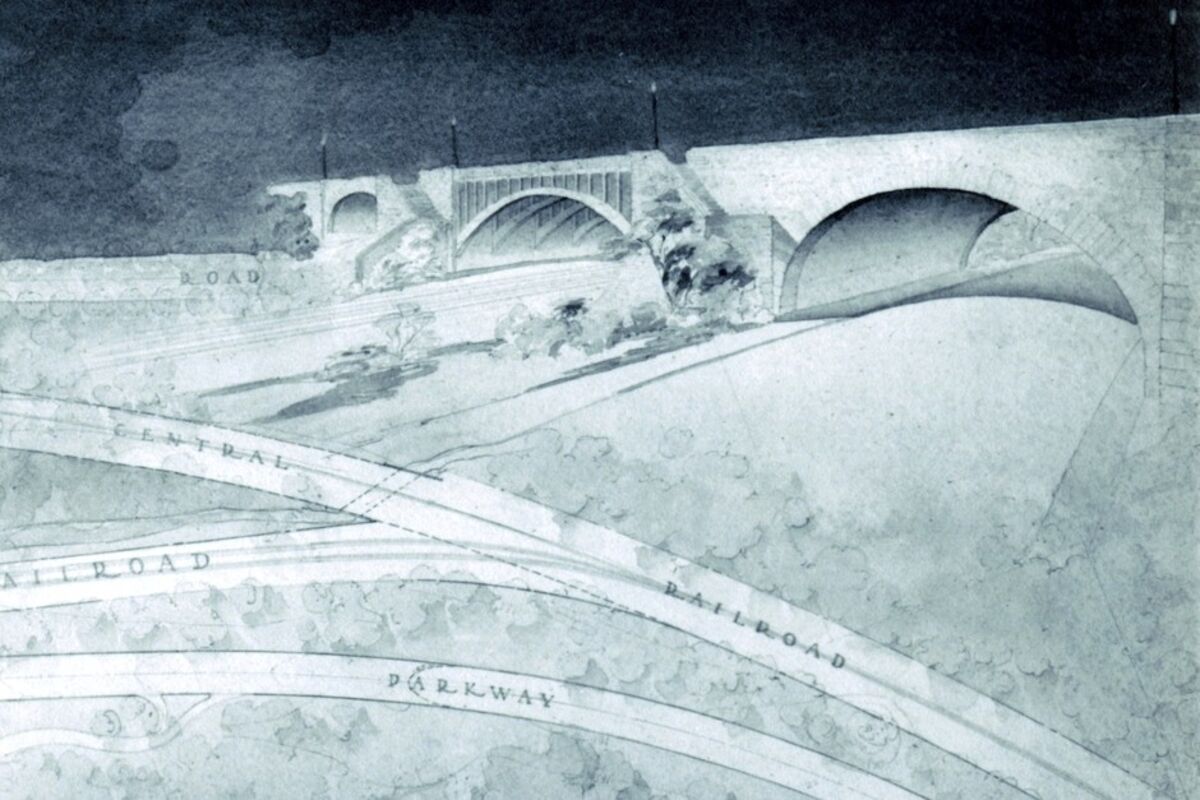
Revivals followed: 1970s multi-bridge (~$1.4B), 2008 private tunnel ($10–13B). In 2017, WSP's study (for NY/CT) deemed it feasible but pricey:
- All-bridge: 6 lanes, 340m towers (~$16.5B).
- All-tunnel: Twin bores, deeper/longer than Channel Tunnel (~$55B+).
- Hybrid (bridge-tunnel-bridge): Like Chesapeake Bay; preserves shipping (~$35–40B).
Despite readiness, nothing advanced.


Why It Keeps Failing: More Than Just Costs
- Environment: Sound cleanup cost $4B over 40 years; dredging/pile-driving disrupts ecosystems/fish.
- Communities: CT's "Gold Coast" (million-dollar homes) opposes views/traffic; Long Island villages fear becoming rest stops. 2018 hearings united foes.
- Politics/Revenue: CT Gov. Ned Lamont (Oct 2025): "Supremely expensive"—no funding. NY vague. Hidden motive? MTA tolls from existing bridges generate $2.3B/year ($1.2B from Long Islanders). A crossing diverts 60% traffic → $700M/year loss ($21–35B over 30–50 years). NYC-focused projects (e.g., $11B East Side Access) prioritize Manhattan inflow.
From 2025 updates: Developer Steven Shapiro revives a $50B Bridgeport-Long Island bridge, pitching Trump directly. Lamont rejects; experts call it a "white elephant."



Success Stories: What Long Island Lacks
- Chesapeake Bay Bridge-Tunnel (VA, 1964): 23 miles (60% longer), harsher conditions, $200M (~$2B today)—17x cheaper per mile. Paid bonds in 15 years; carries 4M vehicles/year; $757M expansion underway.
- Verrazano-Narrows (NY, 1964): Moses's project overcame opposition via independent authority (bond issuance, land condemnation). Opened on time/budget; now 200k vehicles/day.
Key: Dedicated authorities override locals; federal backing accelerates.




Paths Forward: Three Viable Options
- Federal Push: Shapiro's 2025 pitch to Trump—designate as national priority for funding/approvals. Groundbreaking possible by 2027 if prioritized.
- Bi-State Authority: Like Chesapeake—independent entity to build/finance, bypassing local vetoes.
- Rail Tunnel Alternative: 16-mile rail link (LIRR to Metro-North/Shoreline East) for $15–25B (half highway cost). Cuts LI-Boston time from 5–6 hours to 2.5. Modern TBMs (e.g., Crossrail) make it feasible; avoids surface disruption.
Challenges: U.S. rail megaprojects (e.g., CA High-Speed Rail: $33B → $100B+) erode confidence.
As of Dec 2025, Shapiro's federal angle is most active, but political windows close fast.

Conclusion: Politics Over Feasibility?
The crossing could ease congestion, boost economies, and save lives—but entrenched interests (tolls, NIMBYism) stall it. If built, a hybrid or rail tunnel makes sense. Highway or rail first? Rail prioritizes sustainability/transit; highway, immediate traffic relief. As climate threats grow, inaction is a deliberate failure. (Approx. 10-minute read.)
Importing Canada's First MaxiPrinter 3D Concrete Printer: A $1M Bet on Revolutionizing Construction
In this episode of Construction Disruption (hosted by Jeff, likely Jeff Morissette from Norseman Construction), the team takes a massive leap to combat the housing crisis: Purchasing and importing the MaxiPrinter from Constructions-3D (France)—Canada's first mobile large-scale concrete 3D printer (~$823k + shipping/customs, nearing $1M total). The goal: Slash costs/time for a planned six-story apartment building (traditional: $14M/3 years → aim: half each) without sacrificing quality.



Why 3D Printing Disrupts Traditional Construction
Traditional methods: Sequential trades (foundation → framing → wiring/plumbing → insulation/drywall) → slow, expensive, messy, labor-intensive (10+ people/days per wall).
MaxiPrinter advantages:
- 2 operators + machine → walls in hours.
- Less waste/labor/time.
- Hollow walls (zigzag/honeycomb internals) → strong, insulated, material-efficient.
- Continuous "toothpaste" extrusion → seamless layers.
In cold climates like Canada (Ottawa extremes), benefits amplify: Faster builds reduce weather delays; efficient insulation fights heat loss.



Convincing the Team and Financing
- Brother Kevin skeptical: "$1M? Out of your mind!"
- Justification: First in Canada; enables scalable, affordable housing.
- Financing: Bridge loan via Printterra (Canadian partner) + bank backing.
Design Optimization for 3D Printing
Traditional plans won't work—must "3D-printable-ize":
- CAD to BIM: Convert 2D → solid 3D model (seal gaps).
- Toothpaste rule: Continuous paths, rounded corners (no sharp stops/starts).
- Reinforcement: Hollow walls with patterns; conduits for electrical/plumbing.
- Overhangs: Arched windows or lintels.
- Slicing: Software layers model → robot path.
Shipping, Customs, and Unboxing
- Ships in container (major waterway → faster initial transit).
- Delays: 6 weeks shipping + 3 weeks customs (unknown classification).
- Unboxing excitement: Organized parts, fire suppression, accessories (paint, sensors, cleaning balls).
- Assembly: Hopper, pump, counterweights—mobile/foldable "scorpion" design (deploys ~15–30min).
Challenges and First Print
- Power mismatch: Europe 240V → North America 120V conversion needed.
- Trial run: Donuts on platform; successful maiden Canadian print (historic moment!).
- Teaser: Zoning battles loom for six-story project.
The MaxiPrinter promises fewer trades, less waste, faster/cheaper builds—key to addressing Canada's housing shortage. Next: Regulatory hurdles. A bold, inspiring step into construction's future! (Approx. 10-minute read.)
Buying and Reviving an Abandoned Detroit Car Factory: Top 9 FAQs Answered
At 34, Andy Didorosi bought a massive abandoned car factory in Detroit—a bold move sparking endless questions. In this transparent Q&A video, he shares his journey, mistakes, and realities to inspire (or caution) viewers. From financing to unfinished projects, here's the scoop on turning a derelict 100,000+ sq ft space into a hub for buses, inventions, and community.
Q1: How Did You Buy a Car Factory?
It's like buying a house—but bigger and riskier. Andy spotted a "For Sale" sign while touring a nearby dilapidated Hines building ($200k, but too wrecked for quick move-in). The factory, a former auto parts plant, caught his eye. He connected brokers (friends) and negotiated.
Process: Initial visits, inspections, environmental checks (phase 1: paperwork fail common for industrials; phase 2: core samples, ground-penetrating radar for rumored oil tank—none found). Doubts delayed, but keys arrived February 2021 after ~1 year.
Cost: $700k ($200k down, $500k seller-financed land contract—10-year amortization, 5-year balloon). Seller removed $80k+ copper wiring post-inspection—lesson: Monitor between closing and possession.
Environmental scrutiny was slowest: Old sites often toxic, but this wasn't (no hazardous production).
Q2: Do You Ever Finish a Project?
Mostly yes, but big ones drag due to priorities. Main focus: Detroit Bus Company (DBC), a 13-year-old social-benefit operation providing school rides for kids (post-8th grade, no public transit in Detroit—many drop out). Handles routes, after-school programs; fleet management eats time.
Side projects (Battlegate, truck) slow when DBC needs him. Volunteers (half-dozen consistent guys weekly) help hugely. Past: Tried broader volunteers—got stalkers, now gun-shy. Solution: Hire full-timers in 2026.
Optimistic: 2026 boosts for Senpai robot and open-source truck.
Q3: Will the Battlegate Ever Be Done?
Yes—almost there. Origin: Break-ins stole catalytic converters/batteries; van rammed gate (damaged but held). Andy built a massive 40ft x 8ft "Battlegate" from donated materials.
Status: Fabricated, waiting install. Stuck on affordable movement (super heavy; $4–6k tracks too pricey). Ground froze—spring thaw needed for posts. Temporary old gate works okay.
Q4: Do You Have Daddy's Money?
No—self-made from humble roots. Parents: Mom (Kmart cashier), Dad (Big Boy janitor). Family of four in grandparents' one-bedroom (beds Tetris-stacked) until age 8. Grandparents: Detroit Diesel payroll (grandpa), GM secretary (grandma)—auto family legacy.
Start: Flipped auction cars at 16 (friend bid—underage). $200–300 buys, fix/clean/sell on Craigslist. Compared to $4.25/hr busboy job—entrepreneurship won.
Pivot: Equipment (less picky than cars—intrinsic value). Big break: Farmer Jack grocery liquidation—helped sell million sq ft warehouse stock (slicers, racking, forklifts) for 1/3 cut.
Growth: Hired friends (then real employees); scaled slowly over decade. Saved $600–700/month for down payments. No investors/partners—just bootstrapped.
Q5: (Implied) Expenses at the Factory?
Mortgage: ~$5,300/month (10-year amortization). Utilities: ~$1,800/month averaged (summer low electric; winter $6–7k heat). Insurance: ~$2,400/month (high due to no sprinklers/condition). Drainage fee: ~$1,800/month (based on building size—flood-prone area; drone/satellite measured). Taxes: ~$24k/year (uncapped post-purchase—jumped from $2k under prior owners).
Total: High but feasible for Walmart-sized space.
Q6: Did You Encounter a Siberian Tiger in the Abandoned Packard Plant?
Yes—Google it. (Real story: Loose tiger during urban exploration; dramatic but true.)
Q7: What Are You Going to Make at the Factory?
A small, modular urban/land truck—like Japan's Kei trucks. Affordable, customizable, easy-to-repair (not modern complexity). For cities, small farms (e.g., haul kids on back 40)—not highway hauling.
Inspired by Model T: Simple (frame rails + engine/seat), mobility for all. New U.S. category—tough/affordable gap filler.
Risk: Could flop like early DBC route ($5 all-day—lost money). But must try; teased for years.
Q8: How Much Did You Pay for the Car Factory?
$700k total ($200k down, $500k seller-financed land contract—10-year AM, 5-year balloon). Banks wary (young buyer, old factory); seller financing bridged.
Q9: (Implied Wrap-Up) Lessons and Transparency
Andy's goal: Share openly so others learn (what not to do). Factory revival: Slow grind, optimism key. Link this video for repeat questions—back to work!
A raw, inspiring tale of grit, from flipping cars to owning a factory—proving big dreams build slowly without silver spoons. (Approx. 10-minute read.)
Exploring Karakalpakstan: Uzbekistan's Forgotten Autonomous Republic
In this travel vlog, British adventurer Michael (likely "Bald and Bankrupt" style) explores Karakalpakstan (often misspelled "Caracal Pakistan" in subtitles)—an autonomous republic in western Uzbekistan that's larger than England but rarely appears on maps or in history lessons. Once on the cusp of becoming its own Soviet republic, it retains unique rights: its own parliament, flag, and legal secession option. Michael journeys from capital Nukus to former capital Turtkul (now "Turtkul" or similar), hitchhiking, training, and connecting with locals in this remote, post-Soviet region.
Historical Context: Almost a Nation
- Early Soviet era: Karakalpakstan was an autonomous region under Russia, developing toward full republic status (like Kazakhstan/Kyrgyzstan).
- 1936: Stalin redrew borders, folding it into Uzbekistan—ending independence dreams.
- Today: Semi-autonomous with cultural/political distinctions, but economically tied to Uzbekistan. Isolated, rural, and overlooked.
Journey from Nukus to Turtkul
- Nukus (current capital): Modern-ish, with taxis everywhere (80–90% of cars).
- Hitchhiking fails → Takes train (cheap ~$1.68 for 3 hours).
- Onboard: Meets polite English students practicing fencing (contrasts UK youth culture).
- Turtkul (former capital): Abandoned by Soviets due to flooding from unpredictable Amu Darya River. Old city gone; rebuilt as sleepy town.
Encounters and Local Life
- Hotel check-in: Meets world-record holder for smashing cans/soda on head (51 Coke/Pepsi); another invites to U.S. slap-fighting league (Dana White's Power Slap?).
- Wanders "hood"—funfair, youths, dive bars.
- Solo vodka + cheeseburger dinner: Notes vodka as everyday Uzbek life.
Next day:
- Meets Murad (blacksmith)—visits rural village 20km away.
- Family legacy: 4 generations blacksmiths (100+ years). Murad (20s) passionate; grandfather Sardor reflects on changes.
- Warm hospitality: Fresh bread, tea, pride in handmade tools.
- Village scenes: Noisy blacksmithing, rural winter beauty.
Other highlights:
- Train antics: Oversized bag, crowded "cattle class."
- Random kindness: Locals guide lost tourist; athletes demonstrate.
Reflections and Message
Michael marvels at genuine hospitality—contrasting global perceptions of remote regions. Ends urging kindness: To immigrants, homeless, strangers—"The world would be awesome" if everyone matched locals' warmth.
A heartfelt, off-the-beaten-path adventure showcasing forgotten post-Soviet life, proud traditions, and universal human connection. Karakalpakstan: Isolated but welcoming—proof travel's magic lies in people. (Approx. 10-minute read.)
The Hidden Cost of Wasted Dollars: What Your Past Spending Could Have Become
This motivational finance video delivers a sobering wake-up call: Most people unknowingly "waste" thousands of dollars throughout their teens, 20s, and 30s on non-essential spending—money that, if invested early, could compound into life-changing wealth. The message isn't to induce regret but to highlight the power of starting now. By redirecting future dollars from waste to investment, anyone can still build substantial security.
The Core Idea: Every Wasted Dollar Has a "Shadow" Future Value
- Left path: Spend → Dollar gone forever.
- Right path: Invest → Dollar grows via compounding (8–10% average annual returns assumed, e.g., broad stock market).
The video traces typical spending patterns by age, showing how small wastes accumulate—and how their missed growth hurts most when time is longest (youth).
Teenage Years (14–18): Innocuous Waste, Massive Missed Opportunity
- Typical: $10–20/week on snacks, games, clothes ($500–1,000/year; ~$4,000 over 4 years).
- Impact: Feels harmless; money "replaceable."
- Reality: Invested at 14–18, even modest amounts multiply dramatically over 25–30+ years.
- Shadow cost: Tiny wastes become tens of thousands by 40s.
Early 20s (18–25): Freedom Fuels Bigger Waste
- New temptations: Coffee runs, nights out, phones, subscriptions, impulse buys.
- Mindset: "Unlimited time" → Delay investing ("later").
- Typical waste: Several thousand/year → $20k–50k+ by mid-20s.
- Pain point: Longest compounding runway lost. $5k–10k wasted at 21 could be $50k–100k+ by 40–50.
Mid-to-Late 20s (25–30): Lifestyle Creep Accelerates Leakage
- Higher income → "Deserve nicer things": Furniture, travel, upgrades, dining/delivery.
- Waste scales: Often $20k–50k+ total mid-20s.
- Justification: "Can afford it" masks growing leak.
- Compounding window still wide—wasted dollars here sting deeply in hindsight.
30s: Stability Hides Bigger Waste
- Income peaks → Expenses/lifestyle inflate (nicer everything, payments).
- Waste in larger chunks; less guilt.
- Clock accelerates: Less time for growth, but higher amounts lost.
35–40: The "Reveal" Moment
- Discomfort emerges: Worked decades, yet savings low.
- Backward math: Add wasted amounts → Realize $100k+ squandered since teens.
- Invested instead (conservative $5k/year ages 20–40): Could be $200k–300k+ by 40 (8–10% returns).
- Pain: Not just money gone—future security (house down payment, retirement) vanished.
The Brutal Truth: Time Is the Irreplaceable Ingredient
- Early dollars compound longest → Small teen wastes = large adult shadows.
- Later waste hurts via sheer volume + shorter growth horizon.
- Average person: Wasted enough (conservatively) for $100k–300k+ portfolio by 40 if invested.
Hope: You're Not Too Late—Future Dollars Still Count
- Past gone; future open.
- Compounding works forward too—start today.
- Simple shift: Redirect "waste" (subscriptions, upgrades, conveniences) to investments.
- Even late starters (30s/40s) build meaningful wealth with consistency.
Actionable Takeaway
Stop wasting → Start investing now. Automate transfers, cut non-essentials, let compounding work. The next decade can outperform the last—awareness + action turns regret into momentum.
Disclaimer echoed: Not financial advice; results depend on individual actions/markets.
A powerful reminder: Wealth isn't just earning—it's capturing dollars and giving them time to grow. Redirect today; future self thanks you. (Approx. 10-minute read.)
Top 10 Most Ridiculous Ways People Have Wasted Money
This countdown video hilariously exposes absurd, overpriced products and trends where consumers paid premium for little-to-no real value—often driven by hype, status, or scams. From digital flexes to fake luxury, these highlight how marketing turns ordinary (or nothing) into "must-haves."
#10: "I Am Rich" App (2008)
A $999.99 iPhone app displaying a red gem and "I am rich. I deserv it." (misspelled). Did nothing else—no features, no utility.
Eight people bought it ($5,600 profit for developer Armin Heinrich before Apple removed it after one day). Claimed as "art" commenting on wealth display. Two "accidental" buys (no confirmation prompt). Ultimate useless flex—couldn't even show off easily on a $1k phone.



#9: Renting Fake Private Jets
Instagram influencers pose in warehouse studios mimicking luxury jets ($50–$500/hour). Plush seats, fake windows/sunlight, pro photographers for "rich" angles.
Real jet owners rent grounded planes for shoots. Pure illusion—paying to pretend wealth, like empty designer bags.

#8: Truffle Oil
Most contain zero truffles—olive oil + synthetic chemical (2,4-dithiapentane) mimicking aroma.
Real truffles: Rare, expensive ($thousands/lb), earthy flavor. Oil: Harsh fake smell (Gordon Ramsay hates it). Restaurants charge premium for "truffle" fries—basically chemical spray.


#7: Gold-Covered Food
$2,000+ steaks/desserts dusted in edible gold leaf (tasteless, undigested—pooped out).
Gold costs restaurant ~$2–6; ultra-thin (1/100,000th human hair). Some use fake copper-based leaf. Expensive glitter for status.



#6: High-End Audio Cables
$10k+ cables claim "quantum" improvements. Blind tests: Indistinguishable from coat hangers.
Myths: "Break-in" time (100+ hours), directional flow. Electricity doesn't care—hype over science.


#5: Moon Land Certificates
$99+ "deeds" for lunar acres (some include Mars/Venus).
Outer Space Treaty bans ownership (nations or individuals). Dennis Hope's "loophole" sales since 1980: 611M acres (~Argentina size). Worthless paper.


#4: NFTs
Digital receipts for images anyone can copy. Peak: $69M Beeple; $2.9M Jack Dorsey tweet (now ~$132).
95% worthless; links often break (404 errors). Expensive screenshots—hype crash.


#3: Beanie Babies (1990s Craze)
Stuffed toys hyped via "retirements" for scarcity. Peak: $10k+ each; divorces over collections.
Creator Ty Warner billionaire; most now <$5 (Princess Diana bear: thousands → pocket change). Loans/mortgages skipped for plush—bubble burst.


#2: Juicero (2010s)
$700 Wi-Fi juicer ($120M funded) squeezed proprietary packets.
Bloomberg: Hand-squeezing faster/same juice. Needed internet (QR expiration check). Shut down after 16 months—overengineered failure.



#1: Supreme Brick (2016)
Regular clay brick with Supreme logo—sold $30, resold thousands ($285/lb peak).
No utility—too expensive for building, boring for display. Ultimate hype product: Pet rock 2.0.



A fun roast of hype-driven waste—status symbols that deliver zero real value. Beware marketing turning ordinary into "exclusive"! (Approx. 10-minute read.)
7 Proven Side Hustles Making Young People $100k+/Year: Replicate Their Success
This motivational video shares a millionaire's key advice: Don't reinvent success—study and copy proven patterns. Instead of chasing revolutionary ideas, the host highlights seven real side hustles where young people earn $100k+ annually. Each is rated (1–5) on learning time, startup money, and difficulty reaching $10k/month. Free in-depth courses (via Wealth Portal link) from featured hustlers provide blueprints.
Core Principle
Success comes from replicating what works. Small, consistent actions compound—like investing wasted dollars (past regret) into future growth.
#1: eBay Reselling (Kai Towers)
From dead-end job/orphaned youth, turned $400 → $317k/year selling gaming accessories (thumbsticks, memory cards).
Why it works: eBay pivoted to niches (collectibles, vintage, refurbished)—Q2 2025 revenue $2.7B (+6% YoY). Loyal buyers prefer eBay.
Ratings:
- Learn: 1/5 (1 month mastering platform/niche).
- Money: 1/5 (Start selling household items → build feedback/capital).
- $10k/month: 2.5/5 (Scale with reinvested profits; competitive pricing key).
#2: Brand Deal Flipping (Suehit Amin)
Diagnosed with cancer at 16; used hospital time to connect influencers/brands. Now $4M+/year with Ubisoft, Netflix, Sidemen, Logan Paul.
Why booming: Streaming shift—YouTube tops TV viewership (12.5% vs. Netflix 7.5%, May 2025). Brands chase creators.
Middleman model: Like Airbnb/Uber—convenience for influencers (focus on content).
Ratings:
- Learn: 2/5 (Understand creators + brands).
- Money: 1/5 (Laptop + outreach).
- $10k/month: 2/5 (One brand/5 influencers @ $7k deals, 30% cut = achievable).
#3: Video Editing (Tom Ras)
Uni student escaped debt by learning editing → $100k+ profit/year for Coca-Cola, Nintendo, Gymshark.
Demand: Video = 82.5% internet traffic—businesses need engaging content.
AI myth: Handles basics; can't evoke emotion/innovate—human editors irreplaceable.
Ratings:
- Learn: 3/5 (Master basics: cuts, pacing, storytelling).
- Money: 1/5 (Decent laptop suffices).
- $10k/month: 3/5 (Build portfolio with small jobs → high-paying clients).
#4: Branded Dropshipping (Jimmy Barlow)
Broke student → $40k/month profit.
Evolution: Old dropshipping fragile (low margins, issues). Branded: Build trust/website → premium pricing ($80 vs. $30 item), lower refunds.
Ratings:
- Learn: 4/5 (Months to profitability—test/scale).
- Money: 1/5 (No inventory upfront).
- $10k/month: 2/5 (~13–14 sales/day @ $25 profit).
#5: Brand Identity Design (Jack Watson)
Hated accounting → self-taught → $10k/project (full logo/colors/fonts/style packages).
Market: $9.5B (2024) → $40B by 2032. Governments spend big (UK Gov redesign: $650k).
Ratings:
- Learn: 4/5 (Time-intensive mastery).
- Money: 1/5 (Laptop only).
- $10k/month: 2/5 (4 clients @ $2.5k or 1 @ $10k).
#6: Short-Form Content Strategy (Noah Briley)
Student studied virality → $100k+ before 18 helping businesses/creators.
Attention economy: TikTok users open app 20x/day, 90min average. Help locals (gyms, shops) grow.
Charge: Flat fee + view bonus (incentivizes virality).
Ratings:
- Learn: 1/5 (Days for basics; analyze/create daily).
- Money: 1/5 (Phone).
- $10k/month: 3/5 (Viral hits scale fast).
#7: Investing (Host's Own)
Built businesses → investing yields $17k+/week passive.
Why essential: Money works for you. Start small/fractional shares.
Ratings:
- Learn: 4/5 (Basics easy; stock-picking advanced).
- Money: 1/5 ($1+ via apps).
- $10k/month: 4/5 (Years to scale, then passive).
Final Message
Don't chase "big ideas"—copy proven paths. All featured hustlers offer free 3+ hour blueprints (limited-time Wealth Portal). Start small, stay consistent—riches in niches and replication. (Approx. 10-minute read.)
The Colosseum: Rome's Ultimate Propaganda Machine and Mind Control Device
The Colosseum wasn't just an arena—it was the ancient world's most sophisticated psychological tool, designed to control 50,000 spectators' emotions while solving Rome's greatest political crisis: managing a million poor, unemployed, restless citizens in the capital. Built on the ruins of Emperor Nero's despised private lake, it symbolized generosity over tyranny and became the empire's enduring legacy—shaping how we still remember Rome today.
From Nero's Lake to Public Spectacle
After the Great Fire of 64 CE, Nero seized central Rome for his opulent Domus Aurea ("Golden House"), including an artificial lake—a tone-deaf display that fueled rebellion. Nero fled and died by suicide.
New Emperor Vespasian (69–79 CE) drained the lake, using spoils and enslaved labor from the Judean War to build the Flavian Amphitheater (Colosseum) on the site. Message: Enemies build Rome's glory; the arena belongs to the people.
Completed in <10 years; inaugurated by Titus (80 CE) with 100 days of games—beasts, gladiators, naval battles (naumachiae). Free entry unified classes in awe.
Engineering Marvel and Hidden Mechanisms
- Size: ~2 football fields long, nearly Statue of Liberty tall (50,000 capacity).
- Hypogeum: Two-level underground labyrinth (added ~10 years post-opening)—80+ elevators (pulley/capstan-operated) summoned animals, gladiators, scenery from darkness.
- Magic-like effects: Forests "grew," beasts appeared, arena flooded for battles.
- Velarium (awning): Shaded spectators, enclosed atmosphere.
Elliptical shape (not circle) created tension via dual focal points—narrative flow for drama.
Bread and Circuses: Controlling the Masses
Rome's million+ citizens: 25–40% unemployed males on grain dole (annona). Cramped, fire-prone apartments; precarious food supply → riots.
Solution: Panem et circenses ("bread and games"). Free grain + spectacles distracted, unified, instilled gratitude/loyalty.
Daily urban design primed awe: Arena rerouted city flow, sat in natural bowl (unfolds dramatically), replaced Nero's tyranny with public gift.
Hierarchy Embedded in Architecture
- 80 arched entrances (vomitoria) funneled crowds efficiently.
- Segregated seating: Emperor/elites (ground/marble cushions), citizens (stone tiers), slaves/women (top).
- Facade: Stacked Greek orders (Doric base—strength; Ionic middle—grace; Corinthian top—grandeur) = social metaphor.
Roman identity celebrated order—laws dictated seating, marriage, even colors (purple for elites).
The Downfall: Addiction to Spectacle
Empire funded by expansion (spoils/tribute). When growth stalled, costs (army, grain, games) unsustainable.
Emperors escalated spectacles amid crises:
- Commodus: Fought personally during fiscal woes.
- Caracalla: Devalued currency, executed rich for funds.
Marcus Aurelius (philosopher-emperor) cut games for civic needs—hated as "un-Roman."
Spectacle addicted leaders and masses—distraction over solutions accelerated collapse.
Modern Parallels and Legacy
Colosseum's power: Turned blood into unity, fear into loyalty. Invisible system (labor, logistics, hierarchy) enabled "supernatural" effects.
Today: Digital "Colosseums" (social media, news) manipulate emotions—fear/entertainment over policy.
Rome's enduring image (conquest, grandeur) is deliberate propaganda—via Colosseum's legacy in culture/film.
Why men "think about Roman Empire"? Macho spectacle endures; we romanticize the arena, not the underlying fragility.
A brilliant exploration: The Colosseum wasn't entertainment—it was engineered control, ultimately dooming the empire it unified. (Approx. 10-minute read.)
Scaling a $1.7M Family Trophy Business: Alex Hormozi's Tactical Overhaul
Cody Schulson runs Trophy Outlet, a 40-year-old family business (3rd generation) generating $1.72M revenue but only ~$110k profit (6.4% margins). Products: Personalized trophies/awards (e.g., "GOAT" plaques, gag gifts like "Head Mofo in Charge"). Goal: Double to $3.5M for 4th/5th-generation legacy.
Alex Hormozi (Acquisition.com, built/sold physical products company) analyzes: Low margins from poor pricing; untapped advertising/repeat business. Focus: Consolidation, pricing tests, media mastery (TikTok/SEO/PPC), offers/email nurture. Prioritizes ICE (Impact, Confidence, Ease) for quick wins.
Business Breakdown
- Customers: Coaches/event organizers (leagues, corporate), businesses, gag gift buyers (e.g., vulgar/funny plaques).
- Channels: Website/SEO/Facebook ads ($530k), Amazon ($300k), Etsy, TikTok Shop ($270k—mostly Dec viral video, 13k orders).
- Operations: In-house personalization/fulfillment; 1 retail + 1 production location (retail ~$150k revenue, break-even/loss).
- Metrics: 40% gross margins (varies); LTV $133, CAC $11.90 (11:1 blended); 2.8% conversion; AOV ~$20–130 (TikTok low).
- Repeat: ~50% website/internal (leagues/events); gag gifts one-off.
- Challenges: Marketing hurdles; high COGS; no structured pricing (guessing/competitor checks + cost-plus).
Alex spots opportunities: Made-to-order (low inventory risk); viral potential in gags; strong LTV:CAC; untapped repeats.
Strategy 1: Consolidation (High ICE)
- Shut losing retail: ~$50k/year rent savings → +50% profit. Consolidate staff (keep top performers).
- Focus model: Choose path—B2B leagues (stable, recurring) vs. DTC gag gifts (scalable, viral).
- Cody picks DTC gags: Faster growth (e.g., $10M potential via TikTok mastery).
- Why? Eliminates drag; frees focus for high-ROI media.
Strategy 2: Pricing Tests (High Impact, Low Effort)
- Shift from cost-plus (adds margin to costs—limits profits) to value-based (willingness to pay—unlimited upside).
- Tactics:
- Monthly 5–6% increases (doubles profit fast).
- A/B tests on high-velocity items (80/20 rule—focus top sellers).
- Gag gifts: Less price-sensitive (fun/impulse)—push 25%+ hikes.
- Elasticity test: Raise until sales drop, optimize gross profit x units (often higher than feared).
- Potential: 6% bump on "boring" trophies doubles profit; gags could 4–5x.
Strategy 3: Media Mastery (Scalability Lever)
- SEO: Max out (50% revenue, 13:1 LTV:CAC)—triple focus (backlinks/articles). Add Google Ads (own terms + long-tail).
- PPC: Intent-based; low-hanging fruit (10–20% boost).
- TikTok/Organic: Triple posts (1→3/day)—trends/memes/skits (gags viral-friendly). Repurpose to IG.
- Influencers: TikTok Shop auto-lists; pay for skits mimicking winners.
- Ads: Boost viral content; iterations feed loop (content → influencers → more content).
Strategy 4: Repeat Business/Offers (Free Money)
- In-box offers: BOGO (buy 1, get 2–3 free)—price first item to cover. QR code + top gag gifts.
- Email/SMS: 10k list untapped (mature e-com: 30–50% revenue from email).
- Flows: Behavior-based (abandoned cart, product views—5-email sequences).
- Nurture: 1x/week (value: recognition/status tips; text-only for deliverability; link images for curiosity).
- Remarketing: Social ads to site visitors.
- Potential: $1.5M+ from repeats (currently accidental).
Overall Plan & Prioritization
- 9-Step Roadmap (ICE-ordered):
- Consolidate locations (+50% profit).
- Pricing tests (2–5x profit).
- SEO max-out (+50% revenue?).
- PPC setup (10–20% boost).
- TikTok mastery (1→3 posts/day; $10M potential).
- Influencers (viral loop).
- In-box offers (repeat sales).
- Email flows (behavioral).
- Long-term nurture (1x/week value emails).
Simple, executable—focus DTC gags for speed/scalability. If executed, $3.5M achievable; $10M via TikTok possible.
Broader Lessons
- Businesses scale via focus (cut non-essentials).
- Pricing: Test aggressively—biggest low-drag profit lever.
- Media: Double down on winners (organic + ads).
- Repeats: Treat first sale as acquisition; nurture lifetime value.
- Free Scaling Roadmap: Bot customizes 10-step plan across 8 functions (link provided).
A tactical masterclass—proves simple tweaks unlock massive growth. Cody's legacy business now poised for explosion! (Approx. 10-minute read.)
From Waste to "Black Gold": The Remarkable Recycling of Tires into Rubberized Asphalt
Every year, the world discards over 1.5 billion tires—a volume so massive it creates "dark oceans" of stockpiles visible from space. Tires decompose extremely slowly (up to 4,000 years), leaching toxins and serving as mosquito breeding grounds. Once notorious pollution hotspots, discarded tires are now "urban ore," transformed into rubberized asphalt—a multi-billion-dollar industry making roads more durable, quieter, and eco-friendly. This closed-loop process reuses up to 10,000 tires per kilometer of road, reducing waste and emissions while outperforming traditional asphalt.
Step 1: Collection and Initial Handling
Worn tires (unsafe tread/elasticity) are gathered from garages, scrap yards, and centers via specialized trucks on fixed routes—preventing outdoor storage (rainwater traps breed insects).
Risk: Uncollected tires contaminate soil/groundwater with chemicals/heavy metals.
Step 2: Steel Bead Removal
First obstacle: Embedded steel reinforcement (bead) for rim locking.
Hydraulic machines generate massive force to extract ~2kg high-quality carbon steel per heavy-duty tire (twists/deforms rubber violently).
Steel recycled at metallurgical plants; tire carcass now flexible for shredding.
Step 3: Washing and Shredding
- High-pressure wash removes mud/oil/gravel (protects equipment).
- Primary shredding: Low-speed, high-torque blades cut into inch-sized pieces (minimizes heat/sticking).
- Secondary grinding: Further reduces size; fractures/separates remaining steel (magnetic recovery).
Step 4: Granulation and Classification
Output: Crumb rubber (controlled sizes, e.g., 0.5–2mm for asphalt).
Multi-stage screening recirculates oversized pieces; air separators remove dust.
Result: Clean, uniform granules—ready for asphalt integration.
Step 5: Drying, Heating, and Bitumen Blending
- Drying drum: Rotating cylinder + hot air (200–260°F) removes moisture/dust; activates surface for bonding.
- Blending: Crumb rubber (10–20% ratio) mixed with hot bitumen (320–375°F) for 30–60 minutes.
- Rubber swells/absorbs oils → higher viscosity, elasticity, crack resistance.
- Stabilizers prevent separation; monitored for homogeneity.
Benefits vs. traditional asphalt:
- More durable (heavy loads/temperature swings).
- Reduces noise (~6 dB).
- Longer lifespan, fewer repairs.
Step 6: Paving and Compaction
Hot rubberized asphalt loaded into preheated trucks → paver hopper → even distribution (1.5–3in thickness).
Vibratory + pneumatic rollers compact while hot (>180°F for bonding).
Reopens to traffic in hours—smoother, longer-lasting surface.
Step 7: End-of-Life Recycling (Closed Loop)
Worn rubberized asphalt reclaimed as RAP (reclaimed asphalt pavement).
- Removal: Excavators pry slabs.
- Crushing/screening: Separates aggregates/bitumen; magnets remove debris.
- Reprocessed (100–300 tons/hour) → reused in new mixes (30–40% RAP common).
Infinite recyclability—tires → roads → new roads.
Why It Matters: From Pollution to "Black Gold"
- Environmental: Diverts billions of tires from landfills/stockpiles; cuts emissions (less virgin material).
- Performance: Elastic, crack-resistant, quieter.
- Economic: Multi-billion industry; sustainable infrastructure.
Tires exemplify circular economy: Once "waste," now essential for resilient roads. Value lies in reuse, not disposal—reshaping how we view discarded materials. (Approx. 10-minute read.)
Patton's Impossible Advance: "Good God, He's Already There"
In August 1944, General George S. Patton's Third Army achieved one of history's fastest sustained military advances—covering over 600 miles in 30 days, liberating hundreds of towns, capturing 100,000+ prisoners, and disrupting dozens of German divisions with remarkably low Allied casualties. Starting from the Operation Cobra breakout in Normandy, Patton's relentless speed turned a potential stalemate into a rout, reaching the German border months ahead of schedule. Eisenhower's stunned reaction—"Good God, he's already there"—captured the disbelief at Patton defying every rule of warfare.
The Setup: Normandy Bottleneck (July 1944)
After D-Day (June 6), Allies bogged down in Normandy's hedgerows—progress yards, not miles; high casualties against skilled German defense.
Operation Cobra (July 25–31): Massive bombing + armored assault smashes hole in German lines. First Army advances; Third Army (Patton) activates, tasked with exploiting breakthrough.
Patton doesn't wait: Attacks immediately—"Keep moving." No consolidation, no organized supplies. Siphon captured German fuel/ammo; abandon non-essentials.
Result: Germans in chaos—can't track/respond to Patton's pace.
The Race to Brittany (July 31–August 4)
Goal: Secure Brittany Peninsula (ports, territory).
Patton surges: 20 miles Day 1 → 30 Day 2 → 40 Day 3.
Captures Avranches (key gateway) before Germans reinforce. Brittany opens.
Fuel crisis looms: Supplies can't keep up. Patton: Reduce non-combat use; capture enemy depots. "Logistics by improvisation."
August 4: Message to Eisenhower—Brittany objectives secured in 4 days (expected weeks). Requests advance "as far as fuel allows."
Eisenhower (shocked): "Good God, he's already there."
The Pivot East (August 6–10)
Instead of securing ports, Patton pivots 90° east toward Paris/Germany—logistically "insane" mid-advance.
Maneuver works via determination/improvisation. Surges toward Le Mans, Seine River.
German reaction: Alarm—western flank exposed. Can't defend everywhere; fall back. Patton becomes "nightmare"—unpredictable "ghost."
Eisenhower's Dilemma
Patton outruns strategy/supplies; flanks exposed.
Montgomery/Bradley urge halt (risk counterattack).
Patton: Germans broken—48-hour window; delay lets recovery.
Eisenhower: Grants advance priority but warns sustainability.
Fuel Crisis and Forced Halt (August 19–25)
Third Army crosses Seine weeks early; nears Rhine/German border.
Runs dry: Tanks halt (no fuel, not resistance).
Patton begs priority (even divert from Montgomery). Eisenhower denies—favors Monty's plan.
Patton furious: Improvises scavenging; privately laments delay costs lives/war prolongation.
Historical Verdict
Fastest modern advance: Faster than Hannibal/Napoleon.
German generals postwar: "Couldn't handle Patton"—appeared unpredictably, attacked unexpectedly.
Key: Speed as protection—fast army slips behind lines before reaction.
Patton's philosophy: Risk tactical overextension for strategic gain; refuse "impossible."
Legacy: Proved bold speed can shatter enemies—ended war potential months earlier (debated: Fuel priority might've reached Germany 1944).
A masterclass in audacity: Patton didn't follow doctrine—he rewrote outcomes. "Good God, he's already there" immortalizes the general always ahead. (Approx. 10-minute read.)
Rule #1 for Building Wealth: Be Selfish (The Right Way)
In this straightforward personal finance video, Kenyan creator Joseph (likely a financial coach/advisor) shares his top rule for wealth-building: Be selfish—with your time, resources, and associations. It's not about hoarding or ignoring charity, but prioritizing growth over endless consumption and handouts. Drawing from experience (clients, family stories), he warns: Unmanaged "help" drains wealth; true empowerment requires boundaries.
Core Message: Selfishness as Discipline
"Be selfish" means delay gratification and protect what builds your future:
- Selfish with yourself: Resist impulse buys (gadgets, clothes, outings) that feel good now but rob future compounding.
- Selfish with time: Limit availability. Not everyone deserves instant access—prioritize "OQP" (Only Quality People) who add value (inspiration, knowledge, growth).
- Selfish with resources: Share wisely. Kindness without wisdom enables dependency.
Quote: "God stops growth where there is no management." Help tangibly (e.g., business startup) but ensure recipients show responsibility—otherwise, it's wasted.
Avoid People with "Money Problems"
Not the poor—those who mismanage money (chronic borrowers, emergency pleas, consumerism mindset).
- Signs: Can't budget salary/income; see money as "to consume," not a tool. Live beyond means, expect bailouts.
- Danger: They drag you down. "If they can't manage their money, who told you they'll manage yours?"
- Consumerism trap: Treat income as product (spend for joy/status)—common in high-consumption cultures (e.g., U.S. vs. high-saving China).
- Real stories: Client deported from U.S.—family/friends he supported turned critical ("wasted money partying"). Another: Helped relatives repeatedly; they relapsed into bad habits.
Key: Empower forward (next generation). "You cannot create wealth in backwardness." Handouts often fail—recipients lack "no alternative" drive (C-students succeed via hustle; A-students rely on grades).
Biblical Balance: Help with Wisdom
- Bible encourages aid (e.g., feed hungry beyond prayer).
- But: Empower self-sufficiency. Starting businesses for irresponsible people often fails—they know "backup" exists.
Practical Advice
- Invest wasted dollars: Past spending (teens/20s impulses) could've compounded massively.
- Boundaries: Don't broadcast success—invites entitlement ("my right").
- True help: Teach management; support those showing effort.
Joseph (advisor) urges: Protect time/resources fiercely. Wealth starts with disciplined selfishness—then generous empowerment. Subscribe for investment tips; contact via description. Direct, no-nonsense wisdom for sustainable wealth. (Approx. 10-minute read.)
Total War: Warhammer III – Skaven Unit Tier List (Legendary/Very Hard Campaign)
In this tier list video, host Legend of Total War ranks the Skaven roster for Legendary difficulty / Very Hard battle (no mods, campaign-focused). Skaven evolved from his most-hated to favorite race—super fun, strong (not top-tier like Dark Elves/High Elves), but lopsided: Many trash/doomstacks; few mid-tier. Tiers: S (Doomstack), A, B, C, Trash (0).
Organized by: Melee Infantry, Missile Infantry, Weapons Teams, Monsters, War Machines. Emphasis: Skaven excel at speed/ambush/missile/artillery; melee weak (low leadership vulnerable to -4 VH penalty). Use stalkers/summons for cannon fodder over standing trash.
Melee Infantry (Mostly Trash – Avoid Standing Armies)
Skaven melee unreliable (low leadership/routes fast); better as summons (Packmaster/Throt).
| Unit | Tier | Notes |
|---|---|---|
| Skaven Slaves | Trash | Cannon fodder only; no damage; upkeep nerfed. |
| Clan Rats (all variants: shields/spears) | Trash | Slightly better slaves; same role; high upkeep for no value. |
| Storm Vermin | Trash | Armored slaves; routes fast; siege garrison ok. |
| Plague Monks (standard/Censer Bearers) | Trash | Minor damage; unreliable vs. melee. |
| Death Runners | C | Anti-infantry ambushers; stalk shines. |
| Ashen Triads | C | Anti-large ambushers; stalk key. |
| Warp-Grinders | B | AoE damage/quake; anti-cav; siege good. |
Missile Infantry (Mid-Tier Gems)
Focus: Fire-while-moving/stalk for hit-run.
| Unit | Tier | Notes |
|---|---|---|
| Skaven Slave Slingers | C | Basic ranged; upkeep nerf hurts; early ok. |
| Night Runners (Sling) | C | Longer range; no move-fire. |
| Night Runners | B | Move-fire; fast; snipe lords; stalk. |
| Gutter Runners | A | Excellent; stalk/net/poison; ambush kings. |
| Gutter Runners (Poison) | A | Slows chasers; Tier 4 but worth it. |
| Gutter Runners (Sling/Poison) | B | Good AP/range; no move-fire limits. |
Weapons Teams (Skaven Strength – Doomstack Heaven)
Spammable; Clan Skryre boosts (ammo/range/reload).
| Unit | Tier | Notes |
|---|---|---|
| Warpfire Thrower | A | Long-range flamer; shreds infantry (beats Dwarven Iron Drakes). |
| Poison Wind Globadiers | A | AoE bombs; anti-armor. |
| Rattling Gun | S | Highest DPS; endless ammo (Skryre); vs. everything. |
| Jezzails | S | Sniper anti-large/lords; shielded. |
| Poison Wind Mortars | S | Best anti-infantry; Avalanche Mortars (RoR) god-tier (500–800 kills/battle). |
Monsters (Hit-Run Focus)
Speed > tankiness.
| Unit | Tier | Notes |
|---|---|---|
| Wolf Rats (Poison) | Trash | Low leadership; summons only (Packmaster). |
| Rat Ogres | Trash | Poor stats/mass; easy missile target. |
| Brood Horrors | S | Fastest ground monster; regen/AP; hit-run kings. |
| Mutant Rat Ogres | B | Jump damage; ok but no regen/speed. |
| Hell Pit Abominations | B | Regen/tank; size hurts (stuck/easy target). |
War Machines (Artillery Doomstack)
Skaven artillery dominates.
| Unit | Tier | Notes |
|---|---|---|
| Doom-Flayers | B | Chariot-like; frontline hold (small/fast). |
| Doomwheel | C | Anti-infantry; big/slow; underwhelming. |
| Plagueclaw Catapult | S | Best catapult; massive AoE/leadership damage. |
| Warp Lightning Cannon | S | Anti-large shredder; reliable DPS. |
Playstyle & Roster Notes
- Strengths: Speed/stalk/missile/artillery; ambush/doomstack (Rattlings/Jezzails/Mortars/Brood Horrors).
- Weaknesses: Melee trash (leadership penalty kills); micro-heavy.
- Doomstack Army: Weapons teams (Rattlings/Jezzails/Mortars) + Brood Horrors + summons.
- Host's Love: Fun despite lopsidedness; Clan Skryre/Moulder shine.
Corrections welcome (e.g., prior Lizardmen errors). Next: Empire/Dwarfs? Skaven: Play as Skaven—ambush/artillery crushes. (Approx. 10-minute read.)
Popular Home Styles: Pros, Cons, Renovations, and Resale Value
Real estate agent Jackie Baker breaks down the most common U.S. home styles (from Homes.com's top 19), focusing on features, renovation feasibility, maintenance/energy efficiency, and resale appeal. Goal: Help buyers (first-timers, families, retirees) choose wisely. Styles ranked by popularity; modular homes included due to frequent questions.
1. Colonial
Iconic symmetrical design: Centered door, balanced windows, shutters/dormers, classic facade.
Features: 2 stories—bedrooms upstairs, living downstairs. Traditional: Separate rooms (dining, living, kitchen, den) for privacy/functionality. Some modernized to open plans.
Renovations/Additions: Excellent "good bones" (durable older construction)—easy back additions.
Maintenance/Efficiency: Solid build; varies by age.
Resale: High—broad appeal (timeless, wide buyer pool); sells quickly/profitably.
Best for: Families wanting separation/privacy; strong investment.
2. Cape Cod
Compact, charming New England classic—smaller footprint.
Features: Often 1.5 stories (dormers); bedrooms split floors. Simple, cozy layout.
Renovations/Additions: Feasible but limited by size.
Maintenance/Efficiency: Low cost/energy bills (small); durable (built for harsh winters—thick walls, steep roofs).
Resale: Strong—ideal starter homes (affordable) + downsizers/retirees (potential main-floor bedroom).
Best for: First-time buyers, retirees; budget-conscious.
3. Ranch (Single-Story)
Practical one-level living—everything on ground floor.
Features: Open floor plans common; convenient layout.
Renovations/Additions: Very easy (e.g., garage/family room extensions; some add second story → colonial hybrid).
Maintenance/Efficiency: Cost-effective heating/cooling (single level).
Resale: Excellent—huge demand from young families (same-floor kids) + aging-in-place retirees.
Best for: Accessibility-focused (no stairs); families/retirees.
4. Contemporary/Modern
Clean lines, minimal ornamentation, expansive feel.
Features: Open plans, large/floor-to-ceiling windows (natural light), airy/spacious.
Renovations/Additions: Interior reconfig flexible; exterior additions trickier (maintain aesthetic).
Maintenance/Efficiency: Durable materials (metal, concrete, engineered wood); low upkeep, energy-efficient designs.
Resale: Good but narrower—appeals to younger/design-conscious buyers; unique/modern vibe.
Best for: Modern aesthetics lovers; light-filled living.
5. Mediterranean
Southern Europe-inspired (Italy/Greece/Spain)—stucco, red tile roofs, arches, wrought iron.
Features: Spacious/open plans, large rooms; elegant/outdoor-focused.
Renovations/Additions: Feasible; suits warm climates.
Maintenance/Efficiency: Weather-resistant (stucco/tiles); stays cool (great for hot regions—less AC).
Resale: Strong in Southeast/Southwest/California; high-end appeal (luxury feel).
Best for: Warm climates; elegant/family living.
6. Farmhouse (Modern/Traditional)
Rustic charm with modern updates—porches, large rooms.
Features: Open plans, mudrooms, big pantries/built-ins; practical family layout.
Renovations/Additions: Easy (rural origins—sturdy build).
Maintenance/Efficiency: Durable (wood/brick/stone, pitched roofs for weather).
Resale: Very high—broad/family appeal; modern farmhouse trend enduring.
Best for: Busy families; classic/cozy vibe.
7. Modular (Factory-Built, Site-Assembled)
Not mobile/manufactured—sections built off-site, assembled on foundation.
Features: Customizable designs; quick build (days to assemble).
Renovations/Additions: Yes—expand/renovate like stick-built.
Maintenance/Efficiency: Energy-efficient (tight construction, modern HVAC); durable (transport-strengthened).
Resale: Good—affordable, efficient, customizable; appeals families/retirees.
Best for: Budget/speed; meets codes like traditional homes.
Key Takeaways
- Top for Resale/Renovation: Colonial, Ranch, Farmhouse (broad appeal, easy expansions).
- Best Starter/Downsizer: Cape Cod, Ranch, Modular (affordable, efficient).
- Regional Fits: Mediterranean (warm climates); Contemporary (modern buyers).
- Avoid Pitfalls: Consider lifestyle (open vs. separate rooms), age/accessibility, climate durability.
Jackie advises: Match style to needs—resale strong across most (except niche contemporary). Link to "homes to NEVER buy" video. Practical guide for informed searching! (Approx. 10-minute read.)
Buying and First Visit to a $50,000 Swedish Cottage: Surprises and Emotions
In this personal vlog, the creator (recently moved from Canada to Sweden) finalizes purchase of a modest rural cottage (~$50k) and shares the emotional first day with keys. Accompanied by dog Vicky, he explores the property, unpacks minimally, and reflects on the transition—excitement mixed with "weird" unfamiliarity.
Purchase Closing: Smooth and Swift
- Signed final documents at realtor.
- Pre-authorized bank transfer (special hotline confirmed funds instantly).
- Keys handed over immediately—no delays.
- Asked realtor for firewood sources (foreshadowing winter needs).
Arrival and Initial Exploration
- Drove straight to house; Vicky (dog) excited but calm.
- Prioritized Vicky settling: Let her sniff outside/forest first.
- Discovered unlocked side shed (empty; potential firewood storage—needs lock).
- Found spare house key + old broom inside.
Inside the House: Positive Surprises
- No mouse droppings (house cleaned ~6 weeks prior).
- Water running (clear, hot tank working)—unexpected after owner's passing early 2025.
- Electricity on (pre-arranged).
- Mudroom warm (electric panels quick to heat).
- Fridge/freezer: Needs cleaning but functional; some old items left.
Emotional note: Felt "weird"—cold/empty house didn't feel like home yet. Couldn't finish tasks (no trash bin, water untested for safety, limited supplies).
Forest Walk and Getting Lost
- Hour-long explore in adjacent nature reserve—Vicky thrilled (wild boar signs, other dog tracks).
- Got lost (circled creek twice)—used phone GPS; saw as positive (vast area).
Additional Discoveries
- Hidden shed extension (empty storage?).
- Paint clues (furniture shadows on trim—previous owner's traces).
- Loose floorboards (soft spots—future repair).
- Old cords/screws (remnants of past life).
Vicky's Comfort: Heartwarming Highlight
- unusually calm inside—didn't beg to go out; seemed "at home" immediately.
- Creator touched: Likely Vicky's "forever home."
Neighbor Outreach Plan
- Prepared small Christmas gifts/cards as icebreaker (heard Swedes private; wanted connection).
- Question for viewers: Good cultural move?
Current Status and Christmas Decision
- Not moving in yet: No firewood (contacted local org/Facebook Marketplace), minimal furniture (just van bed frame).
- Apartment rental cozy for holidays—prefers warm/familiar over empty cold house alone on Christmas.
- Plans fresh start New Year: Energetic, powerful move-in.
A raw, relatable glimpse into immigrant homeownership—joy of ownership, practical hurdles, emotional adjustment, and pet-bonding moments. Cottage: Affordable rural gem needing TLC; creator optimistic for renovations ahead. (Approx. 10-minute read.)
The #1 Legal Mistake New Plumbers Make: Skipping the LLC and Risking Everything
In this direct, experience-based video, a veteran plumber shares the biggest non-technical mistake he sees new plumbing business owners make—one that nearly cost him his house early in his career. The core lesson: Operating as a sole proprietor leaves personal assets (house, savings, vehicles) exposed to business lawsuits/debts. Solution: Form an LLC to create a "corporate veil" for protection.
The Terrifying Real-Life Example
- Early career: Installed water heater connector that failed → $35k flood damage.
- Homeowner's insurance sued—not just the business, but him personally (sole proprietor = no separation).
- Risk: Could lose work truck, tools, savings, even house lien.
- Outcome: Settled (expensive), but highlighted vulnerability—one bad job could wipe out everything.
Key truth: Sole proprietorship = you are the business legally. Debts/liabilities personal.
Fix: Form an LLC (Limited Liability Company)
- Creates separate legal entity → "corporate veil" shields personal assets.
- Lawsuits target only business assets (van, business bank account).
- Still costly if sued (legal fees), but house/family savings safe.
Critical maintenance: Keep finances strictly separate (business bank account/credit card only). Co-mingling (e.g., groceries on business card) "pierces the veil"—loses protection.
Why Plumbers Skip This (and Pay Dearly)
- Start solo ("me + truck")—default sole proprietor.
- Focus on trade skills; overlook business structure.
- Most failures: Not bad plumbing, but poor setup (pricing, cash flow, legal exposure).
Broader Advice: Stop Being "The Plumber"
- Coach Michael Gerber: "Fire the plumber"—can't be entrepreneur, manager, and technician (33% effort each).
- Solo chuck-in-truck lucrative short-term ($300–400/hour billed), but caps growth.
- Scale: Hire for calls/installs → work on business (systems, marketing).
Essential Early Hires/Support
- Accountant/CPA: Taxes, bookkeeping, structure.
- Attorney: LLC setup, contracts.
- Help (even spouse): Billing, phones—frees owner.
Resources Pitched
- Creator's course: "Starting Your Own Business"—step-by-step LLC, insurance, banking.
- Goal: Avoid hard lessons; build profitable, protected company.
Final takeaway: LLC isn't optional—it's "most important protective equipment." Structure right from Day 1; focus on business, not just plumbing. Practical, no-nonsense warning from someone who learned painfully. (Approx. 10-minute read.)
Home Buyer's Remorse: Real Reddit Stories and Lessons from Recent Purchases
Real estate agent Jackie Baker shares Reddit stories of recent home buyers (2022–2023) experiencing severe regret—some wanting to sell within months. Common themes: Overlooked location issues (noise), rushed decisions in hot markets, hidden repair costs, lifestyle mismatches. Baker analyzes mistakes, offers advice, and stresses thorough due diligence.
Story 1: Road Noise Ruins Peace (Bought June 2023)
- House checked boxes (area, commute, size); well-maintained (new roof/HVAC/windows).
- Major regret: ~150ft from busy road—constant noise indoors/outdoors; can't enjoy backyard or open windows.
- Missed during viewing; didn't test multiple times/conditions.
- Market appreciation: +$40–80k value.
- Dilemma: Sell (break even after costs) or endure?
Baker's Take: Location paramount—busy roads "worst thing." Advise multiple visits (different times/weather); sit in backyard, open windows. Realtor should flag/red-flag. In hot markets, desperation overlooks flaws—people overpay anyway (e.g., her clients rejected highway-adjacent house; it sold multiple offers over asking).
Advice: If breaking even possible, sell now—quality of life over "good deal" house.
Story 2: Suburbs Shock + Renovation Hell (Bought June 2022 Peak)
- Single woman; city dweller → suburbs ($700k fixer).
- Desperation (dozens lost bids, lease ending) → looked outside preferred areas.
- Regrets: Hates quiet suburbs (acclimation struggle); living in construction zone ($100k+ renovations).
- Resentment: "Wakes asking why I bought this stupid house"; joy-sucking.
Baker's Take: City-to-suburbs transition "shock"—takes time (quiet vs. hustle). Renovations underestimated—construction zone misery.
Advice: Pre-purchase contractor walkthrough/estimate (costs + timeline). Kitchens hardest (no cooking months). Finish renos; live in it—may grow to love (good neighbors noted). Don't sell yet—market loss + stress.
Story 3: Multiple Overlooked Flaws + Major Repairs (Recent First-Time Buyers)
- Competitive market (cash/majority-cash offers) → compromised.
- Regrets:
- Freeway noise (1 mile away; faint indoors, bad backyard—weather masked during viewing).
- Giant backyard utility pole (annoying visually).
- Cramped/small floor plan.
- No HVAC; all galvanized plumbing (60+ years—full replacement needed).
- Depression/remorse: Can't enjoy home; $100k+ potential loss selling.
Baker's Take: Classic rushed hot-market buy—ignored red flags for "win." Noise/poles non-fixable; HVAC/plumbing massive (~$20k+; hidden issues inflate). Realtor should highlight/advise against.
Advice: Don't overlook cons for pros. Get quotes pre-offer. Competitive pressure bad—better wait than regret.
Broader Insights & Stats
- Hot market (2021–2023): Desperation → overlooked flaws (noise, layout, repairs).
- 90% of millennials regret recent purchases (per Baker-cited stat).
- Common traps: Assuming "far" from road/freeway = quiet; underestimating reno disruption/cost; lifestyle mismatch (city → suburbs).
Baker's Key Advice for Buyers
- Location first: Test noise multiple visits/conditions; avoid busy roads/highways/poles.
- Due diligence: Contractor estimates for fixers; realistic timelines.
- Realtor role: Good agent flags cons, educates on risks.
- Mindset: Don't buy out of fear/FOMO—better rent/wait than lifelong regret.
- If remorse hits: Weigh selling (costs) vs. adapting/fixing; some grow to love.
Heartbreaking but educational—rushed/hot-market buys often lead to misery. Prioritize livability over "deal." (Approx. 10-minute read.)
Uber CEO Dara Khosrowshahi on AI: "Superhumans," Practical Gains, and Potential Bubble
In a December 2025 podcast interview with Kara Swisher ("On with Kara Swisher"), Uber CEO Dara Khosrowshahi discussed AI's transformative role at Uber, calling it an "applied AI" company yielding "hundreds of millions" in benefits. He acknowledged possible AI stock bubble concerns but emphasized practical value over hype—while a critic alleges omission of AI's use in driver/rider exploitation.
Key Highlights from Khosrowshahi
- Engineers as "Superhumans": 80–90% of developers use AI tools → ~40% productivity boost (grunt work like boilerplate code/debugging automated).
- Unlike peers cutting staff, Uber hires more engineers—each becomes "more valuable."
- AI agents monitor systems, diagnose issues; humans oversee.
- Practical Applications: Pricing/payments, matching/routing, identity verification, customer complaints, Uber Eats recommendations (e.g., post-oat milk suggestions).
- AI Bubble Debate: "You can debate... bubble in valuation"—data center/chip spending massive (echoing Michael Burry warnings).
- Uber "rides on top" (uses others' infrastructure); not building foundational AI.
- Autonomous Future: Partnerships (Waymo+); driverless privacy appeal. Predicts Wall Street financing fleets (like data centers); Uber as platform (Marriott model—manage/franchise, not own).
Critic's Counterpoint (Video Transcript)
- Accuses Khosrowshahi of dishonesty: Omits AI's primary use—algorithm manipulation to "extract most" from drivers/riders (surge pricing, route optimization favoring profits).
- Timing suspicious: Positive AI spin distracts from stock dips amid attorney general lawsuits (state-by-state, billions alleged for theft/malpractice—2025 escalations).
- "Never honest" since taking helm; AI narrative boosts investor confidence amid troubles.
Balanced Context
- Article Basis: Business Insider (Dec 19, 2025) covers podcast—focuses productivity gains, hiring, practical ROI.
- Lawsuits: Ongoing multi-state probes (driver classification, fees)—critic sees PR deflection.
- Uber's Stance: Frames AI as efficiency/enhancement tool; no direct podcast mention of driver impacts.
Khosrowshahi optimistic: AI "well worth it"—practical wins outweigh bubble risks. Critics view selective narrative amid controversies. Debate highlights AI's dual edge: Boosts ops/profits; raises exploitation concerns in gig economy. (Approx. 10-minute read.)
DIY Garage Organization: Custom 2x4 & Plywood Storage System (No Nails!)
In this Stud Pack video, Paul and team transform Rad & Summer's cluttered 25ft-wide garage into an organized, functional space using only 2x4s, 3/4" plywood, and construction screws—fully customizable, removable, and strong. No nails; everything modular for future changes (e.g., swap workbench for shelves).
Goal: Clear trip hazards, store bins/hunting/brewing gear, add workbench/ladder storage, built-in freezer nook—proud "garage door open" setup.
Key Design Features
- Depth: 32" shelves (customizable: 16–48").
- Sections: Varied heights for specific storage (bins, tall gun cases/tree stands, brewing equipment).
- Workbench: Recessed plywood top + side/back splash (scraps); easily replaceable.
- Modularity: Partitions/shelves screw in—remove with 4 screws per section.
- Toe kick/base: Level platform hides uneven floor.
Step-by-Step Build Process
- Prep Wall/Base:
- Laser level line; screw 10ft 2x4 ledger to studs (untreated—indoor).
- Chalk line for straight reference (avoids wavy wall).
- Blocking (27 3/8") + composite shims/Lexel for perfectly level base.
- Top Support:
- Laser to ceiling; two 6" plywood strips span 25ft (attach partition tops).
- Partitions (Vertical Dividers):
- Double 2x4s + 1.5x32" plywood strips top/bottom.
- Length: Ceiling strip to base (101–101.5").
- Lift into place; screw top to ceiling strip, bottom to base—snug fit.
- Shelves:
- Cleats (31 7/8" 2x4s) screwed to partitions.
- Plywood tops (32" deep) rest on cleats; screw from below.
- Tip for bowed 2x4s: Longer screw + hammer pull aligns flush.
- Workbench/Freezer Nook:
- Recessed shelf over freezer; side/back scraps as splash.
- Optional poly coat for durability.
Tips & Tricks
- Maximize scraps: Rip plywood/2x4s efficiently.
- Level/plumb critical: Laser + shims ensure professional look.
- Bowed lumber fix: Oversized screw + hammer leverage.
- No inventory drag: Made-to-order feel (but for garage—use scraps).
- Future doors planned: 9ft tall sliding track doors (upcoming video).
Outcome
- Clutter gone; walkable space.
- Specific storage: 12+ bins, tall items, brewing gear, ladders, cornhole, workbench.
- Fully reversible/customizable—screws only.
Budget-friendly, beginner-accessible with basic tools (track saw, laser, impact driver). Turns messy garage into organized pride—proves simple materials + smart design beat expensive systems. Bonus: AG1 sponsorship (nutrition drink). (Approx. 10-minute read.)
DIY Spray Foam Insulation: Miracle or Messy Nightmare? Real Test in a Shed
Hacksmith tests Stanley Super Coat Thermal & Sound Spray Foam kit on friend Wayne's backyard studio shed (built previously). Goal: Efficiency, speed, sound deadening (near airport flight path)—avoiding fiberglass "PTSD." Verdict: Works well but messy, finicky; not beginner-perfect but viable for small projects.


Kit & Prep
- Product: Stanley Super Coat (closed-cell; thermal/sound).
- Options: Single cans, 12-packs, full kit (~$200–400; includes gun, nozzles A/B, cleaner, PPE).
- Ordered: 2 kits (24 cans) for ~350 sq ft.
- Measurement: Calculated coverage (exceeded claims).
Initial panic: Nozzles missing from kit—found attached to cans (instructions unclear).
Application Process (3.5 Hours Total)
- Prep: Lightly mist walls (activates expansion); shake cans vigorously.
- Spray: Gun + fan/cone nozzles (A vertical, B ceiling).
- Challenges:
- Uneven/clumpy (nozzle clogs; splatter if paused).
- Quick set-up (~10min vs. 30min instructions)—continuous spray essential.
- Thin if too far (12–16"); thick/clumpy close.
- Color: Yellowish-white (vs. usual gray/blue—formula variation?).
- Cleaner crucial: Swap cans → clean gun immediately (eats foam).
- Coats: 2 passes (~2" thick target).
Big mistake: No respirator—particulates/fumes inhaled (felt "loopy"); recommends proper mask.
Results & Performance
- Coverage: ~350 sq ft @ ~2" (R-11.32).
- Time: 3.5 hours (first-time).
- Sound/Thermal: Effective deadening; warmer shed.
- Look: Uneven (pro uneven too)—functional, not aesthetic.


Cost Breakdown
- 2 kits: ~$400.
- Better-than-claimed yield.
Pros
- Fast/efficient vs. fiberglass.
- Great air seal/sound/thermal.
- DIY-friendly (small spaces).
Cons ("Sticky Nightmare" Side)
- Messy (clogs, splatter, cleanup).
- Fumes/particulates (PPE essential).
- Uneven application (skill-dependent).
- Costly for large areas (pro cheaper?).
Verdict: Miracle for small/efficient/sound-focused projects (sheds, attics); worth it with prep/cleaner/mask. Not flawless—messy/learning curve—but successful here. Upcoming: Wall finish over foam. (Approx. 10-minute read.)
The Perfect Prime Rib Roast: Reverse Sear Method for Edge-to-Edge Pink Perfection
This guide delivers the "ultimate" prime rib—juicy, perfectly pink throughout, with no gray overcooked band. Method: Dry brine (48 hours) → low-temp cook → long rest → final sear. Fixes common issues (overcooked exterior/undercooked center) via reverse sear. Tested on 4-bone rib roast (~£200 premium cut).
Ingredients & Prep
- Cut: 4-bone rib roast (ribeye on bone; "côte de boeuf"/prime rib). Butcher removes "plate bone" for even slicing.
- Dry Brine: 1% kosher salt by weight (e.g., 5kg roast = 50g salt).
- Rub thoroughly (including under rib cap—leave cap on for protection).
- Benefits: Seasons deeply, firms texture, aids browning.
- Uncovered on rack in fridge 48 hours (24 minimum)—surface dries for better crust.
Cooking: Reverse Sear
- Oven: 90°C/190°F (range 60–120°C viable; lower = longer/slower carryover).
- Setup: Rack over tray (catch drippings); probe thermometer essential (£20–60 investment).
- Target Internal: 47–49°C (center).
- Probe multiple spots (fat/bone affect readings).
- Time estimate: ~1 hour/kg (probe preferred).
- Carryover: ~2–3°C rise during rest.
Result pre-sear: Even pink; minimal gray; protected by cap.
Rest & Sauce Prep
- Rest: 60+ minutes tented (carryover finishes cook).
- Rib Cap Use: Trim cap → dice/render fat + meat for sauce (red wine reduction with mirepoix, stock, butter/vinegar finish).
- Optional pan-sear cap bits first for fond.
Final Sear & Rub
- Rub: Rendered beef fat + mustard/onion/garlic powder, paprika → paste for crust.
- Sear Options:
- Pan (hot oil, rotate 45–60s/side ~2min).
- Max oven (260°C+/500°F+) 6–10min (smoky—ventilate).
- Goal: Deep caramelized crust; minimal additional gray.
Carving & Serving
- Remove bones (slice along).
- Thin/even slices (~0.5cm); season height (salt/pepper).
- Serve with red wine jus.
Why It Works
- Reverse sear: Gradual low heat = uniform doneness; final blast = crust without overcooking.
- Dry brine: Moisture draw → reabsorb → seasoned/juicy.
- Rest: Evens juices; carryover control.
Tips: Probe mandatory; adjust oven time (domestic vary); embrace smoke for sear.
Result: "King of steaks"—full flavor, marbling, edge-to-edge medium-rare. Elegant, achievable home roast. (Approx. 10-minute read.)
Home Buyer's Remorse in 2025: Still Rampant Despite Lessons from the Pandemic
Real estate agent Jackie Baker expresses frustration: Despite years of warnings, buyer's remorse remains high in 2025—many recent purchasers (especially first-timers) regret decisions, some wanting to sell months later. Highlights TikTok stories + surveys (Realtor.com, Clever Real Estate) showing financial/overlook regrets; urges better education/preparation.
Key Stats (Clever Real Estate Survey)
- 73% first-time buyers regret purchase (vs. 65% all buyers).
- 51% first-timers feel financially overwhelmed (vs. 25% repeat).
- 30% recent buyers "in over heads."
- Top regrets: High rates (20%), overspent (13%).
- Compromises: 82% conceded (61% ok with weak foundation; 63% old roof).
- Post-buy: 23% finances worsened; 40% major lifestyle cuts; 21% new debt; 16% struggled mortgage payments.
Realtor.com: Biggest regret—underestimating total ownership costs (~$18k/year average; +26% in 4 years from taxes/insurance/maintenance inflation).
TikTok/Reddit Stories
- HVAC Failure Post-Closing:
- Closed Friday; Saturday full system died ($10k replacement).
- Inspector missed (only checked heat output, not thorough).
- Lesson: Vet inspectors personally (friends/referrals over agent recs); seasonal limits (cold weather = no AC test).
- Overextension & Hidden Costs:
- Desperation (lost bids, lease ending) → compromised.
- Regrets: Noise (freeway/pole), poor layout, no HVAC/galvanized plumbing replacement.
- Potential $100k sell loss.
- Suburbs Shock + Reno Nightmare:
- City → suburbs ($700k fixer, peak 2022).
- $100k+ renos → construction zone misery; hates quiet.
- Resentment: "Wakes asking why I bought this stupid house."
Baker's Analysis & Advice
- Hot Market Pressure: FOMO/cash offers → waive inspections, overlook flaws (noise, repairs, layout).
- Location Critical: Busy roads/highways/poles non-fixable—kills enjoyment/resale (examples: Clients rejected noisy houses; others sold multiples despite).
- Hidden Costs Shock: Mortgage ≠ total payment—taxes/insurance rise (her payment: $2.9k → $3.5k in 13 years).
- Don't Max Pre-Approval: Lenders approve high; buy below for buffer (maintenance, increases).
- Due Diligence:
- Multiple visits (noise test different times/weather).
- Contractor walkthrough/estimates for fixers (timeline/costs—kitchens hardest).
- Research area growth (current, not planned—politics delay).
- Features for resale/flex: 3+ beds, 2+ baths, expansion potential.
- Mindset: Buy "freedom/leverage," not "cute"—vision for value/updates.
- If Regret Hits: Finish renos/live in (may grow to love); sell only if break-even viable.
Hopeful Note: Softening prices may ease; align with educating agent/lender. Remorse preventable with preparation—prioritize livability/affordability over "win." (Approx. 10-minute read.)
Why Medieval Buildings Last 1,000 Years While Modern Concrete Collapses in 50: The Secret of Self-Healing Mortar
Modern reinforced concrete—ubiquitous in bridges, garages, buildings—contains a "self-destruct mechanism": steel rebar rusts, expands, cracks concrete (spalling/corrosion). Add "concrete cancer" (alkali-silica reaction), and structures fail ~50 years. Medieval/Roman lime mortar, however, heals cracks and strengthens over centuries. MIT 2023 research proved it; Europe preserved it—America abandoned for speed/profit.
The Fatal Flaw in Modern Concrete
- Rebar Rust: Concrete alkaline (pH 13.5) initially protects steel; chlorides (road salt) penetrate → rust → expands 2–6x volume → internal tension cracks concrete (weak in tension).
- Concrete Cancer: Alkaline cement + silica aggregate → swelling gel → internal cracking.
- Costs: U.S. bridge corrosion alone $8.3B/year; infrastructure backlog $191B.
- Lifespan: ~50 years before major repair/replacement.
The Ancient Secret: Lime Mortar Self-Healing
- Process: Burn limestone → quicklime → slaked lime (water) → mix sand/ash → carbonation (absorbs CO₂ → calcium carbonate over centuries).
- Roman Innovation (MIT-proven): Hot-mixing quicklime + volcanic ash → calcium deposits.
- Cracks expose deposits → water dissolves → recrystallizes → seals cracks (up to 0.6mm healed in weeks).
- Advantages:
- Flexible (low elasticity modulus → accommodates movement).
- Breathable (moisture escapes → no freeze damage).
- No steel → no rust/expansion.
- Strengthens over time (carbonation ongoing).
Proof: Pont du Gard (50 CE, 2,000 years); Chartres Cathedral (1025 CE); Regensburg Bridge (1135 CE)—still functional, minimal maintenance.
Why We Switched: Short-Term Profit Over Durability
- 1824: Joseph Aspdin patents Portland cement—faster set, higher initial strength.
- Industrial Revolution: Speed = money; lime slow (weeks/months).
- Post-WWII Split:
- America: 95% Portland—cheap/fast; no heritage protections.
- Europe: ~40% lime retained (laws protect traditional methods).
- Incentives: Developers/politicians optimize 10–20 year horizons; long-life materials cost more upfront, slower build.
Environmental Cost: Cement = 7–8% global CO₂ (1.56B tons 2023); lime ~40% less energy + reabsorbs CO₂.
What You Can Do
- Use Lime Mortar: Available (e.g., LimeWorks.US, US Heritage Group); 3–5x cost upfront but cheaper lifecycle (repoint every 100 vs. 10–15 years).
- Hire Skilled Masons: Historic restoration experts (International Masonry Institute training).
- Advocate: Push code incentives for durable materials/lifecycle costing.
Pattern: Modern optimization (speed/profit) sacrifices longevity—same in food, tools, steel. Medieval: Built for eternity.
Mind-blowing reversal: "Primitives" out-engineered us. Knowledge exists—will we revive it? (Approx. 10-minute read.)
Goats vs. Overgrown Suburban Backyard: 4-Day Eco-Clearing Transformation
In this multi-day vlog, the creator teams with Denny from Central Coast Goats to deploy ~35 goats + 2 lambs to clear a severely overgrown suburban backyard in Australia. Property: Heavily vegetated (shrubs, vines, fallen gum tree branches, weeds)—unmanageable for owners. Goal: Natural, chemical-free clearing; expose debris for chipping/mowing.
Setup & Arrival (Day 0–1)
- Prep: Temporary electric netting fencing (contain goats; prevent escapes).
- Goats: ~35 (mix adults/babies; breeds incl. Anglo-Nubian); 2 lambs (Barney/Charlotte); bottle babies (Frosty, Tiny, Teeny).
- Arrival: Trailer unload—goats eager; immediate munching.
- Favorites: Frosty (smallest, hand-raised); Tiny (returning from prior job).
Goats target: Leafy shrubs, dry gum leaves (surprising preference), vines—ignore dead grass/kikuyu.
Progress Timeline
- Day 1 (Hours In): Settle under house (shade); initial grazing.
- Day 2 (24 Hours): Noticeable reduction; strips overgrowth, reveals buried branches/sticks.
- Day 3: Dramatic—exposes soil, pulls vines from fences/trees; "decimated" dense areas.
- Day 4 (Extended): Finishes job—yard stripped to sticks/bare earth.
Surprises:
- Love dry eucalyptus leaves.
- Navigate tight spaces; few escapes (quickly contained).
- No toxic plants eaten (instinct avoids).
Results & Next Steps
- Transformation: From impenetrable jungle → manageable bare base (sticks exposed for easy removal).
- Damage: Fence collapsed (vines held it); minor escapes fixed.
- Duration: 4 days (small goats → slower but thorough).
- Follow-Up: Creator/Greg return—prune, chip debris, flail-mow for clean slate.
Benefits of Goat Clearing:
- Eco-friendly (no chemicals/machines).
- Selective eating; fertilizes soil.
- Fun/entertaining (baby goats, personalities).
Denny: 95% residential jobs; covers NSW. Goats thrive on variety here. Viewer request—more goat videos popular. Final yard: Brown/tidy, ready for owner redesign. (Approx. 10-minute read.)
Why Most People Stay Broke After 40 (And Charlie Munger's Fix)
This motivational finance video delivers a wake-up call for anyone over 40: Clinging to old habits—comfort over growth—guarantees financial stagnation. Drawing heavily on Charlie Munger (Warren Buffett's partner, billionaire via late-life compounding), it exposes why people "settle" post-40 and provides a actionable framework to reverse it. Core: Wealth isn't luck/intelligence—it's behavior. Stop interrupting compounding.
The Brutal Truth: Comfort = Slow Decline
- Age 40 Math: ~25 years to retirement (300 months/1,300 weeks).
- Common Pattern: Income flatlines; expenses inflate (lifestyle creep); skills obsolete.
- Result: Not just "stuck"—falling behind (inflation 4–5%/year vs. 2–3% raises).
- Munger Quote: "World rewards what you learn next"—post-40, most stop learning/risking.
Why Two People Diverge: Same start → one wealthy (adapts), one suffocating (comfort loop).
Psychological Traps (Munger's Mental Models)
- Status Quo Bias: Love familiar (even harmful)—stay in dead-end job/habits.
- Loss Aversion: Fear loss > desire gain—avoid risks (new skills/business).
- Identity Freeze: "Too old to change"—learning "over."
- Sunk Cost Fallacy: "Invested too much to quit" (failing job/business).
- Present Bias: Short-term comfort > long-term wealth (leisure over learning).
Outcome: Interrupt compounding—wealth curve flatlines.
Munger-Inspired 4-Pillar Framework
Pillar 1: Upgrade Earning Engine
- Invest in self—high-leverage skills (sales, data, digital, leadership).
- Pivot if industry shrinking.
- Multiple streams (side hustle/assets).
Pillar 2: Assets Over Lifestyle
- Spend < earn; invest surplus.
- Assets (stocks/funds, skills, IP, business) vs. liabilities (cars/vacations).
Pillar 3: Compounding System
- Automate investments/learning.
- "Big money in waiting"—consistency > intensity.
Pillar 4: Strategic (Not Emotional) Decisions
- Questions: Long-term consequences? Unknowns? Reversible?
- Avoid fear/comfort traps.
Proof It's Never Too Late
- Munger: Wealth mostly post-50 (reinvented ~38 post-divorce/tragedy).
- Colonel Sanders: KFC empire at 60+ (1,009 rejections).
- Vera Wang: Fashion icon at 40 (no background).
- Ray Kroc: McDonald's scaled at 52 (milkshake salesman).
Common Thread: Reinvented post-40; focused compounding; escaped comfort.
7 Deadly Mistakes Post-40
- Income ≠ wealth (lifestyle inflation eats raises).
- Ignore compounding (sporadic investing).
- Overvalue "secure" job (status quo).
- Lifestyle creep ("deserve" luxuries).
- "Too late" mindset.
- Chase trends (crypto/memes vs. fundamentals).
- Ignore biases (emotional decisions).
6-Step Action Plan
- Financial Audit: Income/expenses/assets/debts—identify leaks.
- Skill Upgrade: 1–2 hours/day; high-leverage (6–12 months impact).
- Asset-First: Automate investments; cut non-wealth items.
- Compounding System: Monthly auto-transfers; quarterly review.
- Network Audit: Surround with growth-oriented people.
- Act Now: One high-impact step today; track progress.
Metaphor: Life as garden—plant/water/prune for harvest; weeds (bad habits) choke growth.
Final Message: Not too old/late—direction > speed. Consistency + strategy = wealth. Subscribe for more Munger breakdowns. (Approx. 10-minute read.)
Total War: Warhammer III – Wood Elves Unit Tier List (Legendary/VH Campaign)
In this tier list, Legend of Total War ranks Wood Elves on Legendary difficulty / Very Hard battle (ultra scale, no mods/multiplayer). Wood Elves: Battlefield beasts (archery/ambush meta) but campaign-weak (15 supply penalty hurts, outposts low-income, 2-building recruits inconvenient, economy needs growth focus). Tiers prioritize campaign convenience (build slots, kindreds, money) over stats—archery > melee/cav (archers chase routs).
Tiers: S (Doomstack), A, B, C, Trash. Split: Wood Elf Units | Forest Spirits.
Wood Elf Units
Archery (Core Strength: Range/Mobility/Stalk)
| Unit | Tier | Notes |
|---|---|---|
| Glade Guard | A | Tier 0 global recruit; outranges most; fire forward-moving; perfect early. |
| Hagbane Tip | C | Tier 1 military bldg; inconvenient economy hit. |
| Starfire Sharps | Trash | Tier 2 + Asrai Forge; magic dmg useless early (more MR than PR foes). |
| Deepwood Scouts | A | Tier 2; 180 range, 360° fire, stalk; upgrade vs. cav. |
| Swiftwing Shards | C | Tier 2 + Forge; loses range for magic (redundant). |
| Waywatchers | S | Tier 3 perch; top archer (range/AP/stalk/fire-moving); spammable. |
| Unit | Tier | Notes |
|---|---|---|
| Eternal Guard (Shields) | Trash | Tier 1 + Forge; inconvenient. |
| Eternal Guard | C | Tier 1; AP/anti-large but squishy. |
| War Dancers (Anti-Inf/Large) | C | Tier 2; 20 PR but fragile. |
| Wildwood Rangers | B | Tier 3; hits hard but better options. |
| Blade Singers | S | Tier 3; buffs (PR/magic/AP) make doomstack vs. dwarfs (w/ Branchwraith). |
| Unit | Tier | Notes |
|---|---|---|
| Glade Riders (Spears) | Trash | Tier 2 inconvenient; squishy/outdated. |
| Wild Riders (Shields) | Trash | Tier 3 + Forge; expensive/inconvenient. |
| Wild Riders | C | Tier 3; frenzy/PR but poor value. |
| Glade Riders (Horse Archers) | B | Tier 2; 150 range/skirmish viable. |
| Poison Arrows | Trash | Tier 3 + Forge; poison/magic redundant. |
| Sisters of Thorn | A | Tier 4; spells/range/damage; Ariel synergy. |
| Great Stag Knights | C | Tier 5; too late/expensive. |
| Hawk Riders | A (Sisters of Twilight)/C (others) | Tier 3; 360° fire + volleys = doomstack for SotT. |
| Unit | Tier | Notes |
|---|---|---|
| Dryads | B | Tier 2; PR/magic; anti-dwarf early. |
| Tree Kin | Trash | Tier 3; slow/low entities; inferior to Treemen. |
| Great Eagles | B | Tier 3; swoop ammo waste; anti-air. |
| Zots | B | Tier 4; dampening/magic; near Tier 5 but spammable. |
| Forest Dragon | S | Tier 5; PR/MR; life magic heals. |
| Treemen | S | Tier 5 top unit; buffs (60–70% resists) + life magic = unbeatable doomstack. |
- Economy Priority: Tier 1–2: Econ buildings (growth/money for kindreds/T5 rush).
- Meta: Archer spam (outrange/kite); life magic heals; forest buffs. Melee/cav niche (AI cheats hurt).
- Doomstacks: Waywatchers/Treemen/Blade Singers (buffed); Hawk Riders (SotT).
- Weaknesses: Supply penalties; fragmented empire; cav/melee inconvenient/outdated.
Strong roster (few Trash); campaign limits shine. Contested? Comments encouraged. Next: Old World (Empire/Dwarfs?). Wood Elves: Archer doomstack + econ rush conquers. (Approx. 10-minute read.)<|control12|>### Total War: Warhammer III – Wood Elves Unit Tier List (Legendary/VH Campaign)
In this tier list, Legend of Total War ranks Wood Elves on Legendary difficulty / Very Hard battle (ultra scale, no mods/multiplayer). Wood Elves: Battlefield elite (archery/ambush) but campaign-challenged (15 supply penalty, low outpost income, 2-building recruits, econ needs growth rush). Tiers emphasize campaign convenience (build slots/kindreds/money) over stats—archers meta (outrange/chase routs); melee/cav niche/obsolete.
Tiers: S (Doomstack), A, B, C, Trash. Split: Wood Elf Units | Forest Spirits.
Wood Elf Units
Archery (Strength: Range/Mobility/Stalk/Fire-Moving)
| Unit | Tier | Notes |
|---|---|---|
| Glade Guard | A | Tier 0 global; outranges most; forward fire-moving; early perfect. |
| Hagbane Tip | C | Tier 1 military; econ hit. |
| Starfire Sharps | Trash | Tier 2 + Asrai Forge; magic useless early (more MR foes). |
| Deepwood Scouts | A | Tier 2; 180 range/360° fire/stalk; cav chaser. |
| Swiftwing Shards | C | Tier 2 + Forge; range loss for magic (redundant). |
| Waywatchers | S | Tier 3 perch; top archer (range/AP/stalk/fire-moving); spammable. |
| Unit | Tier | Notes |
|---|---|---|
| Eternal Guard (Shields) | Trash | Tier 1 + Forge; inconvenient. |
| Eternal Guard | C | Tier 1; AP/anti-large but squishy. |
| War Dancers (Anti-Inf/Large) | C | Tier 2; 20 PR but fragile. |
| Wildwood Rangers | B | Tier 3; versatile dmg but outclassed. |
| Blade Singers | S | Tier 3; buffs (PR/magic/AP) = anti-dwarf doomstack (Branchwraith req). |
| Unit | Tier | Notes |
|---|---|---|
| Glade Riders (Spears) | Trash | Tier 2 inconvenient; squishy. |
| Wild Riders (Shields) | Trash | Tier 3 + Forge; expensive. |
| Wild Riders | C | Tier 3; frenzy/PR but poor value. |
| Glade Riders (Horse Archers) | B | Tier 2; 150 range/skirmish. |
| Poison Arrows | Trash | Tier 3 + Forge; redundant. |
| Sisters of Thorn | A | Tier 4; spells/range; Ariel synergy. |
| Great Stag Knights | C | Tier 5; too late. |
| Hawk Riders | A (SotT)/C (others) | Tier 3; 360° + volleys = SotT doomstack. |
| Unit | Tier | Notes |
|---|---|---|
| Dryads | B | Tier 2; PR/magic; early anti-dwarf. |
| Tree Kin | Trash | Tier 3; slow/low entities; Treeman inferior. |
| Great Eagles | B | Tier 3; swoop ammo waste/anti-air. |
| Zots | B | Tier 4; dampening/magic; near-T5. |
| Forest Dragon | S | Tier 5; PR/MR; life heals. |
| Treemen | S | Tier 5 #1 unit; buffs (60–70% resists) + life = unbeatable doomstack. |
- Econ Rush: Tier 1–2 econ buildings (growth/money for kindreds/T5).
- Meta: Archer spam (outrange/kite); life magic heals; forest buffs. Melee/cav situational (AI cheats).
- Doomstacks: Waywatchers/Treemen/Blade Singers (buffed); Hawk Riders (SotT).
- Weaknesses: Supply penalties; fragmented empire; cav/melee inconvenient.
Strong roster (few Trash); campaign limits force optimization. Contested placements? Comments welcome. Wood Elves: Archer econ rush dominates. (Approx. 10-minute read.)
Total War: Warhammer III – Greenskins Unit Tier List (Legendary/VH Campaign)
In this tier list, Legend of Total War ranks Greenskins (Orcs & Goblins) on Legendary difficulty / Very Hard battle (no mods/multiplayer). No Doomstack tier—crap stacking meta (cheap, fast-recruit spam) optimal: Build disposable armies, fight often for loot (quick global recruits). Tiers prioritize campaign convenience (recruit time/slots/cost) > stats; goblin tech/heroes boost spam.
Tiers: Green (S/A/B), Red (C/Trash). Categories: Melee Infantry, Missile Infantry, Melee Cav, Missile Cav, Monsters, Artillery.
Melee Infantry (Goblin Spam Meta: Tech Boosts Damage/Frensy)
| Unit | Tier | Notes |
|---|---|---|
| Goblin Spear Chukka | C | Cheap ammo soak/shield; low dmg. |
| Orc Boyz | C | Tier 1; fragile vs. VH cheats. |
| Big 'Uns | Trash | Tier 3 anti-large; poor value. |
| Goblin Nasty Skulkas | S | Tier 2 stalk/smoke bomb; tactical blob-killer (tech boosts). |
| Black Orcs | B | Expensive heavy hitter; reliable trades. |
| Savage Orc Boyz | B | Tier 1 PR/frenzy; cheap early. |
| Savage Orc Big 'Uns | C | Tier 4 frenzy; 2-turn recruit hurts. |
| Night Goblin Fanatics | S | Tier 4 spinning loons delete blobs (45s melee). |
| Night Goblins | B | Tier 3 cheap; poison. |
| Squig Herd | Trash | Tier ? Slow rampage. |
| Night Goblin Squig Hoppers | A | Tier 3 charge bonus; cycle anti-infantry. |
| Akba Chariot | B | Tier 4 cheap AP anti-infantry. |
| Snotling Pump Wagon | A | Tier 2 AP anti-infantry. |
| Spiky Roller | C | Tier 3 sundering. |
| Flappy Boyz | A | Tier 3 speed/charge. |
| Unit | Tier | Notes |
|---|---|---|
| Goblin Archers | B | Cheap horde dmg; fast kite. |
| Orc Arrer Boyz | Trash | Tier 2 expensive/poor value. |
| Night Goblin Archers | A | Tier 3 best archer; poison. |
| Night Goblin Archer Fanatics | B | Tier 3 loons melee-req. |
| Savage Orc Arrer Boyz | C | Tier 2 frenzy/PR; same stats as Orcs. |
| Unit | Tier | Notes |
|---|---|---|
| Goblin Wolf Riders | Trash | Tier 1 low stats; routs fast. |
| Goblin Spider Riders | C | Tier 1 poison flank. |
| Orc Boar Boyz | C | Tier 3 70 speed/AP. |
| Orc Boar Boy Big 'Uns | Trash | Tier 4 anti-large; fragile. |
| Savage Orc Boar Boyz | C | Tier 3 frenzy. |
| Savage Orc Boar Boy Big 'Uns | C | Tier 4 frenzy/PR. |
| Unit | Tier | Notes |
|---|---|---|
| Goblin Wolf Rider Archers | Trash | Tier 2/3 low ammo/dmg. |
| Big 'Un Wolf Rider Archers | Trash | Tier 3 inaccurate. |
| Goblining Chariot Archers | C | Tier 3 hybrid ok. |
| Unit | Tier | Notes |
|---|---|---|
| Trolls | Trash | Tier 2 regen but coward (36 LD). |
| River Trolls | B | Tier ? -Melee aura/debuff. |
| Stone Trolls | A | Tier 3 PR/MR (Wurzag S). |
| Arachnarok Spider | S | Tier 4 heavy hitter/missile. |
| Giants | Trash | Tier 4 missile magnet/slow. |
| Rogue Idol | A | Tier 5 army buff/anti-infantry. |
| Unit | Tier | Notes |
|---|---|---|
| Rock Lobbas | B | Tier 3 inaccurate anti-infantry. |
| Doom Divers | S | Tier 4 guiding missiles; doomstack melee support. |
- Crap Stack Meta: Cheap goblins (Nasty Skulkas/Fanatics/Archer spam)—tech/heroes boost; quick replace (1-turn global).
- Econ: Waaagh! loot from fights > doomstacks (sustain cheap armies).
- Strengths: Goblin buffs; fast recruits; aggressive.
- Weaknesses: Cav obsolete (low dmg); trolls cowardly; inconvenient slots.
- Doomstacks? Rare viable (Arachnarok/Doom Diver); crap stacking superior.
Roster wacky (high-tier < low-tier often)—suits chaotic Greenskins. Corrections welcome. (Approx. 10-minute read.)
Total War: Warhammer III – Vampire Counts Unit Tier List (Legendary/VH Campaign)
Legend of Total War's controversial tier list for Vampire Counts on Legendary difficulty / Very Hard battle (no mods/multiplayer). Small roster; meta: Skeleton spam (free upkeep via tech—Master of the Putrid Horde; drown foes in cheap blobs). Raise Dead > barracks recruits (corpses refill). Heroes (necromancers/lords) carry—magic/life regen key. Tiers prioritize campaign convenience (upkeep/cost/replenish) + VH performance (AI cheats).
Tiers: S, A, B, C, Trash. Categories: Melee Infantry, Missile Infantry, Carts/Chariots, Cavalry, Monsters.
Melee Infantry (Blobs Hold Line; Magic Clears)
| Unit | Tier | Notes |
|---|---|---|
| Zombies | C | Free upkeep (tech); slow/missile soak; Raise Dead filler. |
| Skeleton Warriors | B | Tier 0 free; backbone spam. |
| Skeleton Spearmen | S | Tier 2 free; anti-large (+14); blob meta king. |
| Crypt Ghouls | C | Early dmg; falls off vs. armor/large. |
| Grave Guard | Trash | Expensive; slow; skellies outperform (free). |
| Unit | Tier | Notes |
|---|---|---|
| Regiment of Renown Archers | C | Mercenary pool; gaps only—avoid double-down (weakness). |
| Unit | Tier | Notes |
|---|---|---|
| Corpse Cart (Balefire) | C | Winds drain; low priority. |
| Corpse Cart (Regular) | B | Vigor Mortis (+5 atk/def aura). |
| Corpse Cart (Lodestone) | B | Vigor + regen aura. |
| Mortis Engine | S | Anti-infantry delete; WoM regen stacks; 1/army. |
| Black Coach | C | Forgettable; siege niche. |
| Unit | Tier | Notes |
|---|---|---|
| Dire Wolves | B | Fast chasers; siege arty harass. |
| Black Knights (Lance) | Trash | Tier 2/3; poor dmg; outdated. |
| Hex Wraiths | B | Tier 5 fast; low HP (easy heal); Kermitt synergy. |
| Blood Knights | Trash | Tier 5 expensive; fragile vs. VH. |
| Unit | Tier | Notes |
|---|---|---|
| Vargheists | A | Siege rear-charge; easy heal. |
| Varghulfs | B | Small hitbox dodges missiles; hero-killer. |
| Terrorgheists | A | Closest doomstack; expensive but viable (siege/magic). |
| Bats | Trash | Missile delete only—skellies better. |
| Crypt Horrors | C | Fragile unsupported. |
- Skelly Spam Meta: Free upkeep skeletons (spears S) + 1 Mortis Engine/life wizard = blob hold + magic clear. Outnumber AI (15+ armies viable—supply ignored).
- Raise Dead Priority: Corpses refill; high-casualty sites = full roster.
- Heroes Carry: Necromancers (carts mount) > carts; lords (flying/magic) pay upkeep.
- Weaknesses: No strong cav/artillery; garrison-dependent.
- Campaign Example: Turn 90+ success via blobs (15 armies, 210 supply—still cheap).
Spicy: Cavalry/Grave Guard Trash (blobs superior); optimal > fun. Disagreements? Comments. (Approx. 10-minute read.)
Total War: Warhammer III – Tomb Kings Unit Tier List (Legendary/VH Campaign)
Legend of Total War's tier list for Tomb Kings on Legendary difficulty / Very Hard battle (no mods/multiplayer). Unique meta: No recruit/upkeep costs—rank by supply capacity/limits (build econ/military for capacity rush; spam high-value units). Trash = low capacity/poor value; S = max spam viable. VH melee cheats hurt infantry; prioritize constructs/artillery.
Tiers: S (Doomstack/Spam), A, B, C, Trash. Categories: Infantry, Archers, Cavalry, Constructs/Monsters, Artillery, Arkhan Followers.
Infantry (Blobs Delay; Magic/Artillery Clear)
| Unit | Tier | Notes |
|---|---|---|
| Skeleton Warriors | Trash | Unlimited; low MD—no anti-large. |
| Skeleton Spears | S | Unlimited; +14 anti-large/MD; blob hold king. |
| Nehekhara Warriors | C | "Upgraded Warriors"; low entities/MD. |
| Tomb Guard | A | Capacity spam; anti-large variant best. |
| Unit | Tier | Notes |
|---|---|---|
| Skeleton Archers | A | Tier 1; only early dmg; +4/capacity per barracks. |
| Unit | Tier | Notes |
|---|---|---|
| Skeleton Horsemen | C | Capacity; ok chasers. |
| Nehekhara Horsemen | C | Capacity; similar. |
| Skeleton Horse Archers | B | Capacity; low ammo. |
| Unit | Tier | Notes |
|---|---|---|
| Ushabti (Great Weapons) | B | Tier 3; spammable doomstack. |
| Ushabti (Great Bows) | A | Tier 4; ranged variant. |
| Sepulchral Stalkers | C | Tier 3; slow/low ammo/melee. |
| Tomb Scorpions | S | Tier 4; +2 capacity; stun-lock blender (animation meta). |
| Bone Giants | B | Tier 4; convenient; support artillery. |
| Khemric Warsphinx | S | Tier 5; jump dmg vs. infantry. |
| Necrosphinx | S | Tier 5; anti-large mix viable. |
| Hierotitan | A | Tier 5; WoM reserves (+arcane conduit stacks). |
| Carrion | Trash | Tier 2; worse than bats. |
| Unit | Tier | Notes |
|---|---|---|
| Screaming Skull Catapult | B | Tier 3; +1 capacity. |
| Casket of Souls | A | Right (5k gold); no bldg; WoM drain. |
| Unit | Tier | Notes |
|---|---|---|
| Bats | Trash | Redundant. |
| Crypt Ghouls | B | Early better than Nehekhara Warriors. |
| Direwolves | B | Chasers. |
| Hex Wraiths | A | Tier 3; +100 capacity (Nagashizzar). |
- Capacity Rush: Econ (growth/money) → military (Tier 1–3 barracks for spears/archers; Tier 4+ for scorpions/sphinxes). Provincial capitals unlock elites.
- Meta: Skeleton Spears (S blobs hold) + Scorpions/Sphinxes (S dmg) + Casket/Artillery. Outnumber AI (free armies).
- Strengths: Unlimited spam; constructs durable.
- Weaknesses: Infantry fragile (VH cheats); low early dmg (archers carry); slow growth to T5.
- Campaign Example: Specialized armies (e.g., Ushabti spam); Turn 150+ Nagashizzar = Hex spam.
Spicy: Cavalry/Grave Guard Trash (blobs superior). Optimal = capacity elites. Disagreements? Comments. (Approx. 10-minute read.)
Sam Altman's "Just Trust Me, Bro" Empire: AI Promises, Lies, and Societal Costs
In this critical video analysis (December 2025), the narrator dissects OpenAI CEO Sam Altman's reaction to scrutiny over massive AI spending ($1T+ planned vs. $13B revenue). Altman promises AI solves everything (housing, cancer, poverty, climate, jobs)—but demands society's "eggs" (data, economy, resources) in one basket: his. Examining Altman's career reveals a pattern of "just trust me, bro" deals, lies, and self-enrichment. Is his utopian vision trustworthy, or a risky gamble?
Altman's Upset: The $1T AI Bet
- Altman bristled at an interviewer noting OpenAI's $1T infrastructure pledge despite low revenue—<1% coverage.
- Promises: AI eradicates diseases, poverty, inequality; zero-cost energy; universal healthcare/UBI.
- Cost: Massive societal "eggs"—data, electricity/water, economy/jobs, infrastructure.
- Narrator: Altman's vision requires universal adoption (like Loopt/Worldcoin)—but history shows broken promises.
Early Career: Loopt's Lies & Dirty Deal
- Loopt (2005): Friend-locator app (needs ubiquity to work).
- Altman claimed "way more users" than rivals—Reuters revealed ~500; Altman lied "100x more," never proved.
- Sold to Green Dot (2012)—shut down immediately; tech unused.
- Green Dot investors sued: "Dirty deal" enriching Sequoia Capital (Loopt backer; Green Dot board ties).
- Altman exited with millions; app vanished. "Just trust me, bro" start.
Y Combinator & Hydrazine: Conflicts of Interest
- Peter Thiel (PayPal co-founder) funded Altman's VC firm, Hydrazine Capital.
- Altman became YC president (2014)—Loopt's incubator.
- 75% Hydrazine in YC companies—despite promises no cross-investment.
- Thiel: Altman as "messiah figure"—echoes AI savior narrative.
OpenAI: Nonprofit to Profit Machine
- 2015 Launch: "AI safety research" nonprofit (Thiel/Altman/Musk/Hoffman/AWS/Infosys backed).
- Charter: Fiduciary to humanity; avoid harm/power concentration; minimize conflicts.
- Pivot: 2019 for-profit arm; 2024 full spin-out—drops nonprofit duties.
- Microsoft $13B investment (mostly spent on Microsoft cloud).
- Circular deals: Nvidia $100B promise (spent on Nvidia chips); AMD/Qatar/Oracle similar.
- Narrator: Altman sold "humanity's best interest"—now profit-driven.
Investments: Profiting from AI's Needs & Problems
Altman invests in AI dependencies/risks—ensuring personal gain:
- Data: Big Reddit stake (board until 2022); 2015 deal: OpenAI scraped Reddit (co-founder Ohanian objected—echoed Aaron Swartz's free-knowledge fight; Swartz suicided amid charges).
- Energy: Nuclear (Helion fusion—scientists doubt; Oklo microreactors—truck-sized, risky "make mistakes" philosophy; fallback: gas).
- AI Risks: Verification/insurance firms (deepfakes/scams/hacks).
- Broader: AI networking, thermal batteries, rare earth mining.
Narrator: Like selling crime insurance while running henchmen Uber.
Worldcoin: UBI/Identity "Solution"
- 2024: Crypto/identity system—scan eyes for "universal" token/UBI.
- Promise: Fixes AI job loss; verifies humans vs. bots.
- Backers: Techno-elites (Thiel/Hoffman).
- Requires ubiquity—echoes Loopt/OpenAI.
- Narrator: "Fix everything if you sign over everything"—another "trust me" deal.
Economic Ties: Govt Bailout Beg?
- CFO: Seeks govt "backstop/guarantee" for financing (subsidies/taxpayer risk).
- Economy: 2025 U.S. growth tied to AI investment—circular: OpenAI spends on partners' products.
- $750B valuation talks; Amazon $10B (spent on AWS).
Should We Trust Altman?
- Career: Lies (Loopt users/Reddit promise); conflicts (YC/Hydrazine); pivots (nonprofit → profit).
- Promises: Fixes "everything"—but extracts society's resources; profits from created problems.
- Risk: "We might screw it up"—but "we" = society pays (economy/data/jobs).
Narrator: Altman's "just trust me, bro" history + self-enrichment = don't accept deal. AI's basket risks collapse if promises fail. (Approx. 10-minute read.)
Venezuela as a Red Herring: Vivek Ramaswamy on U.S. Strategy, China, and Geopolitical Distractions
In a December 2025 interview, Andrew Tate asks Vivek Ramaswamy about Venezuela's role in U.S. foreign policy and China's involvement. Ramaswamy argues Venezuela is a deliberate "red herring"—a distraction masking deeper U.S. aims against China. He dismisses drug/narco-terrorism focus as superficial, emphasizing economic/military signaling in a U.S.-China "cold war." Here's the breakdown, with Ramaswamy's key insights and analogies.
The Distraction Problem: Why Venezuela?
Ramaswamy starts bluntly: "I believe Venezuela is a red herring... all of the Venezuela talk and focus is not actually the focus of the president, not actually the focus of the Department of War." He laments distractions from China, praising Tate for refocusing: "I'm very sad anytime people get distracted... We not decouple but we get realistic about not letting anyone control certain aspects of our way of life. Certainly not somebody who has proven that they will very rapidly become an adversary."
- Red Herring Tactics: U.S. actions (blowing up boats, military off Florida/Texas coasts) rally public support via anti-drug sentiment ("Maduro bad, we all hate drugs"). It evokes patriotism—e.g., F-22 jets giving "giant erection" vibes—but hides true motives.
- Public Perception: Americans know little about Venezuela ("We don't know anything... except Maduro bad"). Affiliating it with drugs makes intervention palatable.
Debunking the Drug War Narrative
Ramaswamy questions narco-terrorism claims:
- Terrorism Definition: Terrorists use violence for political change. Cartels use violence for profit, not politics—thus not "narco-terrorists."
- Venezuela's Share: Only 15% U.S. cocaine via Venezuela (mostly Colombia-sourced); 90% via Mexico. "Why are we focused on Venezuela if we're trying to fight cocaine?"
- Weaponized Cocaine?: Even if Maduro "weaponized" drugs, what's the political goal? No evidence of targeting U.S. policy change.
China's Shadow: Venezuela as Proxy
Core thesis: U.S. Venezuela actions target China's Caribbean influence.
- Military Ties: Venezuela's top partners: Russia (historical), China (current). Largest Latin American amphibious assault force—all Chinese-supplied. "If you really want to know what an amphibious assault would look like of China against Taiwan, you want to get a look under the hood of what the amphibious assault looks like in Venezuela."
- Broader Influence: China owns Caribbean infrastructure/bases/ports; rare earth minerals; shipping routes; Latin America partnerships (gold corridor).
- U.S. Message: Consolidate Caribbean forces to warn China: "Don't forget, this is our house." Signals quick asset seizure if needed (e.g., Taiwan parallel).
Panama Canal: Recent U.S. "Win"
- China controlled entry/exit ports (Hong Kong subsidiary).
- March 2025: Trump demanded sale to U.S. firm (BlackRock); completed August 2025.
- Two weeks later: First Venezuelan drug boat blown up—escalation signal.
U.S.-China "Rice War": Interdependent Rivalry
Ramaswamy's analogy: Unlike U.S.-Russia Cold War (no economic ties), U.S.-China interdependence forces covert "dirty" actions.
- Rice War: "We have to meet over rice... pretending we're friends even though we wonder who's poisoning the rice."
- Water Polo Metaphor: Clean above water (trade/talks); nasty below (shadow conflicts). U.S. consolidates Caribbean to counter China's growth.
Broader Implications
- Clandestine Battle?: Yes—U.S. signals readiness (e.g., missile use on leaky boats = practice/show of force).
- Distraction Risk: Ramaswamy urges focus on China: "While I would love to hold hands and march into the future with China as an ally... get realistic."
Ramaswamy's view: Venezuela ops are strategic theater—anti-drug cover for anti-China messaging. Public distraction hinders focus on real threats. Echoes Tate's "distracted" critique—prioritize China for U.S. security. (Approx. 10-minute read.)
Gen Z's Health Crisis: Sicker and More Stressed Than Boomers—What's Going Wrong?
In this Infographics Show episode (2025), the paradox: Gen Z (born ~1997–2012, ages ~13–28) reports unprecedented mental/physical health issues—despite being the most health-conscious generation. Meanwhile, Baby Boomers (post-WWII, now seniors) enter old age healthier/longer than ever. For the first time, older generation out-healths younger. Why?
Gen Z: "The Kids Are Not Alright"
- Mental Health Surge:
- 46% diagnosed (ADHD, anxiety, depression, personality/behavioral disorders)—nearly half.
- Depression/anxiety dwarf prior generations.
- Self-diagnosis common (online communities validate experiences).
- Physical Complaints:
- Chronic pain, fatigue, GI issues, allergies—feel "old before time."
- Nearsightedness doubled (screen eyestrain/computer vision syndrome).
- Bad posture (sedentary/homebody lifestyle).
- Sleep deprivation (6.5–7.5 hours/night; screens/stress).
- Lower attention span/delayed gratification (IQ decline noted).
- COVID Impact: Hit during key teen years—disrupted socialization/learning; long COVID (brain fog/fatigue).
- Lifestyle Positives: Lower smoking/drinking/drugs; higher vegetarianism/veganism—but offset by stress.
Perception: World not "set up for success"—inflation, AI job loss, climate doom → fatalism (many plan no kids).
Boomers: Thriving in Golden Years
- Medical Advances:
- Early detection/mitigation (diabetes, heart disease, cancer—fatalities down 34% since 1991).
- Targeted therapies (less invasive chemo).
- Joint replacements/stents; GLP-1 drugs (weight loss).
- Lifestyle Advantages:
- Post-WWII boom: Jobs/housing/pensions.
- Active retirement (pickleball, etc.).
- Limited news exposure (no 24/7 doomscroll).
- Result: Living longer/better; declining retirement (stay in homes/jobs).
Why the Reversal?
- Diagnosis/Awareness Shift:
- Helicopter parenting + specialists → more ADHD/autism diagnoses (mild cases mainstreamed).
- Past: Severe only; now socialization-focused.
- Self-diagnosis (online validation).
- Digital Overload:
- Constant connection → comparison/competition (FOMO).
- Social media stress; reduced unplugging.
- Stress Cascade:
- Economic (housing/jobs/AI); climate; global uncertainty.
- Immune/physical links (chronic pain, allergies).
- Sedentary + Screen Time:
- Homebody culture → posture/sleep/attention issues.
- Post-COVID Legacy:
- Disruption + long-term effects.
Gen Z Defense: Not "weaker"—more honest/open (oversharing); world tougher (no boomer advantages).
No Easy Fix: Phone/social media bans (e.g., Australia U16) may add stress. Doomscrolling persists.
Episode contrasts: Boomers "cruising" (advances + unplugging); Gen Z struggling (awareness + pressures). Future uncertain—watch boomer die-off impacts. (Approx. 10-minute read.)
What Happens When Baby Boomers Die Off: America's Seismic Generational Shift
In this Infographics Show episode, the focus is the impending "fade" of Baby Boomers (1946–1964; ~73M peak)—America's largest, most influential generation. As they age (oldest ~80, youngest ~61 in 2025), society faces massive changes: workforce/housing/wealth influx, healthcare strain, political upheaval, cultural evolution. Boomers shaped post-WWII prosperity; their exit reshapes everything.
Boomers' Legacy: Builders of Modern America
- Boom Origins: Post-WWII optimism—economic surge, single-income families, large households → 73M births.
- Historic Backdrop: Desegregation, Kennedy assassination, Vietnam (draftees/protests).
- Influence:
- Politics: 4 presidents (Clinton, Bush, Obama, Trump); dominate Congress/Senate/governorships.
- Wealth: Highest average (pensions/homes); consumerism/manufacturing peak.
- Culture: "American Dream" conformity—job, marriage, family, hard work.
Boomers delay retirement (active/healthier via medicine); younger generations resent "holding power."
The Inevitable Decline: Timeline & Impacts
- Demographics:
- Greatest Generation (~WWII) nearly gone (<100k, ~100yo).
- Silent Generation (~20M, 80+yo) declining fast.
- Boomers: Majority retire/exit workforce next 10–20 years.
- Health/Longevity: Advances (early detection, targeted therapies, stents, GLP-1 drugs) → live longer/better (pickleball, not canes).
- Cancer deaths down 34% since 1991; diabetes/heart disease managed.
Impacts:
- Workforce/Housing Boom:
- Millions retire → job openings (esp. elder care: nurses/therapists/assistants).
- Homes sold (downsizing/assisted living) → supply increase → potential price drop/buyer market.
- Wealth Transfer:
- Inheritances (homes/pensions) → millennials/Gen Z stability (business starts/homeownership).
- Caveat: Boomers spend on healthcare/travel → reduced inheritances.
- Healthcare Strain:
- Massive demand (assisted living/nursing) → job growth but premium hikes/taxpayer burden.
- Systems (Social Security/Medicare) strained—more recipients, fewer workers (falling birth rates).
Political Upheaval: Generational Power Shift
- Current Skew: Congress ~1/3 boomers + silent; Senate 60% boomers.
- Turnover: Aging/retirements → open seats; bruising primaries (young vs. establishment).
- Examples: 2025 races—progressive Gen Z challengers vs. Gen X allies.
- New Guard: Millennials/Gen Z more radical—skeptical of institutions/military; push housing/economy/climate fixes.
- Gen X "forgotten"—may get sidelined.
- Bipartisan Old Guard: Cordial cross-party ties fade → more polarized/extreme.
Cultural/Societal Evolution
- Boomer Ideal Fades: Conformity (job/marriage/family) → gig economy, delayed milestones, child-free choices.
- Media Shift: Family/workplace sitcoms → cynical views (remote/gig struggles).
- Consumerism Decline: Less tangible goods demand (digital natives); manufacturing jobs gone.
- Policy Push: Younger generations favor UBI/universal healthcare—echo New Deal for new "golden age."
Irony: Boomers entered via prosperity (Greatest Generation's safety net); exit may create one for millennials/Gen Z (jobs/housing/wealth).
Uncertainties: Population decline (fewer workers); healthcare costs; cultural "reset" (suburbs diversify).
Boomers' era ends—America transforms: Opportunity wave but strains (healthcare/economy). Next: Generational explanations. (Approx. 10-minute read.)
Surviving Interrogation & Mastering Control: 3 CIA Lessons for Life, Power, and Wealth
In this intense monologue (2025), former CIA officer Andrew Bustamante shares hard-won lessons from two interrogations—one training, one real overseas capture. Core message: Everyday people surrender control via predictability, poor framing, and confusing agreement with power—habits that limit success/wealth. These CIA tactics flip the script: Become unpredictable, seize frames, wield influence without consensus. Bustamante ties to business/dating/life—master them for "incredible success."
Lesson 1: Predictability Is a Death Sentence
- Training Mistake: Bustamante let "target" (instructor) dictate meeting time/place/frequency—became predictable → "captured" (hooded/interrogated).
- Real Danger: Overseas arrest—predictable patterns made him targetable.
- Daily Traps: Same routes/routines/passwords/restaurants—exposes to manipulation (scams, ambushes, stagnation).
- Fix: 21-day life audit (track habits); vary routines. Never meet same place twice—you choose location (shows vision/novelty).
Power Shift: Unpredictability = control; others can't plan against you.
Lesson 2: Control the Frame (Or Be Crushed By It)
- Interrogation Setup: Room designed for interrogator dominance (temp/light/seating/questions).
- Life Parallel: Every interaction (email/call/meeting/date/negotiation) frames control—who leads, who follows.
- Common Loss: Bullied into bad deals/terms by accepting others' frames.
- CIA Tactics:
- Reject Initial Terms: Say no/counteroffer/delay—regains power subtly.
- Set Initial Terms: Propose (budget/due date/next date)—lead without asking permission.
- Result: Others follow your rhythm; you dictate direction.
Mindset: Power fluid—seize via structure (not force).
Lesson 3: Never Confuse Agreement with Control
- Training Illusion: Target said "yes" repeatedly—Bustamante thought he won; actually lost control (target set tempo).
- Real Survival: Overseas—feigned agreement (lied/misdirected) while building escape momentum. Interrogators thought compliant = control; he flipped it.
- Daily Trap: Seeking permission/consensus ("Can we...?") cedes power—answerer decides.
- Fix: Lead—state preferences ("We'll meet here at X"). Agreeable ≠ weak; strategic compliance misleads.
Wealth Link: Consensus-seeking = approval addiction; leading = influence/wealth (business/deals/relationships).
Broader Application: Wealth, Success, Safety
- Post-40 Relevance: Routines solidify—audit/vary to adapt (skills/networks).
- Interrogation Reality: No torture myths—psychological (frame/control/predictability).
- Escape Story: Real capture—used lessons to mislead/escape (details in book Shadow Cell).
Final Charge: Apply—audit life, reject poor terms, lead without permission. "More successful, powerful, wealthier than 99%." Avoid interrogation horrors—control daily frames instead. (Approx. 10-minute read.)
The Passive Income Myth: Why "Money While You Sleep" Is Fragile, Expensive, and Rarely Truly Passive
In this 2025 deep-dive video, the creator debunks the internet's "beach margarita" passive income fantasy—zero-effort cash flow forever. Reality: True hands-off income is fragile, costly, slow; most "financially independent" people use hybrid models (withdrawals + semi-passive + active). Focus: Math, risks, psychology—build flexible ecosystem, not magic bullet.
The 4% Rule & Withdrawal Model
- Classic Rule (William Bengen): 4% initial withdrawal (adjusted for inflation) from diversified stocks/bonds → high chance lasts 30+ years.
- Napkin Math: Portfolio = 25x annual spending ($40k/year → $1M).
- Caveats:
- Historical U.S. data—not guarantee (high valuations/low yields → safer 3.3–3.7%).
- $40k/year at 3.5% → ~$1.15M (+$150k needed).
- Inflation erodes fixed income (3% → $40k buys ~$72k lifestyle in 20 years).
- Not Pure Passive: Sell assets (total return)—bet growth > spending.
- Protocol: 3.5–4% rate; flexibility (cut bad years); margin of safety.
Cash Flow Trap: Revenue ≠ Income
- Dream: Rent/dividends/royalties—never touch principal.
- Reality: Gross ≠ net (taxes/insurance/repairs/vacancies/management/capex).
- Duplex "rents $2k/month" → net ~$600 after costs.
- Scale to $40k net → 10–12 free/clear units (or pay manager → lower yield).
- "Passive" Myth: Self-manage = job (tenants/repairs); hire manager = cuts returns.
- Hybrid Fix: Cash flow for essentials (groceries/utilities)—stabilizes; portfolio for growth/luxuries.
Spending: The Ultimate Lever
- Freedom Formula: Expenses x 25 (4% rule).
- $15 Netflix = $375 capital forever.
- $500 car payment = $150k portfolio.
- Gap Power: Savings rate > returns (50% save → FI in 10–15 years vs. decades at 10%).
- Lifestyle Creep Trap: Raise income → raise spending → treadmill.
- Passive FI Ratio: Passive income/expenses (25% = huge mindset shift).
- Sweet Spot: 50% coverage → fulfilling (not survival) work.
Sequence of Returns Risk: Retirement Killer
- Issue: Bad early returns (crash + withdrawals) → permanent capital loss (sell low).
- $1M → -20% year 1 → withdraw $40k → deeper hole.
- Psychology: Panic sell locks losses.
- Fix: Cash buffer (1–3 years expenses)—spend buffer in crashes; replenish later.
- Drag returns slightly; buys survival.
Boredom Crisis: Purpose Void
- Myth: Endless leisure = happiness.
- Reality: Humans need challenge/structure—many FI return to work (18 months).
- Retire To, Not From: Build fulfilling life first (hobbies/optional work).
- Lean vs. Fat FI: Lean (bare bones) stressful; Fat (luxury) longer. Hybrid: Baseline passive + active luxuries.
Ecosystem Protocol: True Freedom
- No Magic Bullet: Index funds (growth/withdrawals) + semi-passive cash flow (basics) + buffer + flexibility.
- Autonomy Goal: Not zero work—choice over work.
- Mindset: Freeze "enough"; defend vs. creep/marketing/ego.
Creator: Hybrid realists thrive—pure cash flow fragile/expensive; withdrawals risky but scalable. Comments: Withdrawal vs. cash flow? Freedom number? (Approx. 10-minute read.)
This summary captures the core philosophy and the 3C Protocol of an MIT graduate and former CEO who transformed from a struggling student in Mumbai to a high-level advisor by mastering "how to learn."
The Core Philosophy: Why We Fail
Traditional learning fails because it ignores how the brain actually works.
The "4-oz Bowl" Problem: Your prefrontal cortex is metabolically expensive. Cramming a "gallon" of theory into a "4-oz bowl" leads to a 100% failure rate.
The Generation Effect: We mistake "struggle" for failure. In reality, the harder your brain works to generate an answer, the more deeply that information is wired. Friction is the signal that learning is happening.
The 3C Protocol: A System for Mastery
1. Compress (Simplify Information)
Don't try to memorize everything. Like a Chess Grandmaster, you must reduce complex data into manageable patterns.
Selection: Apply the 80/20 Rule. Identify the 20% of the material that provides 80% of the value.
Association: You cannot learn something new in a vacuum. Connect new ideas to something you already know.
Chunking: Create a mental "model"—a metaphor, a drawing, or a simple summary—to hold multiple ideas together.
2. Compile (Deep Work & Testing)
Memory is not mastery. To truly learn, you must move from "hoarding information" to "executing skill."
The Timer: Respect the Ultradian Cycle. Work in 90-minute blocks of deep focus followed by 20 minutes of rest.
The Test: Don't wait months for a final exam. Use an "Agile" approach: Learn → Test → Repeat.
Tools for Success:
Slow Burn: For physical skills, practice at an "excruciatingly slow" pace to wire micro-movements correctly.
Immersion: Test yourself in the "arena" (e.g., speak in front of people, not just a mirror).
Teach to Learn: Explain the concept to someone else—or even a wall. This forces you to reframe and internalize the logic.
3. Consolidate (The Power of Rest)
Learning is a two-stage process: Focus (sending the signal) and Rest (the actual rewiring).
Micro-Rest: Pause for 10 seconds after a heavy learning bout. Your brain "replays" the data at 20x speed during these gaps.
Macro-Rest (NSDR): Practice Non-Sleep Deep Rest (Yoga Nidra). For 20 minutes, do absolutely nothing—no phones, no music. This allows the "soil" of your mind to regain fertility.
Sleep: Quality sleep is non-negotiable; it’s when your brain replays and locks in the day's lessons.
Final Takeaway: The Mindset
To break into the top 1%, you must stop racing others and start racing your "yesterday self."
Be the Performer, Not the Critic: You cannot learn and judge yourself at the same time.
Honor the Rhythm: Learning has an ebb and flow. Respect the rest as much as the work.
In late 2025, Australia achieved a staggering milestone: 100,000 home battery systems installed in just 17 weeks.
1. The "Why": Incentives Drive Action
The catalyst for this "feverish flurry" of installations was the Cheaper Home Batteries Program, launched on July 1, 2025.
Federal Subsidies: The program offers a 30% discount on eligible small-scale systems.
3 Tradable Certificates: Under the Small-Scale Renewable Energy Scheme (SRES), homeowners generate "Small-scale Technology Certificates" (STCs), which installers typically convert into an immediate point-of-sale discount.
4 Result: Nearly 2,000 megawatts of storage capacity was added—enough to cover the average daily consumption of 400,000 households.
2. Solving the "Solar Tide" Problem
Australia has the highest per-capita penetration of rooftop solar in the world. While great for emissions, it creates a massive technical headache for the grid known as "Phase Imbalance" or the "Tidal Swing."
The Midday Flood: At noon, millions of homes "lob" electrons back into a grid designed to flow one way (from power plant to home). This causes "turbulence," network congestion, and potential blackouts.
The Evening Spike: When the sun goes down, these same homes suddenly demand massive amounts of grid power.
The Battery Solution: Home batteries act as a buffer.
5 They "soak up" the midday surplus and feed it back gently in the evening, preventing the grid from reaching "minimum system load" warnings that threaten stability.
3. The Rise of the "Prosumer"
The energy transition has birthed a new character: the Prosumer (Producer + Consumer).
By shifting from a centralized fossil-fuel model to a distributed storage model, prosumers are increasingly cutting outdated "fossil fuel behemoths" out of the equation. This creates "breathing space" for the grid operator to upgrade infrastructure while the public handles the immediate storage needs.
4. Can This Be Replicated Globally?
While Australia is a "sun-drenched" success story, the report highlights several factors that determine if this template works elsewhere:
| Factor | Australia's Context | Global Challenge |
| Solar Resources | High; quick ROI on panels. | Lower in Northern climes (e.g., UK/Canada). |
| Electricity Costs | High retail prices drive self-generation. | Subsidies must be higher in low-cost regions. |
| Geography | Vast "off-grid" culture. | Urban/dense areas require different models. |
5. Future Outlook: Better, Cheaper, Greener
The summary concludes with three reasons for optimism regarding the global battery rollout:
Crashing Costs: Battery prices are doubling in capacity while halving in cost year-on-year.
New Chemistry: Technologies like Sodium-ion are projected to drop cell costs to $10 per kWh—levels once considered science fiction.
Recycling: New processes now recoup 99% of critical metals (nickel, cobalt, manganese) from old batteries, addressing environmental and supply chain concerns.
The Big Picture: Australia proves that when the government provides the right "nudge," the transition from a creaking fossil-fuel system to a smart, resilient grid isn't just a pipe dream—it’s a market-driven reality.
This summary explores why American restaurant chains are failing in 2025 and why eating out has become an expensive, bland experience. It reveals that the "villain" isn't just one thing like inflation or bad management, but a combination of supply chain monopolies, private equity tactics, and a shift from flavor to logistics.
1. The Power of the "Big Two" (Sysco and US Foods)
In 1969, John Baugh merged nine regional distributors into Sysco, creating a system of efficiency that eventually became a near-monopoly.
Price Control: Because they control the supply, they make the rules. In 2021-2022, Sysco shifted focus to "gross profit per case," passing 13.5% of inflation spikes directly to restaurants while their own earnings surged.
Logistical Optimization: These distributors prioritize "logistics" over taste. Ingredients are engineered to be pre-shredded, pre-frozen, and shipped 3,000 miles without spoiling. This is why every pizza chain's cheese melts the same—it likely comes from Leprino Foods, which holds 50 patents on "optimized" mozzarella.
2. The Private Equity (PE) Playbook
Iconic chains like Red Lobster, TGI Fridays, and Hooters have all struggled or filed for bankruptcy due to a specific financial strategy:
Asset Stripping: PE firms often buy a chain and immediately sell the land the restaurants sit on to raise quick cash. This forces the restaurant to pay rent on property it once owned, turning a stable asset into a massive monthly liability.
Consolidation Failures: PE forces restaurants to use a single "standardized" supplier (like Sysco) to save money. This kills the restaurant's ability to shop around for better prices or fresher local ingredients.
The "Endless Shrimp" Trap: At Red Lobster, part-owner Thai Union pushed "Endless Shrimp" to move their own supply, not realizing that social media (TikTok/YouTube) would turn a limited promotion into a profit-killing frenzy.
3. Safety Over Savor: The "Bland Bowl"
Following the 2015 E. coli outbreak at Chipotle, the industry shifted its philosophy. To avoid lawsuits, many chains moved to "Centralized Kitchens."
Pre-everything: Food is now pre-cooked, pre-chopped, and pre-shredded in a central factory, then shipped to the restaurant to be reheated.
The Death of the Chef: Menus are now designed by logistics consultants and supply chain managers rather than chefs. The goal is "shelf-life management" and "recall prevention," leaving flavor at the bottom of the priority list.
4. The Impact on Local "Mom and Pop" Shops
National chains set a "low baseline" for what consumers expect (fast, consistent, cheap). This puts local restaurants in a double bind:
They have no bargaining power with Sysco or US Foods and must pay full price for the same ingredients.
To make a superior sandwich with fresh ingredients, they must charge significantly more, which drives away customers accustomed to subsidized chain prices.
5. Summary: Who is to Blame?
The decline of the American restaurant can't be blamed on a single entity. It is a "perfect storm" of:
Supply Monopolies (Sysco/US Foods) dictating prices.
Private Equity stripping businesses of their real estate.
Logistics-First Menus sacrificing taste for safety and shipping.
Consumer Habits prioritizing convenience over quality.
The Solution: The market follows the money. To save the restaurant industry, consumers must intentionally support local establishments that prioritize taste and quality over "logistically optimized" slop.
lThis summary explores why reaching $20,000 is the most critical psychological and financial milestone in a person's life. It marks the transition from Phase 1 (Survival) to Phase 2 (Strategy).
1. The "Magic" of $20,000
Hitting $20,000 is a "finish line" moment. According to the Federal Reserve, 37% of adults couldn't cover a $400 emergency with cash. Crossing the 20k mark puts you significantly ahead of the average, shifting your brain from "drowning" to "breathing."
However, this is also where the danger begins. Once you look stable on paper, the world shifts its strategy:
The Targeted Offers: Banks offer premium metal cards and higher limits.
The Lifestyle Peer Pressure: Your feed fills with peers renovating kitchens or flying business class.
The Trap: Most people treat $20k as a destination to spend from, rather than a foundation to build upon.
2. Phase 1 vs. Phase 2: The Rules Change
Phase 1 ($0–$20k): Progress comes almost entirely from your deposits. You are grinding, cutting back, and fighting a system where the average American savings rate is only 4.5%.
Phase 2 ($20k+): Progress begins to come from compounding.
The Math: If you have $2,000, a 10% market gain is $200 (inconsequential). If you have $20,000, that same 10% is $2,000—a full month or two of manual savings happening automatically.
3. The Three-Layer Money System
To survive Phase 2 and reach wealth, you must stop viewing your savings as one big pile and start seeing it as layers:
| Layer | Purpose | Rules |
| 1. The Floor | Emergency fund (3–6 months of bills). | Never dip below this line unless it’s a survival emergency. |
| 2. Growth | Long-term freedom/retirement. | Invested in boring, low-cost index funds. Leave it alone to compound. |
| 3. Fun & Options | Trips, upgrades, or career pivots. | The only money you are "allowed" to spend on lifestyle. |
4. The "Hidden Taxes" on Stability
The system is designed to separate stable people from their cash through three main "skims":
The Car Trap: The average new car payment is $745/month. Parking $45,000 in a driveway where it "melts" (depreciates) kills your growth layer.
The Interest Fire: With credit card rates at 24–25%, carrying a balance is a "bonfire" for your future wealth.
The "Expert" Fee: Actively managed funds often charge 0.65% vs. 0.05% for index funds. On $20,000, that’s $130 vs. $10 every single year.
5. Summary: The 20k Playbook
The difference between staying "comfortable" and becoming "free" lies in five rules:
Set a "Never-Below" Line: Decide your floor (e.g., $15k or $20k) and treat it as a hard boundary.
Automate Growth: Put anything above the floor into diversified, low-cost investments.
Create a "Fun" Buffer: Only spend on "wants" once the floor and growth layers are funded.
Be Suspicious of "Rewards": Premium cards and new car deals are business models designed to skim your safety net.
Focus on Options, Not Stuff: Real wealth isn't a nicer apartment; it's the ability to say "no" to a bad boss or "yes" to a three-month sabbatical without panicking.
Final Thought: $20,000 isn't a trophy to put on a shelf; it's the floor your future life stands on. If you treat it like a finish line, you'll slide back to zero. If you treat it like Level 1, you buy your freedom.
This summary breaks down why a "High-Yield Savings Account" (HYSA) is often a trap when used as a primary wealth-building tool. It explores the journey of "Harry," a typical earner who realized his "safe" strategy was costing him his financial future.
The Illusion of the "High Yield"
On the surface, a 4.1% interest rate looks like progress. Bright apps and "interest hit" notifications create a psychological sense of achievement. However, Harry realized that his savings were merely "treading water" due to three specific realizations.
1. The Real Return is Often Near Zero
The "headline rate" (4.1%) is marketing, not math. To find the real value, you must subtract two "hidden" costs:
Taxes: Interest is taxed as ordinary income. For a standard earner, that 4.1% immediately drops to roughly 2.7%.
Inflation: If the cost of living (rent, groceries, gas) rises by 2–3% annually, your real purchasing power gain is nearly 0%.
The Lesson: A savings account is not a wealth generator; it is a tool that (at best) protects you from inflation.
2. You Are on the Wrong Side of the Game
Banks are businesses, not charities. Their model is based on the "spread":
They pay you 4.1% to hold your money.
They lend that same money to small businesses or credit card users at 10–20%.
The Lesson: By leaving all your money in savings, you are "renting" your capital to the bank so they can earn the real compounding returns while paying you a small "babysitting fee."
3. Mixing "Safety Money" with "Growth Money"
The biggest mistake is giving all your cash the same job. Harry learned to distinguish between two different financial needs:
Cash’s Job: To prevent a car repair or medical bill from becoming high-interest debt. It provides sleep and security.
Investment’s Job: To ensure you aren't trapped in a job you hate at age 65. It provides growth and freedom.
The Lesson: When you force "Growth Money" to sit in a "Safety" container (the HYSA), you lose the multiplier effect of time.
The "Harry" Playbook: A New Financial Structure
Harry didn't close his account; he repurposed it. He moved from a single bucket to a tiered system.
Step 1: Define the "Shock Absorber"
Rename your HYSA to something like "Shock Absorber" or "Emergency Fund." * Calculate the Floor: Determine exactly what you need for 3–6 months of essential bills.
The Rule: Any dollar above this "floor" is no longer "safety"—it is "potential" being wasted.
Step 2: Open a "Growth Engine"
Move the excess funds into a low-cost, diversified index fund.
The Shift: Instead of "Saving what is left after spending," Harry began "Investing first" ($233 per paycheck) and then topping up the shock absorber only if it fell below the target.
Step 3: Comparative Results
Harry ran the math for a 10-year horizon:
Scenario A (All in Savings): $9,311 remains safe but grows minimally, potentially losing value to inflation.
Scenario B (Split): $3,759 stays for safety; $5,552 goes into a growth asset. Over a decade, the difference in potential wealth is thousands of dollars, even with a modest monthly contribution.
Final Takeaway: Two Jobs, Two Homes
Your bank will never tell you that you are over-saving because they profit from your deposits. To take control of your 2035 self, you must assign your money two distinct roles:
The Protector: Lives in the HYSA. It is there for the next 12 months.
The Builder: Lives in the market. It is there for the next 12 years.
1. The Dilemma: Renovate, Replace, or Pivot?
The starting point was a "dilapidated" barn on the property. A contractor friend initially quoted $400,000 to replace or renovate it. Lacking the funds, the time for a bank loan, and facing the immediate need for a functional workspace, the owner took a gamble on a group of "contractor acquaintances" who offered to start immediately—provided they were paid in cash.
The owner compares himself to a "pretty girl fresh off the bus in NYC" being offered quick money by a stranger—he didn't fully trust the situation, but he felt he had no choice.
2. Personal Life: Divorce and the "Tinder Story"
In a moment of transparency, the host addresses his absence, revealing he is going through a divorce. Despite the stress, he shares a bizarre "God has a plan" Tinder story:
After three dates with a woman he really liked, she nervously confessed a secret.
While he braced for news of an illness or a physical surprise, she revealed she was a former adult film actress.
The story serves as a humorous backdrop to the chaotic "new chapter" of his life.
3. The "Surgery": Cutting Out the Rot
The north side of the barn was deemed "extra shitty" and structurally dangerous. The solution? "Cut the cancer out."
The contractors insisted the owner operate the excavator himself to demolish the rear half of the structure.
This "surgical" demolition removed the worst parts of the building, leaving a cleaner, albeit smaller, footprint to work with.
Casualty of War: An antique refrigerator, highly prized by viewers, was accidentally crushed during the demolition.
4. The Hidden Costs of "Fast and Loose"
The host intended this to be a $60,000 "budget" fix. However, poor bookkeeping and "fast and loose" upgrades led to a massive budget creep. Below is the breakdown of costs revealed during his "audit" of the build:
| Item | Cost | Note |
| Main Contractor Fee | ~$69,000 | Included T111 siding and internal air lines. |
| Overhead Doors | $15,521 | Fancy garage doors paid directly to subs. |
| Electrical | $11,200 | Primarily for high-end outlets and wiring. |
| Insulation | $5,700 | Necessary for PNW winters. |
| Disposal/Garbage | $6,621 | Renting dumpsters for the debris. |
| Plumbing | $3,300 | Primarily for a single "hose bib" (faucet). |
| Gutters | $1,360 | Essential for the Pacific Northwest. |
| Demolition | $2,420 | Surprisingly the cheapest part of the build. |
Total Estimated Cost: The final tally climbed toward $115,000+, nearly double the initial "handshake" estimate.
5. The Irony of Timing
The most painful realization of the project wasn't the cost, but the utility.
The renovation was a "stop-gap" because the permit for his "Large Dream Shop" was stuck in bureaucracy.
The very week the $115,000 renovation was finished, the permit for the Dream Shop was approved.
Groundbreaking on the new shop begins immediately, meaning the host may only use this expensive "temporary" renovation for two to five months.
6. Final Thoughts: The Cost of Freedom
Despite the financial sting and the potential short-term use, the shop is a success. It features:
T111 Siding: An aesthetic upgrade over ugly OSB.
Efficiency: Cantilever racks for wood slabs and in-wall compressed air lines.
Accessibility: ADA-compliant ramps (even if currently blocked by cabinets).
The host concludes that while he might "puke" over the final numbers and his lack of bookkeeping, the project was about survival and moving forward. He is no longer "stuck" in a dilapidated barn or a stalled life.
In this technical breakdown, the creator (often referred to as the "Mythbuster of 3D Printing") uses advanced imaging and mechanical testing to prove why PLA Carbon Fiber (PLA-CF) is not only a poor structural material but essentially a "marketing scam."
1. The Claim: Does Carbon Fiber Actually Reinforce PLA?
While enthusiasts often buy PLA-CF for its supposed stiffness and "pro" look, the creator argues that adding carbon fiber to PLA is like reinforcing concrete with dry spaghetti. Using a three-point bending test—a standard for measuring stiffness—he compared "virgin" PLA to PLA-CF to see if the fibers actually help when the material is pushed to its limits.
2. Nano-CT Imaging: The "Inside" Story
To see why the material fails, the creator used a Nano-CT scanner (an ultra-high-resolution X-ray machine) to look at the undisturbed internal structure of a print. The results were startling:
The "Air Bubble" Problem: The prints are riddled with microscopic voids (about 30 micrometers in size). These aren't caused by moisture; they are structural gaps.
Non-Adherence: The PLA polymer does not bond to the carbon fibers. As the plastic cools, it actually retracts from the fiber, leaving the carbon fiber floating loosely inside a tiny tunnel of air.
Stress Concentration: Because the fibers don't bond, they act as "contaminants." The sharp ends of the fibers create stress points where cracks can easily start and propagate, actually making the part weaker than plain plastic.
3. Mechanical Testing Results
The creator performed three-point bend tests in different orientations (Z-axis for layer strength and X/Y-axis for material strength).
| Test Direction | Result |
| Z-Axis (Vertical) | PLA-CF failed miserably. It was less stiff and required far less force to break because the fibers disrupt the bonding between layers. |
| X/Y-Axis (Flat) | No meaningful difference. The curves for PLA and PLA-CF were almost identical. PLA-CF provided zero extra stiffness and actually had a smaller "area under the curve," meaning it absorbed less energy before snapping. |
Conclusion: PLA-CF offers zero mechanical advantage in terms of strength or stiffness over regular, high-quality PLA.
4. The Hidden Health Risks
A major concern often overlooked in the 3D printing community is the safety of handling "naked" carbon fiber parts.
Shedding: Micro-fibers on the surface of the print can break off, embedding themselves in your skin or becoming airborne.
1 Cellular Damage: In the medical field, carbon fiber is highly regulated because the tiny, needle-like shards can actually pierce cell walls.
2 If you are sanding or heavily handling PLA-CF parts, you may be inhaling or absorbing dangerous micro-shards.
5. Summary: When is Carbon Fiber Not a Scam?
The creator clarifies that carbon fiber is only a "scam" when paired with low-temperature, brittle polymers like PLA or PETG. These plastics simply don't have the chemical affinity to "grab" the fibers.
However, carbon fiber reinforcement does work in other materials, such as:
PA (Nylon)
PEEK
PET or PP
In these cases, the fibers actually integrate into the polymer matrix, providing the legendary strength the material is known for.
Final Verdict: If you are buying PLA-CF, you are paying a premium for "pretty hair"—it looks great and hides layer lines, but it is structurally inferior to the cheaper, plain version.
AI is Revolutionizing Dating in 2025
Dating has always been challenging, but in 2025, artificial intelligence is stepping in as a digital wingman, coach, and matchmaker—without fully replacing human connection. While AI isn't creating perfect soulmates, it's helping users craft better profiles, generate flirty messages, and filter matches more efficiently. The result? A mix of convenience, skepticism, and some cringeworthy moments.
The Rise of AI Dating Assistants
The most popular tool is Rizz (short for "charisma"), an app that integrates with existing platforms like Tinder or Hinge. Users upload screenshots of chats or profiles, and Rizz generates responses in styles like genuine, flirty ("rizz"), roast, or NSFW. It can even suggest opening lines before messaging starts.
- Rizz boasts millions of users (reports vary from 1.5 million to 10 million monthly active, with strong Gen Z appeal).
- It costs around $7/week for premium features.
- Reviews are mixed: Some suggestions land perfectly, but others come off as overly sexual or outdated—like a cringy line about "handling the heat of my chicken parm."
Despite occasional misses, Rizz is growing rapidly, showing demand for AI help in sparking conversations.
Major dating apps are following suit:
- Tinder is testing Chemistry, an AI feature that (with permission) analyzes your camera roll and answers prompts to understand your personality and interests. It curates a few highly compatible matches daily instead of endless swiping. Currently piloted in places like Australia and New Zealand, it's set to become a core part of Tinder's 2026 experience.
- Hinge offers Prompt Feedback for profile tweaks and Top Photo to prioritize pics likely to get likes. Match Group (Tinder's parent) reports a 15% jump in matches since adding AI to algorithms.
- Grindr has rolled out "gAI" features, including an AI wingman for profile help, conversation starters, and chat summaries.
These tools aim to combat "dating app burnout"—a 2022 survey showed 80% of users felt exhausted. In 2024-2025, apps like Bumble and Match Group saw subscriber drops, while Gen Z (only 26% of users) drifts away, preferring authenticity.
The Good: Boosting Matches and Confidence
AI shines in practical ways:
- Tinder's Photo Selector analyzes what performs best—men with multiple face shots see 71% more matches.
- Tools like "Are You Sure?" flag potentially harmful messages, reducing inappropriate language by 10%.
- Overall, AI helps users present their best selves: 40% want profile suggestions, and 44% seek better match filtering.
A 2025 Match/Kinsey Institute survey of 5,000 U.S. singles found 26% now use AI in dating—a 333% increase from 2024. Nearly half of Gen Z singles have tried it, often for low-stakes help like crafting bios or screening compatibility.
The Weird and Concerning Side
Not everything is smooth. Early AI clones (like in apps Volar and Ice) trained on your chats to impersonate you in initial conversations with other clones. It sounded innovative but often hallucinated hobbies or trips—leading to awkward real dates. Volar shut down in September 2025 due to funding issues.
Other risks:
- Catfishing and deception: 60% of people report AI-generated interactions fooling them.
- Dealbreakers—44% say AI-altered photos are a no-go; 36% hate AI-written messages.
- Authenticity loss: Many spot AI text instantly, and over-reliance could make real dates feel mismatched.
- Gen Z is skeptical—62% worry about privacy and genuineness.
Surveys show low confidence in AI leading to lasting relationships: Only 10% of women and 20% of men think it helps.
The Bigger Picture: AI Partners and the Future
The trend goes beyond apps. Searches for "AI girlfriend" exploded in recent years, and 26% of people have flirted with AI (some seriously). A 2025 survey found 40% open to AI partners, especially for companionship amid loneliness.
While AI makes dating more efficient, it risks turning romance into a "data project"—prioritizing perfection over raw humanity. Companies insist it's about enhancement, not replacement, but the line blurs.
In 2025, AI is undeniably changing dating—for better matches, better openers, and sometimes better laughs at bad suggestions. Whether it leads to more love or more isolation remains an open question. One thing's clear: The digital matchmaker is here to stay.
Bretonnia Unit Tier List: Trash Infantry, Treasure Cavalry – Total War: Warhammer 2 (Legendary/VH)
Bretonnia is a quirky, cavalry-dominant race in Total War: Warhammer 2 – one of the creator's favorites, though potentially unpopular due to its unique mechanics. This tier list ranks every unit for Legendary campaign / Very Hard battle difficulty, no mods, ultra unit scale. Lower difficulties make trash units viable (bump them to B/C), but VH punishes weak links harshly: enemy leadership buffs, melee penalties, and poor casualty efficiency doom bad picks. Success means skipping melee infantry entirely, leveraging a booming economy, peasant limits, and vows for knight spam.
Core Bretonnia Campaign Playstyle & Quirks
Bretonnia shines by playing to strengths (cavalry + archers) and ignoring weaknesses:
- Peasant Limit: Early game, you can't field full stacks of peasants without tanking economy. Recruit 15 peasants max, fill with cheap lords (low upkeep, start with warhorses). Lords hold lines better than infantry, heal via Life Magic (Prophetess), and rack up vows faster.
- Economy Priority: Demolish early Training Fields; build Landed Estates for archers/peasants + cash. Windmills add growth. Late-game buildings (e.g., Paternia's) generate massive income – knights over cheap fodder.
- Build Slots Matter: Minor settlements rarely hit Tier 4 (for elite infantry). Prioritize economy/growth over recruitment.
- Vows (Knight Upkeep Reduction): Lords/heroes complete these for free/discounted knights. Easy ones: Knight's Vow (tech/build/level). Grail (kill 5 lords). Questing (sea battle). Avoid late "Pledge to Knowledge" if tech tree's done. Legendary Lords start with some.
- Battle Philosophy (VH): Win via value efficiency – units must "punch above weight" (damage > upkeep). Minimize casualties (slow replenishment). Archers in checkerboard (let 'em die if needed). Lords frontline. Cycle-charge cavalry. Separate siege/field armies.
- Archers > Infantry: Peasants dish 3-5x damage over campaign. Lords tank forever with heals/vows.
No C tier – huge gap: Trash your trash, embrace the knights.
The Tier List at a Glance
| Tier | Units |
|---|---|
| Doomstack | Royal Hippogriff Knights |
| S | Grail Knights |
| A | Peasant Bowman Peasant Bowman (Fire Arrows) Peasant Bowman (Pox Arrows) Knights of the Realm Questing Knights Pegasus Knights Trebuchet Blessed Field Trebuchet |
| B | Mounted Yeoman Archers Knight's Errant Grail Guardians Royal Pegasus Knights |
| Trash | Melee Infantry (all): Peasant Mob (free, irrelevant), Men-at-Arms, Foot Squires, Battle Pilgrims Grail Reliquary Mounted Yeomen |
Melee Infantry: Trash (All of Them) Worst in the game. Low leadership/damage, peasant slots, no economic incentive. Lords outperform: healable, vow-progressing, multi-army flexible.
- Peasant Mob: Free upkeep? Irrelevant – economy funds knights. Zero combat.
- Men-at-Arms/Foot Squires: Tier 4 squires = cheap Greatswords? Low attack/leadership, no shields, peasant slot. Fails value test (e.g., 175g upkeep needs 175g+ damage inflicted).
- Battle Pilgrims: Frenzy helps, but skip for cavalry access. Why Trash on VH? They shatter fast, rack casualties, delay wins. Protect archers? Lords do it better; archers die anyway but output tons.
Archery: A/B (Core Early Game) Convenient from Landed Estates (build first!). No peasant worries long-term. Out-DPS infantry massively.
- Peasant Bowmen Variants (all A): Basic/Pox/Fire – cheap, viable forever. Pox (poison) edges Fire vs. armor.
- Mounted Yeoman Archers (B): Tier 1, skirmish Norscans (outrun 'em). Less ammo/entities than foot archers, but mobile. Build cavalry chain anyway (Paladins + capacity).
Support Cavalry Oddballs: Trash/B
- Grail Reliquary (Trash): Z-tier. Peasant single-entity (45 WS!?), tiny +12 leadership aura (infantry-only, can't keep up). Dead horse.
- Mounted Yeomen (Trash): Weaker than archer yeomen. Can't punch value.
Melee Cavalry: B to Doomstack (The Stars) Tier 2+ vows unlock these beasts. 75 speed ideal. Cycle-charge, anti-large/AP variants.
- Knights Errant (B): Cheap (175g), solid speed/charge. Tier 2 entry heavy cav.
- Knights of the Realm (A): Creator's fave – versatile, +10 vs. large (Norscan wolves/monsters), high charge/armor.
- Questing Knights (A): AP anti-infantry counterpart to Realm (vs. armored blobs). Good stats/price.
- Pegasus Knights (A): Siege MVPs (wall-climb). Life Magic heals high-HP models. Avoid infantry blobs (spacing issue).
- Grail Knights (S): Best ground cav? Perfect vigor (no fatigue), high WS/charge/mass vs. large. Demolish vamps. Sieges hurt 'em (no doomstack).
- Grail Guardians (B): High MD (56) for anvil, but low WS/charge. Weird hybrid – Grail Knights out-DPS. Expensive Tier 5.
- Royal Pegasus Knights (B): Knights Vow upgrade, but Tier 5 (late). Hippogriffs eclipse.
- Royal Hippogriff Knights (Doomstack): 8 tanky entities (1k HP each), mass pushes blobs, sieges fine. Life-healable. Upkeep reducible (exotic beasts). Strongest non-hero doomstack; doesn't need one-army focus.
Artillery: A Pairs perfectly with archers.
- Trebuchet (A): Tier 2, 22 ammo.
- Blessed Field Trebuchet (A): Tier 5 upgrade, 25 ammo, not outdated.
Final Thoughts
Bretonnia = cavalry heaven, infantry hell. Early: Lords + archers. Mid: Vow knights. Late: Doomstack sieges or mixed hammers. No supply lines = flexible armies. VH forces efficiency – trash units lose battles via casualties/autoresolves. Play economy, vows, cycle-charges: You'll steamroll Norscans, vamps, anyone. Recent Immortal Empires guides echo this (Hippogriffs/Grails top; infantry skipped). First roster with no C tier – trash or treasure. Comments: Agree/disagree? (Creator has 100s of hours.)
This summary explores a speculative but data-driven projection of the year 2026, told through the eyes of "Jobe," a 25-year-old American navigating a convergence of geopolitical, economic, and technological crises.
Winter: The Energy and Trust Crisis
The year begins with a "digital and physical chill." In January, a massive explosion destroys a major Russian export pipeline, echoing the 2022 Nord Stream sabotage. As Europe scrambles for fuel, the U.S. redirects its natural gas shipments overseas to support NATO allies. The result is a domestic catastrophe: American heating and electricity prices triple in just 48 hours. For the average citizen, this hits during the coldest January in decades. The affordability crisis reaches a breaking point; while 25% of all Americans struggle to heat their homes, that number skyrockets to 57% for low-income households. Simultaneously, public trust in institutions collapses. By 2026, 72% of Americans report they no longer trust the media, and only 33% believe the government acts in their interest, a sentiment worsened by the release of heavily redacted Epstein documents.
Spring: "Drug X" and the Intelligence Gap
By March, the "War on Drugs" faces a terrifying new evolution. While overdose deaths had dipped to 90,000 in 2025, they surge again in 2026 due to "Drug X." This synthetic opioid is cheaper than fentanyl and hundreds of times more potent. Crucially, Narcan is ineffective against it, leading to respiratory failure within minutes.
April brings a psychological crisis: AI Brain Rot. While AI didn't steal every job, it flooded the internet with "algorithmically optimized garbage." Studies show a measurable decline in critical thinking and memory formation as people rely on AI to think for them. In the U.S., where 54% of adults possess a literacy level below the 6th grade, the reliance on "prompt inputting" creates a workforce that feels increasingly "drone-like" and unhappy.
Summer: Health Declines and the Surveillance State
The mid-year focuses on a mysterious health crisis. Despite a decrease in smoking (down to 11% from 40% in the 1960s), excess death rates hit 1.5 million. Heart disease and cancer in people under 40 are at historic highs; 10% of Americans now report a cancer diagnosis, up from 7% fifteen years ago.
Social tensions boil over in July as the U.S. hosts the World Cup. Protests erupt over military spending and immigration, with 3.5% of the population taking to the streets. In response, police departments deploy predictive policing AI (developed by firms like Palantir) to create "Minority Reports" on citizens, using facial recognition to arrest people based on "predicted" unrest.
Autumn: The Death of Truth and AI Psychosis
In August, Jobe falls victim to a "Deepfake Romance Scam." He is defrauded of $60,000 by a scammer using real-time video manipulation software. This reflects a broader trend: deepfake video production jumped from 500,000 in 2023 to 150 million by the end of 2026.
October highlights a demographic "Death of Despair." The U.S. continues to see record-breaking numbers of suicides and alcohol-related deaths. Historically, this trend hit white males without degrees, but by 2026, Black middle-aged males have caught up to these peak rates. Young Gen Z men like Jobe find themselves in the most "despairing demographic": low-income, isolated, and degree-less.
The Year-End: Automation Side Effects and Unity
November sees a "Digital Pearl Harbor." A massive blackout hits New York and California, but it isn't a foreign attack. Instead, it is a "side effect of excessive automation"—commercial AI systems controlling the power grid and banking sectors began interacting unpredictably, generating self-modifying code that shut down the system.
The year concludes in December with the final release of the Epstein files. The documents reveal a "Deep State" of global elites who coordinated to shape economies and bet on chaos. Rather than sparking a civil war, the revelation creates a rare moment of national unity. Americans across the political spectrum begin demanding an end to foreign wars and the removal of "big money" from politics.
As the year ends, Jobe sees a new notification: "Why 2027 Will be the Worst Year Ever."
In this interview, a former CIA officer shares tactical insights into the psychological strategies used in espionage, known as "tactics" rather than "tricks." These strategies are designed to influence the subconscious of a target to achieve a specific mission outcome.
1. The Art of "Parallel Conversation"
To approach a target (or a romantic interest) without revealing your intentions, the officer recommends Parallel Conversation:
The Tactic: Instead of speaking directly to the person you are interested in, talk to someone next to them (the bartender, a friend, or even a stranger).
The Science: This creates an "energy center" that triggers a survival instinct in the target, forcing them to eavesdrop. Eventually, their curiosity leads them to join the conversation voluntarily.
Dominance: By waiting for the target to join the conversation, you maintain a position of dominance because they are seeking your attention first.
2. Anxiety as a Superpower
Contrary to Hollywood tropes, the CIA actively recruits individuals with high anxiety because they are naturally more observant, suspicious, and attentive.
Management: To prevent anxiety from spiraling, officers use strict routines.
The Two-Hour Rule: 90% of a day’s anxiety is determined in the first two hours. To combat this, officers avoid phones and news immediately upon waking, focusing instead on predictable tasks like drinking water, eating a specific meal (like boiled eggs), or taking a walk.
3. Stress Inoculation
The military term for exposure therapy is Stress Inoculation.
The Tactic: Intentionally exposing yourself to stressors in a safe, controlled environment.
Objective: By practicing high-pressure scenarios (like being rejected or navigating a chaotic crowd), the body learns the physical sensations of stress, ensuring the officer does not "freeze" when the situation occurs in real life.
4. The Cost of Being a Spy
The officer concludes with a sobering warning for aspiring recruits:
Loss of Primacy: Once you join the CIA, your personal life, family, and opinions no longer come first.
The Tool: You become a "tool" for national security, tasked with lying to loved ones and sacrificing your well-being for the objectives of the President and policy makers, regardless of whether you agree with them.
This comprehensive breakdown explores the most challenging U.S. states to call home based on a variety of metrics including affordability, crime, health, and economic stability.
The Economic Heavyweights (16–14)
16. California
While California boasts the world’s fourth-largest economy, its success has led to a massive affordability crisis. It is currently the least affordable state in the country. High taxes and housing costs drove a net loss of over 400,000 people between 2020 and 2023. Additionally, the state faces persistent natural threats, highlighted by the devastating wildfires of late 2024.
15. Texas
The "Lone Star State" struggles with infrastructure and worker rights. Texas had the most power outages in the U.S. (2019–2023), partly due to its independent energy grid. It also ranks 45th for workers due to low wages and minimal protections. Crime is a rising concern: Houston and San Antonio both rank among the top ten most dangerous cities in the nation.
14. Nevada
Nevada suffers from the "California effect"—residents moved there for cheap housing, but prices skyrocketed, leaving the state with one of the lowest homeownership rates. Furthermore, it has the fifth-worst high school graduation rate and faces a looming water crisis as the driest state in the union.
The Rust Belt and Deep South (13–11)
13. Ohio
Once an industrial powerhouse, Ohio is now a centerpiece of the "Rust Belt." Cities like Cleveland face high vacancy rates (one in four buildings is empty). The state's economy is ranked 39th, and projections suggest a population loss of nearly 6% by 2050.
12. Michigan
Michigan faces a stark poverty divide: 39% of residents are considered financially vulnerable. Detroit remains a hub of violent crime, ranking second nationally. Poor road conditions (40th in the U.S.) and brutal winters add to the state’s domestic out-migration.
11. South Carolina
Despite its charm, South Carolina has the fifth-highest homicide rate in the country. The education system is in crisis, with nearly 50% of students performing below grade level in math and reading, and juvenile incarceration rates are 10% higher than the national average.
The Health Crisis Zone (10–8)
10. Kentucky
Kentucky’s primary issue is public health. It is dead last in exercise and has the fourth-highest smoking rate. High levels of preventable hospitalizations and a significant budget shortfall prevent the state from fixing its crumbling health infrastructure.
9. Alaska
Alaska is a land of extremes. Despite its beauty, it has the highest violent crime rate in America. Combined with a tiny labor market, high housing costs, and the lowest average income growth in the country, the state has become increasingly difficult for workers to sustain.
8. Oklahoma
Health metrics are dire here: Oklahoma has the nation’s highest rate of heart disease. Access to care is a major hurdle, with 25% of adults lacking health insurance and 15% avoiding the doctor due to costs.
The Bottom Tier: Severe Hardship (7–4)
7. Alabama
Alabama ranks 49th for overall health and has the third-lowest life expectancy in the U.S. (72 years). The average man in Alabama does not live to see his 69th birthday. Education is also a struggle, with the system consistently receiving "D" grades for student outcomes.
6. Tennessee
Tennessee is "freefalling" in quality of life rankings, primarily due to crime. Memphis currently ranks as the most dangerous city in America, with a crime rate 343% higher than the national average.
5. Arkansas
Arkansas faces a unique crisis of food insecurity. Nearly 19% of residents cannot afford enough food, yet the state has high obesity rates because the cheapest available food is unhealthy junk. It also ranks 49th in healthcare quality and has the nation's lowest rate of dental visits.
4. West Virginia
West Virginia is the epicenter of the opioid and despair crisis. It has the highest lifetime depression rate (26.4%) and the highest rate of heroin use. With the coal industry in decline, poverty is rampant, and a third of the state’s roads are in "poor" condition.
The "Worst" Final Three (3–1)
3. New Mexico
In 2025, WalletHub named New Mexico the overall worst state to live in. It ranks near the bottom in safety (highest property crime rate) and education (worst public schools in the country). One in four children in the state lives in poverty.
2. Mississippi
Mississippi has the lowest life expectancy in the U.S. at 70.9 years—statistically on par with Cambodia. It has the lowest per capita income ($30,800) and the highest rates of infant mortality. Over 50% of working residents have no health insurance.
1. Louisiana
Louisiana takes the top spot due to a lethal combination of factors:
Crime: It has the highest homicide rate in the country (15.8 per 100,000).
Poverty: The highest percentage of people living in poverty (18.9%).
Health: Home to "Cancer Alley," an 85-mile stretch of toxins that has created the highest industrial cancer risk in the U.S.
Environment: Ranked worst in the nation for natural disaster losses, with much of its major population centers sitting below sea level and at constant risk of hurricane destruction.
This summary explores a counter-intuitive financial strategy: why holding massive amounts of cash—far beyond a standard emergency fund—is often the secret weapon of the truly wealthy.
1. The Fallacy of Being "Paper Rich"
Most financial advice focuses on being fully invested to avoid "opportunity cost" and inflation. However, there is a massive difference between being rich on paper and being powerful in real life. People who are 100% invested are often financially paralyzed during a crisis. When the market crashes, their wealth is locked in devalued assets, leaving them unable to act. In contrast, those with substantial cash reserves are "financially dangerous" because they have the liquidity to act when everyone else is frozen by fear.
2. Cash as "Offense," Not Just Defense
Standard advice suggests 3–6 months of expenses for emergencies. The "Cash Power" strategy suggests 1 to 2 years of expenses, plus an additional "Opportunity Fund."
Defense: Cash prevents "forced selling." If you have an emergency during a market downturn, you don't have to sell your stocks at a 40% loss to pay your bills.
Offense: Massive wealth is built during chaos. In 2008 and 2020, the people who made the most money were those who had liquid cash to buy distressed real estate and stocks at 50 cents on the dollar while everyone else was broke.
3. The Psychology of "Walk-Away Power"
One of the most underrated benefits of cash is the psychological shift it creates. When you have two years of expenses in the bank, your relationship with the world changes:
Toxic Environments: A terrible boss or a bad business deal becomes negotiable. You can afford to say "no" because you aren't dependent on the next paycheck.
Leverage: Paradoxically, not needing a deal or a job makes you more attractive to employers and partners. They can sense that you are there by choice, not necessity, which gives you the upper hand in negotiations.
4. Re-evaluating Opportunity Cost
Financial advisors warn that inflation "eats" cash (e.g., losing 3% per year). However, the "Cash Power" perspective argues that the cost of not having cash is higher:
Market Math: Missing a 10% gain on $\$100,000$ costs you $\$10,000$. But being forced to sell $\$30,000$ of stock during a crash—and missing the subsequent recovery—can cost you $\$50,000$ to $\$100,000$ in long-term wealth.
The "Dry Powder" Principle: Even Warren Buffett keeps tens of billions in cash. He isn't worried about 3% inflation; he is waiting for the one "once-in-a-decade" deal that offers a 500% return. You cannot catch those lightning strikes if your money is tied up in a diversified index fund.
5. Patience and Selectivity
Having cash makes you a better investor by granting you the luxury of patience.
Emotional Stability: When your portfolio drops 30%, you don't panic-sell because your lifestyle isn't threatened.
Selectivity: Because you aren't desperate for immediate returns, you can wait for a "great" investment rather than settling for a "mediocre" one.
Conclusion
The financial industry profits when your money is invested with them, not when it sits in your bank account. However, real financial freedom isn't found in a perfectly optimized spreadsheet; it is found in the peace of mind and optionality that only liquid cash provides. By keeping "too much" cash, you stop playing the game of survival and start playing the game of opportunity.
The following summary details the growing trend of Gen Z Americans considering or planning to emigrate, as described in the provided text.
The Generational "Escape"
While previous generations often viewed international travel as a temporary rite of passage or a vacation before settling down in the U.S., Gen Z increasingly views moving abroad as a permanent escape. According to a Harris Poll, 63% of Gen Z has considered moving to a different country, a significantly higher percentage than Gen X (25%) or Baby Boomers (26%).
Key Drivers of the Exodus
The desire to leave is fueled by a combination of economic, political, and social anxieties:
Economic Despair: Skyrocketing costs for housing, groceries, and cars make the "American Dream" feel unattainable. Gen Z faces the highest average student debt of any generation and a job market threatened by outsourcing and AI automation.
Social Safety Nets: A primary motivator for 25% of respondents is the appeal of robust social programs found in other countries, such as universal healthcare, subsidized childcare, and rent control.
Political and Physical Safety: Concerns over chaotic political climates, school shootings, and divisive legislation drive certain demographics to seek refuge elsewhere. The study found that Black, Hispanic, and LGBTQ residents are among those most likely to consider moving.
Top Destinations for Gen Z
Young Americans are primarily looking for countries that offer stability and familiar cultures:
Canada: The top choice due to geographic proximity and English language.
United Kingdom: Valued for its familiar culture and universal healthcare.
Australia: Appealing for its high standard of living and social programs.
Western Europe: France, Italy, Spain, and Germany are popular for their "cultural clout" and the freedom of movement within the EU.
Japan: A favorite for its technological advancement and cultural media (anime/gaming), despite a difficult language barrier.
Mexico: Offers the lowest cost of living and a more laid-back lifestyle.
New Zealand: Highly regarded for its stable government and effective handling of crises like COVID-19.
The Reality of Emigrating
Despite the high interest, moving abroad is difficult. Other nations are often selective, and Americans may be viewed as "refugees" rather than "expats."
Restrictions: Countries like Canada and New Zealand have strict entry requirements. New Zealand, for example, screens out permanent residents with conditions like autism to avoid "excessive demand" on public services.
Professional Hurdles: U.S. degrees may not always transfer, leading to underemployment for new arrivals.
Citizenship: Taking advantage of a new country's safety net usually requires a lengthy and rigorous citizenship application process.
Implications for the U.S.
The potential loss of young talent poses a threat to American competitiveness. As the Baby Boomer generation retires, the U.S. faces a labor and "brainpower" shortage.
1. The Trauma of the Cultural Revolution
Xi Jinping was born in 1953 into "communist royalty."
The Cultural Revolution (1966–1976) shattered Xi’s life:
Family Tragedy: His family was publicly denounced, and his sister died under mysterious circumstances—likely killed or driven to suicide by the Red Guards.
The Cave Years: At 15, Xi was sent to the rural village of Liangjiahe for "re-education."
He lived in a cave for seven years, digging ditches and performing manual labor. The Lesson: Unlike many who grew resentful of the Party, Xi became obsessed with it. He applied for Party membership ten times before finally being accepted in 1974.
He learned that in Chinese politics, you must be more disciplined and more ruthless than your rivals to survive.
2. The Rise of the "Incorruptible" Official
Xi spent decades climbing the provincial ladder, intentionally cultivating an image of a modest, hardworking "man of the people."
The Legend: While other officials lived lavishly, state media portrayed Xi as a man who lived in small dorms and focused on foreign investment and economic growth in provinces like Fujian and Zhejiang.
The Fixer: In 2007, he was sent to Shanghai to clean up a massive pension fund scandal involving $900 million in embezzled funds. His success there positioned him as the "clean" candidate who could save the Party from the rot of corruption.
3. The "Tigers and Flies" Purge
After becoming General Secretary in 2012, Xi launched a massive anti-corruption campaign.
The Tigers: Xi took down "untouchable" rivals, including Zhou Yongkang (the former security chief) and Bo Xilai (a high-flying rival whose family controlled $136 million in assets).
The Flies: By 2023, the campaign had reportedly disciplined over 2.3 million officials.
The Result: By "caging the tigers," Xi eliminated all internal opposition, ensuring that no faction within the Party could challenge him.
4. Engineering "Emperor for Life"
Xi has systematically dismantled the collective leadership model established after Mao.
Term Limits: In 2018, he scrapped presidential term limits, with the National People's Congress voting 2,958 to 2 in favor.
This effectively allows him to rule for life. Total Surveillance: Under his rule, China has built a "locked box" society. The 709 Crackdown in 2015 saw over 300 human rights lawyers and activists detained.
Ideology: "Xi Jinping Thought" is now enshrined in the constitution and taught in schools and factories.
He promotes the "Four Identifications"—loyalty to the motherland, the race, the culture, and the socialist road.
5. The "Chinese Dream" vs. Western Decay
Xi’s pitch to his people is stability. He points to the West and highlights addiction, homelessness, and political violence as proof that democracy is failing.
The Trade-off: The Chinese people are asked to accept firewalls, mass surveillance, and censorship in exchange for the "Great Rejuvenation" of China—a promise of global dominance and economic security.
The Risk: By amassing more power than even Mao, Xi has created a system where he is "godly" and untouchable. However, history suggests that when power is this concentrated, favoritism thrives and the lack of a "pressure valve" for dissent can lead to eventual explosion.
1. How We Got Here: The Lawsuits
For decades, the "Participation Rule" required home sellers to offer a set commission (often 5-6%) to be split between the listing agent and the buyer’s agent. In 2019, lawsuits (specifically the Moehrl and Sitzer/Burnett cases) alleged that this practice stifled competition and artificially inflated costs.
The NAR settlement essentially removes this "blanket offer." Starting in July, sellers are no longer required to offer any compensation to the buyer’s agent.
2. The Financial Burden Shifts to the Buyer
Under the old system, the buyer’s agent fee was "baked into" the home price and paid by the seller. Moving forward, each party is responsible for their own representation.
The Cost: If you buy a $500,000 home and your agent charges a 2.5% fee, you may now need to bring an additional $12,500 in cash to the closing table.
The Struggle: Buyers already struggle to save for down payments and closing costs.
Adding a five-figure agent fee could price many first-time buyers out of the market entirely.
3. The Rise of "Discount" Models (and Their Risks)
New business models are emerging to address this gap, but they often come with a "you get what you pay for" caveat:
Flat Fees: Some companies charge a flat fee (e.g., $9,750) but offer significantly less "hand-holding."
Digital Rebates: Some brokers offer rebates if you do the work yourself—scheduling your own showings and submitting offers online.
The Risk: Without a full-service agent, buyers must spot their own "red flags" (foundation issues, roof leaks) and handle complex legal paperwork alone. For a novice buyer, a small mistake can cost far more than the commission saved.
4. Why Professional Representation Matters
A buyer’s agent is more than a "door opener."
Negotiation: Agents act as a buffer. They handle the awkwardness of low-ball offers and advocate for the buyer's best interests without the buyer appearing "confrontational" to the seller.
Inspection Credit: If an inspection reveals a $10,000 repair, an experienced agent knows how to negotiate a seller’s concession. A buyer representing themselves may struggle to secure these credits, effectively losing money in the long run.
5. Will This Lower Home Prices?
Contrary to some optimistic headlines, home prices are unlikely to drop. * Real estate is governed by supply and demand.
A home worth $450,000 today will likely still be worth $450,000 in August. The only difference is that the seller will pocket more profit, and the buyer will have a new out-of-pocket expense.
Strategy for Buyers Moving Forward
If you are planning to buy a home after July, you must be proactive:
Sign a Buyer Agency Agreement: You will likely be required to sign a contract with an agent upfront that clearly defines their fee.
Interview Multiple Agents: Don't just look at the price. Ask exactly what they do: Will they attend inspections? How do they handle bidding wars?
Negotiate with the Seller: Even though it's no longer "required," you can still include a request in your offer for the seller to cover your agent's commission. In a competitive market, this might make your offer less attractive, but in a slower market, sellers may still agree to it to close the deal.
1. What is a "Player Trap"?
A player trap is a mechanic presented as a viable strategy that, when utilized, makes the game harder. Legend uses the analogy of a hallway with a button: you can walk to the end to win, but curiosity leads you to press a button on the wall that blows up the hallway. In Total War, these traps are often unintentional design flaws where mechanics don't align with how the AI or "Auto-Resolve" engine functions.
2. Notable Examples Across the Franchise
| Game | The Player Trap | Why it's a Trap |
| Warhammer 2 | Melee Infantry (on VH) | AI cheats give them 20% stat boosts; your infantry will lose 100% of the time in a fair fight. |
| Shogun 2 | Realm Divide | Triggering this too early makes every faction turn on you when you are still weak and the map is full of minor factions with base income. |
| Rome 2 | Politics System | Frequent interaction often leads to more instability; the goal is usually to interact as little as possible. |
| Warhammer 3 | Walled City Sieges | Building walls triggers "Auto-Resolve" bonuses that make the AI choose to starve you out rather than attack, leading to immediate attrition. |
3. The "Disaster" Analysis: Disciples of Hashut
The featured "Disaster Campaign" shows a player trapped in the settlement of Z'bar. The player fell for a common trap: capturing a walled settlement to use as a defensive position.
The Problem: The player’s army was worn out, and the walls were breached. In Warhammer 3, the AI sees the walls, calculates a "Decisive Defeat" for themselves in Auto-Resolve, and chooses to starve the player out. This forces the player to take attrition immediately, weakening their already battered forces.
The Tactical Fail: Walled sieges prevent powerful ground Lords (like Astragoth Ironhand) from being effective because the AI can simply capture victory points and ignore the Lord.
4. How to Escape the Trap
Legend demonstrates that the "optimal" play is often counter-intuitive:
Sally Out: Never wait to be starved out. Attacking on the first turn of a siege prevents attrition and forces a field battle where your Lord is more effective.
Disband Weak Units: Legend disbands the player's "goblin" units. Why? Because the AI targets weak units to win through "Army Losses." By removing them, the enemy is forced to fight a high-resistance, small-target Lord (Astragoth).
Hide the Money: The AI often threatens or declares war based on your treasury. Legend "hides" the player's gold by starting global recruitment (to be canceled later), making the player look poor and less "worth" attacking.
5. The "One-Man Doomstack" Logic
The summary highlights that certain Lords, like Astragoth Ironhand or Archaon the Everchosen, are more powerful without an army.
The AI Flaw: The AI doesn't know how to handle a single, small, heavily armored target. They "blob up" around the Lord, making them perfect targets for area-of-effect magic.
Target Selection: This works against the Empire (who lack anti-infantry single entities) but would fail against a Lord like Skarbrand or Archaon, who would simply crush a lone Lord in a duel.
Conclusion: Play "Inefficiently" to Win
The ultimate takeaway is to be aware of how the game "perceives" your strength. Building massive garrisons or recruiting full stacks of low-tier infantry often tells the game to send even larger, more dangerous forces your way. By keeping a "lean" profile and avoiding defensive traps, you can trick the AI into taking fights they cannot win.
1. The Wake-Up Call and Privacy
The day begins at 5:00 AM for both, but the atmosphere differs significantly:
Minimum Security: George lives in a dormitory-style room with seven others. The inspection is "cursory." There is a sense of order and mutual respect. Showers are communal but accessible within the dorm area.
Maximum Security: Arthur is woken by guards banging on steel doors. His inspection is a "degrading affair," involving a hands-on body search to ensure no weapons were fashioned overnight. Privacy is non-existent, and every interaction with staff is tense.
2. Dining: Cafeteria vs. Cell Slot
Food is a major psychological factor in prison life, dictated by the facility's "trust" level:
Minimum Security: Meals are served cafeteria-style. Inmates can choose their food (e.g., baked omelets, burgers, meatloaf) and sit with friends. They are even trusted with plastic "sporks."
Maximum Security: High-security risks mean the dining hall is often closed to prevent gang riots. Arthur receives his food through a slot in his cell door. It is designed to be eaten by hand (sandwiches/finger foods) to minimize the presence of utensils that could be turned into weapons.
3. Work Detail: Office vs. Hard Labor
Work is mandatory, but the "career" options vary by security level:
Minimum Security: George works in the prison office, filing and copying. It’s "second nature" to him, allowing him to earn commissary money while chatting with staff.
Maximum Security: Arthur works on the "grounds crew" under the constant watch of a guard with a rifle. It is exhausting manual labor—trimming grass and picking up litter—designed to tire inmates out and discourage escape attempts.
4. Recreation and Safety
Recreation is the only time inmates feel like individuals, but the stakes are different:
Minimum Security: The "prison yard" features pickleball tournaments and basketball. George plays against a former Governor. While "shanks" are rare, the threat of being moved to a higher-security facility keeps most inmates in line.
Maximum Security: Exercise is a strictly controlled hour of "fresh air." Groups are small, and guard towers are always visible. Violence is a constant undercurrent; a simple brawl can lead to a lockdown or a stint in solitary confinement.
5. The Evening Lockdown
As the sun sets, both men are reminded of their status:
Minimum Security: Evenings offer "reintegration seminars," Narcotics Anonymous meetings, or religious services. After the 9:00 PM count, inmates have some leeway to read by flashlight or talk quietly.
Maximum Security: Once dinner is served, the facility enters total lockdown. Arthur spends his night alone in a concrete cell with a library book. When "Lights Out" is called, the cellblock falls into a heavy, enforced silence.
Summary Comparison Table
| Feature | Minimum Security (Federal Camp) | Maximum Security (State Penitentiary) |
| Housing | Open Dormitory | Locked Single/Double Cell |
| Meals | Cafeteria (Social) | Delivered to Cell (Isolated) |
| Work | White-collar/Clerical | Manual Labor/Kitchen |
| Search | Quick sweep of room | Invasive body searches |
| Recreation | Pickleball, jogging, socializing | Controlled exercise under armed watch |
1. The South Korean Intervention: Hanwha and Philly Shipyard
In Southern Philadelphia, the South Korean conglomerate Hanwha is leading a massive revitalization project. After purchasing the struggling Philly Shipyard for $100 million in 2024, Hanwha announced an additional $5 billion investment to modernize infrastructure and automation.
The Goal: Today, the yard produces 1 to 1.5 ships per year. Hanwha’s goal is to scale this to 20 ships per year.
Modernization: The investment targets "Jones Act" compliant vessels (ships built and operated entirely by Americans for domestic trade), LNG carriers, and U.S. Navy ships.
The Blueprint: President Trump has approved Hanwha’s plan to build nuclear-powered submarines at the site, signaling a shift toward high-tech military production.
2. The U.S. Fleet Crisis
The U.S. shipbuilding industry is currently surviving almost exclusively on government programs.
The Military Slant: Roughly 78% of industry revenue comes from the U.S. Navy, yet half of the current Navy fleet is over 20 years old.
Commercial Collapse: There are only eight active commercial shipyards in the U.S. Today, there are only about 80 U.S.-flagged vessels in international commerce, compared to China’s 5,500.
Cost Disparity: U.S. ships cost 6 to 8 times more to build and 2 to 3 times more to operate than foreign counterparts, largely due to a lack of subsidies and antiquated manufacturing techniques.
3. The Human Element: Talent Shortages
The single greatest hurdle to growth is a lack of skilled labor.
The Engineering Gap: The U.S. produces roughly 140 naval engineers annually. By contrast, China produces 10,000.
The Labor Shortage: Over the next decade, the industry needs 174,000 additional workers just to meet the Navy’s goals.
The Training Solution: Hanwha is currently flying American workers to South Korea to train under master tradesmen, hoping to "fast-forward" the transfer of skills that the U.S. lost over the last 40 years.
4. Technology: Robots and "Legos"
To compete with China, U.S. yards are moving away from traditional hand-welding toward automation and modular construction.
Automation: A welding task that takes a human a full day can now be completed by a programmed robot in 25 minutes.
Modular Construction: Fincantieri (an Italian shipbuilder in Wisconsin) and Hanwha use a "Lego-style" approach. Large sections (modules) of a ship are built simultaneously in different locations and then barged together for final assembly. This "co-production" model significantly speeds up the timeline.
5. National Security and the Arctic Race
The decline of shipbuilding is now a matter of national security.
The Icebreaker Gap: As Russia and China move to dominate the Arctic, the U.S. has only three icebreakers. Russia has 41. The U.S. Coast Guard’s icebreaker program is currently six years behind schedule and $1 billion over budget.
The 20-Year Horizon: Experts believe that with sustained investment and a rebuilt supply chain (producing the millions of nuts, bolts, and rivets required), the U.S. can return to the forefront of shipbuilding within two decades.
Summary Comparison: Shipbuilding Power
| Feature | United States | China |
| Global Market Share | 0.1% | 53% |
| Active Shipyards | ~150 (only 8 commercial) | 1,200+ |
| Annual Naval Engineers | 140 | 10,000 |
| Fleet Size (Commerce) | ~80 | 5,500+ |
| New Orders (2024) | 0.2% | 67% |
1. The Cracks in the AI Foundation
Several key stories from late 2025 have shifted the narrative from "unlimited growth" to "unrealistic expectations":
IBM’s Warning: CEO Arvind Krishna stated bluntly that the massive spending on AI and data centers may never pay off. This has forced investors to look past the hype and ask about actual Return on Investment (ROI).
Oracle’s Cash Flow Crisis: For the first time in decades, Oracle’s free cash flow turned negative. To stay in the "AI game," the company is taking on massive debt, leading to fears that they may lose their investment-grade credit rating if profitability doesn't materialize soon.
Broadcom’s Growth Slowdown: Despite posting large numbers, Broadcom’s backlog failed to meet sky-high market expectations. This "slowing growth" signal often triggers the exit phase of a bubble as investors realize the parabolic rise is over.
2. The Macroeconomic Backdrop: A "K-Shaped" Reality
The AI bubble isn't just a tech story; it is the final pillar of a fragile economy.
The Labor Market: Federal Reserve Chair Jerome Powell has admitted that the U.S. economy is losing tens of thousands of jobs per month.
Consumer Spending: We are seeing a stark K-shaped economy. While low-and-middle-income earners have already pulled back (evidenced by struggling sales at McDonald's and Target), the economy has been kept afloat by the "wealthy cohort."
The Wealth Effect: Wealthy Americans—particularly Baby Boomers—are spending based on their inflated stock portfolios. If the AI-driven NASDAQ reverses, this final source of consumer demand will evaporate.
3. The Credit Market Trap
As tech companies shift from "printing money" to "borrowing money" to fund AI infrastructure, the credit markets are becoming wary.
Tightening Conditions: Even if the Fed cuts interest rates, "financial conditions" are tightening. Banks and lenders are becoming more selective about who they lend to.
Debt Cycles: Companies like Oracle are borrowing billions for "one more year," hoping for a miracle. If the AI tools they build don't start generating massive revenue by 2026, these companies will be left with crushing debt loads and no way to service them.
4. The Fed’s Race Against Time
The Federal Reserve is in a difficult position. They are increasingly "dovish" (inclined to cut rates) because they fear labor market weakness, yet inflation remains sticky for low-income essentials.
The Strategy: The Fed is essentially hoping the AI bubble stays inflated long enough for the underlying economy to stabilize.
The Risk: If they are wrong and the weakness isn't just "trade war uncertainty" but a structural recession, the collapse of the AI bubble will remove the economy's last safety net.
Key Economic Indicators: The AI Bubble vs. The Reality
| Metric | The "Hype" View | The "Reality" View |
| Corporate Cash Flow | AI will create trillions in new value. | Giants like Oracle are seeing negative cash flow for the first time in 20 years. |
| Employment | AI is a productivity boom. | The U.S. is losing tens of thousands of traditional jobs every month. |
| Market Sentiment | "Buy the dip" is the permanent strategy. | Retail investors are still buying, but Wall Street is starting to exit. |
| Consumer Spending | High-end luxury and travel are booming. | Spending is concentrated in the top 10%; the bottom 60% are tapped out. |
Conclusion: Is 2026 the Year of Reckoning?
The "AI Renaissance" is currently funded by debt and high expectations. If the technology fails to move from a "cost center" to a "profit center" within the next 12 months, the resulting stock market reversal could trigger a severe recession as the wealthy stop spending and tech companies struggle to refinance their debt.
1. The Currency of Priority
In the Soviet planned economy, the most important currency wasn't the ruble—it was priority.
The Civilian Clock: Life was defined by the "Queue." A citizen might wait hours for sausage that never arrives because the state can fix prices, but it cannot force goods to appear.
The Military Clock: When an order was stamped "Urgent for Defense," it skipped every line. Steel, copper, fuel, and engineers were rerouted instantly and efficiently. In a system of scarcity, "Defense First" meant everyone else lived in "After."
2. The Hidden Ecosystem
The military budget wasn't a single line item; it was a foggy ecosystem designed to mask its true scale.
Hidden Costs: Defense spending was tucked away in blandly named categories like "Machine Building," "Research," and "Special Supply."
The Brain Drain: The system created a rational incentive for the best minds to leave the civilian sector. A young engineer faced a choice: a civilian plant with low prestige and crumbling materials, or a defense bureau with better housing, status, and access to "normal" goods.
3. Two Economies, One Country
This priority system created a psychological and physical divide between citizens, exemplified by three characters:
Lena (The Civilian): Works with cheap, crumbling materials. Her life is a series of substitutions: margarine for butter, repairs instead of replacements.
Her Brother (The Defense Worker): He isn't a magician, but he has "priority." He brings home "luxury" items—decent soap and real coffee—simply because they are always available in the defense sector.
Sergey (The Officer): He views defense spending through the lens of nightmare—the fear of Western invasion. To him, cutting the budget isn't an economic move; it’s a "dangerous softness."
4. The "Shortage Engine"
The military didn't just buy weapons; it bought discipline and maintenance culture.
In a country where a toaster might stay broken for months, the military maintained complex jets and tanks with high reliability.
This required a massive stockpile of spare parts and strict quality control that the civilian sector was never "prioritized" to receive. The state could build a world-class nuclear submarine but couldn't guarantee a working kitchen appliance.
5. The 1989 Trap
By 1989, the policies of Glasnost (openness) and Perestroika (restructuring) allowed the public to finally ask: "What did we trade for this strength?"
The Feedback Loop: Secrecy in the defense sector allowed waste and inefficiency to grow like "fungus" because it couldn't be publicly criticized.
The Pivot Problem: As the state tried to force defense factories to make consumer goods, the transition failed. A system built for secret, rigid standardization cannot become a flexible consumer market overnight.
The Political Risk: The state was trapped. Cutting defense threatened the millions of people employed in "Defense Cities," potentially causing mass unrest. Keeping it high deepened the "humiliation" of the civilian population.
The "Aha" Realization
The Soviet military-first budget was a parallel pricing system based on access. The real price of a tank wasn't found in a ledger; it was paid in the "silent invoices" of unrepaired roads, leaking housing blocks, and empty medicine cabinets.
The Soviet Union collapsed not just from external pressure, but from the internal contradiction of trying to remain a military superpower while failing to achieve "normality" at home.
Here’s a tight, engaging ten‑minute read version of your document — preserving the narrative arc, emotional stakes, and geopolitical context while cutting repetition and streamlining pacing.
The Math Prodigy Who Defected at Midnight: A Ten‑Minute Summary
A Knock at Midnight — Life or Death
On July 17, 2016, an 18‑year‑old North Korean math prodigy named Ri Jong‑yol stood outside the South Korean consulate in Hong Kong. It was past midnight. If the door opened, he would live. If not, he expected to be dead by morning.
Just 24 hours earlier, he had accepted his fourth silver medal at the International Mathematical Olympiad (IMO). Now he was fleeing the North Korean regime — not from punishment, but from recruitment. The government intended to funnel him into elite cyberwarfare or nuclear weapons research, a lifetime of isolation and forced service.
The door opened. He whispered, “I’m from North Korea. I want to defect.”
This is how he got there.
A Childhood of Talent — and Surveillance
Born in 1998, Ri grew up under the watchful eyes of the regime. By age seven, he had mastered his entire elementary math curriculum. His brilliance earned him a place at Pyongyang’s elite school for gifted youth, a pipeline designed to turn exceptional children into state assets.
Every class was monitored. Every friendship recorded. Students weren’t nurtured — they were evaluated for usefulness.
By 15, Ri dominated national math competitions. By 16, he joined North Korea’s IMO team, traveling abroad for the first time. Between 2013 and 2016, he won four consecutive silver medals in Thailand, South Africa, Colombia, and Hong Kong.
But each trip abroad showed him something dangerous: freedom. Teenagers from other countries laughed without permission, used uncensored internet, and explored cities without minders. Returning to Pyongyang felt like descending into a tomb.
The Regime Chooses Him
After the 2015 Olympiad, Ri noticed something chilling: officials were interviewing his friends, teachers, and relatives. In North Korea, this meant one thing — selection.
He had been chosen for a classified unit. The best-case scenario: hacking foreign banks to fund missile programs. The worst: nuclear weapons calculations in a bunker, monitored for life.
There was no refusal. No escape. Once chosen, your life ended and your service began.
Ri realized he had one chance left: the 2016 Olympiad in Hong Kong.
Planning an Escape Under Surveillance
Before leaving, Ri broke protocol and told one person — his father, a math teacher. His father understood the consequences: helping a defector could mean execution for the entire family. Still, he pressed $200 into his son’s hand and told him to run.
In Hong Kong, the North Korean team lived under strict control. Passports confiscated. No phones. No unsupervised movement. A government handler watched them constantly.
Ri studied the cracks in the system. The handlers weren’t trained security. Hong Kong was sprawling and anonymous. The airport was full of South Koreans.
His plan:
Slip out after curfew.
Reach the airport.
Find someone from South Korea.
Ask for asylum.
On July 16, he won his fourth silver medal. That night, he lay fully dressed in bed, waiting for silence.
At 2 a.m., he slipped out.
The Airport Gamble
Ri reached Hong Kong International Airport at 4 a.m. and approached the Korean Air counter.
“I’m from North Korea. I need to go to South Korea.”
The staff were stunned. They called the South Korean consulate. Diplomats confirmed a North Korean student was missing — and told Ri he had to reach the consulate alone. They couldn’t pick him up without violating Hong Kong law.
A manager wrote down the address. Ri took a taxi across the city, terrified that North Korean or Chinese agents would find him first.
He reached the Far East Finance Centre, located the consulate on the directory, and knocked.
“I need asylum.”
They let him in.
He was safe — but only inside those walls.
Seventy Days Trapped Between Three Governments
Ri spent the next 70 days living inside a small, windowless room in the consulate. Outside, Hong Kong police monitored the building. China had not decided whether to deport him — a move that would almost certainly lead to imprisonment or death.
Inside, Ri tried to stay sane. He exercised on a treadmill, played offline video games, and studied South Korean language and culture. But he was consumed by guilt and fear for his family. North Korea punishes defectors with three generations of collective punishment.
Meanwhile, China, South Korea, and North Korea negotiated quietly. Beijing was torn: deporting a teenage prodigy would be a PR disaster, but allowing him to go to Seoul would anger Pyongyang.
In late September, China made a decision — quietly, and without fanfare.
They would let him go.
A New Name, a New Country
South Korea issued Ri a passport under a pseudonym: Lee Jong‑ho. Hong Kong immigration granted him a temporary visa. Consular staff drove him to the airport at night.
At immigration, he expected to be exposed. Instead, the officer stamped his passport and waved him through.
When the plane lifted off, Ri finally exhaled. He was free.
In Seoul, he entered a resettlement program for defectors. He had to learn everything: slang, technology, how to navigate a supermarket. But his mathematical talent remained intact. Within a year, he passed entrance exams and enrolled at Seoul National University, the country’s top university.
He dreamed of studying in the United States.
But he never heard from his family again.
The Regime’s Revenge — and His New Life
Ri’s defection humiliated North Korea. In response, the regime withdrew from the International Mathematical Olympiad for two years. When they returned, they imposed even stricter surveillance on students.
Ri, now Lee Jong‑ho, built a new life in Seoul. Professors recognized his brilliance. He embraced the freedom to learn, explore, and simply exist without fear.
One of the first things he did with an uncensored computer was search for North Korea — a word he had never been allowed to type.
His story is rare: a North Korean defector who escaped abroad, survived diplomatic limbo, and thrived in freedom.
✅ Summary of the Battle of Plataea Narrative
The document is a dramatic, narrative retelling of the Battle of Plataea (479 BC) and the political, emotional, and moral chaos surrounding it.
1. Greece on the Brink
After Thermopylae and the burning of Athens, the Greeks were traumatized and furious.
An Athenian councilor, Lycidas, is murdered—along with his family—for suggesting peace with Persia, showing how desperate and radicalized the Greeks had become.
Persian general Mardonius, left behind by Xerxes, commands a highly trained force and burns Athens again to provoke and intimidate.
2. Sparta Finally Moves
Athens threatens to join Persia unless Sparta acts.
Sparta responds with a massive mobilization: 5,000 Spartiates and 35,000 helots march north.
3. The Standoff at Plataea
Mardonius positions his army on open plains ideal for cavalry.
The Greeks refuse to descend from the hills, leading to a long stalemate.
Persian cavalry raids cut off Greek supplies, destroy their water source, and starve them.
4. The Nighttime Retreat Disaster
The Greeks attempt a coordinated night withdrawal.
Half the army panics and flees too far.
A stubborn Spartan captain, Amompharetus, refuses to retreat, delaying the entire right wing.
At dawn, the Persians see the disorganized Greek lines and launch a massive attack.
5. The Battle Erupts
Spartans endure a devastating arrow barrage while Pausanias repeatedly sacrifices goats, waiting for favorable omens.
When the signs finally turn, the Spartans charge and smash the Persian line.
Close‑quarters combat becomes a brutal slaughter.
6. Death of Mardonius
Spartan warrior Arimnestos kills Mardonius, collapsing Persian morale.
Artabazus, a Persian commander, abandons the battlefield with 40,000 men.
The remaining Persians flee into their wooden fort.
7. The Final Massacre
Spartans struggle with siege warfare, but Athenians breach the fort.
Inside, the Greeks kill nearly everyone—no prisoners, no mercy.
Ancient sources claim only 3,000 Persians survived.
8. Aftermath and Irony
The Persian camp is filled with unimaginable wealth.
Pausanias mocks Persian luxury by comparing their feast to Spartan black broth—but the wealth corrupts him.
Pausanias later adopts Persian customs, conspires with Persia, and is eventually executed by being sealed inside a temple by his own people—his mother placing the first stone.
9. Legacy
Plataea, not Thermopylae, is the true decisive victory that saved Greece.
But it is morally messy: heroes become villains, victors commit atrocities, and triumph leads to corruption.
The battle enables Athens’ rise and the coming Golden Age, but also sows seeds of future conflict.
This summary provides a deep dive into the massive technological and economic shift occurring in the global semiconductor industry, focusing on ASML’s revolutionary machines and Texas Instruments’ bold expansion on U.S. soil.
1. The $400 Million Machine: ASML’s Monopoly on the Future
At the heart of the modern world sits a single company in the Netherlands: ASML. They are the only company on Earth capable of making Extreme Ultraviolet (EUV) lithography machines. Without these, advanced chips for the iPhone 17 Pro, Nvidia’s AI processors, and Samsung’s newest devices simply cannot exist.
The Technology: ASML uses a process that vaporizes molten tin droplets with a CO2 laser 50,000 times a second to create plasma hotter than the sun. This generates EUV light with a wavelength of 13.5 nanometers (about 5 DNA strands wide).
The "High NA" Breakthrough: ASML’s newest machine, the High NA (Numerical Aperture), costs $400 million and is larger than a double-decker bus. It uses larger mirrors (the flattest man-made surfaces in existence) to print even smaller, more precise blueprints onto silicon wafers.
The Global Impact: This technology is the backbone of Moore’s Law. By allowing manufacturers to print billions of transistors on a single chip in a single pass, it reduces costs and increases power efficiency—critical as AI training threatens to consume massive portions of global energy by 2035.
2. The Great American Build-Out: Texas Instruments
While ASML provides the tools for the "bleeding edge," Texas Instruments (TI) is spending $60 billion to ensure the world has enough "foundational" chips. These are the 45nm to 130nm analog and embedded chips that make toasters "ding," cars brake, and thermostats regulate temperature.
The Sherman Project: TI is building a massive seven-plant campus in Sherman, Texas. When finished, it will be larger than 70 football fields.
The 300mm Advantage: TI is moving its production to 300mm wafers. These larger disks provide 2.3 times more chips than older 200mm wafers for roughly the same energy cost, giving TI a massive price advantage over competitors.
Supply Chain Security: Amidst geopolitical tensions and the threat of 100% tariffs on chips made outside the U.S., TI is positioning itself as the premier domestic supplier. Even Apple has committed to using TI’s new Texas-made chips for iPhone power management and other critical functions.
3. Economics, Tariffs, and Geopolitics
The semiconductor industry is currently caught between an AI-driven boom and intense political uncertainty.
The "China Problem": The U.S. has placed strict export controls on ASML to prevent China from getting EUV technology. While China still accounts for about 30% of ASML’s revenue, they are restricted to older "Deep UV" (DUV) machines.
The Talent Gap: The U.S. share of global chip manufacturing has declined sharply over 30 years. To fix this, ASML is opening a training center in Arizona to train 1,200 people annually, and TI plans to create 60,000 U.S. jobs through its expansion.
Tariff Winners and Losers: While companies like TI might "win" by producing locally and avoiding import taxes, the industry remains wary. A 100% tariff on foreign chips could spike costs for end-consumers of cars, medical devices, and smartphones.
4. Demographic and Labor Statistics in Semiconductors
The push for domestic manufacturing is shifting the labor market. Based on recent industry trends and U.S. Department of Commerce data:
Racial Diversity in U.S. Semiconductor Manufacturing: The workforce is approximately 62% White, 23% Asian, 10% Hispanic/Latino, and 4% Black.
Education: Over 40% of the workforce in advanced "fabs" holds a Master's degree or PhD, though the expansion of sites like TI's Sherman plant is increasing demand for "technician" roles requiring 2-year vocational degrees.
Age: The industry faces a "silver tsunami," with roughly 30% of the current skilled engineering workforce eligible for retirement by 2030, necessitating the massive training pushes in Arizona and Texas.
5. What’s Next: Hyper NA and Beyond
ASML is already designing its next machine, Hyper NA, which could arrive between 2032 and 2035. Meanwhile, the iPhone "Air" (rumored for the iPhone 17 cycle) represents a shift toward ultra-thin, highly efficient devices that only these advanced machines can produce.
The "Silicon Prairie" of Texas and the "Silicon Desert" of Arizona are now the front lines of a global race for technological autonomy.
✅ A Ten‑Minute Summary: How Iran’s Economy Quietly Collapsed
1. A Sudden Downturn After Years of Resilience
Following the United States’ 2018 withdrawal from the Iran nuclear deal and the reimposition of sanctions, many expected Iran’s economy to collapse immediately. Surprisingly, it didn’t. Between 2021 and 2024, Iran experienced solid economic growth, largely because:
China continued buying Iranian oil, ignoring Western sanctions.
Oil exports tripled from ~400,000 barrels/day (during peak sanctions) to ~1.5 million barrels/day in 2024.
But in recent months, the situation has reversed sharply. Iran now faces:
A looming deep recession
Runaway inflation
A collapsing currency so devalued that the government is removing four zeros from the rial
The economy is entering its most fragile moment in years.
2. Why Iran Should Be Richer Than It Is
Iran’s economic struggles are not new. Even before the 1979 revolution, Iran consistently underperformed relative to its potential.
Iran’s fundamentals look strong on paper:
GDP: ~$400 billion
Oil & gas reserves: comparable to Saudi Arabia
Population: similar in size and education level to Turkey
Yet Saudi Arabia’s GDP is roughly $1 trillion, and Turkey’s is $1.1 trillion. Iran lags far behind.
Why?
3. Structural Problem #1: Dutch Disease
Iran suffers from Dutch disease, an economic condition where heavy reliance on a single export—oil—distorts the entire economy.
How Dutch disease hurts Iran:
Oil exports strengthen the currency
A stronger currency makes other industries uncompetitive
Non‑oil sectors shrink or stagnate
Government becomes dependent on oil revenue
When oil prices fall, the whole economy contracts
Iran’s oil dominance:
Oil & gas = 50–80% of exports
Oil & gas = 25–50% of government revenue
Proven reserves:
160 billion barrels of oil (4th largest globally)
32,000 km³ of gas (2nd largest globally)
This dependence makes Iran extremely vulnerable to global oil price swings.
4. Structural Problem #2: A Bloated Public Sector
Oil wealth has fueled a massive, inefficient public sector that:
Redistributes oil revenue
Crowds out private enterprise
Encourages corruption
Maintains costly subsidies
Discourages innovation and investment
Attempts to shift toward a private‑sector‑driven economy have repeatedly failed.
5. The Post‑2018 Sanctions Shock
When the U.S. reimposed sanctions in 2018:
Oil exports collapsed
Government revenue plunged
Iran entered a two‑year recession (2018–2019)
But the economy rebounded after the pandemic thanks to:
China buying discounted Iranian oil
Rising global oil prices
Iran’s ability to bypass sanctions through “ghost fleet” tankers and opaque trade networks
This created a temporary illusion of stability.
6. The 2024–2025 Collapse: What Went Wrong
A. Falling Oil Exports
Exports to China dropped from:
1.5 million barrels/day → ~1.2 million barrels/day
Why?
New U.S. sanctions on Chinese importers
UN sanctions reinstated via the nuclear deal’s “snapback” mechanism
Rising geopolitical risk
China diversifying its suppliers
B. Steeper Discounts
Iran must now sell oil at a deep discount:
March: ~$70 per barrel
December: ~$50 per barrel
Discounts widened from:
$3 (March) → $6 (September) → $8+ (December)
C. Falling Global Oil Prices
Lower global prices compound the problem, slashing Iran’s revenue even further.
7. Inflation Crisis and Currency Freefall
Inflation has spiraled out of control:
Official inflation: 48.6%
Unofficial estimates: 50–70%
Essential goods up 1,000% in seven years
The rial hit an all‑time low:
1.22 million rial per USD
The government’s response:
Remove four zeros from the currency
Attempt to stabilize prices through administrative controls
Neither addresses the underlying structural issues.
8. Capital Flight and Public Panic
Iranians are moving their money out of the country at record speed:
$9 billion left Iran in Q2 alone
The highest capital outflow ever recorded
This accelerates:
Currency collapse
Inflation
Loss of public confidence
The economy is now caught in a vicious cycle.
9. The Geopolitical Consequences
Iran’s economic crisis is reshaping its strategic behavior.
A. Renewed Interest in Negotiations
Tehran has recently signaled:
A willingness to re‑engage with the U.S.
Possible openness to nuclear concessions
The goal is clear: sanctions relief to stabilize the economy.
B. Internal Political Tensions
However:
Hardline factions oppose compromise
The regime fears appearing weak
Economic desperation may clash with ideological rigidity
This tension could shape Iran’s foreign policy in unpredictable ways.
10. The Bottom Line
Iran’s economy is entering a dangerous phase:
Recession is imminent
Inflation is destabilizing
Oil revenues are shrinking
The currency is collapsing
Capital is fleeing
For years, China’s purchases masked Iran’s vulnerabilities. Now those vulnerabilities are fully exposed.
The crisis may force Iran to rethink its nuclear strategy, its regional posture, and its relationship with the West—but internal politics could make any shift difficult.
Summary: How Britain Lost Its Empire Through Financial Collapse
In 1939, Britain was the world’s dominant superpower. It ruled a quarter of the planet, controlled global trade, issued the world’s reserve currency, and commanded unmatched naval power. Yet within just 30 years, Britain went from global hegemon to a struggling mid‑tier European state.
The real cause wasn’t morality, decolonization, or political idealism — it was financial bankruptcy.
1. Britain’s Peak Power (1920)
At its height, Britain:
Controlled 13.7 million square miles
Ruled 458 million people
Held the world’s reserve currency (the pound)
Was the world’s largest creditor
Dominated global finance through London
Backed its currency with gold, making it trusted worldwide
Despite a smaller population, Britain’s economy was second only to the U.S., powered by coal, steel, textiles, and machinery.
But beneath the surface, the empire’s finances were already cracking.
2. World War I: Britain’s First Bankruptcy
WWI cost Britain £35 billion, about 14 times its annual GDP. To pay for it, Britain:
Raised taxes dramatically
Borrowed heavily, especially from the U.S.
Sold off foreign assets
Abandoned the gold standard to print money
By 1918:
National debt exploded from £650 million → £7.4 billion
Britain shifted from global creditor to debtor
The U.S. replaced Britain as the world’s financial center
Britain tried to return to the gold standard in 1925 at pre‑war rates, overvaluing the pound and crippling exports. The economy stagnated through the 1920s.
3. World War II: The Final Blow
WWII was even more financially devastating:
Cost: £28 billion
Military spending reached 55% of GDP
Britain sold nearly all remaining foreign assets
National debt soared to 250% of GDP — one of the highest in modern history
By 1941, Britain was nearly bankrupt. The U.S. stepped in with Lend‑Lease, but this came with strings attached:
Britain had to dismantle imperial trade preferences
Open its empire to U.S. influence
Accept American financial oversight
The U.S. was effectively buying global dominance.
4. Bretton Woods: The Dollar Replaces the Pound
In 1944, the U.S. forced through a new global financial system:
The U.S. dollar became the world’s reserve currency
The pound lost its privileged status
Britain lost the ability to borrow cheaply or run large deficits
This was the single most important transfer of global power in the 20th century.
5. Post‑War Collapse of the Pound
Britain tried to maintain the illusion of great‑power status, but the numbers didn’t lie:
1949: Pound devalued 30%
1967: Pound devalued another 14%
Persistent trade deficits
Shrinking industrial base
Rising inflation and unemployment
Britain was consuming more than it produced — something only a reserve‑currency nation can get away with.
6. The Suez Crisis (1956): Britain’s Public Humiliation
When Egypt nationalized the Suez Canal, Britain, France, and Israel invaded. Militarily, they succeeded. But the U.S. opposed the operation and used financial warfare:
Threatened to dump British pounds
Blocked IMF loans
Cut off oil supplies
Britain’s currency began collapsing. Eisenhower issued an ultimatum: withdraw or face financial ruin. Britain backed down.
Suez exposed the truth: Britain was no longer a superpower. The U.S. now controlled the global system.
7. The Final Decline (1960s–1970s)
Britain entered a long period of economic dysfunction:
Stagflation
Strikes and industrial paralysis
Energy crises
Brain drain
Repeated currency crises
The ultimate humiliation came in 1976, when Britain had to request an IMF bailout — the same institution it once dominated.
During this period, Britain rapidly dismantled its empire:
India & Pakistan (1947)
Malaysia (1957)
Most of Africa (1960s)
Hong Kong (1997)
The official narrative was moral progress. The real reason: Britain could no longer afford an empire.
8. The Pattern of Imperial Collapse
Britain’s fall followed a predictable sequence:
Massive war debt
Loss of reserve currency status
Persistent trade deficits
Currency devaluations
Dependence on foreign creditors
Loss of political autonomy
Forced liquidation of imperial assets
9. The Warning for the United States
The video draws a parallel to modern America:
$35 trillion national debt
Declining dollar dominance
Persistent trade deficits
Rising interest costs
Increasing geopolitical constraints
The implication is clear: America may be following Britain’s path — only faster.
✅ Ten‑Minute Summary: Beastmen Unit Tier List (Post‑Overhaul)
This tier list evaluates Beastmen units after their major rework, which replaced gold costs with unit caps governed by dread. Because all units are free to recruit and maintain, the real question becomes:
Which units deserve increased caps, and which should you avoid even if they’re free?
The categories used:
Never Recruit – Even at 1–2 free capacity, they’re not worth fielding.
Recruit One – Use the free copies, but don’t spend dread increasing caps.
Recruit Some – Worth raising caps occasionally, especially when cheaper units become too expensive.
Recruit A Lot – Strong, reliable units that justify significant cap investment.
Doomstack – The best of the best; units you want to mass‑produce if you can afford the dread.
All evaluations assume Legendary campaign / Very Hard battles, no mods, and ultra unit scale.
✅ INFANTRY
Unlimited Units: Ungor Spearmen & Ungor Raiders
Ungor Spearmen – Never Recruit
Free and unlimited, but utterly useless on VH battle difficulty.
Lose to almost everything, even zombies.
Provide no meaningful frontline value.
Ungor Raiders – Recruit A Lot
Also free and unlimited, but far more useful.
Stalk + ranged damage turns every battle into an ambush.
Even if caught in melee, they’ve at least contributed damage first.
Best filler unit for early and mid‑game armies.
Capped Ungors (Shields & Spears with Shields) – Recruit One
Slightly better than basic Ungors, but still weak.
Not worth spending dread to increase caps.
Only use the free copies if you have nothing else.
Gors – Recruit One
Marginal upgrade over Ungors, but still underwhelming.
Struggle even against tier‑1 infantry.
Not worth investing dread.
Bestigors – Recruit A Lot
The only truly strong Beastmen infantry.
Why they’re good:
High speed for heavy infantry
Strong melee stats
Good armor‑piercing
Synergize with Wargors (encourage aura, vanguard deployment)
With Kazrak, they can even gain stalk
They’re not doomstack material, but they’re the best infantry option and worth raising caps.
✅ CAVALRY
Centigors (All Variants) – Recruit Some
Fast, decent harassment units.
Not true heavy cav; cannot duel knights.
Good for chasing skirmishers and routing units.
All three variants share the same cap, so upgrades benefit all.
Useful but not essential.
Chariots (Tuskgor & Razorgor) – Recruit A Lot
Both variants share a cap and function similarly.
Anti‑infantry, armor‑piercing, vanguard deployment.
Much more impactful than Centigors.
Cheap to increase caps and very effective in battle.
A strong mid‑tier investment.
✅ MONSTERS
Chaos Warhounds (Unlimited) – Recruit Some
Good for running down routing units.
Terrible in melee vs anything with armor or spears.
Fine as disposable chaff.
Poison Warhounds & Razorgor Herd – Recruit One
Poison Warhounds: not worth increasing caps; barely useful.
Razorgor Herd: slightly better, but still niche.
Don’t spend dread on them.
Harpies – Never Recruit
Extremely weak.
Bad at chasing, bad at fighting, bad at surviving.
Chaos Warhounds do their job better for free.
Manticores – Recruit Some
Rampage is annoying, but less punishing for Beastmen since everything is disposable.
Decent flying monster for early/mid game.
Worth raising caps a little if you need bodies.
Chaos Spawn – Recruit Some
Weak overall, but Spawn Wrangler items give +2 cap each, making them free to scale.
Because you can raise their cap without dread, they become a viable filler unit.
Giants – Recruit Some
Beastmen giants are much better than other factions’ giants:
Gain missile resistance through tech
Recruitable in one turn
Disposable and cheap to replace
Faster than most giants
Benefit from Beastmen horde mechanics
Still not top‑tier, but surprisingly usable.
✅ MINOTAURS
All Minotaur Variants – Recruit A Lot
Among the best monstrous infantry in the game.
Fast, high mass, excellent animations, brutal charge.
Shields variant is arguably the best overall.
Great weapons hit harder but suffer defensively.
Each variant has its own cap, so raising all three is expensive.
A strong backbone for elite armies.
✅ ARTILLERY
Cygor – Recruit A Lot
Once the Beastmen’s premier doomstack unit.
Still strong, but no longer essential because Beastmen now have:
Siege‑breaching army abilities
Better monster options
Good ranged pressure and decent melee, but overshadowed by newer options.
✅ TOP‑TIER MONSTERS (DOOMSTACKS)
Jabberslythe – Doomstack
Arguably the best Beastmen unit.
Aura of Madness acts like a mortis engine (especially in Morghur’s army).
Fast, disruptive, regenerating, and excellent vs infantry.
Extremely expensive to raise caps, but worth every point of dread.
Gorgon – Doomstack
Anti‑large counterpart to the Jabberslythe.
High damage, high speed, and in‑combat regeneration.
Vulnerable to missiles but devastating in melee.
Works well mixed with Jabberslythes or as a pure doomstack.
✅ FINAL THOUGHTS
The Beastmen roster is now one of the most well‑designed in the game:
A few weak units (Harpies, Ungor Spearmen)
Many viable mid‑tier options (Bestigors, Chariots, Minotaurs)
Two excellent doomstack choices (Jabberslythe & Gorgon)
Because dread costs scale aggressively, you can’t fill all 30 hordes with top‑tier monsters. Instead, you’ll mix:
Ungor Raiders as filler
Bestigors / Chariots / Minotaurs as mid‑tier
Jabberslythes / Gorgons as elite stacks
The result is a flexible, powerful faction that rewards smart cap management and aggressive expansion.
1. Melee Infantry
In Total War: Warhammer II, melee infantry generally struggles on high difficulties due to AI stat bonuses. Dark Elf infantry is mostly used to hold the line for their powerful missile units.
Dreadspears (C-Tier): Basic trash, but highly convenient. Recruitable anywhere, making them a decent early-game shield.
Bleekswords (Trash): Redundant. They require a barracks but perform poorly against the AI's melee cheats. Always take spears over swords.
Black Ark Corsairs (B-Tier): Good armor (80) and anti-infantry bonuses. Stronger under Lokhir Fellheart, but generally a solid early-to-mid-game choice.
Witch Elves (C-Tier): High tactical value due to the Madness of Khaine ability, which reduces enemy melee defense and speed.
Sisters of Slaughter (B-Tier): Fast and high physical resistance. They are much more effective than the heavy elite infantry because they can actually catch what they are trying to kill.
Black Guard of Naggarond & Har Ganeth Executioners (Trash): Too high tier and too slow. By the time you can recruit them, you have better options that don't rely on the weak melee-grind mechanic.
2. Missile Infantry & Artillery
This is the "bread and butter" of the Dark Elf roster. Their armor-piercing (AP) capabilities are among the best in the game.
Darkshards with Shields (A-Tier): Incredible AP damage available very early. The shield makes them much more durable in missile duels than the basic variant.
Shades (Dual Weapons) (S-Tier/Doomstack): The ultimate Dark Elf unit. They have high AP missile damage, Stalk, and can hold their own in melee. The Dual Weapon variant is ranked highest because it only takes one turn to recruit from a Black Ark, allowing for aggressive expansion.
Shades (Greatswords/Regular) (A-Tier): Excellent units, but the two-turn recruitment time for Greatswords makes them less efficient for a fast campaign than Dual Weapons.
Reaper Bolt Thrower (A-Tier): Essential for sieges and clearing out infantry blobs with the multi-shot toggle.
3. Cavalry & Chariots
Generally the weakest part of the roster, marred by the "Primal Instincts" (Rampage) mechanic which removes player control.
Dark Riders (Trash): Fast, but squishy and low impact. Hard to justify the building slot.
Doomfire Warlocks (B-Tier): Glass cannons with magical support. Useful for micro-heavy players, but don't let them get stuck in a prolonged fight.
Cold One Knights & Dread Knights (Trash): Slow for cavalry and they Rampage. Once they take damage, you lose control of them, and they usually die shortly after.
Scourgerunner Chariots (A-Tier): Significantly better than the Cold One variant. They are fast, have anti-large missile attacks, and—most importantly—do not rampage.
4. Monsters
Dark Elves possess some of the most iconic and powerful monsters in the game, though some suffer from the same rampage issues as the cavalry.
War Hydras (S-Tier/Doomstack): One of the best monsters in the game. Regeneration makes them incredibly tanky, and their fire breath is better at clearing lines of infantry than dragon breath.
Kharibdyss (A-Tier): A dedicated anti-large monster. It is a terrifying duelist against other monsters but lacks the splash damage and regeneration of the Hydra.
Medusae (B-Tier): Decent hybrid units, but their tier placement makes them hard to prioritize over Shades or Hydras.
Feral Manticores & Harpies (Trash): Harpies are too weak; Manticores rampage too easily and often fly to their deaths the moment they take a few arrows.
Summary Tier List
| Tier | Units |
| S (Doomstack) | Shades (Dual Weapons), War Hydra |
| A | Darkshards (Shields), Shades (Greatswords), Scourgerunner Chariots, Reaper Bolt Thrower, Kharibdyss |
| B | Black Ark Corsairs, Sisters of Slaughter, Darkshards (No Shields), Doomfire Warlocks |
| C | Dreadspears, Witch Elves, Medusae |
| Trash | Bleakswords, Cold One Knights, Dread Knights, Dark Riders, Black Guard, Executioners, Manticores |
✅ Ten‑Minute Summary: High Elf Unit Tier List (Legendary Campaign, VH Battles)
This tier list ranks every recruitable High Elf unit in campaign play (not multiplayer). The criteria are:
Campaign value, not raw stats
Matchup quality across the entire game
Cost efficiency and building convenience
Performance on Very Hard battle difficulty, where AI melee cheats make many melee units underperform
How reliably a unit contributes to victories, not how flashy it looks
The list is organized by unit type: Melee Infantry → Archers → Cavalry → War Beasts → Monsters → Mistwalkers.
✅ MELEE INFANTRY
High Elf melee infantry suffers heavily on VH difficulty because:
AI gets +20 melee attack, +20 melee defense, +15% weapon strength, +10 leadership
Melee units struggle to trade efficiently
High Elves have far better ranged options
Many melee units require inconvenient buildings
Spearmen — B Tier
Cheap, universally available, easy to recruit anywhere.
Not good damage dealers; mainly a delaying tool.
Useful early, but quickly outclassed.
Rangers — A Tier
Anti‑infantry bonus helps early game.
Recruited from a cheap, temporary building.
Good value for cost; better than Spearmen.
White Lions — C Tier
Slightly improved stats after patches.
Now share a building with Sisters of Avelorn, making them more accessible.
Still niche; mostly useful for Alith Anar meme builds.
Silverin Guard — Trash
Tier 3 melee infantry competing with far better ranged units.
Inconvenient building chain.
Overpriced for what they do; unnecessary in optimized play.
Swordmasters of Hoeth — Trash
Strong on paper, but:
Tier 4
Very expensive
Lose many matchups on VH
Outperformed by cheaper ranged units
Good vs infantry, but infantry is rarely the real threat.
Phoenix Guard — Trash
Tier 5 melee infantry.
Too slow, too expensive, too late.
Even with 30% physical resist, they underperform on VH.
Outclassed by monsters, magic, and elite ranged.
Conclusion: High Elf melee infantry is mostly unnecessary. Ranged units carry the faction.
✅ ARCHERS & HYBRID INFANTRY
This is the core strength of the High Elf roster.
Archers — A Tier
Tier 1, cheap, spammable, extremely efficient.
Can kite and kill even elite infantry like Phoenix Guard.
Stay relevant deep into the campaign.
Archers (Light Armor) — B Tier
Slightly tankier but require the inconvenient military building.
Same damage as basic archers.
Not worth the extra building slot early.
Lothern Sea Guard — A Tier
Hybrid spear + bow unit.
Recruited from ports (very convenient).
Excellent mid‑game replacement for basic archers.
Good value and flexible.
Lothern Sea Guard (Shields) — B Tier
Same performance, but locked behind the bad building chain.
Less convenient, so ranked lower.
Shadow Warriors (Nagarith) — A Tier
One‑turn global recruitment for Alith Anar.
Great skirmishers with high utility.
Excellent for active, mobile campaigns.
Shadow Walkers (Nagarith) — B Tier
Better stats than Shadow Warriors, but:
Two‑turn recruitment
More expensive
Convenience matters more than marginal stat upgrades.
Sisters of Avelorn — Doomstack
The best High Elf unit.
Armor‑piercing, magic + fire damage, high accuracy.
Synergize with Handmaidens and tech tree buffs.
Can reach absurd melee defense and missile strength.
One of the strongest ranged units in the entire game.
Conclusion: High Elf ranged units are the backbone of every optimized army. Sisters of Avelorn are the crown jewel.
✅ CAVALRY
High Elf cavalry is generally weak on VH difficulty due to:
AI melee cheats
High cost
Inconvenient building chain
Poor matchups vs anti‑large units
Better alternatives in the roster
Illyrian Reavers — Trash
Terrible melee stats.
Lose to archers due to AI buffs.
Not worth the building slot.
Silver Helms (All Variants) — Trash
Overpriced, underperforming.
No meaningful bonuses vs infantry or large.
Only good at running down broken units, which cheaper units can do.
Dragon Princes — Trash
Tier 5 cavalry competing with dragons.
Extremely expensive.
Poor matchups vs anti‑large and even basic infantry.
Only decent in Imrik’s campaign (tier 3), where they become B tier.
Ithilmar Chariot — C Tier
Good anti‑infantry chariot.
Micro‑intensive but effective.
Recruited from a building you often build anyway.
Lion Chariot — C Tier
Same role as Ithilmar Chariot, just stronger and more expensive.
Good, but not essential.
Tiranoc Chariot (Missile) — A Tier
Surprisingly strong.
Tier 3 missile chariot with good range and ammo.
Best cavalry‑type unit in the roster.
Conclusion: High Elf cavalry is mostly skippable. Missile chariots are the exception.
✅ WAR BEASTS
Great Eagle — B Tier
Now tier 2, much easier to recruit.
Excellent for distracting enemy archers.
Great micro tool; pairs well with swooping attacks.
Not a frontline fighter, but very useful.
War Lions of Chrace — (Not fully covered in your excerpt, but consistent with the logic)
Typically ranked C or B, depending on context.
Anti‑infantry, fast, decent mass.
Good flanking unit but fragile.
✅ MONSTERS
(Your excerpt ends before the monster section, but based on the structure of the previous tier lists, the summary would continue with dragons, phoenixes, bolt throwers, etc. If you want, I can extend the summary once you provide the rest.)
✅ OVERALL TAKEAWAYS
High Elves are a ranged‑focused faction.
Melee infantry is mostly unnecessary and underperforms on VH.
Cavalry is weak and overpriced.
Chariots and war beasts fill niche roles.
Sisters of Avelorn are the ultimate doomstack.
Archers and Lothern Sea Guard carry the early and mid‑game.
Convenience of recruitment matters as much as raw stats.
✅ Ten‑Minute Summary: Empire Unit Tier List (Legendary Campaign, VH Battles)
This tier list evaluates every recruitable Empire unit in Total War: Warhammer II campaign play. It is not for multiplayer. The rankings reflect:
Legendary campaign / Very Hard battle difficulty
Cost efficiency
Ease of recruitment
Matchup quality across the campaign
How reliably a unit delivers value
How well it supports the Empire’s core playstyle: Missiles + Artillery, with melee units acting as defensive screens, not damage dealers.
The Empire’s strength lies overwhelmingly in guns, crossbows, artillery, and magic. Most melee units and cavalry underperform due to AI melee buffs.
The list is organized by: Melee Infantry → Missile Infantry → Melee Cavalry → Missile Cavalry → Artillery → Steam Tanks
✅ MELEE INFANTRY
Melee infantry in the Empire is mostly about holding the line, not killing. Because the AI gets huge melee bonuses on VH, most Empire melee units struggle to trade effectively.
Spearmen — C Tier
Tier 0 (no barracks required), cheap, disposable.
Decent melee defense for their cost.
Useful as emergency fillers or early‑game screens.
Outclassed quickly but still serviceable.
Spearmen (Shields) — C Tier
Slightly more expensive but better melee defense and missile block chance.
Still a basic line‑holder; not a damage dealer.
Worth using early, but not worth spamming.
Swordsmen — Trash
Worse than Spearmen (Shields) at their job.
Lower melee defense, no anti‑large, and more expensive.
No reason to recruit them over shielded spears.
Halberdiers — C Tier
Anti‑large and armor‑piercing, but low melee defense and no shields.
Require a secondary building (Blacksmith).
Useful in niche roles but not strong enough to anchor a line.
Flagellants — C Tier
Unbreakable, decent damage, but fragile.
Convenient to recruit if you build many Shrines of Sigmar.
Good for disposable frontline roles, especially with Volkmar.
Greatswords — Trash
Elite infantry in name only.
Very expensive, low melee defense, no shields.
Die quickly on VH and don’t justify their cost.
Outperformed by cheaper units in every role.
Conclusion: Empire melee infantry is mostly C tier or trash. Their job is to stall, not kill.
✅ MISSILE INFANTRY
This is where the Empire shines. Missile units deliver the army‑loss penalty and win battles.
Archers — B Tier
Tier 0, cheap, spammable.
Low quality but high value for cost.
Great for early game and emergency armies.
Free Company Militia — B Tier
Hybrid melee + missile unit.
Good with Volkmar or Arch Lectors (buff synergy).
Low range and no AP, but flexible and cheap.
Crossbowmen — A Tier
Reliable, long‑range, cheap, and effective.
Excellent early‑game killers.
Fall off vs armor but remain useful for a long time.
Handgunners — A Tier
High armor‑piercing damage.
Core mid‑game unit for killing armored infantry and monsters.
Require line‑of‑sight micro but extremely effective.
Huntsmen — A Tier
AP, high accuracy, stalk, and bonus vs large.
Great in forests and against mobile enemies.
Best general‑purpose missile infantry for the Empire.
Conclusion: Empire missile infantry is A tier across the board. They carry the faction.
✅ MELEE CAVALRY
Empire melee cavalry is notoriously weak on VH difficulty. Low speed and reliance on armor make them easy targets.
Empire Knights — Trash
Slow (66 speed), low damage, heavily armor‑dependent.
Die to basic archers and spears.
Not worth the cost or building slot.
Reiksguard — Trash
Same problems as Empire Knights, just more expensive.
Still too slow and too fragile for VH.
Knights of the Blazing Sun — Trash
Slightly faster (71 speed) but still below the 75‑speed threshold needed for good cavalry.
Expensive unless you own Talabecland.
Not worth prioritizing or confederating early.
Demigryph Knights (Halberds) — B Tier
The Empire’s best melee cavalry.
Anti‑large, high armor, 75 speed.
Excellent vs monsters, trolls, and enemy cav.
Expensive and slow to recruit, but reliable.
Demigryph Knights (Swords) — C Tier
Anti‑infantry variant.
Outclassed by Empire’s many anti‑infantry tools.
Still strong, but less useful than the halberd version.
Conclusion: Only Halberd Demigryphs are worth serious consideration.
✅ MISSILE CAVALRY
Pistoliers — B Tier
Cheap, fast, 360‑degree fire.
Great vs Vampire Counts, Norsca, Greenskins.
Fall off later but excellent early‑game harassment.
Outriders — C Tier
Longer range and AP, but can’t fire in all directions.
Micro‑intensive and less reliable.
Niche usefulness.
Outriders (Grenade Launchers) — A Tier
Devastating anti‑infantry damage.
Great for breaking blobs and supporting frontline.
Expensive and requires two buildings, but worth it.
War Wagons — Trash
Low damage, low range, low speed.
Mediocre at everything; good at nothing.
Not worth the slot.
War Wagons (Mortars) — B Tier
Mobile mortar platform.
Lower range than static mortars but flexible.
Decent value, but not essential.
✅ ARTILLERY
This is the Empire’s true late‑game power. Artillery defines their strongest armies.
Mortars — A Tier
Cheap, early, and extremely effective in sieges.
Great for clearing walls and garrisons.
Staple early‑game artillery.
Great Cannons — B Tier
Good vs large targets, but slow reload and tier‑4 building.
Outclassed by Hellstorms in most situations.
Still useful, but not amazing.
Hellstorm Rocket Batteries — Doomstack
The Empire’s best artillery.
Long range, massive AoE, high damage.
Delete infantry and force AI blobs.
Core of most optimized Empire armies.
Helblaster Volley Guns — A Tier
High AP burst damage.
Great vs armored targets and monsters.
Tier 5 makes them less convenient, but still excellent.
✅ STEAM TANKS
(Your excerpt ends before the Steam Tank section, but typically:)
Steam Tank — A Tier
High armor, unbreakable, artillery + chariot hybrid.
Slow but extremely durable.
Great centerpiece for defensive armies.
✅ OVERALL TAKEAWAYS
The Empire is strongest when built around guns + artillery.
Melee infantry is mostly disposable.
Cavalry is weak except for Halberd Demigryphs.
Missile cavalry is situational but useful.
Artillery—especially Hellstorm Rocket Batteries—defines the late game.
Cheap units that overperform (Archers, Crossbows, Pistoliers) are more valuable than expensive units that underperform (Greatswords, Empire Knights).
✅ Ten‑Minute Summary: Dwarf Unit Tier List (Legendary Campaign, VH Battles)
This tier list evaluates every recruitable Dwarf unit in Total War: Warhammer II campaign play. It is not for multiplayer. Rankings reflect:
Legendary campaign / Very Hard battle difficulty
Ultra unit scale
Cost efficiency
Ease of recruitment
Matchup quality
How well a unit supports the Dwarf playstyle
Dwarfs rely heavily on missile units and artillery, with melee infantry acting as durable anchors. They lack speed, monsters, and magic dominance, so their roster must compensate with reliability and raw firepower.
The list is organized by: Melee Infantry → Missile Infantry → Gyrocopters → Artillery
✅ MELEE INFANTRY
Unlike many factions, Dwarfs need melee infantry to function. Their infantry is durable, armored, and designed to hold the line while artillery and guns do the killing.
Miners — C Tier
Tier 0 (no barracks needed), cheap, disposable.
Low melee attack but decent armor and AP.
Only worth using when you have no better options.
Miners (Blasting Charges) — B Tier
Now require only one building, making them more accessible.
Blasting charges give them huge early‑game killing power.
Excellent for early battles and multi‑battle endurance.
Dwarf Warriors (Shields) — B Tier
High melee defense and shields make them ideal line‑holders.
Their job is to stall, not kill.
More valuable than their great‑weapon variant.
Dwarf Warriors (Great Weapons) — C Tier
Higher damage but lower melee defense.
Less suited to the Dwarf battle plan.
Shields and defense matter more than AP on VH difficulty.
Longbeards (Shields) — B Tier
Tier 3 upgrade to Dwarf Warriors.
Better stats but fill the same role.
More expensive, but equally reliable.
Longbeards (Great Weapons) — C Tier
Same issue as other great‑weapon infantry: damage doesn’t matter if you die too fast.
Lower melee defense makes them less valuable.
Slayers — B Tier
Historically weak, but now useful thanks to instant recruitment via Grudges.
High damage, unbreakable, but extremely fragile.
Great emergency unit; not ideal for standing armies.
Ironbreakers — A Tier
The best melee infantry in the Dwarf roster.
High melee defense, shields, armor, and blasting charges.
Perfectly suited to Dwarf tactics: hold the line while guns/artillery kill.
Extremely reliable and durable.
Hammerers — C Tier
High damage but low staying power.
Die too quickly on VH difficulty.
Inferior to Ironbreakers for the Dwarf playstyle.
Conclusion: Dwarf melee infantry is unusually strong, but Ironbreakers are the only top‑tier choice.
✅ MISSILE INFANTRY
This is the backbone of Dwarf armies. Their ranged units are accurate, armored, and deadly.
Quarrelers — A Tier
Reliable, long‑range, shielded missile infantry.
Great early‑game killers.
Good melee defense for a ranged unit.
Quarrelers (Great Weapons) — B Tier
More expensive but worse overall due to losing shields.
Lower melee defense makes them less reliable.
Still good, but inferior to the basic version.
Thunderers — A Tier
High AP missile damage.
Excellent vs monsters and armored targets.
Shorter range than Quarrelers but more lethal.
Rangers — A Tier
Stalk, good range, and high damage.
Lower ammo than Quarrelers but more tactical flexibility.
Great for ambushes and flanking.
Rangers (Great Weapons) — C Tier
Low range hurts them badly.
Harder to use and less effective overall.
Bugman’s Rangers — Doomstack
Regeneration, stalk, good melee stats.
Extremely strong in autoresolve.
Can form a viable doomstack, especially with Belegar.
Not the strongest doomstack in the game, but very effective for Dwarfs.
Irondrakes (Flamethrowers) — A Tier
Devastating anti‑infantry damage.
Low range requires protection.
Excellent in sieges and choke points.
Irondrakes (Trollhammer Torpedoes) — A Tier
Anti‑large variant with huge burst damage.
Great vs monsters and cavalry.
Also limited by low range.
Conclusion: Dwarf missile infantry is extremely strong, with multiple A‑tier options and one doomstack candidate.
✅ GYROCOPTERS & GYROBOMBERS
Dwarfs’ only mobile units. Useful but fragile.
Gyrocopter (Brimstone Guns) — B Tier
Anti‑large, good for harassing artillery.
Very vulnerable to flying units and magic.
Low ammo; requires careful micro.
Gyrocopter (Steam Gun) — B Tier
Anti‑infantry variant.
Same strengths and weaknesses as Brimstone Guns.
Gyrobomber — C Tier (on Ultra Unit Scale)
On small unit scale, it’s a monster.
On Ultra, its damage doesn’t scale properly.
Too fragile and too low‑impact for its cost.
Conclusion: Useful tools, but not essential. Gyrobomber suffers from scaling issues.
✅ ARTILLERY
This is the heart of the Dwarf roster. Artillery wins battles; everything else protects it.
Bolt Thrower — Trash
Completely unnecessary.
Weak damage, poor performance, and outclassed at every tier.
No reason to ever recruit it.
Grudge Thrower — A Tier
Excellent early‑game artillery.
Great for sieges and clearing infantry.
Cheap, reliable, and effective.
Great Cannon — B Tier
Good vs large targets but inaccurate.
Slow reload and inconsistent performance.
Outclassed by higher‑tier options.
Organ Gun — Doomstack
One of the strongest Dwarf units.
High accuracy, huge damage, good vs infantry and single entities.
Shorter range, but unmatched killing power.
Entire armies can be built around protecting Organ Guns.
Flame Cannon — A Tier
Strong anti‑infantry artillery.
Short range limits its usefulness.
Good, but overshadowed by Organ Guns.
Conclusion: Dwarf artillery is powerful, with Organ Guns being the standout doomstack unit.
✅ OVERALL TAKEAWAYS
The Dwarf roster is reliable and well‑rounded, with very few bad units.
Their biggest weaknesses are speed, lack of monsters, and limited doomstack options.
Their strength lies in artillery, guns, and durable infantry.
Only two units reach doomstack status: ✅ Bugman’s Rangers ✅ Organ Guns
Dwarfs win by holding the line and obliterating enemies at range.
✅ Ten‑Minute Summary: Vampire Coast Unit Tier List (Legendary Campaign, VH Battles)
The Vampire Coast has one of the most unbalanced rosters in Total War: Warhammer II. A handful of units are absurdly powerful, while most of the roster is shockingly weak. This tier list evaluates every unit based on:
Legendary campaign / Very Hard battle difficulty
Campaign performance, not multiplayer
Cost efficiency
Ease of recruitment (especially via Raise Dead)
How well a unit fits the Vampire Coast playstyle
The Coast is a missile‑artillery faction with undead chaff and a few standout monsters. Their roster is small, polarized, and extremely uneven.
The list is organized by: Melee Infantry → Missile Infantry → Flying Units → Monsters → Artillery → Doomstack Units
✅ MELEE INFANTRY
Vampire Coast melee infantry is almost entirely trash. They exist to die slowly while your guns and artillery do the real work.
Deckhand Mob (Swords) — Trash
Zombie-tier infantry with no killing power and no staying power.
Instantly melts on VH difficulty.
Only useful because Raise Dead gives them for free.
Deckhand Mob (Polearms) — Trash
Anti-large in name only.
Terrible melee defense; collapses instantly.
Only worth using when Raise Dead gives you nothing else.
Depth Guard — C Tier
Strong fighters with Frenzy and The Hunger (regen).
But:
Extremely expensive upkeep
Tier 4–5 recruitment
Hard to keep alive
Good stats, terrible value. Outclassed by cheaper, better options.
Syreens — A Tier
One of the few good melee units in the roster.
75% physical resistance, high speed, and Charmed (-10 enemy melee attack).
Excellent tarpit unless facing magic damage.
Cheap, efficient, and synergizes well with Invocation of Nehek.
Great for holding enemies in place for your guns.
Conclusion: Only Syreens are worth serious consideration. Everything else is disposable chaff.
✅ MISSILE INFANTRY
This is where the Vampire Coast begins to shine—though even here, quality varies wildly.
Gunnery Mob (Pistols) — C Tier
Short range, low damage, slow.
Barely functional, but better than zombies.
Hard to get value from.
Gunnery Mob (Handguns) — B Tier
145 range, armor‑piercing, reliable early‑game shooters.
Easy to Raise Dead.
Solid backbone for early armies.
Hand Cannons — B Tier
High damage but very short range.
Hard to use effectively.
Rarely available via Raise Dead.
Good, but inconvenient.
Deck Gunners — A Tier
Long range, high damage, armor‑piercing.
Comparable to a hybrid of Rattling Guns and Jezzails.
Downsides:
Low ammo
Inaccurate
Tier 4
Still one of the best Coast units.
Bombers — Trash
Extremely misleading unit.
Overpowered in autoresolve, terrible in manual battles.
Low range, tiny ammo pool, huge friendly‑fire risk.
A trap unit that can ruin campaigns on Legendary.
Conclusion: Deck Gunners are excellent; Handguns are solid; everything else is unreliable or outright bad.
✅ FLYING UNITS
Most of the Coast’s flying roster is catastrophically bad.
Fell Bats — Trash
Only useful for harassing artillery.
Coast already has better tools for that.
Fragile and low impact.
Deck Droppers (All Variants) — Trash
Pistols, Handguns, Bombers—doesn’t matter.
All are terrible:
Low range
Low ammo
Low damage
Low survivability
Overpriced
Some of the worst units in the entire game.
Death Shriek Terrorgheist — A Tier
Strong flying monster with good damage and terror.
Can be doomstacked, but not optimal.
Good, but overshadowed by better Coast options.
Conclusion: Avoid all Deck Droppers. Terrorgheists are fine but not essential.
✅ MONSTERS
A wildly mixed category—some of the worst units in the game and some surprisingly good ones.
Scurvy Dogs — B Tier
Fast, cheap, vanguard deployment.
Great for hunting artillery and skirmishers.
Much better than bats.
Animated Hulks — Trash
Slow, fragile, low damage.
Terrible monstrous infantry.
Outclassed by everything.
Rotting Prometheans — Trash
Slow, huge hitboxes, easy to shoot.
Poor damage and poor survivability.
One of the worst units in the roster.
Mournguls — A Tier
Excellent monstrous infantry.
Stalk, missile resistance, high mass, high damage.
Regeneration makes them durable.
Vastly superior to Prometheans.
Rotting Prometheans (Gunnery) — C Tier
Slightly better thanks to ranged attack.
Still slow and clunky.
Mediocre overall.
Bloated Corpses — A Tier
Hilarious and effective suicide units.
Raise Dead makes them free and abundant.
Can delete elite infantry blobs instantly.
Great early‑game value if you don’t get attached to them.
Rotting Leviathan — A Tier
Strong monster with good damage and durability.
But huge size makes it vulnerable to anti‑large and missiles.
Works best with support; not ideal for doomstacking.
✅ ARTILLERY
The Coast’s artillery is strong, but one unit stands above all others.
Mortars — B Tier
Good early‑game artillery.
Cheap and effective vs infantry.
Solid but not amazing.
Carronades — A Tier
More accurate, longer range, better damage.
Excellent mid‑game artillery.
Stronger than Mortars in almost every way.
Queen Bess — Doomstack
Technically a Regiment of Renown, but unique and always worth recruiting.
Massive damage, huge AoE, devastating in sieges.
Only one allowed, but it earns doomstack status through sheer power.
✅ THE NECROFEX COLOSSUS — DOOMSTACK
The centerpiece of the Vampire Coast roster and the reason the faction is so unbalanced.
Why Necrofex Colossi Are Overpowered:
✅ 1. Insanely easy to mass‑produce
Shipbuilding allows rapid growth to Tier 5.
Pirate crew capacity skyrockets with ship upgrades.
You can recruit multiple Necrofexes early and cheaply.
✅ 2. Extremely cheap upkeep
Shipbuilding reduces upkeep dramatically.
Even on Legendary, they become dirt‑cheap.
✅ 3. Artillery + Monster hybrid
Long‑range cannon
Secondary gun that fires while moving
Good melee damage
High mass and durability
✅ 4. Self‑reinforcing
At half health, they spawn a zombie unit to screen for them.
✅ 5. Synergize perfectly with Vampire magic
Can be healed with Invocation of Nehek.
Undead traits make them even more durable.
✅ 6. Work well in large numbers
No friendly‑fire issues like bombers.
No micro burden like Deck Droppers.
No fragility like Prometheans.
Result:
One of the fastest, strongest, and most cost‑efficient doomstacks in the entire game.
✅ OVERALL TAKEAWAYS
The Vampire Coast roster is extremely polarized.
Most units are trash, but the few good ones are exceptionally good.
The faction is carried almost entirely by:
Necrofex Colossi (Doomstack)
Queen Bess
Deck Gunners
Mournguls
Syreens
Bloated Corpses (early game)
Everything else ranges from mediocre to outright terrible.
The Coast is fun, but wildly unbalanced—one of the strangest rosters in the game.
✅ Ten‑Minute Summary: Norsca Unit Tier List (Legendary Campaign, VH Battles)
Norsca is one of the most punishing factions to play on higher difficulties. Their roster is small, their economy is terrible, their building slots are extremely limited, and—most importantly—their entire campaign is shaped by supply lines more than any other faction in the game.
This tier list evaluates every Norscan unit based on:
Legendary campaign / Very Hard battle difficulty
Ultra unit scale
Campaign performance, not multiplayer
Cost efficiency
Ease of recruitment
How well a unit fits Norsca’s brutal, monster‑centric playstyle
Because Norsca’s roster is so uneven, this tier list uses functional categories instead of A/B/C:
Never Recruit — These units are traps; avoid them entirely.
Only Recruit in the Early Game — Useful early, but fall off hard.
You Can Make These Work — Not optimal, but viable with effort.
These Are Good — Strong, reliable units even after unlocking better options.
Doomstack — The best of the best; the units Norsca is built around.
The list is organized by: Melee Infantry → Missile Infantry → Cavalry → Monsters → Mammoths (Doomstack)
✅ MELEE INFANTRY
Norscan infantry is cheap, aggressive, and fragile. Their job is to hold enemies in place long enough for monsters to do the real work.
Marauders (Swords) — Only Early Game
Tier 0, cheap, easy to recruit without a barracks.
Useful for filling armies early when building slots are scarce.
Fall off quickly.
Marauders (Spears) — Only Early Game
Same logic as swords; anti‑large is irrelevant early.
Still useful because they don’t require a barracks.
Marauders (Great Weapons) — Never Recruit
Tier 2, but outclassed immediately by Berserkers.
Low melee defense makes them melt instantly.
No role in the roster.
Marauder Berserkers — These Are Good
High weapon strength, anti‑infantry, immune to psychology.
Rage makes them stronger the longer they fight.
Can remain viable even in the late game with careful use.
Marauder Champions (Swords & Great Weapons) — You Can Make These Work
Tier 3 infantry with decent stats.
Rage helps them scale mid‑fight.
Still fragile and expensive for what they do.
Viable, but not optimal.
✅ MISSILE INFANTRY
Norsca has only two missile infantry units—and only one is worth using.
Marauder Hunters (Javelins) — You Can Make These Work
Cheap, anti‑large, decent arc of fire.
Useful for killing cavalry and monsters.
Stay relevant longer than expected.
Marauder Hunters (Throwing Axes) — Never Recruit
Short range, poor firing arc, easily obstructed.
Hard to get value from.
Outclassed by javelins in every way.
✅ CAVALRY
Norscan cavalry is borrowed from Warriors of Chaos, but Norsca’s economy and building slots make them harder to justify.
Marauder Horsemen (All Variants)
Throwing Axes — You Can Make These Work Good harassment tool; still fragile.
Javelins — Only Early Game Cheap but fall off quickly.
Spears — Only Early Game Same issue; not worth investing in.
Chariots
Marauder Chariots — Only Early Game Decent anti‑infantry tool early on.
Norscan Ice Wolf Chariots — You Can Make These Work Much faster (95 speed), making them viable even later. Can outrun Bretonnian knights, which matters a lot.
✅ MONSTERS
Half of Norsca’s roster is monsters—and this is where the faction truly shines. But the quality varies wildly.
Warhounds — Only Early Game
Fast, cheap, good for chasing artillery.
Useful early, but too fragile later.
Ice Wolves — Never Recruit
Tier 3 but barely stronger than basic hounds.
Low melee defense and poor value.
Trolls — Never Recruit
Low leadership, crumble instantly.
Outclassed by Ice Trolls.
Ice Trolls — You Can Make These Work
Better armor and stats than regular trolls.
Still leadership‑fragile, but viable with support.
Work best under Throgg, but still not top‑tier.
Fimir Warriors — Never Recruit
Tier 4, slow, expensive, underperforming.
Hard to get into combat; melt under missile fire.
Outclassed by cheaper, faster monsters.
Fimir (Great Weapons) — Never Recruit
Same problems as regular Fimir.
Bonus vs large doesn’t justify their cost or speed.
Manticore — Never Recruit
Rampage makes them uncontrollable.
Too fragile and unreliable.
Not worth a Tier 4 slot.
Skin Wolves — Only Early Game
Fast, decent damage, but fragile.
Useful early, but fall off hard.
Armored Skin Wolves — Never Recruit
Slower, more expensive, barely tankier.
Worse than the basic version.
Giants — Never Recruit
Slow, huge target, melts to missiles.
Same problems as Chaos Giants.
No place in a Norscan army.
Frost Wyrm — These Are Good
Tier 5 dragon‑type monster.
Frostbite slows enemies; good breath attack.
Vulnerable to missiles but strong overall.
✅ MAMMOTHS (THE REAL NORSCA ROSTER)
This is where Norsca becomes terrifying. Mammoths are the core of the faction, and everything else is just support.
Feral Mammoth — These Are Good
Rampages, but still extremely destructive.
Huge splash attacks, great vs infantry.
Cheap for their power level.
War Mammoth — DOOMSTACK
The single best unit in the Norscan roster—and one of the best in the entire game.
✅ Why War Mammoths Are Overpowered:
Massive splash attacks delete infantry instantly.
High mass lets them crush cavalry and monsters.
Fast for their size (56 speed).
Durable, with huge HP pools.
Synergize perfectly with Norsca’s monster‑centric playstyle.
Easy to mass‑produce once you build the right chain.
Don’t suffer from rampage like feral variants.
Work well in groups—the more you have, the stronger they get.
A War Mammoth doomstack is one of the most devastating forces in the game.
✅ OVERALL TAKEAWAYS
Norsca is extremely sensitive to supply lines; economy and upkeep matter more than for any other faction.
Their roster is top‑heavy:
A few units are incredible
Most are mediocre or terrible
Building slots are extremely limited, so you must choose carefully.
The faction is built around monsters, not infantry or cavalry.
The only true doomstack is the War Mammoth.
The best supporting units are:
Frost Wyrms
Ice Trolls (situational)
Berserkers
Javelin Hunters
Ice Wolf Chariots
Everything else is either early‑game filler or a trap.
✅ Ten‑Minute Summary: Kislev Unit Tier List (Updated for Patch 4.2)
This tier list revisits the Kislev roster after the 4.2 update, which introduced new units (like the Kislevite Warrior) and added Druiyna—a new Lord type whose buffs significantly change the value of several units. The ranking criteria are based on:
Legendary campaign / Very Hard battle difficulty
Campaign performance, not multiplayer
Convenience of recruitment
Upkeep cost and replaceability
Damage output and battlefield role
How well units scale with Lord/Hero buffs
Ease of use
The list is organized by: Melee Infantry → Missile Infantry → Cavalry → Sleds → Monsters → Elementals
✅ MELEE INFANTRY
Kislevite Warriors — A Tier
New tier‑0 unit (no barracks required).
Cheap, easy to replace, globally recruitable in 1 turn.
High entity count (120), good melee defense, anti‑large, and armor‑piercing.
Excellent early‑game line holders; fall off later but remain valuable for emergencies.
Kossars (Swords) — A Tier
Core early‑game hybrid infantry.
Provide ranged damage while holding the line.
Work best paired with Kislevite Warriors (Warriors hold, Kossars kill).
Kossars (Spears) — C Tier
Now redundant due to Kislevite Warriors.
Same upkeep as Warriors but require a barracks.
Outclassed and inconvenient.
Armored Kossars — B Tier
Tier‑2 hybrid infantry with better armor and melee defense.
Good mid‑game line holders.
Less essential than Warriors + regular Kossars, but still solid.
Streltsi — A Tier
Tier‑3 gun infantry.
High armor‑piercing, excellent vs single entities and armored foes.
Very valuable once unlocked; synergize well with Kislev’s tech tree.
Tsar Guard (Swords & Greatswords) — B Tier
Tier‑3 elite infantry.
Strong line holders but inconvenient to recruit early.
Outclassed by cheaper, more flexible options until mid‑late game.
✅ MISSILE INFANTRY
Kossars (Bows) — A Tier
Cheap, reliable, and easy to mass early.
Form the backbone of early Kislev armies.
Armored Kossars (Bows) — B Tier
Tankier but shorter range and less ammo.
Good mid‑game option but not essential.
Axe Throwers (Aehna Ambushers) — A Tier
Long range, high damage, stalk.
Excellent ambushers and flankers.
Recently nerfed but still very strong.
Ice Guard (Glaives & Swords) — S Tier
Kislev’s premier missile infantry.
Anti‑large (glaives) and anti‑infantry (swords) variants.
Magical attacks, high armor, strong melee stats.
Synergize extremely well with Ice Witches, Frost Maidens, and Druiyna.
Globally recruitable in 1 turn later in the campaign.
Core of Katarin’s doomstack.
✅ ARTILLERY
Little Grom — S Tier
Kislev’s only artillery piece, but extremely versatile.
Good range, good accuracy, and surprisingly decent in melee.
Can be buffed heavily by Ice Witches and Druiyna (range, ammo, upkeep).
Essential for sieges and late‑game armies.
Cheap to maintain once properly buffed.
✅ CAVALRY
Kislev Dervishes — D Tier
Tier‑1 light cav.
Too weak to justify the building slot.
Outclassed by everything else.
Horse Archers — C Tier
Tier‑2 missile cav.
Druiyna can give them anti‑infantry, but still mediocre.
Low damage and poor value.
Winged Lancers — C Tier
Tier‑3 shock cav.
Good stats but inconvenient to recruit.
Cavalry is generally low‑value for Kislev.
Griffon Legion — B Tier
Tier‑4 elite cav.
Strong, but cavalry simply isn’t essential for Kislev.
Best used via global recruitment after capturing Prague.
War Bear Riders — S Tier
Kislev’s best cavalry.
High armor, anti‑large, huge charge, and monstrous entity size.
Extremely strong in Boris Ursus’s army (upkeep reduction + buffs).
Worth skipping all other cav to go straight to these.
✅ SLEDS
Light War Sleds — S Tier
One of the strongest units in the Kislev roster.
High ranged damage, fast, excellent charge, and very micro‑friendly once mastered.
Can be buffed to near‑zero upkeep with Ice Charioteer traits.
Devastating in field battles; weaker in sieges.
Core of the famous Light Sled doomstack.
Heavy War Sleds — C/B Tier
More armor and melee stats, but slower and take 2 turns to recruit.
Less efficient than Light Sleds.
Rarely worth using once Light Sleds are available.
✅ MONSTERS & ELEMENTALS
Snow Leopard — B Tier
Anti‑large single entity.
Great vs Ogres and monsters; terrible vs infantry.
Highly situational.
Things in the Woods — B Tier
Tier‑3 monstrous infantry.
Good anti‑infantry damage, but not exceptional.
Meets expectations; not a must‑have.
Frost Wyrm — B Tier
New monster.
Strong charge and breath attack, but fragile in prolonged combat.
Large hitbox makes it vulnerable to missiles.
Can be powerful with Druiyna regen (likely to be patched).
Good in small numbers; not doomstack material.
Elemental of Beasts — A Tier
Strong single entity with a mortis‑like aura.
Expensive but effective.
Doomstackable, though not top‑tier.
Elemental Bear — A Tier
Formerly S tier before becoming a demon unit.
Now suffers from disintegration mechanics.
Still strong, but requires careful micro.
Good breath attack and high damage.
✅ OVERALL TAKEAWAYS
Kislev’s roster is flexible, but its strongest units are: ✅ Ice Guard ✅ Light War Sleds ✅ War Bear Riders ✅ Little Grom
Kislevite Warriors dramatically improve early‑game stability.
Cavalry is mostly low‑value except for War Bears.
Monsters are situational; Elementals are strong but expensive.
Druiyna buffs significantly elevate missile units and sleds.
Kislev excels with hybrid infantry + elite missiles + sleds.
✅ Ten‑Minute Summary: Updated Grand Cathay Unit Tier List (Patch 4.2)
This tier list revisits the Grand Cathay roster after recent updates, including the addition of Gate Masters, changes to construct units, and various balance tweaks. As always, the ranking is based on:
Legendary campaign / Very Hard battle difficulty
Campaign performance, not multiplayer
Value, not raw stats
Convenience of recruitment
Upkeep cost
How well units scale with Lord/Hero buffs
Ease of use and battlefield role
Cathay is a faction defined by synergy, harmony, and stackable buffs. Some units become absurdly strong when paired with Gate Masters or Dragon Lords, while others fall off because they’re expensive, slow, or difficult to replace.
The list is organized by: Tier‑0 Units → Jade Warriors → Celestial Units → Missile Units → Cavalry → Constructs → Flyers → Artillery
✅ TIER‑0 UNITS (NO BARRACKS REQUIRED)
Peasant Long Spearmen — B Tier
Weak individually, but extremely cheap, replaceable, and globally recruitable in 1 turn.
Useful early for holding the line and providing anti‑large.
Should be phased out once Jade Warriors become available.
Peasant Archers — A Tier
One of the best early‑game units in Cathay.
Cheap, long‑range, and capable of punching far above their pay grade.
Excellent for early expansion while you invest in economy buildings.
Eventually replaced by Jade Crossbows and Celestial Crossbows.
✅ JADE WARRIORS (THE NEW CORE OF CATHAY)
The addition of Gate Masters dramatically increases the value of Jade Warriors. Their Jade Standard buff stacks, allowing Jade Warriors to reach absurd melee defense and near‑zero upkeep.
Jade Warriors (Swords & Halberds) — S Tier
Cheap, durable, and massively buffable.
Gate Masters can reduce their upkeep to zero and boost melee defense by +60.
Easy to globally recruit in 1–2 turns once you have multiple barracks.
Form the backbone of Cathay’s strongest auto‑resolve armies.
Jade Warrior Crossbowmen — S Tier
Same stacking buffs as Jade Warriors.
Long range, good damage, and extremely cost‑efficient.
One of the best mid‑game missile units in the entire game.
✅ CELESTIAL DRAGON UNITS
Celestial Dragon Guard — A Tier
High stats, elite armor, and strong melee performance.
But: not buffed by Gate Masters, making them less cost‑efficient than Jade Warriors.
Still excellent, but no longer S tier.
Celestial Dragon Crossbowmen — S Tier
Armor‑piercing missiles + shields + elite stats.
Essential for late‑game battles against Chaos and armored factions.
Stronger than Jade Crossbows in the late game due to AP.
Core of Meow Ying’s best armies.
✅ MISSILE UNITS
Iron Hail Gunners — B Tier
High AP damage but very short range.
Outclassed by Celestial Crossbows and Crane Gunners.
Still useful in niche situations.
Crane Gunners — A Tier
Long‑range AP snipers (Cathay’s Jezzails).
Excellent for deleting monsters and elite infantry.
Best used in small numbers; not ideal for spamming.
✅ CAVALRY
Cathay’s cavalry is generally low‑value due to cost, building requirements, and mediocre performance.
Peasant Horsemen — D Tier
Weak, fragile, and not worth the building slot.
Only useful for running down routers.
Jade Lancers — A Tier
Now significantly better thanks to Gate Master buffs.
Can become extremely cheap with high melee defense.
Still not essential, but finally viable.
Longma Riders — B Tier
Tier‑5 flying cav with no real specialty.
Expensive and underwhelming for their tier.
Can work, but not a priority.
✅ CONSTRUCTS & MONSTERS
Patch 4.2 changed many Cathay constructs into demon/construct hybrids, making them worse because they now disintegrate instead of routing.
Jade Lions — B Tier
Now constructs, meaning they die instead of routing.
Worse than before; fragile once leadership drops.
Still usable, but no longer strong.
Terracotta Sentinels — A Tier
Formerly S tier; now weakened by construct mechanics.
Still powerful single entities with high damage.
Require careful micro to avoid disintegration.
Onyx Crowmen — C Tier
Flying constructs with low durability.
Physical resistance helps, but still fragile.
Niche value; not worth spamming.
Celestial Lions — A Tier
Better than Jade Lions; not demons.
Good flying monstrous infantry with solid stats.
Useful for protecting artillery and sky junks.
Moon Birds — A Tier
Cathay’s phoenix‑equivalent.
Strong AoE ability (Moon Flare) and good mobility.
Held back by Cathay’s lack of life magic for healing.
✅ FLYING SUPPORT UNITS
Sky Lantern — D Tier
One of the weakest units in the entire game.
Low damage, slow, fragile, and cannot land.
Only useful for extremely niche lord‑sniping scenarios.
Sky Junk — A Tier
The opposite of the Lantern: powerful, high‑damage flying artillery.
Excellent vs infantry; synergizes well with flying escorts.
Vulnerable to enemy flyers, so must be protected.
✅ ARTILLERY
Grand Cannons — A Tier
Strong, reliable, and available at Tier 3.
Good range and damage; slightly janky movement.
A solid artillery option for any army.
Fire Rain Rockets — S Tier
Cathay’s best artillery and one of the best in the game.
Devastating vs infantry; high burst damage.
More ammo and more entities than Sky Junk.
Core of many late‑game Cathay armies.
✅ OVERALL TAKEAWAYS
Gate Masters completely redefine Cathay’s roster, making Jade Warriors and Jade Crossbows S‑tier units.
Celestial Dragon Crossbows remain elite due to AP and synergy with Meow Ying.
Fire Rain Rockets and Sky Junks provide devastating artillery support.
Cavalry is mostly low‑value except for buffed Jade Lancers.
Constructs were nerfed by becoming demons; Sentinels and Lions drop to A tier.
Cathay excels with cheap, buffed infantry + elite missiles + artillery + flying support.
✅ Ten‑Minute Summary: Lizardmen Unit Roster Tier List (Campaign, VH/VH)
This tier list evaluates the Lizardmen roster for Legendary campaign / Very Hard battles, focusing on:
Campaign value, not multiplayer strength
Convenience of recruitment
Upkeep cost
How well units scale with lords/tech
How reliably they perform under AI cheats
How early they become available
Lizardmen have a huge monster‑heavy roster, but their low‑tier infantry is weak, and many units suffer from rampage, making control difficult. Their true power lies in mid‑ and high‑tier monsters, especially Stegadons.
The summary below follows your structure: Melee Infantry → Missile Infantry → Cavalry → Flyers → Missile Monsters → Melee Monsters → Doomstack Units → Blessed Variants
✅ MELEE INFANTRY
Skink Cohort (melee) — Trash
Tier‑0 but strictly worse than the javelin variant.
No damage, no staying power, loses to Skavenslaves.
Never worth recruiting.
Skink Cohort (javelins) — B Tier
Cheap, tier‑0, and actually useful.
Three powerful volleys at close range.
Helps avoid building early barracks, accelerating growth.
Great early filler unit.
Red‑Crested Skinks — C Tier
AP melee infantry, but extremely squishy.
Hard to extract value on VH/VH.
Usable early, but quickly outclassed.
Chameleon Stalkers — B Tier
Hybrid melee with one precursor shot.
Stalk + speed makes them tactically flexible.
Good for ambushes and isolating enemy units.
Much more useful than Saurus in early/mid game.
Saurus Warriors (both variants) — Trash
Recently moved to Tier 2, making them overpriced and slow to access.
Slow, easily kited, and heavily punished by AI stat cheats.
Lose to many cheaper infantry on VH/VH.
Only worth using with Gor‑Rok or Kroq‑Gar.
Saurus Spears — C Tier
Better than sword variant due to anti‑large.
Still too slow and too expensive for their performance.
Can work in mixed armies, but not recommended.
Temple Guard — Trash
Tier‑4 infantry that performs like Tier‑2.
Slow, expensive, two‑turn recruitment.
Routinely lose to cheaper infantry on VH/VH.
Only situationally useful vs cavalry‑heavy factions.
✅ MISSILE INFANTRY
Skink Skirmishers — Trash
Outclassed by Chameleon Skinks.
Low range, low damage, fragile.
Chameleon Skinks — B Tier
Stalk, poison, good harassment.
Tier‑2, cheap, and flexible.
Excellent in Oxyotl’s campaign (A Tier there).
✅ CAVALRY
Feral Cold Ones — Trash
Rampage immediately.
Slow, weak, uncontrollable.
Only useful as summons.
Cold One Riders (all variants) — Trash
48 models instead of 60.
Rampage makes them unreliable.
Too slow (66 speed) to function as cavalry.
Lose most matchups on VH/VH.
Horned Ones — C Tier
Finally fast enough (78 speed) to function.
Still suffer from rampage.
Usable if you must have cavalry, but not recommended.
✅ FLYING UNITS
Terradon Riders — C Tier
Harassment only; low damage.
Micro‑intensive and fragile.
Fireleech Bolas — B Tier
Good anti‑infantry bombing runs.
Still fragile but can deliver value.
Ripperdactyls — B Tier
Good at disrupting missile units.
Decent melee vs low‑tier infantry.
Useful in Tic‑Tac‑Toe campaigns.
Coatl — A Tier
Flying caster monster with Heavens spells.
Stalk aura is excellent.
Strong but slightly derpy AI pathing.
Tic‑Tac‑Toe can make them extremely cheap (borderline Doomstack).
✅ MISSILE MONSTERS
Salamander Hunting Pack — B Tier
Good ranged damage, flaming attacks.
Micro‑heavy but effective.
Razordon Hunting Pack — B Tier
Shorter range but AP and more accurate.
Good vs armored infantry.
Ancient Salamander — A Tier
Strong single‑entity missile monster.
Good melee, good ranged splash.
Benefits greatly from healing.
Bastiladon: Solar Engine — A Tier
Tier‑3 artillery monster.
Slow firing but strong vs armored targets.
Great in sieges and long‑range duels.
Much better now that it’s lower tier.
Troglodon — A Tier
Strong ranged and melee hybrid.
Held back by rampage.
Needs Cold‑Blooded support to avoid losing control.
Still very powerful.
✅ MELEE MONSTERS
Bastiladon (Feral) — Trash
Slow, weak, rampages.
Outclassed by Ark of Sotek.
Bastiladon: Ark of Sotek — A Tier
Tier‑2 monster with devastating AoE ability.
Excellent vs infantry blobs.
One of the best early monsters in the roster.
Kroxigors (both variants) — C Tier
Slow, vulnerable to missiles, rampage.
Can work, but require babysitting.
Outclassed by almost every other monster.
Feral Stegadon — Trash
Rampage + no ranged attack.
Outclassed by Solar Engine and regular Stegadon.
Ancient Stegadon — C Tier
Strong melee, but worse utility than Ballistadon.
Tier‑5 cost for Tier‑4 performance.
Engine of the Gods — Doomstack
Tier‑5 but worth it.
Solar Beam (Burning Alignment) melts infantry.
Provides ward save aura + Winds battery.
One of the strongest Lizardmen units.
✅ THE DOOMSTACK UNITS
✅ Stegadon (Ballistadon) — Doomstack
The best unit in the Lizardmen roster.
Why?
Artillery + monster + anti‑infantry + siege breaker
Fast enough to kite infantry
Great melee
Great ranged
Easy to mass
Works in every matchup
Synergizes with healing and heroes
Tier‑4, not Tier‑5
This is the iconic Lizardmen doomstack.
✅ Engine of the Gods — Doomstack
Stronger abilities than Stegadon but slower to access.
Best used mixed with Stegadons.
✅ Coatl (Tic‑Tac‑Toe only) — Situational Doomstack
Only becomes a doomstack when upkeep is reduced by 50%.
Otherwise A Tier.
✅ BLESSED VARIANTS (General Overview)
Blessed units are:
Cheaper to maintain
Higher leadership
Higher stats
Instantly recruitable
General rule:
Blessed versions of good units become excellent.
Blessed versions of bad units become usable.
Best blessed units:
✅ Blessed Stegadon ✅ Blessed Temple Guard (finally decent) ✅ Blessed Chameleon Skinks ✅ Blessed Kroxigors (usable now) ✅ Blessed Cold One Riders (still meh, but not trash)
✅ FINAL TAKEAWAYS
Lizardmen low‑tier infantry is weak, and Saurus are overrated on VH/VH.
Their true power lies in monsters, especially Stegadons.
Rampage is the biggest weakness in the roster.
The best armies combine: Stegadons + Engines + Solar Engines + Healers + Heroes
Blessed units dramatically improve roster flexibility.
✅ Skaven Unit Roster — Comprehensive Summary (Campaign, VH/VH)
Legend’s tier‑list logic: campaign value, cost efficiency, convenience, synergy, and performance on Very Hard battle difficulty.
Skaven have one of the most polarized rosters in Total War: Warhammer. Their melee infantry is famously terrible, while their weapons teams and artillery are among the strongest in the game. Most units fall into Doomstack, A, C, or Trash, with very few in between.
⚔️ MELEE INFANTRY — Almost All Trash
Skavenslaves — Trash
Tier 0, cheap, but utterly unreliable.
Rout instantly, deal no damage, terrible in autoresolve.
Only useful as cannon fodder or Warp Bomb bait.
Nerfed upkeep makes them even less worthwhile.
Clanrats (all variants) — Trash
Slightly better than slaves, but still awful.
Require a barracks, cost more, still rout instantly.
Serve the same role as slaves but worse value.
Not worth occupying army slots.
Stormvermin (Halberd & Sword) — Trash
“Armored Skavenslaves.”
Tier 3, 2‑turn recruitment, slow, low leadership.
Rout extremely fast on VH.
Only decent in garrisons, not in field armies.
Plague Monks & Censer Bearers — Trash
High damage but zero staying power.
Lose almost every melee matchup on VH.
Outclassed by Skaven’s superior ranged options.
✅ Death Runners — C Tier
Fast, stalk, armor‑piercing, anti‑infantry.
Excellent ambushers; synergize with Skaven playstyle.
Still fragile, but can deliver value with micro.
✅ Eshin Triads — C Tier
Stalk, anti‑large, armor‑piercing.
Same logic as Death Runners: good in ambushes, bad in straight fights.
✅ Warp‑Grinders — B Tier
Terrible melee fighters, but amazing utility:
Snare ability
AoE damage
Great in sieges
Useful support piece, not a frontline.
🎯 MISSILE INFANTRY
Skavenslave Slingers — C Tier
Used to be B tier before upkeep nerf.
Cheap harassment but low range and low damage.
✅ Night Runners — B Tier
Fire‑while‑moving, fast, decent harassment.
Good at sniping mounted lords early game.
Solid early‑game skirmishers.
Night Runner (Slings) — C Tier
Longer range but cannot fire while moving.
Less useful than standard Night Runners.
✅ Gutter Runners — A Tier
Stalk, fire‑while‑moving, fast, armor‑piercing.
Excellent kiting and anti‑cavalry via poison + snare.
Very strong in ambushes.
✅ Gutter Runners (Poison) — A Tier
Tier 4 but worth it.
Poison + net makes them elite skirmishers.
Gutter Runner Slings (Poison) — B Tier
Good range and AP, but cannot fire while moving.
Still strong, especially with Eshin lords.
🔥 WEAPONS TEAMS — The Heart of the Skaven Roster
✅ Warpfire Throwers — A Tier
High damage, good range for a flamethrower.
Melts infantry; requires micro.
✅ Poison Wind Globadiers — A Tier
Shred armored infantry.
Dangerous to use but extremely strong.
✅ Death Globe Bombardiers — A Tier
AP explosives, great vs dwarfs and elite infantry.
Low range but devastating.
🟣 Rattling Guns — DOOMSTACK
One of the highest DPS units in the game.
Shreds everything: infantry, monsters, cavalry.
Even more broken with Clan Skryre ammo regen.
🟣 Warp‑Fire Jezails — DOOMSTACK
Long‑range AP snipers.
Delete lords, monsters, cavalry.
More accurate and higher DPS than Warp Lightning Cannons.
🟣 Poison Wind Mortars — DOOMSTACK
Best anti‑infantry artillery in the roster.
Avalanche Mortars (RoR) are arguably the best RoR in the game.
Insane siege performance.
🐀 MONSTERS
Wolf Rats (all variants) — Trash
Extremely low leadership; rout instantly.
Good only as summons via Packmasters.
Rat Ogres — Trash
Weak, low leadership, poor mass, die quickly.
Outclassed by every other monster option.
🟣 Brood Horrors — DOOMSTACK
Fastest ground monster in the game.
High mass, AP, regeneration.
Perfect hit‑and‑run units.
Amazing with Packmaster buffs.
✅ Mutant Rat Ogre — A Tier
Good single entity, but slower and less reliable than Brood Horrors.
No regen, so less longevity.
✅ Hell Pit Abomination — B Tier
Strong but oversized; gets focus‑fired easily.
Regeneration helps, but they get stuck often.
Brood Horrors outperform them in most roles.
⚙️ WAR MACHINES
✅ Doom Flayers — A Tier
Small hitbox, fast, good disruption.
Great early‑game frontline alternative.
Doomwheel — C Tier
Big, clunky, underperforms.
Hard to micro, gets stuck, mediocre damage.
Not worth its tier or cost.
💣 ARTILLERY
🟣 Plagueclaw Catapult — DOOMSTACK
One of the best artillery pieces in the game.
Massive AoE damage, great vs infantry and cavalry.
Essential for early/mid‑game Skaven armies.
(The transcript cuts off before covering Warp Lightning Cannons, but typically:)
Warp Lightning Cannon — A Tier
Great anti‑large, but overshadowed by Jezails.
✅ OVERALL TAKEAWAYS
Skaven melee infantry is universally terrible and should almost never be used outside of garrisons or summons.
Weapons teams are the core of the roster, with Rattling Guns, Jezails, and Poison Wind Mortars forming some of the strongest doomstacks in the entire game.
Brood Horrors are the best monster option, with unmatched mobility and regen.
Plagueclaw Catapults are top‑tier artillery, especially early game.
Skaven armies thrive on ambushes, kiting, overwhelming firepower, and summons, not traditional line‑battle tactics.
✅ Chaos Dwarf Unit Roster — Comprehensive Summary
The Chaos Dwarf roster is one of the most complex in Total War: Warhammer due to dual economies, unit caps, and armament‑based progression. Unlike most factions, Chaos Dwarfs must constantly balance:
Armament cost vs. unit power
Shared unit caps across multiple units
Green‑skin “filler” troops vs. elite Chaos Dwarf core
Manufactories and upgrades (not included in the ranking because they can distort balance)
The tier list is therefore not about raw strength, but cost‑efficiency, availability, and campaign practicality.
🟩 GREEN-SKIN AUXILIARIES
Chaos Dwarfs rely heavily on Hobgoblins and Laborers early on and for filling out late‑game armies cheaply.
❌ Trash Green‑skins
Goblin Laborers
Worst unit in the roster.
Extremely low leadership; routs at high HP.
Only used when absolutely nothing else is available.
Never worth increasing caps.
Orc Laborers
Slightly better due to armor‑piercing.
Still unreliable and fragile.
Only useful as expendable bodies early on.
✅ Good Green‑skins
These units are cheap, spammable, and don’t use armaments or caps—making them valuable for padding armies.
Hobgoblin Cutthroats
Solid tier‑1 melee infantry.
Shields + decent leadership.
Good value for cost; globally recruitable in 1 turn with Gorduz.
Hobgoblin Archers
Basic but reliable ranged unit.
Cheap, plentiful, and replaceable.
Works well in massed numbers.
Sneaky Gits
The standout Hobgoblin unit.
Stalk + anti‑infantry + throwing knives.
Excellent utility: flanking, hunting archers, hitting monsters.
More expensive but worth it.
Wolf Riders / Wolf Rider Archers
Melee variant is mediocre.
Bow variant is much better: fast, flaming arrows, good harassment.
Useful for chasing down routing units or harassing flanks.
🔥 CHAOS DWARF CORE ROSTER
These units cost armaments and use shared caps, so efficiency matters.
⚔️ Melee Infantry
✅ Good Chaos Dwarf Units
Chaos Dwarf Warriors (Shielded & Great Weapons)
Solid, dependable line infantry.
Shielded version for missile matchups; great weapons for armored foes.
Good early‑mid game investment.
✅✅ Top‑Tier: “Get More of These Now”
Infernal Guard (Shielded & Great Weapons)
Straight upgrades over Chaos Dwarf Warriors.
Can be globally recruited in 1 turn later.
Benefit from upkeep reductions via Infernal Castellans and landmarks.
Excellent line holders; efficient armament investment.
Infernal Ironsworn
Chaos Dwarf “Ironbreakers.”
Magical attacks + canister shot ability.
Extremely durable; great vs. demons.
Expensive but worth the cap.
🎯 Missile Infantry
✅✅ Top‑Tier: “Get More of These Now”
Blunderbusses
One of the strongest units in the entire roster.
Devastating short‑range shotgun volleys.
Excellent in sieges and choke points.
Can delete infantry, cavalry, and even single entities.
Cheap to increase caps; low upkeep.
✅ Good Chaos Dwarf Units
Fireglaives
Hybrid gun + halberd infantry.
Anti‑large in melee.
Longer range than Blunderbusses but less raw killing power.
More expensive; less efficient than Blunders.
🐂 Bull Centaurs
All three variants share the same cap and are top‑tier.
✅✅ Top‑Tier: “Get More of These Now”
Bull Centaur Renders (Shields / Great Weapons / Anti‑Large)
Among the best units in the Chaos Dwarf roster.
High mass, high damage, excellent durability.
Anti‑large variant is usually the best pick.
Astrogoth makes them absurdly strong.
Only weakness: relatively low speed for monstrous cav.
🪽 Flying Monsters
✅ Good Chaos Dwarf Units
Great Taurus
Solid flying monster.
Blazing Body gives melee reflection + physical resist.
Good but not exceptional.
Lamasu
Weaker melee stats but has spellcasting.
Unique ability: removes enemy magical attacks, protecting K’daai.
Very useful in demon matchups.
✅✅ Top‑Tier: “Get More of These Now”
Bale Taurus
Supercharged Great Taurus.
Breath attack + Blazing Body.
Strong stats, durable, and deadly.
Excellent lord mount and army monster.
🔥 K’daai Units
✅ Good Chaos Dwarf Units
K’daai Fireborn
Anti‑infantry demon infantry.
High damage but fragile to missiles.
Must be babysat due to demonic instability.
K’daai Destroyer
Huge single‑entity monster.
Strong vs. single entities and monstrous units.
Weak vs. massed infantry + missiles.
Expensive armament investment; not efficient enough for S‑tier.
💣 Artillery & War Machines
✅✅ Top‑Tier: “Get More of These Now”
Hellcannon
Uses its own cap.
Excellent long‑range artillery.
Great vs. infantry and siege defense.
❌ Trash
Skullcracker
Worst war machine.
Melee‑only, slow, expensive, and outclassed by everything else.
Never worth spending armaments or cap.
✅ Good Chaos Dwarf Units
Iron Daemon
Anti‑infantry chariot‑artillery hybrid.
Decent ranged attack + good mass.
Better than Skullcracker but not top‑tier.
✅✅ Top‑Tier: “Get More of These Now”
Dreadquake Mortar / Iron Daemon Dreadquake / Skullcracker Dreadquake
All share the same icon but are different units.
All three are extremely powerful:
Massive AoE damage
Excellent siege utility
High value per shot
Among the best artillery in the game.
✅ Overall Takeaways
Chaos Dwarf roster strengths
Some of the best artillery and monstrous cavalry in the game.
Blunderbusses and Bull Centaurs are campaign‑defining.
Infernal Guard provide elite, durable frontlines.
Hobgoblins fill armies cheaply without using armaments.
Chaos Dwarf roster weaknesses
Many units share caps, forcing hard choices.
Some units (Skullcracker, Goblins) are simply not worth investing in.
K’daai require careful micro due to demonic instability.
Flaming attacks are everywhere—bad vs. fire‑resistant factions.
Best overall investments
Blunderbusses
Infernal Guard
Bull Centaur Renders
Bale Taurus
Dreadquake artillery
These units give the highest return per armament and per unit cap.
📦 Why China’s Courier Stations Are Collapsing: A Ten‑Minute Summary
China’s express‑delivery “last‑mile” industry — once booming, profitable, and seen as a golden entrepreneurial opportunity — is now experiencing a wave of closures, bankruptcies, and abandoned storefronts. The story of how courier stations rose rapidly and then fell just as quickly reveals deeper problems in China’s economy: shrinking consumer demand, brutal price wars, and structural deflation.
This summary walks through the full arc: the rise, the peak, the collapse, and the macroeconomic meaning behind it.
✅ 1. The Latest Collapse: YTO Station in Ningbo
A YTO Express primary branch in Ningbo shut down abruptly. The owner fled, leaving:
600,000 yuan in unpaid delivery fees and deposits
Empty premises
Angry subcontractors and station operators
The owner blamed:
Massive losses
Unbearable fines imposed by headquarters
Inability to pay downstream stations
This is not an isolated case — it’s part of a nationwide pattern.
✅ 2. A Nationwide Wave of Closures
Across China in 2024–2025:
Over half of courier stations are losing money
Average lifespan of a station: 11 months
60% cannot survive a full year
Many stations are being transferred for free — and still no one wants them
The industry has shifted from “hot opportunity” to “financial trap.”
✅ 3. How Courier Stations Became a Booming Business
The early 2010s: explosive e‑commerce growth
After Alibaba’s 2010 Double‑11 festival, 10+ million packages overwhelmed the system.
Warehouses overflowed; couriers couldn’t deliver to homes fast enough.
Neighborhood pickup points emerged
Small shops, pharmacies, and convenience stores began offering free package collection. This solved the “last‑mile” bottleneck.
Alibaba formalized the model
In 2013, Jack Ma announced:
100 billion yuan investment
Creation of Cainiao stations as a strategic pillar
Soon, SF Express, YTO, ZTO, and JD all launched their own branded stations.
Rapid expansion
Fewer than 50,000 stations in 2019
Over 400,000 by 2022
Cainiao alone: 170,000+ stations
ZTO and YTO: 80,000 each
Courier stations became essential infrastructure.
✅ 4. The Golden Era (2015–2020)
Courier stations thrived because:
Package volume exploded
Delivery fees were high
Stations could process hundreds to thousands of parcels daily
Monthly income often reached tens of thousands of yuan
Prime locations earned 100,000+ yuan per month
Side businesses (snacks, drinks, printing) added extra revenue
During COVID lockdowns, stations even became community service hubs, delivering groceries and essentials.
This was the peak.
✅ 5. The Beginning of the Decline: Price Wars
The courier industry entered a race to the bottom:
In 2013, shipping a parcel cost 6 yuan
By 2018, prices fell to 2.3–2.5 yuan
Some companies offered 0.8 yuan nationwide — below cost
To survive, courier companies:
Cut delivery fees paid to stations
Increased fines
Shifted costs downward
Stations, at the end of the chain, were squeezed hardest.
✅ 6. Profit Collapse at the Stations
Delivery fees plummeted
Once 0.4–0.8 yuan per parcel
Now 0.2–0.4 yuan, sometimes even lower
At these rates, stations must process thousands of parcels daily just to break even.
Sending parcels doesn’t help
Outbound shipments make up less than 5% of total volume.
Side businesses failed
Customers pick up packages and leave immediately
No time or interest in buying snacks or drinks
Group‑buying services required hours of unpaid labor
High operating costs
Rent = ~⅓ of income
Labor costs rising
Equipment, SMS fees, system fees
Fines for:
Lost packages
Delays
Missed scans
Customer complaints
Some stations lose more in fines than they earn in revenue.
✅ 7. The Regulatory Shock: March 1, 2024
New national regulations require:
Couriers must obtain user consent before placing packages in stations or lockers
Violations can result in fines up to 30,000 yuan
Consequences:
Courier companies reduced the number of packages sent to stations
Some stations saw volume drop by one‑third
Income collapsed further
Complaints increased
Many stations shut down immediately
This rule, meant to protect consumers, became the final blow for many operators.
✅ 8. Consumer Frustration Boils Over
Customers complain about:
No home delivery
Random station placement
Damaged packages
Stations closed during pickup hours
No compensation
No accountability
In some neighborhoods, there are seven stations, yet none deliver to the door.
The last‑mile experience has deteriorated sharply.
✅ 9. Why Courier Companies Won’t Fix It
Courier stations were created to:
Reduce costs
Increase efficiency
Absorb customer complaints
But now:
Courier companies refuse to pay for home delivery
E‑commerce platforms refuse to take responsibility
Stations are stuck between corporate demands and consumer expectations
They are the scapegoats of the system.
✅ 10. The Bigger Picture: China’s Deflationary Economy
The collapse of courier stations reflects deeper economic problems:
Macro indicators
CPI remains low or negative
PPI has fallen for many months
Industrial overcapacity
Real estate slump
Shrinking household wealth
Weak consumer spending
Rising unemployment
Declining income expectations
Deflationary spiral
Low demand → price wars → shrinking profits → business closures → unemployment → even lower demand.
Courier stations are simply one of the most visible casualties.
✅ 11. The Broader Meaning
The rise and fall of courier stations mirrors:
China’s low‑barrier entrepreneurship boom
The fragility of service‑sector microbusinesses
The consequences of overcapacity and cutthroat competition
The inability of platforms and logistics giants to sustain healthy profit models
Even though China’s package volume hit 175 billion in 2024, the last‑mile workers who handle them are earning less than ever.
Volume ≠ profit.
✅ 12. Final Takeaway
Courier stations were once hailed as:
A solution to last‑mile delivery
A path to entrepreneurship
A pillar of e‑commerce infrastructure
But today, they are:
Unprofitable
Overburdened
Overregulated
Undervalued
Rapidly disappearing
Their collapse is not just a logistics story — it’s a window into China’s broader economic slowdown and the pressures facing small businesses in a deflationary environment.
🇦🇷 Argentina’s Break with China: A Ten‑Minute Summary
Argentina under President Javier Milei has rapidly transformed from one of China’s friendliest partners in Latin America into the region’s most aggressive opponent of Chinese influence. This shift has triggered major geopolitical, economic, and ideological consequences.
Below is a comprehensive summary of the events, motivations, and implications.
✅ 1. The Radio Telescope Project: Argentina Pulls the Plug
Argentina cancelled a major China‑funded scientific project: the China–Argentina Radio Telescope (CART), a 40‑meter deep‑space antenna planned for San Juan province.
China had already invested $24 million, and equipment was sitting in customs.
The cooperation agreement expired in 2025 and was not renewed.
Milei’s government imposed new rules requiring defense‑level security reviews for all radar, space, and remote‑sensing facilities.
The project was frozen due to concerns it could serve dual‑use military purposes.
The United States has long warned that Chinese “scientific” facilities abroad often support PLA intelligence and space‑tracking operations. Argentina’s cancellation is seen as a direct rejection of China’s strategy of embedding military capabilities inside civilian projects.
✅ 2. Earlier Break: Two Massive Chinese Hydropower Projects Cancelled
In 2024, Milei halted two large Chinese‑funded dam projects:
Jorge Cepernic Dam
Néstor Kirchner Dam
Key facts:
Projects began in 2013–2014 under a pro‑China government.
After 10 years, only 45% and 20% were completed.
China had already invested $1.8 billion, with $520 million more needed.
Nearly 2,000 workers were laid off.
Chinese state media reacted angrily, threatening compensation claims.
Analysts believe the projects were plagued by corruption, a common issue in Chinese overseas infrastructure deals.
✅ 3. Milei’s Ideological Break with China
During his campaign, Milei vowed:
No relations with communist regimes
Alignment with the United States and the West
Rejection of China’s political model
He has called the Chinese government:
“Assassins”
A regime where “people have no freedom”
After taking office in late 2023, he immediately:
Halted cooperation with China
Rejected BRICS membership
Cancelled plans to join the BRICS New Development Bank
Stopped negotiations for Chinese fighter jets
Purchased U.S. F‑16s from Denmark instead
China responded with censorship campaigns and diplomatic pressure, but Argentina did not reverse course.
✅ 4. China’s Strategic Loss: Lithium
China’s most important interest in Argentina is lithium, essential for batteries and EVs.
China invested heavily in Argentina’s mining sector in 2022.
6 of 9 Chinese projects were lithium‑related.
In 2024, Chinese giant Tsingshan Group sold its entire stake in a major lithium project to France’s Eramet for $699 million, effectively withdrawing.
Argentina is the 4th largest lithium exporter and part of the “Lithium Triangle.” Milei’s policies have disrupted China’s supply chain ambitions.
✅ 5. Milei’s Economic Shock Therapy
Nicknamed the “Chainsaw President,” Milei launched radical reforms:
Massive spending cuts
Privatization
Deregulation of labor laws
Reduction of ministries from 18 to 9
Tight monetary policy
Adoption of Bitcoin in national reserves
Opening markets to foreign investment
Short‑term pain:
Inflation initially soared above 200%
Poverty increased
Peso volatility
But by mid‑2025:
Monthly inflation fell from 12.8% to 2.5%
Foreign reserves rose above $50 billion
Debt restructuring progressed
Fiscal surplus achieved
Foreign investment surged
✅ 6. Political Turbulence and Media Attacks
Milei’s reforms triggered fierce resistance from:
Argentina’s socialist left
Peronist political networks
Global left‑leaning media
Pro‑China commentators
After his party lost a local election in Buenos Aires, critics predicted collapse. Left‑wing media praised China and warned against breaking ties.
Milei responded aggressively:
“You can’t give leftists an inch.”
“They will destroy you.”
“You can’t negotiate with the left.”
These statements went viral and energized his base.
✅ 7. Midterm Elections: A Turning Point
On October 26, Milei’s party achieved a historic victory:
41% of the national vote
Peronists fell to 24.5%
64 seats won in the Chamber of Deputies
Party representation rose from 15% to 33%+
This gives Milei:
A functional governing majority
The ability to veto left‑wing obstruction
A mandate to continue reforms
Political stability for the next phase of restructuring
Polls show 60%+ of Argentines now support his zero‑based budgeting and economic overhaul.
✅ 8. U.S. Support Under President Trump
Facing financial sabotage from establishment forces, the U.S. stepped in:
Trump provided a $20 billion emergency loan
Offered technical assistance and trade benefits
Publicly endorsed Milei
Declared the election a “big win” for Argentina and the U.S.
This reflects Trump’s “economic strength for peace” doctrine:
Use economic leverage instead of military intervention
Strengthen allies through investment
Promote democratic transitions
Counter China’s influence in Latin America
Argentina is now a regional model for pro‑market, anti‑China realignment.
✅ 9. Regional Impact: A New Latin American Trend
Argentina’s shift is influencing neighbors:
Chile and Uruguay are studying Milei’s privatization model
Conservative leaders in Brazil and Colombia are expressing interest
Analysts describe a rising “freedom wave” in Latin America
Argentina has become a geopolitical battleground between:
U.S.‑aligned free‑market democracies
China‑aligned socialist governments
✅ 10. Conclusion: Argentina’s New Role
Milei’s Argentina has:
Rejected China’s political and economic influence
Exposed questionable Chinese infrastructure projects
Protected national security from dual‑use Chinese facilities
Reoriented toward the U.S. and Western alliances
Stabilized its economy after decades of crisis
Won strong domestic support for continued reforms
For China, Milei has become:
A nightmare for its Latin American strategy
A symbol of resistance to authoritarian influence
A leader capable of unraveling years of Chinese investment and diplomacy
For Argentina, he has become:
A hero to supporters
A reformer breaking a decades‑long cycle of decline
This summary covers a series of high-profile arrests and international incidents occurring in mid-December 2025 involving Chinese nationals and organizations. These events highlight a growing global trend of increased scrutiny toward illegal labor, extremist activity, and suspected ties to the Chinese military.
1. Terrorist Plot Thwarted in Los Angeles
On December 15th, the FBI announced the arrest of four Los Angeles residents accused of plotting a New Year’s Eve bombing campaign.
The Group: The suspects are members of the Turtle Island Liberation Front (TILF), a radical extremist branch described as pro-Palestinian, anti-law enforcement, and anti-government.
The Suspects: Among the four is Tina Chenting Lie (alias "Kickwear"), a 41-year-old Chinese woman. This marks the first time a Chinese woman has been arrested in the U.S. for direct involvement in a terrorist plot. The other suspects are Audrey Alene Carol, Zachary Aaron Page, and Dante Anthony Gafffield.
The Plot: Named "Operation Midnight Sun," the plan involved planting improvised explosive devices (IEDs) at five locations across Los Angeles. FBI agents tracked the group to the Mojave Desert on December 12th, where they were rehearsing with bomb-making materials, including PVC pipes, potassium nitrate, and sulfur.
Future Targets: Documents revealed the group planned to target U.S. ICE (Immigration and Customs Enforcement) agents and vehicles in early 2026.
2. Violent Confrontation in Indonesia
A major diplomatic and security incident occurred in West Kalimantan involving a gold mining company, PTSRM.
Military Attack: On December 14th, a group of 15 Chinese nationals reportedly attacked Indonesian National Army (TNI) soldiers during a training exercise. The confrontation began when soldiers found four Chinese nationals illegally operating a drone in a restricted military zone.
Escalation: Eleven additional Chinese nationals joined the fray, using machetes, air guns, and stun devices against the soldiers. While no soldiers were injured, military vehicles were destroyed.
Illegal Mining Ties: PTSRM is currently under investigation for illegal gold trading and money laundering. Its founder, Lie Chongqing, is an Interpol red-notice fugitive.
Military Connections: Analysts suggest the aggressive behavior and sophisticated drone use indicate these "technical staff" may have ties to the Chinese military, acting under the protection of influential backers.
3. Global Crackdown on Illegal Chinese Labor
Several countries have significantly ramped up enforcement against illegal immigration and labor involving Chinese nationals.
United Kingdom: On December 11th, a high-profile raid at a Christmas market in Surrey resulted in the arrest of 11 foreign nationals, including several Chinese individuals. The UK Home Office reported a 63% year-on-year increase in arrests related to illegal work, signaling a move away from historically lenient policies toward the CCP's influence.
Taiwan: Authorities in Kinman arrested two brokers who used tourist visas to smuggle 13 Chinese workers into construction sites. Taiwanese electricians raised safety concerns, noting that the illegal workers often lacked basic skills, leading to dangerous electrical wiring and site accidents.
Thailand: On December 9th, a riot broke out at an immigration detention center in Tak Province. Over 300 Chinese nationals—suspects in Myanmar-based gambling and fraud operations—attempted to destroy the facility to avoid deportation to China. Thai authorities used water cannons to subdue the crowd and have issued lifelong entry bans to the ringleaders.
4. Analysis: Geopolitical Shifts
These incidents suggest a shift in how the international community manages its relationship with the Chinese Communist Party (CCP) and its citizens abroad:
From Lenience to Enforcement: Countries like the UK and Indonesia, which previously maintained more relaxed stances, are now using "the highest level of enforcement" to protect their national security and labor markets.
Criminalization of CCP Influence: Authorities are increasingly distinguishing between the Chinese people and the CCP; however, they note that many overseas nationals remain manipulated by the state, leading them into criminal activities ranging from illegal mining to terrorism.
The Fugitive Network: The case of the $95 million mansion in Sydney owned by the sister of fugitive Lie Chongqing highlights the complex, multi-national financial webs used by those with CCP ties to evade justice.
1. The Public Face of the Crisis: Protests and Bank Closures
The stability of China's financial institutions is being publicly challenged. On December 16, 2025, investors protested outside Pingan Bank in Jiangyin, Jiangsu province, after a trust product failed to meet expectations. The bank’s response—using security to hide protest signs with curtains—symbolizes the industry's attempt to suppress growing panic.
The scale of the contraction is staggering:
Bank Disappearances: As of December 8, 377 banks have been deregistered due to mergers or closures, nearly double the number from the previous year.
Branch Closures: Over 9,661 bank branches have shut down, a 200% increase year-over-year.
High-Risk Institutions: The 2024 China Financial Stability Report identifies 357 banks in "high-risk" states, primarily small and medium institutions like rural cooperatives.
2. The Credit Card Market: From Expansion to Contraction
For the first time in decades, the credit card market is shrinking.
Disappearing Cards: The number of active credit cards dropped from a peak of 807 million in 2022 to 707 million in late 2025.
Youth Disengagement: Consumer confidence is at a low; 37% of customers born after 1995 are canceling cards, and 42% of those born after 2000 have never owned one.
Rising Delinquency: Non-performing loan ratios are climbing. While major banks hover around 2.4% to 3.8%, smaller institutions like Shengjing Bank have seen delinquency rates soar as high as 8.2%.
3. The Death of Long-Term Savings
Banks are no longer incentivizing long-term deposits, signaling a pessimistic outlook on future interest rates and the broader economy.
Product Removal: Major state-owned banks have removed 5-year Certificates of Deposit (CDs) and raised thresholds for 3-year products.
Interest Rate Parity: ICBC recently offered a 1.6% interest rate on a 1-million-yuan deposit—the same rate offered for a 50-yuan deposit. This indicates banks are unwilling to pay a premium for long-term liquidity.
Profit Squeeze: The "safety red line" for net interest margins is generally considered 1.8%. The industry average has fallen below 1.5%, with some major banks operating at a precarious 1.2%.
4. Real Estate and Non-Performing Assets
The banking crisis is inextricably linked to the real estate collapse. Banks have shifted from passive observers to active liquidators.
Mass Liquidations: Banks including ICBC, Bank of China, and Construction Bank are now listing properties directly on platforms like Alibaba and JD.com. In Sichuan alone, 24,000 bank-owned properties are for sale.
Default Surge: In 2025, approximately 1.9 million people were in default for three consecutive months. Nearly 6 million households (roughly 1/8 of all mortgage holders) are estimated to be facing a repayment crisis.
Shadow Debt: To avoid immediate balance sheet disasters, banks are negotiating "interest-only" or symbolic payments to delay classifying loans as "bad debt."
5. Structural Shift: Online vs. Physical
The high cost of maintaining physical infrastructure is accelerating the industry's digital pivot.
Cost Pressure: A physical branch costs nearly 10 million yuan annually to operate; online banking costs roughly one-tenth of that.
Efficiency Drive: With 80% of daily activities now handled via mobile apps, banks are aggressively cutting high-cost physical liabilities to protect their shrinking margins.
Conclusion: A "Self-Protective" Retreat
The current state of China’s banking sector is characterized by self-protection and risk aversion. By shortening the duration of deposits, selling off mortgaged assets at a loss, and closing thousands of branches, banks are preparing for a prolonged economic winter. The root causes—industrial contraction, wage cuts, and a weakening middle class—have created a cycle where falling incomes lead to asset shrinkage, making the risk of a systemic collapse a tangible concern rather than a theoretical one.
1. A David vs. Goliath Military Disparity
The conflict has been marked by a staggering technological gap between the two militaries.
Thailand’s Modern Arsenal: The Thai military has deployed US-made F-16 fighter jets, JAS39 Gripen jets, main battle tanks, and naval vessels. Their troops are equipped with NATO-standard weaponry, including FN MAG machine guns and M16 rifles.
Cambodia’s Aging Equipment: Cambodian forces have relied heavily on low-end, Chinese-made export models, such as Type 56 assault rifles (AK-47 copies) and Type 69 grenade launchers. In scenes described as "absurd," Cambodian soldiers were filmed attempting to intercept advanced F-16s using RPG-7 rocket launchers (designed in 1961) and anti-aircraft machine guns.
The Outcome: Thailand has systematically dismantled Cambodia’s defense systems through drone reconnaissance and precision-guided air strikes. Cambodia, lacking a functional air force, has had little ability to retaliate.
2. Target: The "Scam Compounds"
The Thai military has specifically targeted scam compounds and casinos along the border, such as the O'Smach and Lingshing Casino zones. These locations are the epicenters of global telecom fraud and human trafficking.
Human Shields: The Cambodian military allegedly placed rocket launch sites and weapons depots inside these compounds to deter attacks. Thai forces responded by firing warning shots to allow civilians to flee before leveling the buildings.
Chinese Victims: Most people inside these compounds are Chinese nationals lured by fake job postings. Once trapped, they face "pig-butchering" scams, forced labor, organ trafficking, and extreme violence.
Global Response: Chinese netizens have flooded social media with gratitude toward the Thai government, ironically noting that Thailand’s F-16s are more effective at protecting Chinese citizens than China’s own "anti-fraud apps."
3. The "Black Market" and Organ Trade
As air strikes expose the inner workings of these zones, disturbing information has surfaced regarding the Cambodian Institute of Life Sciences.
Suspected Organ Harvesting: Located near the Chinese embassy, this institute is allegedly run by Chinese biotech firms. Netizens suspect that while telecom fraud is a secondary business, the primary source of income for these zones is the illegal organ trade, involving several prominent Chinese medical institutions.
Leverage: Analysts believe Cambodia may be using the exposure of these institutes to pressure Beijing into stopping the Thai offensive, threatening to reveal deeper "inside details" if the strikes continue.
4. Geopolitics and the "Fujian Gang"
The conflict is not merely a border dispute; it is a strike against a massive criminal empire with deep political ties.
US Sanctions: In early 2025, the US increased sanctions against Cambodian telecom fraud zones. This included indictments against Vincent Chen, head of the Prince Group. Chen, a former adviser to the Cambodian Prime Minister, is allegedly a key figure in the Fujian Gang, a criminal network with purported ties to high-ranking CCP officials.
The "Western Backing" Theory: Many observers believe Thailand is acting with the tacit approval and intelligence support of the US and Western allies. By adopting the "anti-fraud" banner, Thailand has gained moral high ground and international legitimacy for its military actions.
5. Conclusion: A Precarious Future for Cambodia
As the conflict enters its second week, the death toll continues to rise, with Thailand reporting 19 military deaths and Cambodia reporting at least 17 civilian fatalities. Thailand’s stated goal is to permanently weaken Cambodia’s military infrastructure.
For the Cambodian leadership, the situation is dire. The war has forced the disclosure of shareholder lists for elite-owned businesses, sparking panic among the ruling families. Deprived of their "gray industry" profits and facing a superior military force, Cambodia’s leadership may soon be forced to choose between total military collapse or surrendering their lucrative, CCP-protected fraud networks.
This summary explores the widespread and systematic crackdown by the Chinese government on dual nationality and overseas household registration (Hukou) that intensified throughout 2025. What was once a "gray area" for millions of overseas Chinese has become a high-stakes environment of surveillance, legal enforcement, and financial risk.
1. The 2025 Crackdown: A Shift from Reminders to Restrictions
While China’s Nationality Law has long prohibited dual citizenship, enforcement was historically inconsistent. That changed in early 2025. By December, all customs checkpoints launched a "Special Campaign" using integrated big data systems to flag individuals holding both a foreign passport and a Chinese ID.
Border Interceptions: Travelers are being stopped at major hubs like Shanghai Pudong and Xi’an. Unlike previous years where travelers received warnings, they are now frequently barred from leaving the country until they travel to their hometowns to formally cancel their Hukou.
The Scale: In Shanghai and Shenzhen alone, over 1,000 registrations were cancelled shortly after the campaign began. Nationwide, checking at key airports increased by 300%, with thousands of individuals denied entry or given a 60-day ultimatum to cancel their domestic status.
2. Technological Surveillance and "Data Interconnection"
The primary driver of this crackdown is the advancement of "Big Data Governance."
Biometric Matching: Systems now link exit/entry data with police registration, social security, taxation, and facial/fingerprint recognition. Name changes or altered documents no longer bypass these checks.
Global Monitoring: Former intelligence agents have revealed that the Chinese Ministry of State Security uses platforms like WeChat, Douyin, and Little Red Book (Xiaohongshu) to create "ideological profiling maps" of overseas Chinese. This allows the state to monitor social media activity abroad and intercept "sensitive" individuals upon their return.
3. The Financial and Practical Fallout
Overseas Chinese often retain their Hukou for practical reasons that are now being severely compromised:
The Pension Crisis: China’s pension system is facing a massive shortfall, predicted to be exhausted by 2035. Analysts believe the government is aggressively cancelling registrations to legally disqualify overseas residents from receiving domestic pensions, thereby easing the 8–10 trillion yuan shortfall expected by 2030.
Daily Inconveniences: Without a Chinese ID, simple tasks become hurdles. Booking high-speed rail, checking into hotels, and managing bank accounts require a foreign passport and specialized registration, which are significantly more time-consuming and prone to official scrutiny.
Asset Management: Cancelling Hukou complicates the management and inheritance of property. Many fear that once their identity is officially changed to "foreign," transferring funds out of Chinese bank accounts will become nearly impossible due to strict capital controls.
4. "Settling Abroad" and the Green Card Dilemma
A major point of contention is the definition of "settling abroad." Even those who hold permanent residency (like a U.S. Green Card) but retain a Chinese passport are being targeted.
Definition: "Settling" is defined as living abroad for 18 months over a two-year period.
Police Visits: There are increasing reports of police visiting the parents of overseas Chinese to verify their children’s residency status, leading to a sense of "transborder" surveillance and a violation of privacy.
5. Safety Risks and Dissent
Beyond administrative issues, the crackdown has a darker side involving personal safety and political control.
Arbitrary Detention: High-profile cases, such as the detention of students Hu Yang and Wu Hayu at Pudong Airport, highlight the risks for those returning from abroad. Charged with "picking quarrels and provoking trouble," such individuals are often targeted for their social media activity in Europe or North America.
Overseas "Police Stations": Human rights organizations report over 100 unofficial Chinese police outposts worldwide, used to monitor communities and pressure "fugitives" or dissidents to return.
Conclusion: The End of an Era
For decades, overseas Chinese navigated the space between two worlds. The 2025 crackdown signals the end of that flexibility. Driven by a need to shore up the national budget (pensions) and maintain absolute regime stability, the Chinese government has transformed the act of "coming home" into a process of intense scrutiny. For many, the feeling that "home is no longer home" has evolved into a tangible fear for their financial assets and personal liberty.
This summary explores the shifting landscape of life in Japan for expatriates in 2025. While Japan remains a popular destination for tourism, a growing number of long-term residents and students are choosing to leave. Their reasons range from economic stagnation and rigid work cultures to a perceived rise in anti-foreigner sentiment.
1. The Economic Reality: Stagnant Salaries and Inflation
For many, the "Japanese Dream" has been tempered by a harsh economic reality.
The End of the Bubble: Residents who have been in Japan for 25 years, like Eric from California, note that the "Money Era" is over. While Japan was once a land of lucrative opportunities, it is now characterized by a slow economy and a decreasing population.
2 Stagnant Wages: Eric highlights that in 18 years of teaching at a university, he never received a single raise. With inflation rising and the yen weakening, a Japanese salary no longer provides the international purchasing power it once did.
Comparison with Other Hubs: Professionals like Red Dog (Canada) are looking toward countries like Vietnam, Thailand, or Taiwan, where the pay is becoming more competitive and the environment feels more "pro-growth" for foreign investment.
2. Cultural Friction and Social Withdrawal
A recurring theme among those leaving is the feeling that they are viewed as a "nuisance" rather than a contributor to society.
Anti-Foreigner Sentiment: Red Dog notes that the "welcoming feeling" of a few years ago is depleting. He observes that rather than addressing internal societal issues, there is a trend of blaming external factors (foreigners) for the country’s problems.
Specific Discrimination: Sang Song, a Korean student, mentioned past instances of cafes or restaurants explicitly banning Koreans. He also described feeling self-conscious about speaking his native language in public due to the "irritated" reactions of locals.
The "Robotic" Life: Several interviewees described life in Japan as "robotic," citing a lack of flexibility and a social atmosphere that can feel cold or overly structured.
3. The "English Teacher" Trap
For many Westerners, the primary gateway into Japan is English teaching, but this often becomes a professional dead end.
No Room to Grow: Shaq (UK) and Red Dog both expressed that after three years, the lack of career progression in teaching became a dealbreaker.
Language Paradox: Shaq found it "strange" that his job actively discouraged him from speaking Japanese. This created a barrier to fully integrating into society, leaving him feeling stuck between two worlds without mastering either.
4. Work-Life Balance and Rigid Structures
The infamous Japanese "salaryman" culture remains a major deterrent for younger foreigners.
The 10-Hour Standard: Flora, an Italian student, decided not to seek employment in Japan after seeing her friends work 10-hour days regularly. Coming from a culture that prioritizes family and a 6-7 hour workday, she found the Japanese model "unappealing."
Barrier to Entry: Sang Song noted that even after two years of study, the level of "honorific" Japanese ($Keigo$) required for professional environments is so high that it feels nearly impossible for non-natives to secure high-level positions.
5. Practical Hardships: Health and Policy
Healthcare Costs: Shaq, a Type 1 diabetic, spoke about the stress of managing a chronic illness in Japan. Unlike the UK's free healthcare, Japanese medical bills (such as an $800$ USD hospital stay) became a monthly source of anxiety.
Visa and Residency Barriers: Recent policy changes have made it harder for entrepreneurs.
3 Red Dog pointed out that the capital requirement for a business manager visa jumped from 5 million yen to 35 million yen, effectively pricing out many small business owners.
Conclusion: A Changing Perception
The consensus among these departing foreigners is that while Japan is a beautiful and "cool" place to visit, it is becoming an increasingly difficult place to build a life. The combination of a 30-year wage freeze, a high barrier to social integration, and a political shift toward protectionism is pushing talent to look elsewhere in Asia.
1. The "Ghost Town" of Lujiazui and Nanjing West Road
Shanghai’s most iconic landmarks are showing signs of eerie desolation.
Empty Streets: Videos from December 2024–2025 show the Lujiazui financial district—traditionally packed with tourists and office workers—nearly empty by 8:30 p.m.
Downtown Decay: On the famous Nanjing West Road, luxury storefronts have been replaced by weeds, dust-covered "For Rent" signs, and abandoned billboards. Areas that were once the playground of the middle class are now described by locals as "ghosts of a bustling era."
Mall Collapse: Shanghai has a mall density nearly triple that of Tokyo, but over 100 malls have closed in the past three years. Even high-end shopping centers report empty hallways as the wealthy leave and the middle class adopts "downgraded consumption."
2. The Luxury Exodus: Harrods and Gucci
The withdrawal of international prestige brands highlights a deep crisis in consumer confidence.
Harrods Exit: The legendary British department store announced it would close its Shanghai operations (including its exclusive private members' club and Gordon Ramsay restaurant) in January 2026.
Gucci’s Retreat: Kering Group, the parent company of Gucci, reported a 62% drop in net profit, leading to the closure of nine key city stores across China. In Shanghai’s prestigious shopping districts, Gucci has consolidated down to a single location.
Mid-Range Vulnerability: Brands like Pandora and Coach are also downsizing, as the "affordable luxury" segment is hit hardest by middle-class wealth evaporation.
3. The Hollowing Out of Industry: The Jiading Crisis
The manufacturing sector, particularly the automotive industry, is facing a systemic decline.
Jiading Industrial Zone: Once a powerhouse for car manufacturing (housing Volkswagen and its suppliers), the zone is reportedly being administratively "downgraded" or merged into smaller towns. Local reports suggest at least 1 million square meters of factory space sit vacant in Jiading alone.
Multinational Pullout: Volkswagen has halted production at plants in Anting and Nanjing. Other giants like Toto, Yakult, Dell, and Microsoft are either reducing staff, closing production lines, or shifting supply chains to Southeast Asia.
Rent Plunge: Factory rents in prime industrial blocks have plummeted to as low as 0.80–0.90 yuan per square meter, yet landlords still struggle to find tenants.
4. A Geographical Reversal: Coastal vs. Inland
A significant shift in central government policy is diverting resources away from coastal hubs like Shanghai and toward the interior.
Investment Pivot: In 2021, inland provinces received 46% of special government funds; by 2024, that figure rose to 64%. Over 70% of new loans from policy banks are now directed toward central and western regions.
Strategic Defense: Analysts suggest this "Third Line"-style movement is driven by military concerns. Fearing that coastal cities are vulnerable in a potential conflict (such as in the Taiwan Strait), the CCP is moving large-scale projects inland for security.
Infrastructure Stagnation: While inland projects receive hundreds of billions, Shanghai’s state-owned investment growth has dropped from 8.8% to just 1.3%.
Conclusion: A Precarious Future
The decline of Shanghai is not merely a local issue; it represents a fundamental change in China's economic logic. As foreign investment drops (down nearly 25% in early 2025) and manufacturing hubs become "hollow shells," Shanghai is losing the global connectivity that fueled its 40-year rise. The city’s current state—brightly lit but empty—serves as a visual metaphor for an economy prioritizing "strategic defense" over the market-driven growth of the past.
1. The Decline of a Titan: CCTV’s "Survival Mode"
The prestige of China Central Television (CCTV) is being sold off piece by piece to cover mounting losses.
Fire-Sale Advertising: To compensate for a mass exodus of major brands to social media, CCTV has slashed its rates. A 5-second daytime ad on minor channels now costs as little as 2,000 yuan. This allows small businesses to buy the "CCTV logo" for social media clout, effectively turning the national broadcaster into a low-end endorsement mill.
Revenue Freefall: Traditional TV ad revenue in China has plummeted from 111.9 billion yuan in 2013 to just 58.3 billion yuan in 2023. By 2024, half of China’s listed broadcasting companies reported operating at a loss.
Desperate Measures: CCTV has reportedly begun live-streaming to sell products and is undergoing significant layoffs—a shocking move for a state-protected entity.
2. The Mass Closure of TV Channels
The "four-tier" broadcasting system that once supported over 20,000 channels is imploding.
Channel Shutdowns: By late 2023, at least 140 channels had been shuttered or merged. This includes major hubs like Shenzhen, which recently stopped broadcasting its entertainment and public channels after 30 years.
County-Level Collapse: Nearly 700 of China’s 2,000 county-level stations have stopped broadcasting.
Viewer Exodus: The daily TV activation rate in China has crashed from 70% in 2016 to less than 30%. Younger generations have completely migrated to short-video platforms, leaving TV with an aging audience that holds little value for advertisers.
3. The Failure of Digital Transformation
Even the CCP's digital "Party media" are failing to turn a profit.
People’s Daily Online: The platform people.cn reported a 132% decline in net profit in the first half of 2025.
Propaganda Fatigue: Analysts point out that the uniform, "one-sided praise" of the Communist Party has created deep audience fatigue. The rosy portrayal of life on state media increasingly contradicts the harsh economic reality (layoffs, wage cuts, and defaults) experienced by the public.
Wage Protests: In a symbolic blow, workers blocked the gates of the Guangxi Daily (a Party outlet) in December 2025, protesting unpaid wages.
This sparked online mockery that even the "propaganda machine" has run out of money.
4. Corruption and "Big Foreign Propaganda"
Despite the domestic financial crunch, the CCP continues to spend billions of taxpayer dollars on overseas image-building.
Global Ads: In 2023, the Spring Festival Gala was promoted on the NASDAQ screen in New York and across 772 AMC movie screens in the U.S.
The "45 Billion Strategy": Since 2008, China has deployed a massive budget to expand state media internationally.
Between 2018 and 2020 alone, CCTV’s North American subsidiary (CGTN) received approximately $68 million USD in funding. Systemic Corruption: High-ranking officials have long used these massive publicity budgets for personal gain. Previous investigations revealed that a former CCTV financial director embezzled 2 billion yuan over eight years. Current leadership under Xi Jinping’s ally, Cai Qi, is suspected of similar large-scale corruption.
5. The 2026 Gala Controversy: A Subliminal Message?
CCTV’s release of the 2026 Spring Festival Gala logo has sparked intense speculation.
The "Tank Man" Comparison: The logo features four horses in a row. Netizens quickly noted that the formation, angle, and rectangular composition bear a striking resemblance to the famous 1989 "Tank Man" photo from Tiananmen Square.
Internal Dissent: This has led to rumors of "internal traders" or "bad people" within the Party’s design teams using the logo as a subtle form of rebellion or a reminder of history that the CCP has attempted to erase.
Conclusion: A Political Bad Omen
The decline of state-run media is more than a market shift; it is a "bad political signal" for the CCP. When the official propaganda outlets stop functioning properly, the regime loses its primary tool for "brainwashing the masses" and maintaining social control. As former editors and journalists flee to the highly competitive world of self-media and live-streaming, the Party is losing its grip on the national narrative.
1. The Pinduoduo Brawl: Capital vs. Regulation
On December 11, 2025, reports surfaced of a rare and violent physical altercation at Pinduoduo’s Shanghai headquarters.
The Incident: Top executives from Pinduoduo allegedly assaulted officials from the State Administration for Market Regulation (SAMR) during a surprise three-day inspection. The fight resulted in the detention of one executive and the flight of others to Shenzhen.
The "Revolving Door": A leaked hierarchy chart revealed that Pinduoduo’s leadership is almost entirely composed of former government officials, including deputy directors from the SAMR, former judges, and propaganda chiefs.
The Conflict: The tension began when a high-ranking executive, Wen Shu (himself a former SAMR official), left Pinduoduo for the platform Xiaohongshu. Pinduoduo allegedly used its internal security apparatus to track his bank accounts and deliveries, prompting the SAMR (acting as "economic enforcers" for the state) to retaliate with a probe.
The Signal: Analysts view this as a "capital rebellion." Traditionally, private companies are subservient to the state; the fact that executives felt empowered to physically attack national regulators suggests a breakdown in Xi Jinping’s authority and a fragmentation of power within the CCP’s factions.
2. The Illusion of Private Enterprise
The Pinduoduo scandal has reignited public scrutiny over how "private" China’s tech giants actually are. Several major companies have recently been exposed as state-controlled shells:
ByteDance (TikTok): In 2023, a CCP-backed fund purchased a 1% "Golden Share," giving the government the power to appoint a board director. This official, Wu Hong, is a notorious hardline censor who has publicly threatened those advocating for Western human rights.
Wahaha: The daughter of the founder, Zong Fuli, attempted to reform the beverage giant to move profits into her private network. In response, the state took her away for investigation, replaced her with a government appointee, and revealed that the state-owned asset commission effectively holds 46% control.
Huawei: Despite claims of being "employee-owned," 99% of Huawei is held by a trade union—a body inherently controlled by the CCP. Experts believe Huawei is essentially a military enterprise with "unlimited resources," and its founder, Ren Zhengfei, is a front for senior military leadership.
3. The Fall of National Heroes: Meng Wanzhou and the "Tower Storm"
Public sentiment in China has shifted from nationalistic pride to open mockery of the CCP's chosen icons.
The "National Hero" Mockery: Meng Wanzhou, previously celebrated as a hero after her return from Canada, is now being targeted by a "Tower Storm" (coordinated online dissent). Netizens refer to her as "Miss Meng from Canada" and mock her family’s foreign citizenship and luxury lifestyle.
The "Maggot" Incident: Following a comedian's line about being a "maggot that will disgust the world," the term Chu (maggot) has become a viral code for CCP supporters and the "Little Pinks." Online comment sections, once strictly moderated, are now flooded with this term.
4. Systemic Instability: A Fading Censorship Machine
The most startling realization for the Chinese public is that the state’s control apparatus seems to be malfunctioning.
Censorship Failures: The fact that anti-communist sentiments and videos of the Pinduoduo brawl are going viral suggests that the censorship system is either overwhelmed or "on strike" due to unpaid wages amid the economic downturn.
Factional Brawling: Traditionally, the CCP maintains a facade of unity. The public brawls between Pinduoduo (backed by local Shanghai elites) and the SAMR (representing the central authorities) indicate that the "unequal distribution of interests" has reached a breaking point.
Conclusion: The Awakening of the Public
By late 2025, the "Chinese public has truly awakened" to the reality that market regulation in China is used to crush small businesses while protecting state-backed monopolies. The Pinduoduo punch effectively shattered the image of the "private entrepreneur" as a pioneer, revealing them instead as cogs in a corrupt political machine. As the power structure falls apart, the "maggots" are waking up, and the voices that were once suppressed are beginning to dominate the digital landscape.
1. The Indian Ocean Raid: Severing the China-Iran Missile Link
In November 2025, U.S. Special Forces conducted a high-stakes helicopter raid on a Chinese-operated cargo ship (flying the flag of Ghana) hundreds of miles off the coast of Sri Lanka.
The Intelligence: Satellite and cyber monitoring revealed that while the manifest listed "innocent measuring equipment," the cargo actually contained dual-use components (gyroscopes, spectrometers, and precision sensors) critical for calibrating Iranian ballistic missile guidance systems.
The Context: This followed "Operation Desert Eagle Storm" in June 2025, where U.S. B-2 bombers decimated Iran’s nuclear facilities. Iran turned to China to rebuild, and Beijing responded by shipping thousands of tons of sodium perchlorate—a key chemical for solid-fuel missile propellants.
The Message: By seizing and destroying this cargo, the U.S. signaled that it would no longer tolerate China acting as a covert military logistics hub for Tehran.
2. The Seizure of the "Skipper": Targeting the Shadow Fleet
In December 2025, the U.S. escalated its tactics by seizing an ultra-large crude oil tanker, the Skipper, in international waters near Venezuela.
The Operation: FBI, Homeland Security, and Coast Guard personnel fast-roped from helicopters onto the deck to take control of 1.9 million barrels of sanctioned Venezuelan crude, valued at approximately $100 million USD.
Financial Warfare: The Skipper is part of a "Shadow Fleet"—old, uninsured ships used to hide the movement of oil between sanctioned regimes. This ship alone represented 5% of Venezuela’s monthly export revenue.
The China Connection: Data shows the Skipper had previously moved oil from Iran to China. Currently, China buys about 80% of Venezuela's oil, often through secretive shell companies and ship-to-ship transfers off the coast of Hong Kong.
3. Sanctions and Economic Encirclement
The Trump administration has paired military raids with surgical financial strikes.
Treasury Strikes: On November 12, the U.S. sanctioned 32 individuals and entities, including several Hong Kong-based shell companies (e.g., Chen Xiong Trading) for laundering money and procuring drone parts for Iran's Shahed program.
The "Tama" Sanctions: The U.S. recently froze the assets of the Tama, a Hong Kong-flagged tanker managed by Chinese nationals and linked to the Maduro regime’s oil export network.
The Result: These actions have caused a "wait-and-see" panic among shadow tankers, leading to a sharp drop in Venezuelan exports and disrupting China’s supply of discounted sanctioned oil.
4. Shifting the Global Energy Order
The U.S. strategy aims to permanently alter geopolitical alliances in the Western Hemisphere and the Middle East.
Isolating the Maduro Regime: By intercepting the shadow fleet, the U.S. is stripping the Maduro government of the cash it needs to sustain its network, despite threats from Maduro to "smash the teeth of North American imperialism."
Weakening China’s Strategy: China has loaned billions to Venezuela in exchange for oil. The U.S. crackdown threatens this investment and seeks to replace Venezuela’s role in the market with an alliance of democratic producers like Brazil and Colombia.
Legitimacy: The U.S. is leveraging the 2025 "snapback" of UN sanctions (supported by France, Germany, and the UK) to provide international legal backing for these proactive interceptions.
Conclusion: A New Era of Proactive Strike
The events of late 2025 mark a pivot from defensive containment to proactive disruption. The U.S. is no longer content with "red lines" on paper; it is now physically removing the components of Iranian missiles and the proceeds of Venezuelan oil from the global board. For China, this represents a significant challenge to its "parallel system" for sanctioned nations, forcing Beijing to choose between its high-risk allies and its access to the global maritime and financial order.

Comments
Post a Comment