12/26/2025 Youtube video summaries using Grok AI
Overcoming the Character Trait That Can Ruin Your Life: Letting Your Struggles Define Your Identity
In this deeply personal message (originally shared in a video transcript), the speaker draws from his own hard-earned life lessons to warn about a subtle but destructive mindset: allowing your identity to be entirely shaped by your struggles—whether past traumas or ongoing hardships. He argues that this single character trait can isolate you, perpetuate unhappiness, and send your life into a downward spiral. Yet, he emphasizes that it is possible to overcome it, and doing so can transform your outlook and future.
The Core Problem: Identity Tied to Suffering
Many people, often without realizing it, build their entire sense of self around what they’ve endured or are currently enduring—abuse, loss, failure, chronic illness, financial ruin, or family challenges. This becomes their “story,” the lens through which they view everything. The speaker acknowledges that real pain is valid and profound; he’s experienced it firsthand:
- The loss of loved ones
- Financial devastation
- Raising a daughter with autism for over two decades
He stresses that he’s not minimizing anyone’s suffering or speaking from a place of privilege. Instead, he’s speaking as someone who has walked through darkness and learned that clinging to pain as identity only deepens the darkness.
When struggles become “who you are,” several negative consequences follow:
- Isolation: Friends and family grow exhausted by constant focus on the pain, especially when efforts to help are rebuffed. The person becomes “inconsolable,” pushing others away.
- Perpetual Victimhood: You begin to see yourself as perpetually beaten down, tired, and hurt, reinforcing a cycle of negativity.
- Downward Spiral: Life doesn’t improve; it worsens because energy is poured into protecting and reinforcing the “wounded” identity rather than moving forward.
The speaker observes that people will fiercely defend their identity—even a damaging one—because letting it go feels like losing part of themselves.
The Trap of Seeking Attention Over Improvement
In moments of deep hurt, some crave attention or sympathy more than actual healing. This isn’t said condescendingly; the speaker admits he’s been there. When you’re at your lowest, immediate gratification (validation from others, venting, or even destructive habits) can feel like the only relief available. But it keeps you stuck.
The Way Out: A Shift in Mindset and Pursuit
The speaker shares how he personally broke free: by choosing to pursue what is right rather than chasing happiness directly.
- Pursuing happiness as a primary goal often leads to disappointment—you fixate on the life you “should” have had and mourn what’s missing.
- Pursuing righteousness (doing what’s good, moral, and meaningful) naturally brings fulfillment and moments of joy as byproducts, without the false expectation that life should always feel good.
Key insights he’s learned:
- For every negative reaction possible, there’s an opportunity for a positive one instead.
- The list of good things still possible in life—and the good already present—far outweighs the struggles when you choose to see them.
- Embracing the life you actually have, rather than resenting the one you wanted, is liberating.
He celebrates the power of deciding not to lie down and die because of what you’ve been through. Rising up, going against the grain, and determining that your life will be defined by more than heartbreak is transformative.
Hope and Redemption
The closing message is one of encouragement: You are still here. Your heart is still beating. You can fight back. You can still do good. Redemption lies ahead.
Change may not happen overnight—it takes time and deliberate effort—but the moment you stop identifying solely with your pain and start embracing possibility, everything begins to shift.
Final Takeaway
Don’t let this one trait ruin your life. Recognize if your struggles have become your identity, and make the personal decision to redefine yourself. Choose action over victimhood, righteousness over fleeting happiness, and gratitude over grievance. In doing so, you reclaim your life and open the door to a future that isn’t dictated by the past.
(This summary distills the original message into a concise, reflective piece designed to be read in about 10 minutes while preserving the speaker’s authentic voice, empathy, and urgency.)
How Money Really Moves Between Countries: The Invisible Global Plumbing System
Have you ever wondered how a sneaker buyer in New York pays a factory in Vietnam, or how an expatriate in Dubai sends money home? Every day, roughly $5–6 trillion flows across borders in international transactions. Yet, contrary to what most people imagine, almost none of this money physically moves. No planes loaded with cash, no ships carrying pallets of banknotes. Instead, the global financial system operates on ledgers, trust, and information. Understanding this hidden infrastructure reveals how modern international business truly works—and why some people and companies succeed globally while others fail.
1. The Ledger Illusion: Money Doesn’t Travel, Ownership Does
When a Seattle coffee shop pays $10,000 to a Colombian bean farmer, you might picture dollars journeying south and being converted to pesos. In reality:
- The U.S. bank debits the coffee shop’s account.
- It instructs a correspondent bank in Colombia to credit the farmer’s account with the equivalent in pesos.
- Ledgers update on both sides. The money itself never leaves the banking system.
International payments are almost entirely accounting entries—numbers shifting in databases. Physical cash is rarely involved. What “moves” is the claim or ownership of the money.
This system works only because banks trust each other to honor these instructions. Remove trust, and the entire network freezes.
2. The Currency Dance: The World’s Largest Market
Most transactions involve different currencies. The Seattle shop has dollars; the Colombian farmer wants pesos. Someone must exchange one for the other.
Enter the foreign exchange (FX) market—the biggest financial market on Earth, trading about $6 trillion daily. It’s a vast, decentralized swap meet where participants trade currencies based on supply and demand.
- Exchange rates fluctuate constantly, second by second.
- These rates influence everything: the price of imports, the affordability of foreign vacations, the competitiveness of exports, and even geopolitical power.
High demand for a currency makes it stronger; low demand weakens it. The FX market self-regulates through millions of daily trades.
3. The Correspondent Banking Network: The Hidden Infrastructure
Most banks don’t have branches in every country. A small Texas bank has no direct presence in Thailand or Vietnam. So how do transfers happen?
Through correspondent banks—large global institutions (e.g., Citibank, HSBC, JPMorgan Chase) that maintain relationships with banks worldwide.
- Your local bank routes the payment instruction through one or more correspondent banks.
- Each link in the chain charges a fee, explaining why international transfers often cost $20–50.
- The network functions like the internet: payment instructions (not money) travel through “routers” (banks) using “addresses” (account numbers).
This invisible web enables global commerce but adds cost, complexity, and delay.
4. SWIFT: The Texting System for Banks
SWIFT (Society for Worldwide Interbank Financial Telecommunication) is the standardized messaging network banks use to communicate payment instructions.
- A bank in the U.S. sends a SWIFT message to a bank in Japan: “Please credit this account with X amount in yen.”
- The format is universal, preventing chaos from thousands of custom protocols.
- SWIFT messages are near-instantaneous, but actual settlement—updating all ledgers across correspondent banks—can take days.
SWIFT is also a geopolitical lever. Excluding a country’s banks (as happened to some Russian banks) effectively isolates them from global finance.
5. The Settlement Problem: Balancing the Global Ledger
Countries continually track flows via the balance of payments (imports, exports, investments, remittances, tourism).
Persistent imbalances can’t last forever:
- Too many U.S. imports from China → China accumulates dollars, U.S. needs more yuan.
- Adjustment mechanisms:
- Exchange rates shift (yuan strengthens, making Chinese goods pricier).
- Central banks use foreign exchange reserves (huge holdings of other currencies) to smooth imbalances.
The U.S. dollar’s status as the world’s primary reserve currency gives America enormous advantages: lower borrowing costs, ability to run deficits, and influence over global finance. But it also makes the system dependent on dollar stability.
The Fragility Beneath the Surface
The entire apparatus—$5–6 trillion daily—runs on confidence:
- Banks trust counterparts.
- Countries honor obligations.
- Exchange rates adjust gradually.
- Institutions function reliably.
When trust erodes (banking crises, debt defaults, wild currency swings), the system seizes up quickly.
Real-World Impact: Two Businesses, Two Outcomes
Marcus ran a U.S. online clothing brand. When European orders arrived, he assumed international payments would work like domestic ones.
- His processor struggled with euros.
- He priced only in dollars, causing erratic pricing abroad.
- High fees (4–5%) and unpredictable settlement times eroded margins.
- After six frustrating months, he abandoned international sales.
Jennifer sold digital graphic design courses. Before expanding globally, she studied the system.
- She set stable local-currency pricing and adjusted quarterly for exchange rates.
- She chose specialized cross-border payment processors with lower fees and faster settlement.
- She planned cash flow around known delays (3 days from Europe, 4–5 from Asia).
Result: Within a year, 40% of her revenue came from international customers, and her business thrived.
The difference wasn’t luck, talent, or capital—it was understanding the rules of the game.
The Bigger Picture: Information, Not Money, Moves
At its core, international money transfer is about information flow:
- Instructions, authorizations, verifications.
- Messages racing at light speed through cables and SWIFT.
- Coordination and ledger reconciliation taking days.
The money mostly sits in bank accounts and reserves. What changes is who owns it.
This insight empowers individuals and businesses:
- Choose better payment providers.
- Time transfers for optimal exchange rates.
- Minimize fees and plan around delays.
- Grasp why sanctions work, why reserve currencies matter, and how global trade functions.
Final Takeaway
The global financial plumbing is remarkable: trillions flowing daily through ledgers, trust networks, and standardized messages, enabling modern commerce. Yet it’s more fragile than it appears, resting on shared confidence.
Whether you’re a business owner eyeing international markets, sending remittances, or simply curious, understanding this system gives you an edge. The winners in global commerce aren’t always those with the most money—they’re the ones who understand how money truly moves.
(This summary distills the original explanation into a clear, engaging article designed for a ~10-minute read, preserving the wonder, key examples, and practical lessons.)
Are You Really Lazy? The Truth About Environment and Achieving Success
If you've ever labeled yourself "lazy" despite having ambitious dreams, this message challenges that notion head-on: Laziness isn't an inherent flaw—it's often a symptom of being in the wrong environment. Success isn't solely about ironclad discipline; it's profoundly shaped by proximity—the people, places, and systems around you. By intentionally curating your surroundings, stealing ambition from high performers, and building supportive habits, you can unlock greater productivity, wealth, and freedom.
Proximity Equals Performance: The Contagious Nature of Success (and Failure)
Research backs this up strongly. A study from the Kellogg School of Management found that sitting within 25 feet of a high performer boosts your own productivity by about 15%, thanks to spillover effects like inspiration and peer pressure.

Conversely, proximity to toxic or low-performing individuals can drag performance down by up to 30%.
Success is contagious, but so is mediocrity—or worse. Your neighbors, friends, and colleagues profoundly influence outcomes.
Studies on economic connectedness (from Opportunity Insights, led by Raj Chetty) show that children from similar backgrounds achieve vastly different incomes in adulthood based on the socioeconomic diversity of their networks—cross-class friendships are one of the strongest predictors of upward mobility.
Living in areas with higher economic connectedness can lead to significantly better life outcomes, far outweighing many other factors.
Outwork These Three People (Not the Entire World)
You don't need to grind harder than everyone else to succeed—just these key figures:
- Past You — The version who procrastinated on hard tasks (gym, early mornings, late nights). Outwork them by consistently choosing discomfort today.
- The Person Who Has What You Want — Study their mindset, sacrifices, and execution. Then do 10% more—one extra call, rep, or effort.
- The Doubter Counting on You to Quit — Prove them wrong through relentless showing up.
Do this consistently, and you'll gain not just wealth, but freedom.
Curate Your Circle: Seek Allies, Not Just Friends
Surround yourself with people you admire for at least one standout trait (humor, intelligence, success, drive). A-players seek other A-players to win big; lower performers avoid threats to their ego.
Find allies who push you—like a partner who drags you to workouts or shares growth hacks.
Avoid starting your day with your phone; it floods your mind with negativity from people you don't even like (as Mel Robbins advises—charge it in another room).
The Wealth Triangle: The Three Key "Whos" for Getting Rich
It's rarely "how"—it's "who":
- Mentor → Provides wisdom and shortcuts (e.g., seasoned entrepreneurs who've built empires).
- Investor → Sees leverage and opportunity where others see risk; provides capital and growth mindset.
- Operator → The executor who turns ideas into reality.
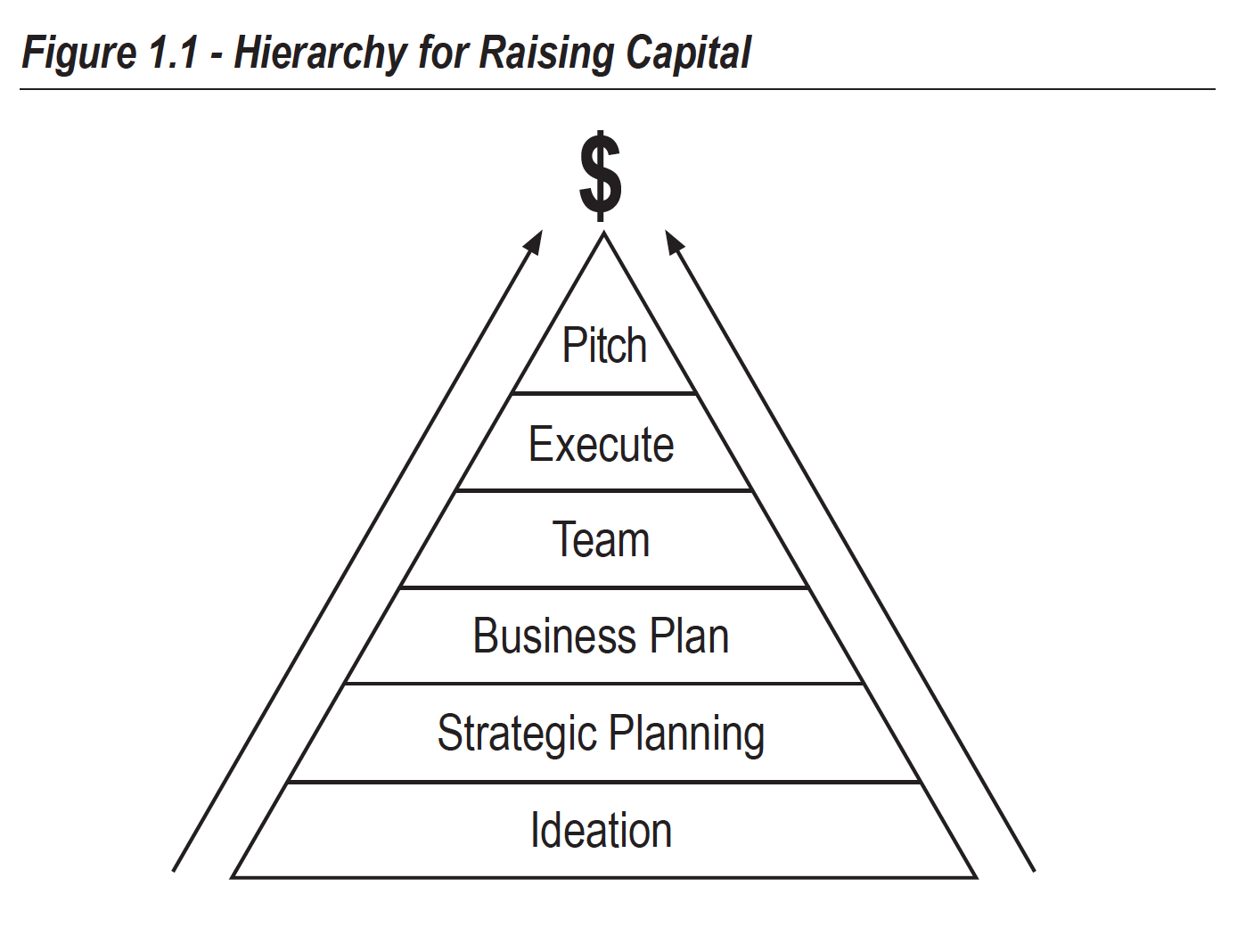
Protect your plans like equity—share only with proven investors in your vision.
The Power of Place: Clean Spaces for Clear Minds
Your physical environment matters immensely. Princeton Neuroscience Institute research shows that visual clutter overloads your brain's visual cortex, competing for attention and reducing focus and productivity.
A messy desk creates "cortex overwhelm," leading to stress and impaired performance.


In contrast, clean spaces promote clarity and control. Surveys (e.g., from Staples) indicate that 94% of workers feel more productive in tidy environments.
Adopt rituals:
- The five-minute rule — Clean and organize your desk at day's start and end.
- Lay out gym clothes annoyingly to force action.
- Pair tough tasks with rewards (wine, candles, favorite shows) to build positive associations.
As Jordan Peterson famously said: "If you want to change the world, start by cleaning your room."
Steal Ambition Through Systems and Communities
You rise (or fall) to your systems, not just goals. Attend events, join rooms with ambitious people, and "steal their homework"—processes, hacks, and drive.
Rituals breed discipline; proximity in high-energy groups multiplies opportunities (mentors, investors, collaborators).
Final Takeaway: You're Not Broken—You're Misplaced
Laziness often masks environmental mismatch. By choosing better rooms, allies, and habits, you can redefine your trajectory. Start small: Clean your space, seek one admirable influence, outwork your past self today. Over time, these shifts compound into extraordinary results.
(This summary captures the motivational essence of the original talk in an engaging, structured ~10-minute read, with supporting evidence for key claims.)
Taiwan's $40 Billion Defense Boost: A Declaration of Readiness in the Face of Rising Threats
Taiwan has just unveiled a staggering $40 billion U.S. boost to its defense budget—the largest sustained military investment in its modern history. This isn't a distant plan; it's immediate action, part of a broader push to reach 5% of GDP on defense by 2030. At the heart of this move is a stark reality: 2027, the year Chinese President Xi Jinping has targeted for the People's Liberation Army (PLA) to be fully prepared to seize Taiwan. This announcement sends a clear message to Beijing: If you come for us, we're ready. But it also reassures allies like the U.S. and Japan that Taiwan is committed to its own defense. Let's break down the strategic, historical, and geopolitical implications.
Why Now? The Evolving Threat Landscape
For over four decades, peace across the Taiwan Strait has rested on two key U.S. pillars: the 1979 Taiwan Relations Act, which commits America to support Taiwan's defense, and Ronald Reagan's 1982 Six Assurances, which clarified that the U.S. wouldn't pressure Taiwan to negotiate with China or alter its arms sales policy. These frameworks emphasized deterrence through strength, fostering stability.
Today, that stability is under siege. China is amid an unprecedented military buildup, with record PLA incursions into Taiwan's air defense identification zone—sometimes hundreds in a single month. Beijing's aggression extends beyond Taiwan: militarizing the South China Sea, intimidating Japan and the Philippines, and challenging the post-World War II international order. Xi's internal plans explicitly aim for PLA readiness by 2027, not as speculation but as documented strategy.
Taiwan's President Lai Ching-te (often referred to as William Lai) sees this $40 billion infusion not as a knee-jerk reaction but as strategic continuity—reinforcing the principles that have preserved peace while adapting to heightened risks.
Internal Challenges: Politics and the Illusion of Dialogue
Taiwan's defense push comes amid domestic turbulence. The legislature is fractured, with opposition parties like the Kuomintang (KMT) favoring closer ties to China, including high-profile visits to the mainland. There's suspicion of Chinese Communist Party (CCP) influence operations, and a minority of politicians advocate more "talks" with Beijing.
The issue? China's version of dialogue demands Taiwan first acknowledge it's part of "one China"—essentially forced surrender disguised as diplomacy. Former President Ma Ying-jeou (KMT) recently criticized the budget, arguing it leads to a "dead end" and pushing for reconciliation. But this mindset is outdated, rooted in a pre-Xi era when China feigned global cooperation. Under Xi, China has crushed Hong Kong's freedoms, erased opposition, stifled the press, and turned a thriving financial hub into a shrinking economy plagued by issues like recent massive fires symbolizing broader decay.
Ma's talking points ignore 2025's realities: constant PLA drills simulating invasions, normalized incursions, and threats to regional neighbors. If Taiwan doesn't build credibility through capability, it risks collapsing quickly in a conflict—leaving no time for allies to intervene.
Reassuring Allies: The U.S. and Japan Watch Closely
The U.S. stance is unambiguous: Washington will assist Taiwan, but only if the island demonstrates the will and means to defend itself first. As America reduces commitments in Europe and the Middle East to focus domestically, it's urging allies to share more responsibility—a echo of Reagan's 1980s logic.
Japan views the stakes even more acutely. Former Prime Minister Yoshihide Suga once stated that a Taiwan crisis is a Japan crisis, prompting Chinese backlash. Geographically, a Taiwan Strait conflict threatens Japan's shipping lanes, Okinawa's security, and national survival. Taiwan's budget boost reassures Tokyo and Washington: We're a reliable partner, prepared to fight first, not just rely on you.
Breaking Down the $40 Billion Investment
Taiwan's defense spending has already doubled recently, hitting 3.3% of GDP next year and targeting 5% by 2030. This isn't tinkering—it's a historic transformation. Key elements include:
- Major Weapons and Asymmetric Warfare: The bulk funds U.S. acquisitions like missiles and AI-driven platforms. Emphasis on "asymmetric capabilities" (e.g., mobile, hard-to-target systems) raises the cost and uncertainty of any PLA assault, deterring invasion through high risks.
- TDOM Missile Defense System: Accelerating development of the Taiwan Defensive Operation Missile (TDOM), a multi-layered shield against missiles, rockets, drones, and aircraft. It's Taiwan's "unbreakable sky shield," inspired by systems like Israel's Iron Dome but tailored to PLA threats.
- Whole-of-Society Resilience: A new top-level committee coordinates government, military, and civilians for cyber defenses, wartime emergencies, and societal preparedness. This holistic approach ensures Taiwan can withstand prolonged pressure.
These investments signal Taiwan's shift to a "quasi-war state," acknowledging that normalized PLA aggression isn't mere tension—it's active preparation for conflict.
The Broader Geopolitical Message: Peace Through Strength
Taiwan isn't provoking China; it's asserting sovereignty and survival. This aligns with Reagan's Cold War philosophy: Peace through strength, where deterrence stems from credible capability, not compromise. Look at Hong Kong as Beijing's "template" for Taiwan—eroded freedoms, economic decline, and authoritarian control. Taiwan rejects becoming "Hong Kong 2.0."
International partners recognize the urgency, issuing statements on Taiwan Strait stability. This unity arises from Taiwan's leadership: demonstrating action, not just pleas for help.
The only lingering question: When will Taiwan's domestic skeptics grasp the moment? Illusions of appeasing China ignore its worsening behavior. Nations that don't defend themselves don't endure in an era of authoritarian expansion.
Final Takeaway
Taiwan's $40 billion defense surge is a bold declaration: We will not be taken quietly. It reinforces decades-old deterrence while adapting to 2027 threats, reassures allies, and builds resilience. In a world where force increasingly challenges order, this move exemplifies preparation over provocation—ensuring Taiwan's democracy survives.
(This summary distills the original analysis into a concise, insightful piece for a ~10-minute read, maintaining the urgency and strategic depth.)
How to Replace Your 9-to-5 Income with Day Trading: A Realistic Framework for Part-Time Success
A full-time day trader with over five years of experience (and more than $500,000 earned in the past year) shares a practical, no-hype guide to becoming consistently profitable—even while holding a job or running a business. The key message: Day trading can replace your income, but it requires the right mindset, realistic expectations, disciplined habits, and a marathon approach. Most people fail because they chase flashy results seen on social media. This framework focuses on sustainable, repeatable progress instead.
1. Reset Your Expectations: You Don’t Need $5,000–$10,000 Days
Social media floods you with traders posting massive daily profits, creating unrealistic benchmarks. The truth:
- A comfortable six-figure income ($100,000/year) requires only $398 per day on average (assuming 252 trading days).
- That’s achievable with 1–3 solid trades per day—no need for home-run 300% winners.
Start smaller:
- Aim for $50/day consistently → scale to $100 → $150 → $200 → $300+.
- Focus on small, repeatable wins rather than P&L obsession.
- Prioritize risk management and process over immediate big money.
With a job providing steady income, you face zero pressure to pay bills from trading. Treat it as an investment in a long-term skill—success may take 6–12 months or longer, but rushing leads to blowups.
2. Time Commitment: Part-Time Trading Works
You don’t need to trade full market hours every day. A realistic part-time schedule:
- Trade 2–4 days per week.
- Allocate 2–3 hours per trading day (ideally the morning session, 9:30 a.m.–12:00 p.m. ET, when volume is highest).
- Remote workers have a huge advantage—trade mornings, work afternoons.
Daily routine example:
- Pre-market (15–30 minutes): Build watchlist, identify 2–4 high-probability stocks, mentally prepare.
- Trading session: Execute your plan.
- Post-market/evening: Journal trades, review mistakes, refine entries/exits.
- Weekends/off-hours: Backtest, study charts, use tools like Thinkorswim’s OnDemand feature for replay practice.
Repetition builds pattern recognition. Even limited screen time compounds into mastery.
3. Keep It Simple: Master One System
Complexity kills beginners. Avoid jumping between strategies, mentors, or indicators.
Recommendations:
- Focus on 1–2 high-probability setups.
- Use minimal tools (e.g., 20-period and 200-period simple moving averages).
- Develop clear, structured rules for entries, exits, trade management, and stops.
- Risk a consistent small amount per trade (e.g., $50–$100 to start).
Simple setups + consistent execution = repeatable wins. Upgrade your setup (multiple monitors, etc.) only after profitability.
4. Rules Before Quitting Your Job
Never go full-time prematurely—most blowups happen from pressure. Strict prerequisites:
- 6–12 months of living expenses saved → Eliminates “scared money” decisions.
- Strategy proven across market conditions → Bull runs (post-COVID) made many look genius; bear markets exposed flaws.
- Survived and recovered from a drawdown/setback → Builds psychological resilience.
- No tilting after losses → Prove you won’t revenge-trade or gamble profits away.
- Financial and emotional comfort → You must trade calmly, not out of survival need.
“Scared money doesn’t make money.” Quit only when trading feels secure and pressure-free.
5. Common Beginner Mistake: Scaling Risk Too Fast
Confidence from early wins tempts aggressive sizing. Resist:
- Establish consistency at small risk first ($50/trade).
- Only increase after proven stability (weeks/months of green results).
- Scale gradually: $50 → $100 → $200, etc.
Rushing size without consistency leads to large losses that erase progress.
6. Focus on Process, Not Outcome
Detach from monthly P&L goals. Early progress often shows in skill, not dollars.
Prioritize:
- Building disciplined habits.
- Refining your trading plan.
- Mastering risk management.
- Distinguishing high- vs. low-quality setups.
Results lag effort. Many quit after weeks of hard work because profits haven’t materialized—yet skill is improving rapidly. Stay process-oriented; the income follows naturally.
Final Summary: Treat Trading Like a Career
Day trading is a legitimate, learnable profession—not a get-rich-quick scheme. Success demands:
- Discipline, consistency, and patience.
- Realistic goals ($398/day for six figures).
- Part-time routine (2–4 days/week, 2–3 hours/day).
- Simplicity and mastery of one system.
- Financial buffer before going full-time.
- Process focus over instant riches.
With a job covering bills, you have the luxury of time. Invest in yourself slowly, scale cleanly, and let your edge compound. In 6–18 months, trading can become a strong side income—or fully replace your 9-to-5.
The trader emphasizes free resources (a 10+ hour course and YouTube videos) to learn his exact methodology, proving you don’t need expensive programs to start.
This approach demystifies day trading, making six-figure potential feel achievable through steady, intelligent effort rather than gambling or hype.
(This summary distills the original video into a clear, motivational ~10-minute read while preserving the speaker’s practical, grounded tone.)
The Federal Reserve's Shift in Monetary Policy: Ending Quantitative Tightening and Initiating Reserve Purchases
In late 2025, the Federal Reserve made a notable policy adjustment that has sparked debate among economists, investors, and financial commentators. After years of quantitative tightening (QT)—shrinking its balance sheet by allowing bonds to mature without reinvestment—the Fed ended QT on December 1, 2025, and began purchasing short-term Treasury securities (primarily bills) to maintain "ample reserves" in the banking system.
This move involves an initial pace of approximately $40 billion per month in purchases, starting December 12, 2025, with plans to taper after addressing seasonal liquidity needs (e.g., April tax season). The Fed describes this as reserve management purchases (RMPs), a technical operation to ensure smooth market functioning and prevent strains in short-term funding markets. However, some media outlets and analysts label it a "restart of quantitative easing (QE)," viewing it as a form of monetary easing outside of a full-blown crisis.
What Is Quantitative Easing (QE) and Why Does the Distinction Matter?
QE is a tool where the central bank buys assets (typically longer-term bonds) to inject liquidity, lower long-term interest rates, stimulate borrowing and spending, and support economic growth—often during crises. It expands the Fed's balance sheet significantly.
In contrast, the current purchases focus on short-term Treasuries to replenish bank reserves depleted by QT and growing non-reserve liabilities (like currency in circulation). The goal is liquidity management, not broad economic stimulus. That said, any balance sheet expansion adds liquidity, which can indirectly ease financial conditions, support asset prices, and risk fueling demand if inflation persists.
Background: From Pandemic QE to QT and Back
- During the COVID-19 pandemic → The Fed's balance sheet ballooned to nearly $9 trillion through massive QE.
- Starting June 2022 → QT reduced it by over $2.4 trillion, bringing reserves down while fighting post-pandemic inflation.
- By late 2025 → Reserves approached levels where money market stresses emerged (e.g., rising short-term rates, usage of emergency facilities). The Fed halted runoff and shifted to reinvestment plus active purchases.
This shift coincides with:
- Inflation around 3% (above the 2% target).
- Unemployment rising to 4.6% in November 2025 (highest since 2021).
- Concerns from Chair Jerome Powell that official job growth figures may overstate gains by ~60,000 per month due to flaws in the Bureau of Labor Statistics' "birth-death" model (estimating jobs from new/closing businesses). This suggests the labor market could be weaker than headlines indicate, potentially showing net job losses in recent months.
Implications for the Economy, Markets, and Individuals
Positive Effects:
- Supports stock markets by lowering short-term yields, encouraging risk-taking, and providing cheaper financing (especially for growth/tech sectors).
- Eases pressure on government borrowing (interest costs >$1 trillion annually).
- Prevents funding market disruptions, maintaining stability.
Risks and Concerns:
- Could prolong inflation by adding excess liquidity when prices are still rising faster than target.
- Complicates the Fed's inflation-fighting efforts, especially with persistent deficits and potential fiscal pressures.
- Stock markets near all-time highs may mask vulnerabilities; high inflation has historically eroded real returns and challenged retirees (e.g., studies behind the 4% retirement withdrawal rule show failures often occur in inflationary periods).
Cumulative inflation since the pandemic has been ~25%, significantly impacting purchasing power (e.g., grocery prices).
Advice for Investors and Retirees
- Diversify and Prepare: Maintain proper asset allocation with buffers (e.g., cash or bonds) to weather potential market drops (20-40%). Avoid being fully invested in equities if a correction hits.
- Retirement Planning: High inflation is a major risk for those in or near retirement. Model scenarios using robust tools (not just spreadsheets) to assess sustainability.
- Caution on Greed: As markets rally on easier policy, remember warnings like Warren Buffett's: "Be fearful when others are greedy." Have "dry powder" for opportunities in downturns.
- Broader Outlook: This policy offers a compromise amid Fed divisions—easing without aggressive rate cuts. It supports growth and jobs but risks "supercharging" inflation if not managed carefully.
This development reflects a pragmatic response to evolving liquidity needs rather than a full crisis-mode QE restart. Still, it underscores ongoing challenges in balancing growth, employment, and price stability in a post-pandemic economy with elevated debt and inflation pressures.
(Approximate reading time: 10 minutes)
Trading: The Hardest Way to Make Easy Money
Trading financial markets is often portrayed as a quick path to wealth, but in reality, it’s one of the most challenging ways to earn a living — and paradoxically, once mastered, one of the easiest and most rewarding. The key lies in understanding why traditional employment limits your earning potential and how trading, when approached correctly, breaks those constraints.
The Limitations of Trading Time for Money
Most people earn income by exchanging their time for a paycheck. For example:
- Work 8 hours a day at $20/hour → $160/day, $800/week, roughly $3,200/month.
Pros of this model:
- Stability and predictability: As long as you show up, you know exactly how much you’ll earn each pay period. No surprises, no uncertainty about covering bills.
Cons — the fatal flaw: lack of scalability There are only two realistic ways to earn significantly more in a traditional job:
- Work more hours Shifting from 40 to 60+ hours per week can increase income temporarily, but it’s unsustainable long-term. It sacrifices family time, health, hobbies, and overall quality of life. Few people want their entire existence to revolve around work.
- Earn promotions or raises
Becoming exceptionally skilled might lead to a higher position and a 10–30% raise (50–70% is rare). However:
- Promotions often require disproportionate extra effort, unpaid overtime, and increased stress.
- The raise rarely matches the added responsibility (e.g., 100% more stress for 20–30% more pay).
- Many companies prioritize profits over employee loyalty. Dedication doesn’t guarantee recognition or job security.
- External threats like automation and AI are accelerating job displacement — even skilled professions (e.g., engineering) are being replaced.
In short, linear income (time → money) caps your earning potential at the number of hours you can physically work and the incremental raises your employer is willing to give.
The Power of Asymmetrical Income: Getting Paid for Skill, Not Time
True wealth comes from activities where income is not directly tied to hours worked — where effort compounds and rewards can be exponentially higher.
Trading, when treated as a serious profession, fits this model perfectly. You are essentially running your own business:
- You are the CEO, risk manager, analyst, and executor.
- Income depends on skill, discipline, and execution — not clocked hours.
Most aspiring traders fail because they treat it like a hobby or gambling:
- No plan
- Poor risk management
- Random entries and sizing
- Expecting instant profits
Successful traders treat it like a business:
- Develop a detailed trading plan
- Strict risk management
- Consistent execution
- Continuous improvement
Real-World Example of Asymmetrical Returns
Boxer Floyd Mayweather earned $50–$250 million for fights lasting 30–60 minutes. Outsiders call it “unfair,” but it’s the result of decades of unseen discipline, training, and mastery. Early in his career, he earned little; later, his skill commanded massive paydays.
Trading follows the same pattern:
- Early stage: Steep learning curve, losses, frustration, no immediate rewards. Requires daily discipline, study, and resilience.
- Mastery stage: Profits feel almost effortless. A trader might spend 2–4 hours analyzing and executing trades and earn thousands in a single session — not because of time invested that day, but because of years of skill development.
The speaker shares his experience:
- Mentored by his father (a major advantage), yet still required years of consistent effort.
- Now consistently profitable (no losing month in over 5 years).
- Can earn significant income in a few focused hours, then have the rest of the day free.
The Trade-Offs of Trading as a Career
What you lose:
- Guaranteed paycheck stability. Even profitable traders have variable monthly income — some months explosive, others slower.
What you gain:
- Scalability: Income potential is limited only by skill improvement and market opportunities.
- Control over destiny: Want to earn more next year? Improve your edge, execution, and risk management.
- Time freedom: Once profitable, trade a few hours daily and use the rest for family, hobbies, or other ventures (real estate, businesses, etc.).
- Location independence and flexibility.
Why Trading Is Worth the Struggle
Trading rewards those with an entrepreneurial mindset:
- Resilience in the face of setbacks
- Willingness to work hard without immediate payoff
- Discipline to follow rules even when emotions pull otherwise
It’s not a get-rich-quick scheme. Success requires:
- Commitment to learning (proper education, not random YouTube videos)
- Patience through the unprofitable beginner phase
- Daily consistency
But for those who persevere, trading becomes one of the most powerful skills on the planet: the ability to generate substantial income in a short time, with full control over your financial future.
Final Thought
Trading is indeed the hardest way to make easy money. The front-loaded difficulty — years of learning, losses, and discipline — filters out most people. Those who break through gain a rare combination of high earning potential, time freedom, and personal autonomy that few careers offer.
If you're willing to invest in mastering a skill that pays asymmetrically rather than hourly, trading can transform from brutal to profoundly rewarding.
(Approximate reading time: 10 minutes)
Why Trading Feels Impossible for 95% — And Obvious (Even Boring) for the Top 5%
Trading financial markets is brutally difficult for most people: 95% blow up accounts, quit in frustration, blame manipulation, algorithms, or "rigged" systems. Yet the remaining 5% find it straightforward, systematic, and predictable — almost dull. They operate in the same markets, with the same charts and opportunities. The difference isn't intelligence (many brilliant PhDs and engineers fail spectacularly), capital (failure rates are similar whether starting with $100 or $100,000), or information access (everyone sees the same data).
The core distinction: The 95% treat trading like a war to win through prediction and control. The 5% treat it like a probability game they've already rigged in their favor through disciplined execution.
Two Traders, Two Outcomes
Consider two real-world examples:
- David, a software engineer, approached trading analytically. His charts were overloaded with 47 indicators — moving averages, RSI, MACD, Fibonacci, Bollinger Bands, volume profiles, order flow, and more. He spent hours daily on economic calendars, reports, sentiment analysis, and institutional positioning. After 18 months, he blew four accounts totaling $65,000.

- Sarah, a former casino dealer with no formal finance background, understood one truth: The house wins via a consistent edge, not emotion. Her system had just three rules: Trade only in specific high-edge hours; risk exactly 1% per trade; exit at predetermined levels (win or loss). No extras. After 18 months, her account grew 42%.


The pattern: Complexity destroys; ruthless simplicity sustains.
Why Trading Feels Impossible: The Five Psychological Traps
Trading violates ingrained ideas about success (more effort = better results). Here are the key reasons most struggle:
- The Uncertainty Paradox Most jobs offer structure and predictability. Trading has none — every decision is yours, outcomes probabilistic. Brains crave certainty, so traders pile on indicators and analysis to "predict" the unpredictable. Reality: No one knows the next move. The 5% accept uncertainty and focus on reacting to high-probability setups.
- Instant, Brutal Feedback Unlike careers with delayed results, trading delivers immediate P&L hits, triggering survival instincts (fear, greed). Losses feel personal; traders move stops or revenge-trade. The 5% detach: One trade is noise; consistency over hundreds matters.
- Complexity Addiction Brains equate complexity with progress (new indicators feel productive). But markets reward execution, not intellect. Overloading charts leads to paralysis. The 5% embrace simplicity as executable under pressure.
- Outcome Obsession Checking balances constantly ties self-worth to uncontrollable results. Wins inflate ego; losses crush confidence. The 5% measure success by process adherence (e.g., "Did I follow rules?"), not daily profits.
- Information Overload Endless news, newsletters, social media, and analyses create conflicting noise, leading to hesitation or weak conviction. The 5% practice "strategic ignorance" — ignoring everything outside their system.
The Shifts That Make Trading "Obvious"
The top 5% aren't immune to these traps; they've unlearned bad habits:
- Embrace Uncertainty: Shift from prediction to probability. "This setup has an edge; I'll take it knowing I might lose."
- Measure Process, Not Outcomes: Use a checklist for each trade. Success = rules followed, regardless of P&L.
- Simplify Ruthlessly: Strip charts to essentials. Master one strategy, one timeframe, few markets.
- Practice Strategic Ignorance: Cut news and opinions during trading hours.
- Cultivate Patience: Wait for setups. Doing nothing is often the best action. One trader limited himself to 3 trades/day max — win rate rose from 42% to 61%, turning breakeven into consistent profits.


The Deeper Identity Shift and the "Boring" Truth
Successful traders see themselves as disciplined rule-executors, not profit-chasers. Their identity isn't tied to wins/losses, making them resilient.
Ultimately, profitable trading is boring: Hours of waiting, interrupted by mechanical execution.


Excitement signals overtrading and emotion. The 5% thrive on repetition and patience.
David quit, blaming the system. Sarah continues steadily — trading now routine, like brushing teeth.
Your Choice
Continue the 95% path: More indicators, information, trades — fighting uncertainty. Or join the 5%: Simplify, accept probability, execute patiently. The market doesn't care; it keeps providing opportunities. The question is whether you'll have capital and mindset left to capitalize.
Trading becomes obvious when you stop fighting its nature and flow with disciplined simplicity.
(Approximate reading time: 10 minutes)
10 U.S. Cities Experiencing the Sharpest Middle-Class Decline
Over the past two decades, many former industrial strongholds in America have seen their once-thriving middle classes erode dramatically. Factories closed, jobs moved overseas or automated, wages stagnated, and living costs—groceries, utilities, insurance, taxes—rose relentlessly. What remained were affordable homes in places where residents increasingly struggled to afford everyday life. This video from "World According to Briggs" highlights 10 such cities, drawing on resident quotes and economic trends to illustrate the human impact.
Common Themes Across These Cities
- Deindustrialization: Heavy reliance on manufacturing (textiles, furniture, auto parts, steel) that collapsed due to globalization, automation, and outsourcing.
- Job Replacement Failure: New roles in service, healthcare, logistics, or retail pay far less with fewer benefits.
- Cost-Wage Disconnect: Essentials rose faster than incomes, turning "affordable" housing into a trap ("Cheap mortgage, expensive life").
- Data Context: Many align with Pew Research (2016) findings of sharp middle-class drops in Rust Belt and Southern industrial towns; recent studies show ongoing challenges in similar areas.


The Countdown
10. Rocky Mount, North Carolina Once a textile hub, mills closed in the early 2000s. Manufacturing employment fell from ~22% in 1999 to 11.6% by 2024. Warehouses replaced factories, but at lower pay. Resident quote: "Rocky Mount didn't get more expensive. My paycheck got smaller."
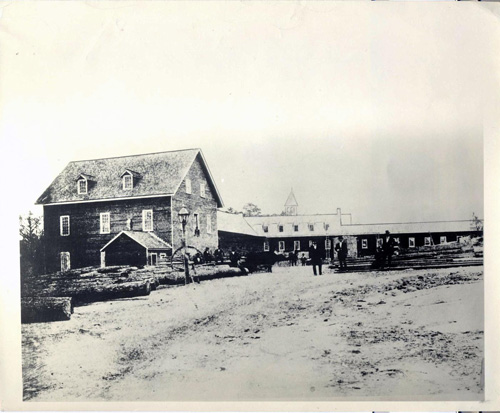
9. Rockford, Illinois Generations worked in machine tools, aerospace, and auto parts. Outsourcing and consolidation wiped out thousands of jobs. High Illinois taxes compounded the pain. Resident: "I lived in the same house my dad bought in the 1980s... Somehow I'm broke and he retired early."

8. Stockton, California Boomed on construction and agriculture, then devastated by the Great Recession (foreclosure capital, city bankruptcy). Wages lag California's soaring costs. Resident: "We moved here because it was cheaper than the Bay. Now it's not."
7. Mansfield, Ohio Steel, tires, and auto suppliers (including GM stamping plant closure ~2010) vanished. Homes average ~$145,000—affordable, but everything else isn't. Resident: "My mortgage is cheap, my life is not."
6. Fort Wayne, Indiana Downtown revitalization masks fading blue-collar jobs in auto parts and machinery, replaced by lower-wage healthcare/logistics. Rising rents erode affordability. Resident: "People from outside think Fort Wayne is cheap. People who live here know it's not."
5. Michigan City/LaPorte, Indiana Diversified industry (manufacturing, rail, shipping) downsized; leans on tourism and retail now. Pandemic exposed fragility. Homes under $200,000, but wages stagnant. Resident: "It slowly faded like an old photograph."
4. Hickory, North Carolina "Furniture capital" lost tens of thousands of jobs to overseas production and automation (2000–2015). Resident: "We used to make good stuff. Now we can't afford good stuff."

3. Jackson, Michigan Tied to Detroit's auto fortunes; plant closures and automation hit hard. Homes ~$200,000, but rising rents/taxes. Resident: "I can buy a house here. I just can't afford to live in it."
2. Goldsboro, North Carolina Tobacco, manufacturing, and base-related jobs collapsed; one of the largest middle-class drops nationally (2000–2014). Just rising costs, no wage boom. Resident: "Middle class didn't stand a chance."
1. Springfield, Ohio 1980s model city of strong industry and factories. Median income fell >25% (1999–2014)—one of nation's worst. Homes as low as $69,000–$150,000, but jobs scarce. Resident sentiment: Middle class "pretty much gone."


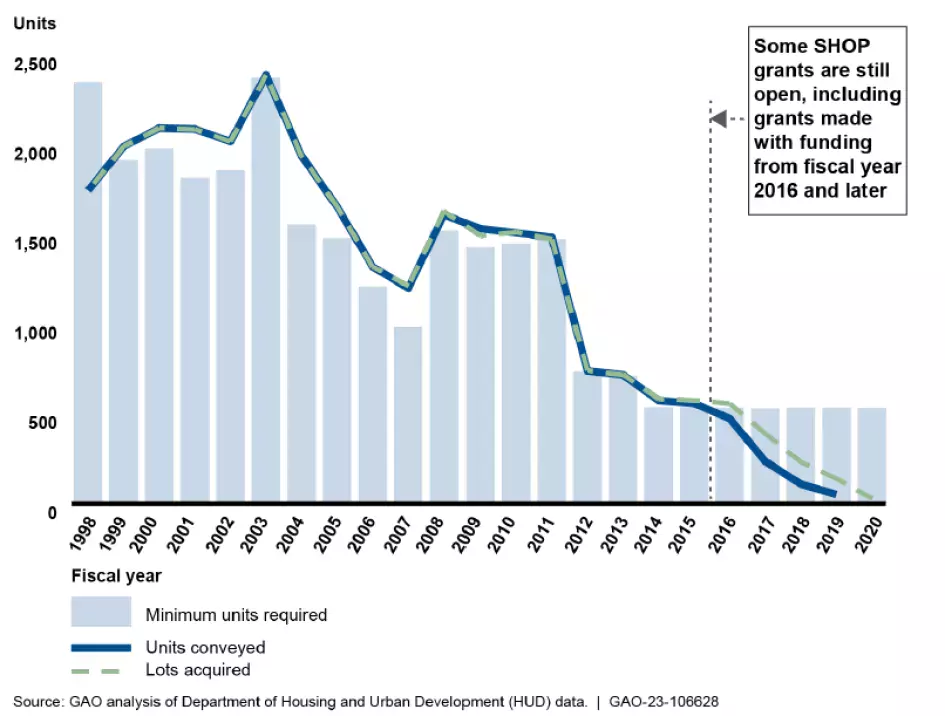
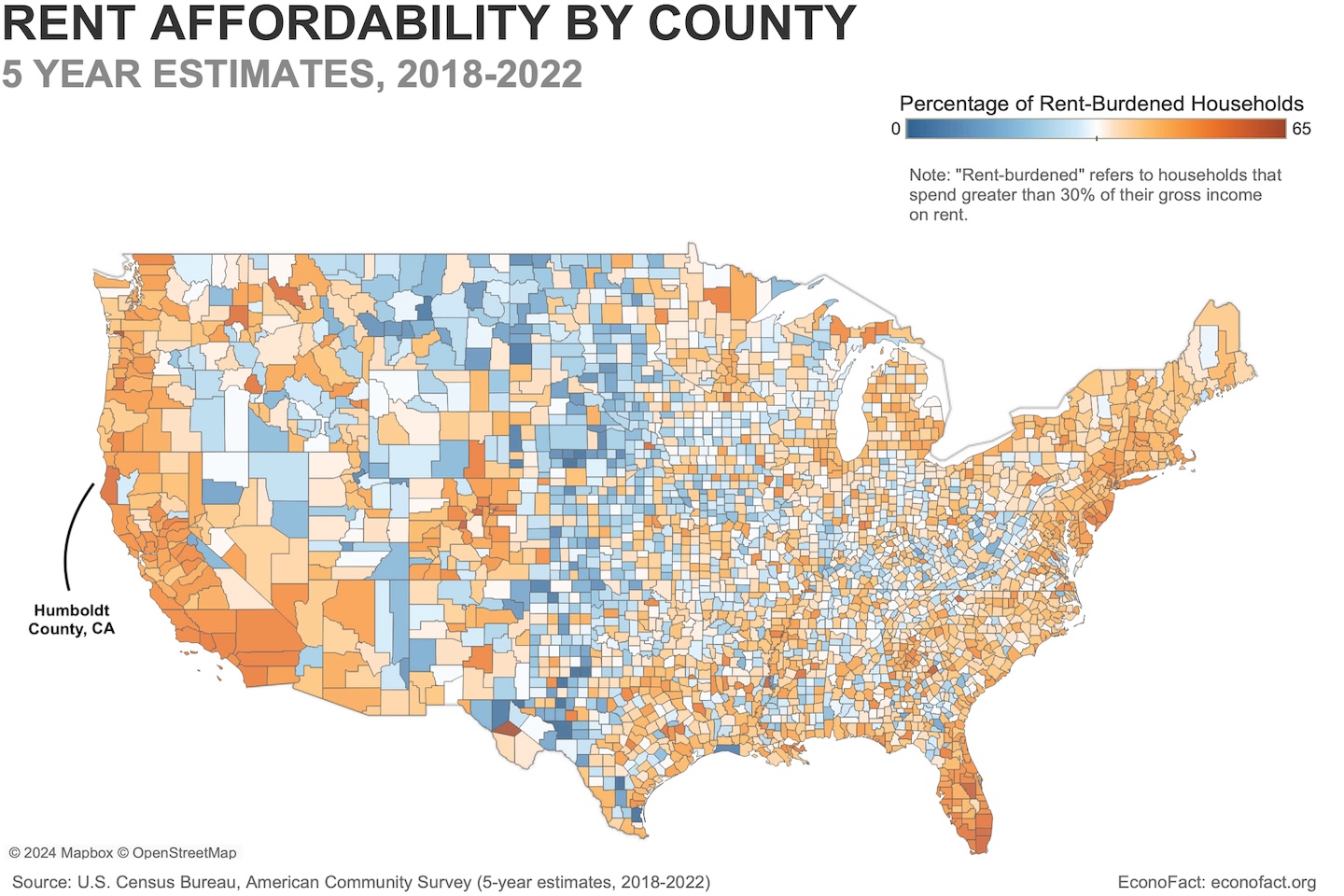
These stories reflect broader U.S. trends: Deindustrialization hollowed out middle-class anchors in many heartland towns. While some revitalization efforts (downtowns, tourism) emerge, replacement jobs rarely match the stability or pay of the past. Affordable housing draws attention, but without living wages, it becomes a mixed blessing.
(Approximate reading time: 10 minutes)
Global Market Update: Key Developments in Europe, North America, and Asia (Late December 2025)
This episode of Market Update covers three major stories shaking financial and geopolitical landscapes as 2025 ends.
France's Budget Crisis: Stopgap Measure Averts Shutdown Amid Political Gridlock
France's fractured parliament failed to agree on a full 2026 budget, forcing Prime Minister Sébastien Lecornu to push through emergency legislation rolling over 2025 spending limits into January 2026.


Both the National Assembly and Senate unanimously passed the "special law" on December 23, allowing tax collection, debt issuance, and basic state functions (policing, education, administration) to continue temporarily. Officials call it a "bare-minimum" fix that leaves the economy "fragilized"—unable to fund new initiatives like teacher recruitment, prison construction, or industrial decarbonization.
Deep divides over tax hikes on the wealthy (favored by center-left) versus spending cuts (pushed by center-right) sank negotiations. The minority government, weakened since President Emmanuel Macron's 2024 snap election loss of majority, risks a no-confidence vote if it forces a budget through without parliamentary approval—a move Lecornu has pledged to avoid.
France faces intense pressure from investors and rating agencies to cut its deficit below 5% of GDP in 2026 (from ~5.4-5.5% in 2025). A prolonged rollover could cost billions and delay ambitions, including Macron's €6.5 billion defense spending boost.
This mirrors last year's crisis, highlighting ongoing instability that has toppled multiple governments.
Compounding tensions, France urged the EU to challenge China's new provisional duties (up to 42.7%) on EU dairy products, calling them "unilateral and unacceptable" retaliation in the escalating EV subsidy trade war.


U.S. F-35 Program Under Fire: Readiness Hits 50% Amid Contractor Criticism
A scathing Pentagon Inspector General report revealed the F-35 stealth fighter fleet—history's most expensive weapons program (~$2 trillion lifetime cost)—achieved only a 50% mission-capable rate in fiscal 2024, far below requirements.



The watchdog blamed poor maintenance by prime contractor Lockheed Martin and inadequate Pentagon oversight. Despite underperformance, the Defense Department paid Lockheed $1.7 billion in sustainment fees without penalties.
Issues persist: Lack of spare parts, weak contract enforcement, and delayed upgrades. The Air Force recently halved its 2026 F-35 purchases due to soaring costs.
Lockheed claims improvements (more parts, better practices, incentive-based contracts). Growing political scrutiny, including from Defense Secretary Pete Hegseth and President Donald Trump, demands accountability over executive perks and stock buybacks.
The findings intensify calls for reform in this troubled program critical to U.S. and allied air superiority.
Japan Approves Record ¥122.3 Trillion Budget Under PM Sanae Takaichi
Japan's cabinet, led by Prime Minister Sanae Takaichi (the country's first female PM, in office since October 2025), approved a record initial budget of ¥122.31 trillion (~$783 billion) for fiscal 2026 (starting April).


This ~6-9% increase reflects Takaichi's "proactive" fiscal stance to spur growth amid entrenched inflation (core prices above 2% for over three years), aging population pressures, and regional security threats.
Key allocations:
- Social security: ¥39.1 trillion (up for healthcare/pensions).
- Defense: Over ¥9 trillion (part of push to 2% GDP).
- New bond issuance: ~¥29.6 trillion (debt reliance dips slightly to 24.2%).
Tax revenues hit record ¥83.7 trillion, aiding restraint on borrowing. Debt-servicing costs soar (assuming 3% rates, highest since 1997) as yields rise.
Markets remain muted but wary of Japan's massive debt (>2x GDP). Takaichi balances stimulus (recent massive package) with "responsible" pledges, rejecting irresponsible issuance.
This first full budget under Takaichi underscores her growth-focused, expansionary approach.
These stories highlight fiscal strains, trade frictions, and defense priorities shaping global markets into 2026.
(Approximate reading time: 10 minutes)
Retiring in 7 Years: The Surprising Math Behind Financial Freedom Through Intense Compounding
Imagine waking up to find your modest savings jar has grown overnight—effortlessly, while you slept. This whimsical analogy captures the essence of compounding, the core mechanism that makes retiring in just 7 years not a fantasy for the ultra-wealthy, but a realistic path for those willing to invest consistently and aggressively. The script challenges common skepticism: Retiring early doesn't require massive starting capital or insider secrets; it's about mindset, math, and momentum. The real barrier? Believing it's impossible without enormous monthly sums. Spoiler: The threshold is lower than you think—$3,000 to $4,000 monthly, scaled with income growth.
Rethinking Retirement: From 40-Year Grind to 7-Year Sprint
Traditional retirement plans stretch over decades, relying on small, sporadic savings that compound slowly. But compressing the timeline demands a paradigm shift: Intensity over longevity. Compounding rewards consistency and scale, not duration. Feed it meaningful amounts regularly, and growth accelerates exponentially—even in a short window.
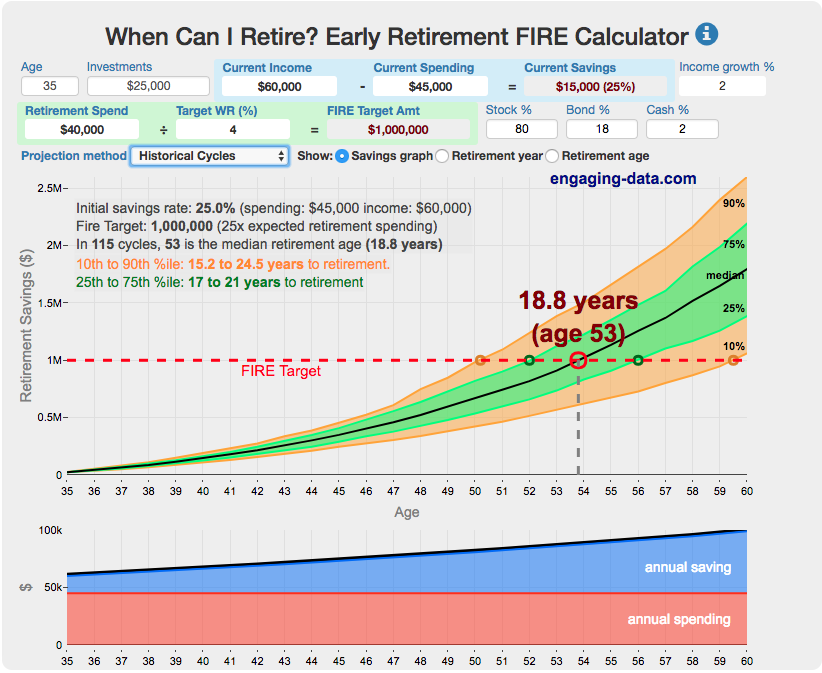
Consider your baseline: Track expenses for a few months. If they total $2,000–$3,000 monthly ($24,000–$36,000 annually), that's your freedom number—not luxury, but basics covered without a job. Using a conservative 4% safe withdrawal rate (to preserve principal amid inflation and volatility), you'd need a $900,000 portfolio to generate $36,000/year indefinitely.
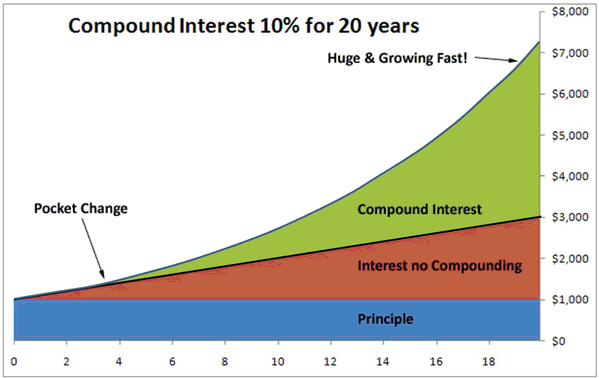
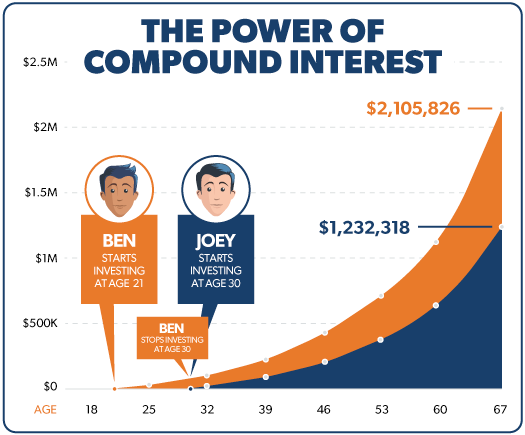
At first, $900,000 in 7 years sounds daunting. But it's not about raw saving; it's about leveraging compounding at ~7% real annual returns (historical equity average after inflation). Early contributions matter most—they have the longest runway to multiply.
The Magic Number: $3,000–$4,000 Monthly Investments
The script reveals the key figure: To hit ~$900,000 in 7 years, invest $3,000–$4,000 monthly consistently, assuming 7% real returns. Start lower if needed, but ramp up via income growth (job switches, promotions, side hustles like a monetized YouTube channel).
Break it down:
- At $3,000/month: ~$300,000 after 7 years.
- At $4,000/month: Closer to $400,000+.
- Why not enough alone? The portfolio doesn't stop at year 7—it continues compounding. Reinvest dividends, and market gains push it further. A strong year (e.g., 15–20% returns) can add tens of thousands.
This isn't static: Increase contributions as income rises. If you boost from $3,000 to $5,000 mid-journey, you shave months off. Market dips? Opportunities—buy more shares cheaply, amplifying recoveries.
Choosing the Right Tools for Accelerated Growth
Savings accounts (2–3% returns) or bonds won't cut it—they barely beat inflation. Real estate (via REITs) adds complexity and risk. The sweet spot: Broad-market index funds or ETFs (e.g., S&P 500 trackers) for diversified, hands-off 7–10% historical returns.
Avoid stock-picking pitfalls; focus on low-fee, passive vehicles. Reinvest everything—dividends compound the compound. In 7 years, your portfolio shifts from reliant on contributions to self-sustaining.
The Psychological Game: Endurance, Identity, and Opportunity Cost
Retiring early demands more than math—it's psychological warfare. Volatility isn't a foe; it's an ally for buying low. The tipping point: When portfolio growth matches or exceeds contributions, freedom feels tangible.
Shift identity: Become someone who prioritizes future freedom over present impulses. Question expenses not with guilt, but opportunity: That $100 splurge could grow to $200+ in 7 years at 7% returns.
Vividly visualize success: Waking up job-free, investments covering bills. Sacrifices? Investments in a lifetime of autonomy.

Making It Actionable: Start Small, Scale Aggressively
If $3,000–$4,000 feels steep today, focus on income expansion: Learn skills, network, or launch a side gig. The script plugs building a YouTube channel as an "easy mode" accelerator—many blow up quickly with proper strategies.
Consistency trumps perfection. Early years build the foundation; later ones reap exponential rewards. Don't wait for ideal conditions—start now, adjust as you grow.
Final Thoughts: Freedom Awaits the Disciplined
Retiring in 7 years compresses 30+ years of effort into focused action: High contributions, smart investing, and unwavering discipline. It's not luck—it's concentrated compounding. The $3,000–$4,000 threshold proves it's accessible, but requires ditching stagnation for growth.
Ask yourself: Is 7 years of intensity worth lifelong freedom? The math says yes. Act now, or risk regretting inaction.
(Disclaimer: Not financial advice; results vary based on personal circumstances. Approximate reading time: 10 minutes)
My First Year as a Mature-Age Electrical Apprentice in Australia
Starting an electrical apprenticeship in your 30s is a bold career pivot, especially with family responsibilities and a mortgage. This creator, over 12 months into his journey (likely in commercial electrical work), shares candid insights into the realities—far from glamorous, but rewarding for those committed to long-term gains. His experience highlights the physical demands, juggling life commitments, study challenges, financial trade-offs, and mental resilience required.
The Physical Reality of the Job
It's far more demanding than expected. Days involve constant movement: climbing ladders, roughing-in wiring, installing fittings in ceilings, hauling heavy cable drums (50–100+ kg), pulling mains cables, or handling distribution boards.


No sitting by a switchboard all day—expect at least 10,000 steps daily. If you're unfit, it'll be tough; building stamina is essential.
Balancing Work, Family, and TAFE Study
Routine is key. He finishes at 3 PM, home by 3:30, showers/snacks, then studies 4–6 PM (2 hours daily). Dinner and evenings are family time.



Committing blocks for each prevents burnout and maintains balance.
Study struggle: After 15+ years out of school, rote copying didn't work. He adopted active recall—turning notes into questions (e.g., "What is Ohm's Law formula?" instead of just V=IR), then self-testing. This boosted retention dramatically.


Finances: The Biggest Hurdle
First-year pay is low: ~$900–950 weekly (higher for commercial vs. residential; adult apprentices earn more than juniors—around $24+/hour base in 2025). It increases yearly.
Government support helps:
- Australian Apprenticeship Support Loan (formerly Trade Support Loan): Up to ~$22,000–25,000 lifetime, paid monthly; 20% discount on completion.
- Australian Apprentice Training Support Payment: ~$5,000 total (paid every 6 months, tax-deductible/free money).
Budget rigorously beforehand—cut costs, ensure sustainability with dependents. It's a pay cut for career-changers, but qualified electricians earn well ($90k–110k+ average).
Mental and Emotional Side
Tough days bring drain from workload, study, family, or finances—leading to doubt. Counter it by recalling your "why" (north star) and zooming out: 4 years is short vs. 28+ years qualified (e.g., done by 37, retire at 65).
View it as short-term pain for long-term gain: High demand, good pay, variety (commercial, industrial subspecialties), lifelong learning.
Advice for Aspiring Adult Apprentices
Plan finances thoroughly—don't go blind. The industry fascinates with constant challenges and security. Many in their 30s/40s succeed; maturity brings reliability employers value.
This path demands fitness, discipline, and vision—but offers stability and pride in a skilled trade.
(Approximate reading time: 10 minutes)
Exploring the Ward Mining District: Nevada's Best-Preserved 19th-Century Ghost Town and Charcoal Ovens
Nestled in the rugged hills of eastern Nevada's White Pine County, the Ward Mining District stands as one of the state's most intact remnants of the Wild West silver boom. This exploration video takes viewers through the abandoned Ward Mine facilities, the faint traces of the once-bustling ghost town, the historic cemetery, and the iconic beehive-shaped charcoal kilns that fueled the operation.




History of the Boom and Bust
Discovered in 1872, rich silver-lead ore sparked a rapid rush. The Ward Mining Company invested heavily: building stamp mills, roads, and water systems. By the mid-1870s, the mine yielded millions in precious metals.
The town of Ward sprang up nearby, peaking at over 1,500 residents by 1877. It boasted stores, saloons, hotels, a school, and even a newspaper (The Ward Reflex). Miners hauled supplies across harsh desert by wagon.
Prosperity faded quickly. A devastating 1883 fire destroyed much of the town, combined with plummeting silver prices and depleting high-grade ore. Attempts to revive operations in the early 20th century failed, and by the 1930s, Ward was fully abandoned.


The Assay Office and Mine Facilities
The explorer focuses on a massive later-era building (likely from a 20th-century revival), contrasting older 1870s ruins. Inside the sprawling assay office:
- Shelves once held thousands of ore samples for testing viability.
- A gutted laboratory with sinks and desks.
- Offices, locker rooms, bathrooms, and showers for workers.
- Scattered sample bags and artifacts litter the floors.
The site includes a water tower (water trucked in) and extensive piping. Most mine shafts are caved in or sealed for safety, leaving surface structures as the main draw.
The Ghost Town Site
Little remains of the original 1870s town—wooden structures rotted away. Durable stone foundations and walls endure, alongside scattered artifacts: rusted cans, glass bottles, and debris piles.
A modern outhouse hints at occasional visitors, but the core townsite is marked by a sign and rocky outlines on the hillside.
Ward Cemetery
About half a mile away, the small cemetery holds graves of ~46 residents, reflecting the era's hardships and violence (common in 1800s Nevada mining camps).
Some headstones are well-preserved or updated (possibly by descendants), with dates from the 1870s–1880s. Wooden markers (rare survivors) and child graves add poignancy.


The Iconic Charcoal Kilns
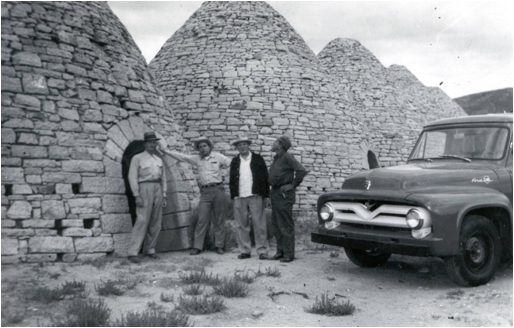
The highlight: Six beehive-shaped charcoal ovens built in 1876, each ~30 feet tall and remarkably preserved (now part of Ward Charcoal Ovens State Historic Park).
Workers converted thousands of acres of local timber into charcoal to fuel ore smelters. The stone craftsmanship has withstood over 140 years; interiors echo dramatically.
These are among Nevada's best examples, outlasting many similar kilns elsewhere.



Ward's story encapsulates Nevada's mining heritage: explosive growth, environmental toll (deforested hills), tragedy, and swift decline. Today, it offers a serene, evocative glimpse into the past—perfect for history buffs and off-grid explorers.
(Approximate reading time: 10 minutes)
6 Things Women Quietly Love About Men (But Rarely Say Out Loud)
In modern dating, women often respond instinctively to certain male traits that foster connection, safety, attraction, and feeling truly seen—without needing overt performance. These aren't complex demands; they're emotional responses to grounded, authentic behaviors. Courtney Ryan breaks down six such traits that stand out profoundly, even if women don't verbalize them directly.
1. Taking Social Pressure Off Her
Early dating carries invisible tension for both sides: Men feel pressure to lead and impress; women to appear perfect and adaptable. A man who creates a low-pressure environment stands out immensely.



This shows in:
- A calm, steady vibe (not performative or tense).
- Decisiveness (e.g., choosing a restaurant when options overwhelm).
- Adapting to minor hiccups (traffic, delays) without overreacting.
- Not overinterpreting small things (like delayed texts).
It allows her to relax, be playful, and reveal her true self. Women feel this ease deeply, even if unsaid—it's about emotional safety, not fragility. Developing this requires inner work, like therapy for breaking autopilot reactions (sponsored segment on BetterHelp).
2. Noticing the Subtle Stuff
Simple awareness makes women feel truly present-with and valued.


Examples:
- "Your hair looks different today—really good."
- "That perfume smells amazing."
- "Those earrings are cool—are they new?"
It's not about constant compliments or tactics; genuine, effortless observation signals presence. Women love feeling seen (not evaluated), distinguishing real connection from performance.
3. Leading Without Dominating
Balanced leadership is highly attractive but often unvoiced.


Healthy examples:
- Suggesting specific plans (not endless "What do you want?").
- Handling logistics (reservations, transport).
- Proposing ideas then adapting to her input flexibly.
This reduces decision fatigue, signaling competence, confidence, and reliability—without control or ego. Women appreciate direction that honors their voice.
4. Having Standards (Even with Her)
Men with boundaries and self-respect are magnetic, countering the myth that total agreeability wins favor.

Signs:
- Maintaining routines/commitments (not dropping everything last-minute).
- Kindly addressing disrespect.
- Sticking to values/preferences.
It communicates stability and choice (not neediness), making her feel secure in a predictable, non-desperate partner.
5. Subtle Warmth
Warmth—confidence mixed with approachability—is underrated but powerfully attractive.


Manifests as:
- Relaxed expressions and light humor.
- Genuine appreciation.
- Calm interest without guardedness or pushiness.
It lowers defensiveness, signaling emotional maturity—women feel safe opening up without judgment.
6. Consistency Over Intensity
Flashy intensity excites briefly; steady consistency builds deep trust.
:max_bytes(150000):strip_icc()/6-types-of-relationships-and-their-effect-on-your-life-5209431_V1-a0f57cea6a114b9cbfa1553c0142ec92.png)

Key: Actions matching words over time—reliable communication, stable affection, showing up on ordinary days. It creates emotional predictability, reducing anxiety and enabling investment. Great women prioritize this trustworthiness.
These traits aren't about perfection or people-pleasing; they're intentional emotional steadiness that fosters ease and security. Women respond instinctively because they feel calmer and more connected—qualities that naturally elevate attraction in today's dating landscape.
(Approximate reading time: 10 minutes)
Economic Turmoil in Late 2025: Dollar Weakens, Tariffs Backfire, Silver Surges, and Global Shifts Loom
As 2025 wraps up, the U.S. economy faces mounting pressures from a weakening dollar, underwhelming Treasury auctions, escalating tariffs under President Trump, a parabolic silver rally driven by Chinese demand, and potential policy shifts in Japan. This commentary warns of a "doom loop" entering 2026, where structural changes could exacerbate inflation, debt issues, and currency debasement. While some claims (like $18 trillion in tariff revenue) appear exaggerated or misstated, data confirms broader trends of volatility and risk.
The Dollar's Structural Decline: Year 1 of a Multi-Year Downturn
The U.S. dollar index (DXY) has plunged over 10% in 2025—its worst year since 1973—closing around 97-98 by late December.


Options traders remain bearish, anticipating a prolonged cycle lasting 5+ years. Drivers include:
- Federal Reserve money printing, increasing dollar supply.
- Interest rate cuts, reducing bond yields and demand for U.S. assets.
- Trump's tariffs, shrinking global trade and reducing dollar exports (the USD is America's top "export").
This isn't cyclical—it's structural, altering global dollar flows and eroding confidence in U.S. fiscal policy.
Treasury Auction Disaster: Foreign Investors Flee U.S. Debt
Recent 2-year Treasury auctions in December 2025 showed weak demand, with yields around 3.5% and international participation dropping to ~53% (from 57%).
Graded a "D+" for demand, this signals eroding faith amid endless borrowing under Treasury Secretary Scott Bessent. Investors fear elevated yields (keeping bond values low) and a collapsing dollar, making U.S. paper risky even for short-duration notes.
Trump's Tariffs: A "Doom Loop" of Inflation and De-Dollarization
Trump's "Liberation Day" tariffs (April 2025) imposed broad import taxes, aiming to cut trade deficits and revive industry.


Impacts:
- U.S. imports from China dropped from ~25% to 8.4% share, accelerating decoupling but spiking inflation (e.g., 45% duty on a $59 item).
- Trade deficit narrowed, but overall deficits grew; global trade volumes fell, reducing dollar outflows.
- Consumer "backlash": Higher prices transfer wealth to the government, yet borrowing escalates.
Ironically, tariffs strengthen China's yuan (up 4% vs. USD in 2025, past 7 per dollar), pushing Beijing to "yuan-ize" trade.

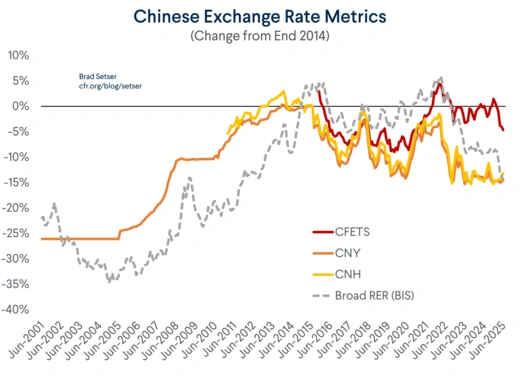
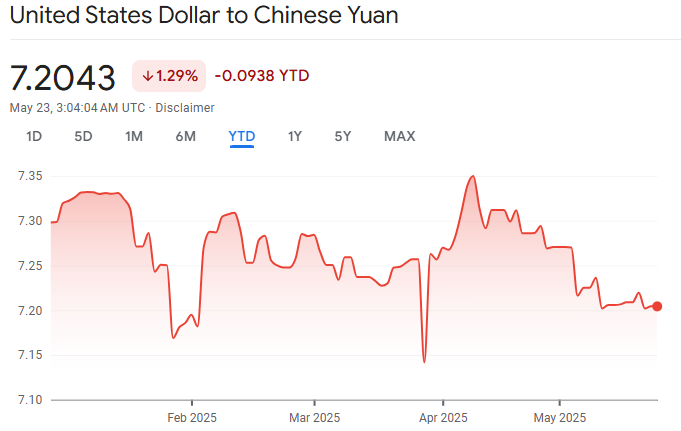
As the world's manufacturer, China's shift reduces global dollar demand— a "virtuous cycle" for the yuan but a threat to USD hegemony.
Silver's Parabolic Rally: Debasement and Shortages Drive 150% Gains
Silver has skyrocketed to $73-74/oz by late December, up ~150% YTD—its best year ever—amid dollar debasement and supply-demand imbalances.
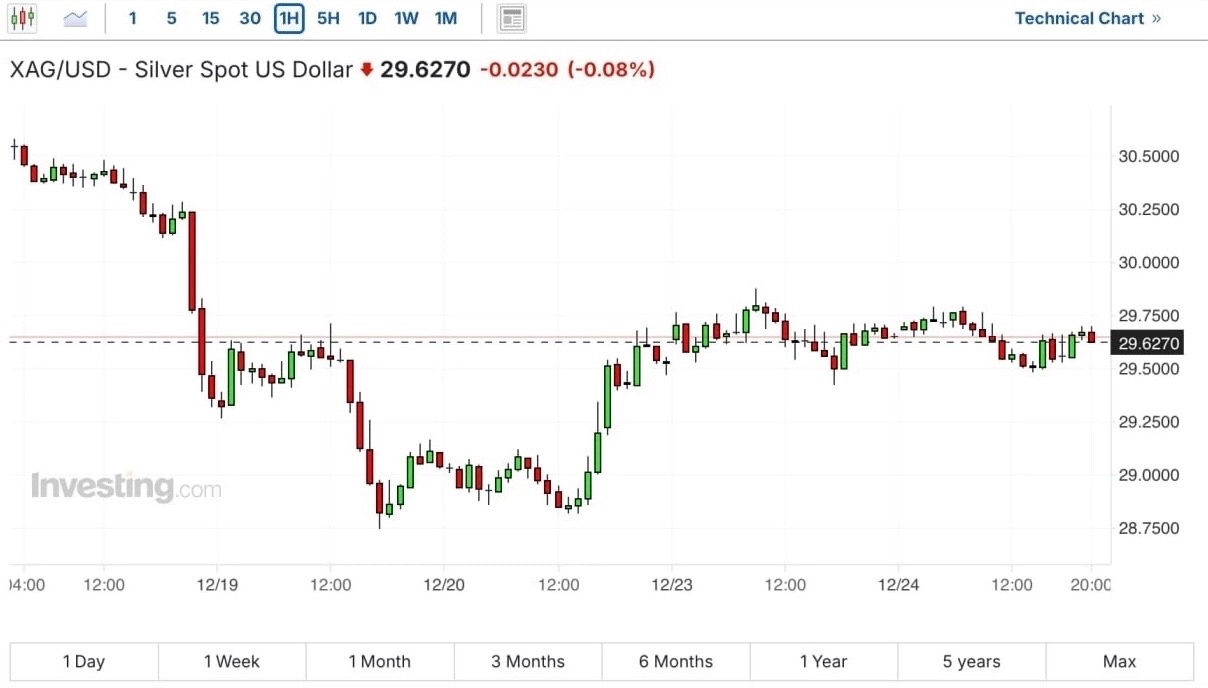
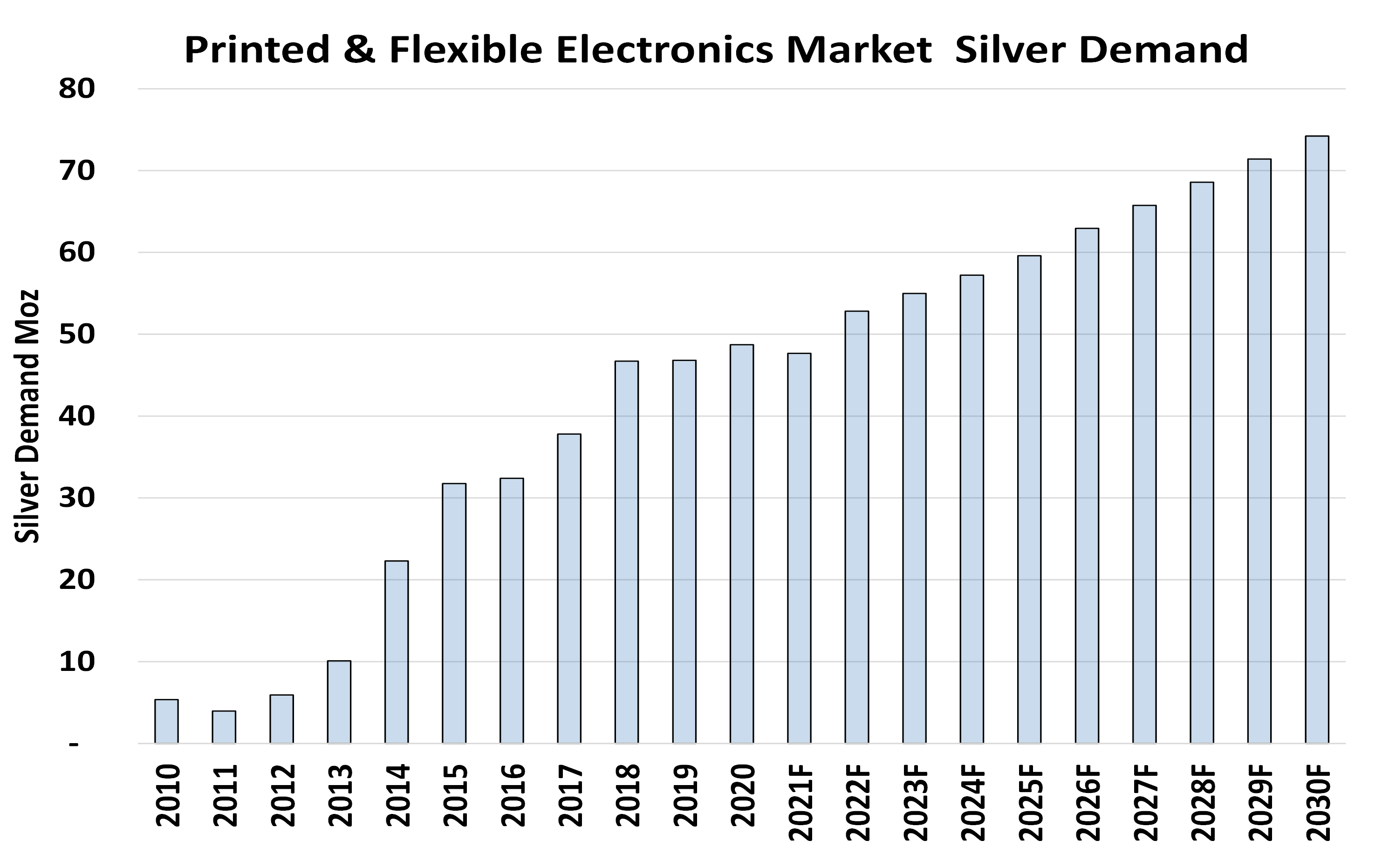
Factors:
- Global shortages: Mine supply lags demand; fifth straight deficit year.
- China's mania: Industrial/investment surge for chips, solar, defense; local prices hit $80/oz (10% premium), funds oversubscribed with 60% premiums.
- Strategic stockpiling: U.S./China race for critical metals (silver, rhodium, palladium, platinum).
While corrections loom (parabolic charts invite pullbacks), long-term dynamics favor higher prices as silver becomes a "strategic metal."
Japan's Cornered BOJ: Rate Hikes and Potential Treasury Dump Threaten USD
The Bank of Japan (BOJ) hiked rates to 0.75% in December—highest in 30 years—but the yen hasn't rallied significantly, keeping import costs high and inflation persistent.

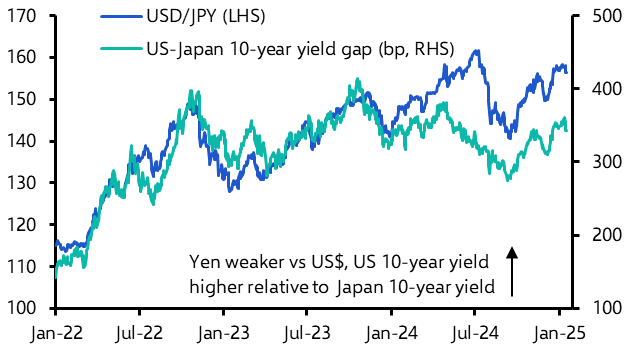
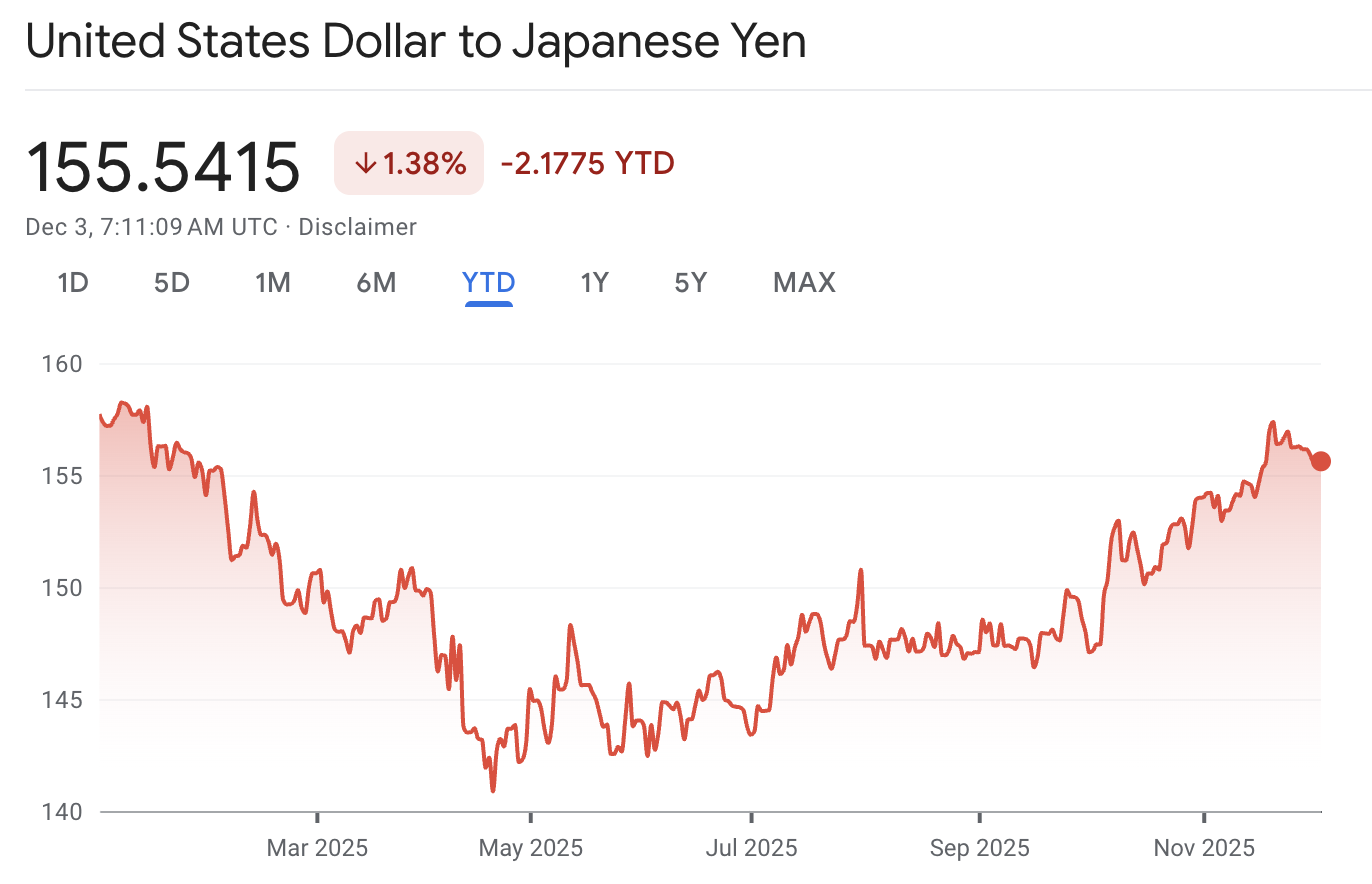
To save the yen:
- More hikes signaled for 2026 (potentially to 1%).
- Unwind yen carry trade: Narrowing U.S.-Japan yield gaps push funds out of USD assets.
Critically, Japan may sell U.S. Treasuries (from massive reserves) to intervene in forex or retire debt—flooding markets and pressuring USD bonds. This, amid U.S. tariffs, amplifies global risks.
Outlook for 2026: A Perfect Storm?
The transcript paints a dire picture: Tariffs ignite inflation and de-dollarization, silver signals shortages/debasement, and Japan's moves could trigger Treasury dumps. While exaggerated (e.g., no $18 trillion revenue), data supports weakening USD, tariff pains, and commodity frenzy. Investors: Brace for volatility; diversification into metals or alternatives may hedge risks.
(Approximate reading time: 10 minutes)
9 "Sweet Lies" Women Tell When Using a Man — And How to Spot the Truth
Women who exploit men rarely admit it outright. Instead, they use flattering, harmless-sounding phrases to keep you invested—providing time, attention, emotional support, or money—while avoiding real commitment. This video aims to empower respectful men to recognize manipulation, not to criticize all women. Focus on actions over words: Genuine interest shows consistency and reciprocity.
:max_bytes(150000):strip_icc()/how-to-tell-if-spouse-is-lying-2300996-1500x1000-Text-Final-18b579094ea643da9c12068e49980947.png)
:max_bytes(150000):strip_icc()/10-red-flags-in-relationships-5194592-final-95724a6fa0094612b5b91caa62c8dba7.gif)

1. "I'm Over My Ex"
Hidden Meaning: He's still relevant (texts, thoughts, or contact). She cries on your shoulder, calls you "different," but posts cryptic quotes or keeps him around. You're likely a rebound filling a void. Truth Indicator: She never mentions him, doesn't stalk his socials, and mood stays stable. Red Flag: Excessive ex-talk without investment in you.
:max_bytes(150000):strip_icc()/pathologicalliar-GettyImages-1454367444-3257d2484249495f83664c8b7dd22f72.jpg)
2. "We Don't Need Labels"
Hidden Meaning: She wants boyfriend perks (dates, intimacy, support) without exclusivity or commitment. You're monogamous; she's not—still on apps or seeing others. Truth Indicator: She deletes apps, treats you like her partner (e.g., social media posts). Red Flag: Dodging "What are we?" after meaningful time together.
3. "You're Different from Other Guys"
Hidden Meaning: Buttering you up to chase harder—it's a recycled script. Feels flattering, but actions show flakiness or convenience-only contact. Truth Indicator: Consistent effort, initiation, and support for your goals. Red Flag: Words without matching behavior.

4. "I Don't Care About Money"
Hidden Meaning: She enjoys your spending but avoids contributing. Loves expensive outings you fund; low-key suggestions get excuses. Truth Indicator: Splits bills, suggests affordable dates, or surprises you. Red Flag: Lifestyle reliant on your wallet.


5. "I Don't Usually Do This"
Hidden Meaning: Standard line to make you feel uniquely chosen (e.g., intimacy or favors early). Often paired with confident delivery, not genuine shyness. Truth Indicator: Real hesitation, awkwardness, or vulnerability afterward. Red Flag: Never lend money pre-marriage—huge warning.
6. "I Just Need Space" (But Don't Want to Lose You)
Hidden Meaning: Keeps you as backup while exploring options. Still texts when bored/needy, but posts hint at others. Truth Indicator: Clear communication, timeline, and genuine follow-through. Red Flag: Breadcrumbing without risking loss.
7. "You Deserve Someone More Amazing Than Me"
Hidden Meaning: Soft rejection—flattery to ease orbiting while seeking elsewhere. Praises you as "husband material" but never commits. Truth Indicator: Full withdrawal (no mixed signals or check-ins). Red Flag: Keeps hope alive manipulatively.
8. "You Just Get Me"
Hidden Meaning: You're her free emotional support ("tampon"), not romantic partner. Unloads problems, calls you a great listener/friend, but no flirtation or dates. Truth Indicator: Reciprocal interest, physical affection, and effort. Red Flag: Friend-zone venting without romance.
9. "I'm Not Ready for a Relationship Right Now"
Hidden Meaning: Not ready—with you. Buys time until preferred option appears. Keeps contact/favors flowing, then dates someone else soon after. Truth Indicator: Clean break—no stringing along. Red Flag: Polite evasion of commitment.
These phrases hook via flattery while extracting benefits. Genuine women match words with actions: Investment, commitment, respect. Spot patterns early—prioritize reciprocity to avoid exploitation.

(Approximate reading time: 10 minutes)
Russia's Economic Strains in Late 2025: Sanctions, War Costs, and Domestic Pressures
As 2025 draws to a close, Russia's economy faces significant challenges from prolonged war spending, Western sanctions, Ukrainian strikes on infrastructure, and structural issues like labor shortages and high interest rates. While some narratives claim imminent "collapse" with hyperinflation and empty shelves, official data and independent analyses paint a picture of slowing growth, persistent inflation, and mounting fiscal strain—resilient so far due to military prioritization, but increasingly unsustainable into 2026.
Inflation and Living Standards: Elevated but Cooling
Inflation has been a major pain point, peaking earlier in the year but easing by December. Official figures show ~8-9% annual rate mid-year, dropping to ~6% by year-end (Central Bank target: below 6%).
The Central Bank cut rates to 16% in December, signaling confidence in disinflation, though expectations remain elevated. Wages grew in real terms earlier but stagnated amid cooling demand. No widespread reports of "empty shelves" or 15%+ inflation; food and essentials prices rose, but shortages are localized (e.g., fuel in some regions from strikes).
GDP Growth: Sharp Slowdown After War Boom
After ~4% growth in 2024 (war-fueled), 2025 saw deceleration: ~1-2% forecasts, with Q3 at 0.6% y/y. Central Bank projects 0.5-1%; others ~1%. Military spending (~6-8% GDP) drove prior expansion but now crowds out civilian sectors amid labor shortages and high rates.
Sanctions and Frozen Assets: Indefinite Lock and Growing Pressure
~€210bn ($246bn) in Russian Central Bank assets remain frozen in Europe (mostly Euroclear, Belgium). In December 2025, the EU made the freeze indefinite (no 6-month renewals), removing veto risks (e.g., Hungary) and facilitating potential loans to Ukraine (~€90-165bn backed by profits/collateral).
Russia sued Euroclear; no relief expected. This limits war funding and stabilization, though Russia uses National Wealth Fund and domestic borrowing.
Ukrainian Drone Strikes: Significant but Not Crippling Oil Sector
Ukraine's 2025 campaign hit ~17-20 refineries, disrupting ~10-20% capacity temporarily (peaks higher during waves). Fuel shortages emerged regionally; prices rose ~9% gasoline.
Russia offset via spare capacity; exports curbed but not collapsed. Oil revenues down (e.g., 49% drop one month), amplified by sanctions on Rosneft/Lukoil and discounts.
War Costs and Domestic Impact: Unsustainable Trajectory
Military budget ~$149bn (first 9 months); deficit widening despite tax hikes. Reserves/NWF depleted ~60%. Public frustration grows (polls show declining living standards perception), but repression limits unrest. Analysts warn of 2026 risks: recession (~0-1% growth), banking strains, deeper shortages if strikes/sanctions intensify.
Russia's economy shows resilience through adaptation (China/India trade, parallel imports) but faces "guns vs. butter" trade-offs. No imminent hyperinflation or total collapse, but slowing growth, fiscal exhaustion, and external pressures signal vulnerability—potentially tipping if war prolongs without resolution.
(Approximate reading time: 10 minutes)
Iran's Severe Water Crisis in Late 2025: Drought, Mismanagement, and Calls to Relocate Tehran
Iran faces one of its worst droughts in decades, with record-low rainfall, critically depleted reservoirs, and escalating shortages affecting millions—particularly in Tehran (metro population ~15 million). President Masoud Pezeshkian has repeatedly warned that the capital may become uninhabitable without significant rain, framing relocation as "inevitable" or a "necessity." While dramatic claims of total collapse or mass refugee waves lack evidence, the crisis is real: driven by climate variability, over-extraction, and decades of policy failures.
The Crisis on the Ground: Low Reservoirs and Daily Struggles
Fall 2025 was Iran's driest in over 50 years, with rainfall ~80-90% below average in many areas. Tehran's five main dams (e.g., Latyan, Amir Kabir) dropped to ~9-14% capacity by November—half last year's levels.
Residents face intermittent taps (muddy when flowing), long queues for tankers, and pressure reductions (especially nights). Hygiene issues and sewage backups raise disease risks. Public prayers for rain and cloud-seeding operations (using silver iodide via aircraft/drones, including IRGC involvement) reflect desperation—though experts call seeding limited/ineffective without moisture.
No widespread "empty shelves" or epidemics reported, but rationing threats and high-use penalties emerged.
Root Causes: Mismanagement Over Nature Alone
Prolonged drought (6+ years) exacerbates issues, but experts blame human factors:
- Over-extraction: ~90% water for inefficient agriculture (flood irrigation, subsidized rates); millions of wells (half illegal).
- Dams: Hundreds built, disrupting rivers and increasing evaporation.
- Population/urban growth: Tehran's demand overwhelms supply.
Result: "Water bankruptcy"—aquifers depleted irreversibly in places.
Land Subsidence: Tehran's Sinking Foundation
Groundwater loss causes severe subsidence: Tehran areas sink ~20-35 cm/year (world's fastest in spots), damaging infrastructure (pipelines, metro, buildings).
Irreversible compaction threatens stability; uneven sinking risks cracks/failures.
Relocation Proposal: Serious but Long-Term
Pezeshkian (October-November 2025) stated relocating the capital is "no choice" or "obligation," proposing southern Makran coast (Gulf of Oman) for better access to sea/desalination.
Studies ongoing since January; costs ~$100bn+, decades to implement. Not elite "escape"—aims to ease Tehran's burden. Evacuation threats were conditional (no rain by December); some rain fell mid-December.
Broader Impacts and Outlook
Inflation (~38-45%) compounds hardships, but no hyperinflation. Internal migration (e.g., north) reported, with local tensions—but no mass "water refugees" to Turkey or civil war. Protests possible if shortages worsen.
Experts urge reforms: Better irrigation, governance, subsidies. Crisis highlights regional vulnerabilities, but not imminent state collapse.
(Approximate reading time: 10 minutes)
President's Daily Brief – December 26, 2025: Key Global Developments
Mike Baker's episode covers escalating pressures on Cuba from U.S. actions against Venezuela, diplomatic shakeups in the Trump administration, renewed instability in Syria, and symbolic propaganda in North Korea. These stories highlight interconnected geopolitics, unintended consequences, and regime resilience amid crises.
Cuba's Cascading Crisis: U.S. Pressure on Venezuela Disrupts Oil Lifeline
Cuba faces deepening energy and economic woes as U.S. enforcement against Venezuela's illicit oil trade (tankers, shadow fleet) reduces subsidized shipments—Cuba's main fuel source in exchange for medical/intelligence support.




Impacts include widespread blackouts (hours/days long), failing refrigeration/water pumps, food spoilage, transport disruptions, and rising shortages/diseases. ~25% of population (~2.7 million) has emigrated since 2020 amid prolonged hardship.
Cuba's vulnerability stems from dependency on external allies (post-Soviet "Special Period" repeat). No immediate replacement; humanitarian risks could spur larger migration toward U.S./region.
Trump Administration Recalls ~30 Career Ambassadors
The White House ordered ~30 career diplomats (Biden-era appointees) home by mid-January to align diplomacy with "America First."


Unprecedented for non-political ambassadors; heaviest in Africa (~15 posts). State Dept. defends as presidential prerogative; diplomats' union calls abrupt/irregular, risking morale/continuity (China has more missions globally).
Part of broader reorganization under Secretary Marco Rubio, including prior layoffs.
Syria: Clashes in Aleppo Amid SDF Integration Talks
Gunfire erupted in Aleppo (December 22) between Syrian forces and Kurdish-led SDF, killing ~2-3 civilians and wounding 30+; both sides blame each other, but de-escalated same day.


Coincided with Turkish FM visit; Ankara supports integration but views SDF as PKK-linked terrorists. March agreement for SDF absorption into state forces stalls—clashes highlight fragility in post-Assad transition.
North Korea: Kim Jong Un Opens Luxury Resort with Daughter
Kim and daughter Ju Ae (presumed heir) inaugurated upscale Samjiyon mountain resort (5 hotels, leisure facilities) near China border—propaganda symbol of "progress."




Surreal amid poverty/shortages; aimed at elites/controlled tourism. Ju Ae's prominence signals dynastic grooming.
These updates underscore fragile alliances, diplomatic realignments, and regime optics amid hardships.
(Approximate reading time: 10 minutes)
Britain's Shoplifting Crisis in 2025: Record Highs, Violence, and High Street Decline
Britain's retail sector faces a severe shoplifting epidemic in 2025, with record offences, rising violence against staff, inadequate police responses, and accelerating store closures. Official data confirms highs since records began, driven by organized gangs and prolific offenders exploiting low consequences. Retailers bear billions in costs, passed to consumers via higher prices.
Record Shoplifting Levels
Police-recorded shoplifting in England and Wales hit 530,643 offences in the year to March 2025—highest since 2003, up 20% year-on-year.
Later figures show ~529,994 to June (up 13%). London: ~93,000-102,000 offences, up 42-54%. Retailers estimate true incidents far higher, as many go unreported due to poor police follow-up.
Organized Gangs and Prolific Offenders
October 2025's Operation Zoridon (Met Police): Raided 120+ shops reselling stolen goods; seized thousands of items (£100,000s worth, including phones, consoles, beauty products); 32 arrests, closures issued. Linked to drugs/violence; many bailed quickly.
Prolific cases: One offender hit stores 102 times (£16,000+ stolen) before sentencing (3+ years). Security guards report daily £500 losses, knife threats, resale chains.
Costs to Retailers and Consumers
Direct theft losses: ~£2.2 billion annually (BRC). Prevention spending: £1.8 billion (up 52%). Total: £4.2 billion—adds ~6p per transaction.
Tech investments (CCTV, fog systems, AI) soar, e.g., £100,000 per luxury store.
Violence Against Workers
2,000 daily incidents of violence/abuse (BRC); weapon-related up 180% (~70/day). Surveys: 70% verbal abuse, 46% threats, 18% assaults. Staff fear knives pulled early; offenders emboldened by low response.
Inadequate Police/Prosecution Response
~80-82% cases closed without charges; <20% prosecuted. Many unreported (91% abuse, 47% thefts) due to lost faith. Offenders act openly, knowing impunity.
High Street Closures
~13,479 shops closed in 2024 (37/day, up 28%); independents hit hardest (84%). Projections: ~17,350 in 2025. Chains (Body Shop, Carpetright) and independents fold amid thin margins.
Government actions (Crime and Policing Bill): Remove £200 threshold, new assault offence. Incremental; critics say enforcement lags.
The crisis reflects systemic issues: Low deterrence fuels boldness, eroding communities as shops vanish.
(Approximate reading time: 10 minutes)
Anheuser-Busch Closes Fairfield Brewery: End of an Era in the Bay Area (December 2025)
In mid-December 2025, Anheuser-Busch (AB InBev) announced the closure of its Fairfield, California brewery—its last in the Bay Area—set for early 2026 (February 22). The 1976-opened plant, brewing over 20 brands, ends nearly 50 years of production.



This is part of a national consolidation: closing Merrimack, NH; selling Newark, NJ (75-year-old). ~475 jobs affected nationwide; employees offered relocations.
Local Impact on Fairfield
The plant was a community pillar: funded police dogs, hosted Clydesdales events, provided good jobs.



Mayor Catherine Moy called it "devastating"—tax losses ~$10-23 million (city/state/federal). Workers (many long-term, nearing retirement) expressed sadness. Site assets (green power, water/sewer) could attract new manufacturing.
Broader Reasons: Industry Decline and Consolidation
AB InBev cited modernization ($2B invested in U.S. facilities) and shifting production to optimize for "growing brands."
U.S. beer market struggles: ~1-5% volume decline 2024-2025; younger consumers prefer low-cal alternatives (seltzers, RTDs). Craft down 4-5%; overall alcohol consumption at record lows.
Lingering 2023 Bud Light boycott (Dylan Mulvaney campaign) cost ~$1.4B; brand sales down ~40% long-term, slipped to #3.
California's Business Climate Debate
The podcaster links closure to California's "anti-business" policies (high taxes, regulations, costs)—part of broader exodus (Chevron HQ move, others).

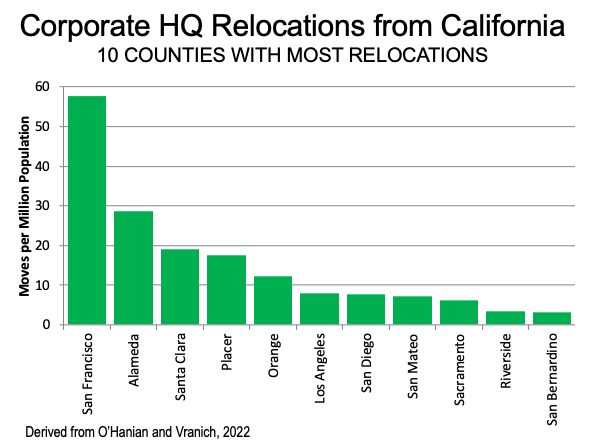
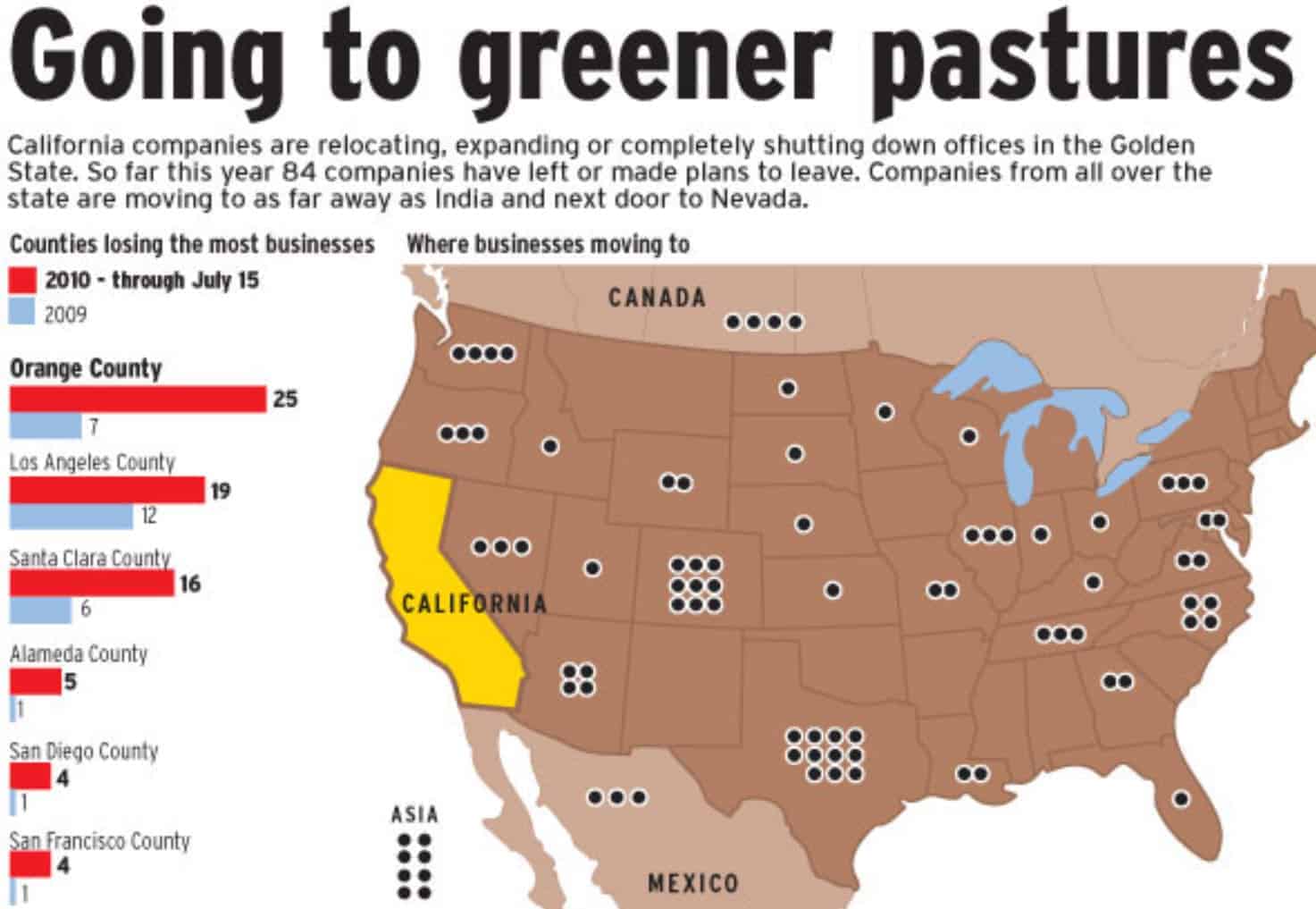


Mayor echoed "hostile environment." However, closures span states (NH, NJ)—primarily industry consolidation amid declining demand.
Fairfield marks another high-profile departure, amplifying California's challenges attracting/retaining manufacturing.
(Approximate reading time: 10 minutes)
China's Economic Reality Behind Official Optimism (Late 2025)
At the Central Economic Work Conference (December 10-11, 2025), Xi Jinping and leaders projected confidence: Reviewed 2025 achievements, emphasized resilience against external pressures (sanctions, tariffs), and outlined 2026 priorities like boosting consumption, tech innovation, and fiscal/monetary easing. The tone: China remains strong, on track for goals, starting the 15th Five-Year Plan (2026-2030) positively.
Yet November data (released mid-December) reveals strain, highlighting a gap between rhetoric and reality. The critique portrays "resilience" as endurance through public sacrifice, not broad prosperity—substantiated by weakening indicators.
Key November 2025 Indicators (Official NBS Data)
- Industrial Production: +4.8% y/y — slowest in 15 months (down from October), signaling fading manufacturing momentum despite export strength.
- Retail Sales/Consumption: +1.3% y/y — weakest since end-2022 (post-zero-COVID), down for six months despite subsidies (e.g., autos).
- Fixed Asset Investment (Jan-Nov): -2.6% y/y — on track for worst since 1998, dragged by real estate (-15.9-16%).
- Real Estate Prices: Major cities down ~15-20% y/y; ongoing slump erodes wealth/confidence.
These reflect structural issues: Property crisis, subdued demand, fading stimulus effects.
The $1 Trillion Trade Surplus: Strength or Subsidy?
China hit ~$1.08 trillion surplus in first 11 months (full-year ~$1.2T)—record high, driven by exports (+5-6%) despite U.S. tariffs.
But thin margins (e.g., 1% in some cases) mean little profit trickles to households. Weak yuan boosts competitiveness but suppresses wages/purchasing power, keeping consumption ~40% GDP (vs. global ~60%). Surplus subsidizes global buyers at Chinese workers' expense—structural, not sustainable prosperity.
Broader Challenges
- Debt/Deflation Risks: Rising local debt, potential money printing; weak demand risks yuan depreciation without intervention.
- Property Irreversibility: Oversupply, falling prices; confidence low.
- Global Impacts: Luxury brands/Germany feel demand drop.
Beijing acknowledges issues (e.g., Qiushi article on domestic demand as "imperative"), planning looser policy. But reforms limited by priorities (tech self-reliance, control). No collapse imminent, but slowing growth (~4-5% 2025) and imbalances persist—rhetoric of victory contrasts household strain.
(Approximate reading time: 10 minutes)
Iran's Escalating Water Crisis: Drought, Shortages, and Socio-Economic Fallout (2025)
Iran faces a severe, multi-year water crisis in 2025—exacerbated by prolonged drought, decades of mismanagement, over-extraction, and climate change. President Masoud Pezeshkian warned Tehran could become uninhabitable without rain, floating capital relocation as a "necessity." While not imminent collapse, shortages disrupt daily life, agriculture, industry, and fuel protests/unrest.




The Acute Drought and Visible Impacts
2025 marks Iran's sixth consecutive drought year, with fall the driest on record (rainfall down 81-90% in places). Tehran's dams ~10-14% capacity (some near empty); rationing, low pressure, queues for tankers common.



Lake Urmia (once Middle East's largest saltwater lake) nearly dried up (~581 sq km surface, 0.5 bcm volume by August—down >98% historically).
Salt/dust storms worsen health, pollution. Efforts like cloud-seeding ineffective without moisture.
Root Causes: Mismanagement and Overuse
~90% water to inefficient agriculture (12% GDP, 14% jobs). Illegal wells (~13,000 sealed/year, little dent), unplanned dams increase evaporation/disrupt flows.
Groundwater depletion causes subsidence (Tehran sinks 20-35 cm/year—world's fastest). Climate amplifies: Warmer temps, less snowpack/rain.
Economic and Employment Fallout
Factories reduce/close (steel, chemicals need water); agriculture fails → food prices rise, imports up. Unemployment ~7-8% overall (higher youth/graduates ~20-35%, women ~14-35%).
Inflation ~38-45%; sanctions limit investment/recovery. Internal migration strains cities; rural abandonment.
Social Unrest and Protests
Water-linked protests frequent (e.g., Isfahan farmers April 2025 over Zayandeh Rud; student/local demos May-August).


Slogans: "Water, electricity, life—our basic right." Often suppressed, reflect broader frustration.
Outlook and Potential Solutions
Relocation studies ongoing (Makran coast for desalination)—long-term, costly. Experts urge: Efficient irrigation, crop shifts, governance reforms, qanat restoration.
Crisis risks unrest, migration, health issues—but reversible with political will. "No water, no jobs" captures intertwined threats.
(Approximate reading time: 10 minutes)
China's Converging Crises: Property Meltdown, Global Isolation, and Tech Vulnerabilities (Late 2025)
China faces mounting interconnected pressures: a deepening property crisis symbolized by China Vanke's liquidity crunch, intensifying international coalitions targeting its supply chains and tech dominance, and reports of breaches in U.S. semiconductor export controls. Official rhetoric emphasizes resilience, but data reveals structural weaknesses.
Vanke's Crisis: The "Last Safe" Developer Teeters
China Vanke, long seen as the most stable state-backed developer, disclosed in November-December 2025 that major shareholder Shenzhen Metro demanded collateral for existing unsecured loans (~$2.8-3.1B) and capped further support.
Dollar bonds plunged ~70% (to ~20 cents); onshore extensions sought/rejected initially, grace periods granted temporarily. Ratings slashed to near-default; analysts (CICC, Fitch) deem insolvent. ~$50B+ total debt; offshore ~$7B.
Signals end of implicit bailouts; potential restructuring looms. Property investment down ~16%; prices -15-20% in cities. Systemic risks: Unsecured debt exposes banks; erodes buyer confidence in oversupplied market.
Pax Silica: U.S.-Led Alliance to Counter China in Tech/Minerals
Launched December 11-12, 2025: Pax Silica ("peace through silicon")—U.S.-initiated coalition for secure AI/tech supply chains.
Core signatories: U.S., Japan, South Korea, Singapore, Australia, Israel (UK mentioned). Guests/expansion: EU, Canada, Netherlands, UAE. Aims: Coordinate critical minerals, semiconductors, AI infrastructure; reduce "coercive dependencies" (China's rare earths dominance, export weaponization).
Challenges Belt and Road; promotes "trusted" ecosystems. China condemned as protectionist.
Alleged Smuggling of Banned Nvidia Chips
Reports (The Information, December 2025) allege Chinese startup DeepSeek trained advanced models using thousands of smuggled Nvidia Blackwell GPUs (banned for China).
Method: Via third-country data centers (e.g., Southeast Asia); dismantled, falsely declared, reassembled. Nvidia denies evidence, calls "far-fetched," vows investigation. Highlights enforcement challenges in U.S. controls.
Supporting Developments
Mexico approved 5-50% tariffs (December 2025) on ~1,400 Asian products (mainly China)—aligns with U.S. efforts to block transshipment.
These converging pressures expose vulnerabilities: Property rot systemic, global coalitions isolate supply chains, tech leaks undermine controls. Beijing's "resilience" narrative strains against data-driven realities.
(Approximate reading time: 10 minutes)
13 Things Weak Men Do That Smart Men Avoid — Patterns That Kill Attraction
In dating and relationships, many men unknowingly exhibit behaviors that erode respect and attraction. Feminine women respond instinctively to strength (grounded confidence, leadership, self-respect), not weakness (neediness, reactivity, blame). These 13 patterns—drawn from common observations and comments—keep men stuck in the friend zone, resentment, or unfulfilling dynamics. Awareness enables growth; smart men prioritize standards over validation.
1. Apologize for Being Masculine
Weak men soften tone/words, filter opinions, or shrink to avoid seeming "toxic." Smart men own grounded masculinity (decisive, calm under pressure) without aggression. Key: No apology for authentic self—women feel safe with unapologetic presence.
2. Blame Women for Their Own Weakness
Weak men rant about "modern women" for rejections/heartbreaks. Smart men study patterns, accept differences in psychology, and enforce boundaries. Key: Accountability empowers; blame disempowers and repels good women.
3. Let Women Set All the Terms
Weak men allow her to dictate pace, effort, definition—thinking it progressive. Smart men lead from the start (clear intentions, standards). Example: On "I'm not sure what I want," smart man walks if no reciprocity. Key: Leadership gives her something to follow.
4. Chase Women Who Don't Want Them
Weak men double-text, overpraise, pursue uninterested signals. Smart men recognize effort as interest; never chase runners. Key: Attract those who stay—chasing signals insecurity.
5. Stay When Disrespected
Weak men tolerate belittling/tests fearing loss. Smart men enforce respect by removing presence (no begging). Key: Respect earned through boundaries, not pleas.
6. Ignore Red Flags Because She's Hot
Weak men overlook instability/drama hypnotized by beauty. Smart men prioritize behavior over looks—peace over chaos. Key: Beauty fades; patterns repeat.
7. Confuse Niceness with Strength
Weak men over-compliment, agree constantly—niceness as strategy. Smart men are kind/generous with backbone (say no, disagree calmly). Key: Emotional strength > fear-driven agreeability.
8. Let Lust Make Decisions
Weak men rush futures based on physical rush, ignoring incompatibility. Smart men balance desire with compatibility (conflict handling, values). Key: Lust blinds; self-control directs.
9. Fear Rejection More Than Regret
Weak men overthink/avoid approaches, waiting for "perfect" signs. Smart men treat rejection as data/filter—action builds confidence. Key: Regret lingers; rejection passes.
10. Overshare to Get Sympathy
Weak men unload traumas/insecurities early, seeking comfort. Smart men share vulnerably with composure (lessons, not wounds). Key: Vulnerability ≠ neediness; mother mode kills attraction.
11. Seek Validation Online
Weak men post for likes/hearts to feel worthy. Smart men build real results; use socials as tool, not mirror. Key: Achievement > approval.
12. Let Emotions Run the Show
Weak men react volatilely (yell, accuse, chase). Smart men feel deeply but respond controlled—calm under pressure. Key: Steadiness makes her feel safe.
13. Compete with Women Instead of Leading
Weak men argue to "win," mirror/react to her energy. Smart men guide/diffuse with humor/composure. Example: On challenge, playful deflection vs. ego battle. Key: Lead her energy; don't mirror chaos.
These aren't judgments—patterns for growth. Weakness stems from fear/insecurity; strength from self-respect/accountability. Women crave men they respect—starting with how he respects himself. Enforce standards; attract reciprocal partners.
(Approximate reading time: 10 minutes)
Russia's Growing Dependence on China: Economic Leverage, Territorial Concessions, and Domestic Backlash (Late 2025)
In a December 2025 interview, Ukrainian President Volodymyr Zelenskyy accused Russia of "surrendering sovereignty" to China amid the Ukraine war—echoing concerns from Russian bloggers and citizens. Russia's economy, strained by sanctions and war costs, relies heavily on Beijing for survival, trading raw materials for tech/dual-use goods. This imbalance grants China leverage, fueling territorial encroachments and oil discounts. Despite Kremlin propaganda portraying Europe as declining, Russian cities face austerity, debunking claims.
Zelenskyy's Accusation and the Broader Context
Zelenskyy highlighted Russia's vulnerability: "In Russian history, no one has ever surrendered sovereignty to China... Putin is willing to pay just to avoid ending this war." He tied this to Siberia's resources (e.g., Lake Baikal's freshwater), coveted by water-stressed China.
Russia's "hot war gambit" weakens it against China's strength, accelerating Belt and Road influence in Central Asia—peeling away Russia's sphere.
Surging but Unequal Trade: Russia's "Raw Material Colony"
Bilateral trade hit ~$240-250 billion in 2025 (up 66% from 2021), but asymmetric:
- Russia: 34% exports to China (mainly oil/gas; ~70-80% of total).
- China: 4% exports to Russia (tech, consumer goods, dual-use items like machine tools/semiconductors—vital for Russia's military via disassembly/reuse).
Russia lacks alternatives due to sanctions; China exploits this. Russian war bloggers lament: "We are a raw material appendage for China... siphoning off our assets for their goals."
Territorial and Sovereignty Concessions
China's 2023 maps renamed Siberian cities (e.g., Vladivostok as "Haishenwai"), echoing nationalist calls for "lost territories" from Qing-era treaties.
Russia's responses:
- 2024: Negotiations for Chinese ships on Tumen River (access to Sea of Japan).
- 2025: Visa-free entry for Chinese citizens (up to 30 days); Russian reactions: "Siberia screwed," "Chinese expansion beginning."
Putin yields preemptively to avoid force, turning Russia into a "resource colony."
Oil Discounts: Economic Squeeze Accelerates
December 19 report: Russia's January 2026 oil tax revenues may hit invasion-era low due to China's demands.
Russian Urals crude: ~$35-40/barrel (vs. Brent $58-60)—lowest since pandemic; pre-war parity eroded. Allies refuse orders, forcing sales below cost. War funding strains; 2026 acceleration expected as economy "disappears."
Domestic Backlash and Propaganda Failures
Kremlin claims EU "descending into darkness" (no Christmas lights due to energy costs)—countered by videos from Russian cities (e.g., dim/no decorations in Moscow, St. Petersburg). Citizens mock: "Our cities are dark too."
Public frustration grows; bloggers decry sellout. No mass unrest, but awareness rises.
Broader Implications and Fundraiser
Russia's dependence risks sovereignty loss; China's leverage strengthens amid war. Transcript promotes United24 fundraiser for Ukrainian schools damaged by Russia—link/QR for donations.
Despite bravado, Russia's position weakens; 2026 may deepen crisis.
(Approximate reading time: 10 minutes)
China's Economic Downturn Deepens in Late 2025: Weak Demand, Deflationary Pressures, and Global Implications
China's economy showed persistent weakness in November 2025 data (released mid-December), with slowing industrial output, plunging retail sales, and contracting investment—signaling subdued domestic demand despite export strength. Official rhetoric at the Central Economic Work Conference emphasized resilience, but indicators point to structural challenges: property slump, consumer caution, and "anti-involution" policies restraining supply amid deflation risks. Globally synchronized slowdown drags energy prices (WTI ~$55-58/barrel, contango returning).
November Key Indicators: Demand-Side Weakness Dominates
- Retail Sales/Consumption: +1.3% y/y (slowest since Dec 2022; down from Oct). Monthly: -0.42% (sharpest drop since Oct 2022). Six-month slowdown despite subsidies—households brace for job/income risks.
- Industrial Production: +4.8% y/y (weakest in 15 months; down from Oct). Resilient via exports/high-tech, but margins thin.
- Fixed Asset Investment (Jan-Nov): -2.6% y/y (worst trajectory since 1998). Private: -5.3%; real estate ~ -16%. Accumulated rate plunged from +3.7% (May) to negative.
- Property Prices: Major cities -15-20% y/y; sales/investment accelerating downside.
Household lending declined two straight months (first in 20+ years)—consumers deleverage amid uncertainty.
Structural Roots: From Stimulus Failure to "Flat Beverage" Anticipation
Post-2024 "bazooka" stimulus faded; Beijing shifted to restraining "overproduction" (anti-involution) to curb deflation—risking job cuts as supply matches weak demand.
Consumers/businesses anticipate labor market softening (private surveys: pessimism on hiring since 2020). Wages grew slowest on record (~1.7% private 2024).
Trade surplus ~$1T+ (record), but profits razor-thin; weak yuan boosts exports but suppresses purchasing power (consumption ~40% GDP vs. global norms).
Energy Markets: Demand Signals Over Supply Glut
WTI ~$55-58/barrel (near 5-year low); futures curve contango (e.g., spreads narrow, backwardation fading). Gasoline wholesale crashes despite winter seasonality.
Attributed less to "glut" than global demand weakness (China + US "flat beverage"). OPEC+ adds supply, but shortfall demand-driven.
Broader Outlook: Vicious Cycle Risks
Deflation persists (PPI down months); confidence low. 2026: More downside if exports falter (trade wars). Stimulus pledged, but limited scope.
China's slide amplifies global synchronized slowdown—credit/energy markets reflect it.
(Approximate reading time: 10 minutes)
China Uncensored Weekly Headlines (Late December 2025)
This week's episode covers Taiwan's security challenges and diplomatic wins, Vietnam's assertive South China Sea buildup, escalating EU-China trade friction, U.S.-Venezuela tensions with Chinese rhetoric, and lighter tech/trade notes. Amid tragedy in Taiwan, positive developments counterbalance Chinese pressure.
Tragedy in Taiwan: Knife Attack and Earthquake
December 19, 2025: 27-year-old Chang Wen launched a planned attack in central Taipei—smoke grenades at metro/street, then stabbings. Killed 3 (including hero interveners), injured 11. Attacker died falling from building during chase. Motive unclear (no terrorism/ideology); prior record. Security heightened at hubs.
December 24: M6.0-6.1 quake struck southeastern Taitung—no major damage/injuries reported, buildings shook in Taipei.
Major U.S. Arms Package to Taiwan
December 17-18: Trump administration approved ~$11.1 billion arms sales—largest ever. Includes 82 HIMARS, 420 ATACMS missiles, 60 howitzers, drones, spares. Boosts asymmetric defense amid Chinese pressure. China condemned as violating "one-China" principle.
Honduras Election: Potential Shift Back to Taiwan
November 30 election (results delayed, but Nasry Asfura won): Both frontrunners pledged to restore ties with Taiwan (cut 2023 under Castro for China). Criticized unfulfilled Chinese promises (e.g., shrimp exports, infrastructure). Taiwan open; could add diplomatic ally.
Vietnam's Spratly Islands Militarization
2025: Vietnam reclaimed/fortified multiple reefs (e.g., Collins, Alison)—now ~2,300+ acres, nearing China's scale. Includes harbors, runways (e.g., Barque Canada ~8,000 ft), munitions storage. Defensive counter to China; outgunned but assertive.
EU-China Dairy Trade Dispute
December 22: China imposed provisional duties up to 42.7% on EU dairy (milk, cheese) after anti-subsidy probe—retaliation for EU EV tariffs. EU condemned as "unjustified"; WTO action possible.
U.S.-Venezuela Tensions; China Rhetorical Support
U.S. seized tankers (Venezuelan oil, some China-bound) under blockade. China condemned "bullying," backed Venezuela at UNSC (with Russia). No major aid; wary of escalation.
Other Notes
- U.S. delayed new China chip tariffs to June 2027 (0% initially).
- Nvidia may ship H200 GPUs to China (pending approval).
- FCC banned new foreign (esp. Chinese) drones over security.
- Hong Kong 2097 game delisted from Steam (unlicensed content).
Episode promotes Surfshark VPN and fundraiser for Ukrainian schools via United24.
(Approximate reading time: 10 minutes)
Growing Backlash Against China's Belt and Road in Africa and Beyond (2025)
China's Belt and Road Initiative (BRI) faces increasing resistance in Africa and other regions in 2025, driven by environmental damage, economic exploitation, debt burdens, and local resentment. While BRI delivered infrastructure, poor execution, corruption, and minimal benefits fuel protests, arrests, and diplomatic shifts. Narratives of outright "rebellion" or "humiliation" exaggerate, but tensions rise amid security risks and enforcement.
Mali: Security Threats to Chinese Mining Operations
Mali's instability (post-2021 coup, jihadist groups like JNIM) endangers Chinese investments (~$1.2B, mainly gold/lithium mines producing >50% output).
2025 attacks: JNIM targeted mines/factories, abducted workers (e.g., 5-6 Chinese), torched equipment, demanded ransoms. Embassy issued high warnings; urged evacuation/suspension (~100 firms affected). Self-destruction of assets to prevent capture.
Causes: Perceived exploitation, few local jobs/benefits, environmental harm. New mining laws (35% state ownership, higher royalties) strain profits.
Ghana: Crackdown on Illegal Chinese Mining ("Galamsey")
Ghana intensified anti-galamsey operations in 2025: Arrests of dozens of Chinese nationals (e.g., 3-11 per raid, armed in some cases); seizures of excavators/gold.
Laws ban foreigners from small-scale mining; penalties 20-25 years + deportation. Public fury over river pollution, forest destruction, community displacement. New Gold Commission oversees trade; foreigners barred.
Broader resentment: Chinese seen as looting resources with political connections.
Other African Patterns
Similar issues in Nigeria, Burkina Faso, DRC: Pollution, illegal mining, attacks. Enforcement varies; some debt renegotiations (e.g., Angola/Zambia). FOCAC 2025 emphasized "small/green" projects amid backlash.
Chinese Tourists in Russia: Harassment and Risks
Visa-free policy (Dec 2025-Sep 2026) boosted travel, but reports of discrimination/extortion: Police shakedowns (~$300-550), hostility ("Not good Chinese").
Migrant raids (drones, forced conscription rumors). Public abuse for speaking Chinese. Ties to Ukraine war tensions.
Montenegro: Bar-Boljare Highway ("Highway to Hell")
BRI flagship (~€1B Chinese loan/CRBC built): First section (41km) opened 2022—cost overruns, delays, cracks/tunnel issues, high maintenance (€50M+).
Environmental damage (Tara River pollution). Debt ~20-25% GDP; low traffic/tolls. Called "from nothing to nothing"; further phases uncertain/EU-aligned.
Overall BRI Backlash Trends
Debt traps, poor quality ("tofu-dreg"), corruption, minimal local gains erode support. Shifts to smaller/sustainable projects; some countries (e.g., Honduras) reconsider Taiwan ties.
China adapts (FOCAC focus on green/tech), but resentment persists amid enforcement/security risks.
(Approximate reading time: 10 minutes)
China's Rising Worker Unrest Amid Economic Slowdown (2025)
China experienced increased labor protests and factory disruptions in 2025, driven by unpaid wages, closures, and weak demand—exacerbated by U.S. tariffs, property slump, and structural shifts. While not a nationwide "explosion," incidents rose significantly (e.g., China Labour Bulletin/China Dissent Monitor: thousands documented, up sharply from prior years). Official data shows subdued consumption/investment; protests often local but widespread in manufacturing/construction hubs.
Key Economic Indicators Fueling Strain
November 2025 NBS data:
- Retail sales: +1.3% y/y (slowest non-COVID; monthly -0.42%).
- Industrial production: +4.8% y/y (15-month low).
- Fixed-asset investment (Jan-Nov): -2.6% y/y (worst trajectory since 1998; private -5.3%, real estate -16%).
- Household lending: Declined two months running (first in 20+ years).
Private surveys: Pessimism on hiring (worst since 2020); wages +1.7% (slowest record).
Surge in Protests and Shutdowns
2025 saw labor actions triple vs. prior years (China Dissent Monitor/CLB):
- Unpaid wages/delays: Common trigger (e.g., months-long arrears).
- Closures/layoffs: Export slowdown (U.S. tariffs), property bust, "anti-involution" output cuts.
- Hotspots: Guangdong, Zhejiang, Sichuan, Hunan, Inner Mongolia, Shaanxi.
Examples:
- April-May: Strikes at BYD factories (Wuxi/Chengdu—pay cuts); electronics/sports goods firms (unpaid since early 2025).
- Construction: Rooftop threats, sit-ins over arrears.
- Manufacturing: Protests at circuit board/toy plants; arson rare but reported.
Videos/social media (briefly circulated): Workers blocking gates, demanding backpay/social security.
Underlying Causes
- Demand weakness: Exports resilient but margins thin; domestic consumption low (~40% GDP).
- Property drag: Prices down 15-20%; unsold inventory.
- Policy: Stimulus faded; output restraint risks jobs.
- Tariffs: Reduced orders → closures/layoffs.
Protests localized (quick mediation/suppression); no coordinated national movement.
Outlook and Containment
Authorities prioritize stability (mediation, partial payments); enforcement uneven. Unrest signals limits of "endurance" model—workers less tolerant of delays amid uncertainty.
No imminent systemic collapse, but risks rise if slowdown deepens (forecasts ~4-5% 2025 growth). Calls for stronger stimulus/reforms to boost demand/jobs.
(Approximate reading time: 10 minutes)
6 Subtle Habits That Quietly Push Women Away — And How to Fix Them
Many men lose attraction not through big mistakes, but small, well-intentioned habits that signal insecurity, neediness, or disengagement. Courtney Ryan highlights six common ones—rooted in wanting to be respectful or impressive—that unintentionally create distance. Awareness makes them easy to correct; the fixes emphasize authenticity, balance, and emotional presence.
1. Confusing Interest with Constant Availability
Men show enthusiasm by responding instantly, canceling plans, or being free anytime—thinking it proves priority. Reality: It signals no life/routine of your own, reducing perceived value. Women want attentiveness, not someone "waiting by the phone." Fix: Respond at normal pace; keep commitments. Balance affection with boundaries—hard to replace > hard to get.
2. Acting Like You're Interviewing Her
Prepared questions show curiosity, but rapid-fire lists feel like interrogation, not connection. Reality: Turns dates into data collection; she feels spotlighted, not engaged. Fix: Question → react/share → natural follow-up. Build flow (e.g., on travel: share your experience, not next question). Conversations are exchanges, not audits.
3. Over-Explaining Yourself
Backtracking after normal comments ("Sorry, that sounded weird") or preemptively clarifying signals fear of judgment. Reality: Amplifies minor issues; communicates insecurity. Fix: Stand by words; correct calmly if needed. Confidence embraces imperfection—no need to manage her perception constantly.
4. Trying Too Hard to Prove You're a "Good Guy"
Declaring loyalty/goodness ("I'm one of the good ones") aims to differentiate from bad experiences. Reality: Feels like sales pitch; skepticism rises. Good men demonstrate via consistency, not announcements. Fix: Live values quietly—actions (treatment of others, boundaries) speak louder.
5. Being Too Emotionally Intense Too Early
Deep shares, future talk, or heavy energy soon (even pure intentions) overwhelm. Reality: Creates pressure; early dating should feel light/gradual. Fix: Build connection slowly; match her pace. Let emotions unfold naturally—avoid "stage five clinger" vibes.
6. Being Present But Not Engaged
Physically there but passive (minimal responses, no eye contact/follow-ups). Reality: Feels empty; she senses mental/emotional absence. Fix: Active participation—react ("Tell me more"), share, show genuine curiosity. Emotional presence > polite observation.
These habits often stem from good intentions (politeness, eagerness), but erode attraction by signaling insecurity or mismatch. Shift to grounded authenticity: Own your life, engage naturally, let connection build mutually. Result: Women respond with genuine interest, drawn to confidence and ease.
(Approximate reading time: 10 minutes)
Signs of Economic Strain in China's Major Cities (Late 2025)
Videos circulating on social media in late 2025 depict unusually empty subway cars during rush hours in cities like Shanghai, Beijing, Guangzhou, and Shenzhen—contrasting with historically crowded systems. Similar footage shows quiet streets, deserted malls, and low foot traffic in commercial areas. These visuals, often shared by residents, highlight reduced activity amid ongoing slowdown, though not uniform "ghost town" collapse.


Empty Subways and Reduced Urban Activity
Residents note quieter commutes, even peak times—e.g., Line 10 Shanghai, Beijing routes to Universal Studios. Factors: Remote/hybrid work persistence, migration outflows, cautious spending. Not total desertion; systems still operate normally.
Struggling Retail and Mall Vacancies
Many malls report higher vacancies (~8-11% prime areas Q2-Q3 2025); some floors empty, stores closed. Videos show deserted interiors, bored staff. Causes: E-commerce shift, weak consumption (retail sales slowed sharply Nov), property drag. Iconic closures (e.g., older malls) occur, but sector adapts (experiential focus).


Youth Unemployment and Job Market Pressures
Record ~12.2M graduates 2025; youth rate ~16.9-18.9% (urban 16-24, excluding students). Low-salary offers (e.g., ~¥1,000/month cases) spark outrage. Many in gig/low-skill jobs; "hotel tribe" (job-seekers lodging cheaply) or street sleeping reported in Shenzhen. Broader unemployment ~5.1%; private surveys show hiring pessimism.



Rural Depopulation and "Empty Villages"
Urbanization leaves many villages hollowed (elderly/left-behind children). Abandoned homes common in provinces (e.g., Guangxi, Yunnan, Hunan). Some villas vacant in peri-urban areas. Trend long-term; not new 2025 collapse.



Underlying Economic Context
November data confirms slowdown: Retail +1.3% y/y (weakest non-COVID), investment -2.6%, industrial +4.8%. Property prices down; youth jobs tough. Stimulus pledged for 2026, but demand subdued. Videos amplify perceptions of decline, though cities function—exaggerated as total "ghost towns."
China's transition shows visible strains, but resilience via exports/high-tech persists.
(Approximate reading time: 10 minutes)
U.S. Job Market Weakens in Late 2025: Rising Unemployment, Layoffs, and Low Hiring
The U.S. labor market deteriorated in 2025, with unemployment climbing to 4.6% in November (four-year high), delayed reports showing minimal job gains (e.g., +64,000 November after losses), and corporate layoffs exceeding 1.1-1.17 million (highest since 2020). Hiring slowed sharply (lowest plans since 2009), creating a "low hire, low fire" dynamic earlier shifting to more cuts. Investors eye potential Fed stimulus boosting stocks, despite risks.
Unemployment and Job Growth: Highest Since 2021
November rate: 4.6% (up from ~4.2-4.4%; partial shutdown distortion). Youth/Black women hit harder (~8-9%). Job adds: Weak (e.g., 64K November, losses prior months). Private payrolls mixed (ADP losses/reversals). Broader: Continued claims ~1.9M; perceptions deteriorated.
Record Corporate Layoffs
Announced cuts: 1.17M+ (Challenger)—up sharply; tech ~154K. Drivers: AI/restructuring (e.g., Amazon 14K, Verizon 13K+), tariffs, efficiency. Notable: Big Tech (Meta, Microsoft, Google), retail/services.
Low Hiring and Freezes
Planned hires down ~35-58%; openings stagnant/low. "Jobless boom": Growth (Q3 +4.3%) without robust hiring—AI/productivity offsets. Federal freeze (indefinite from Jan 2025) limited civilian adds.
Key Drivers of Slowdown
- Tariffs: Net manufacturing losses initially.
- AI Adoption: Replaced roles (e.g., white-collar cuts).
- Credit Tightening: Lower reserves → fewer loans → less spending/growth.
- Shutdown/Data Delays: Skewed reports; underlying softness.
Recession Debate and GDP Context
No official recession (needs two negative GDP quarters). 2025: Q1 contraction (-0.6%), Q2 +3.8%, Q3 +4.3% (strong consumer/AI). Q4 uncertain. Growth ~2.5% first three quarters; resilient but uneven.
Investor Perspective: Hope for Stimulus
Wall Street bets worsening jobs prompt Fed cuts (three 0.25% in 2025; rates ~3.5-3.75%) or printing—boosting assets via spending/debt. Historical: Stimulus disproportionately aids investors (inflation erodes wages; assets rise). Advice: Passive (SPY/QQQ) or active investing; "always be buying."
Market shifts (AI, tech) create opportunities amid uncertainty.
(Approximate reading time: 10 minutes)
U.S. Q3 2025 GDP Grows 4.3%, But Everyday Life Feels Expensive — Here's Why
The Bureau of Economic Analysis (BEA) reported on December 23, 2025, that real U.S. GDP expanded at an annualized rate of 4.3% in Q3 (July-September)—stronger than initial estimates and forecasts of ~3.3-3.8%, marking the fastest pace in two years. Driven by consumer spending, exports, and business investment, this suggests resilience amid challenges. Yet many Americans feel squeezed by high costs—GDP measures money movement, not well-being or affordability. Transcript explains the disconnect, emphasizing structural shifts benefiting companies/investors over households.

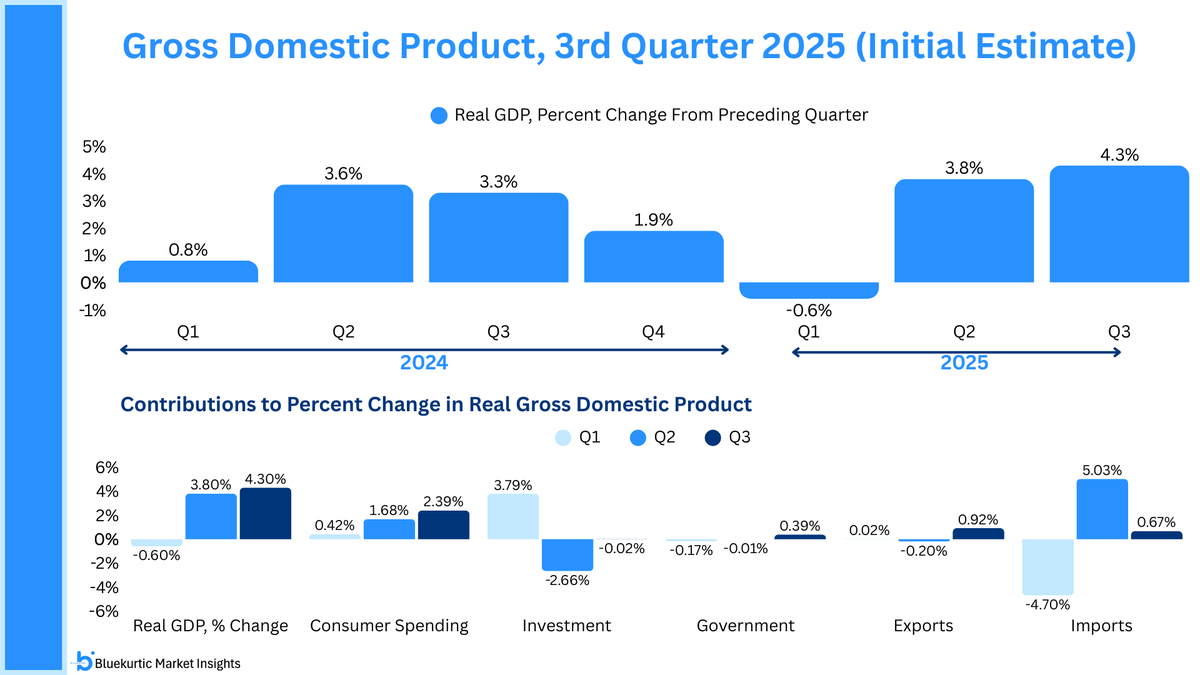
What Is GDP? A Quick Breakdown
Gross Domestic Product (GDP) is the total value of goods/services produced in the U.S. over a period—primary gauge of economic health. Calculated quarterly, it sums:
- Consumer spending (~70%).
- Business investment.
- Government outlays.
- Net exports (exports minus imports).
Q3's 4.3% growth signals expansion, but looks backward—what already happened, not future risks. BEA revisions possible; Q4 data delayed by shutdown.
Why Strong GDP Doesn't Feel "Strong" for Most People
GDP tracks money flow, not quality of life. It rises even if costs soar or sentiment sours—misleading as a "feel-good" metric.
- Inflation Compounds Costs: Core CPI (excluding food/energy) at 2.6% y/y in November (BLS Dec 18)—prices rise slower than peaks (~9% 2022), but still compound. Groceries/rent/insurance up; GDP counts spending, ignoring credit use/defaults.
- Consumer Sentiment Lags: People feel "expensive" due to stagnant real wages, debt burdens—GDP ignores stress.
- Credit/Defaults Mask Issues: Higher spending via cards boosts GDP, but delinquencies rise.
Transcript analogy: Inflation like a slowing car (from 90 to 35 mph)—still moving forward, but costs accumulate.
Connections to Other Indicators: Jobs, Inflation, Fed Actions
- Unemployment at 4.6%: BLS (Dec 16) reported November rate at 4.6% (highest since 2021; 7.8M unemployed). Job adds weak (~64K, distorted by shutdown). Market "standing but not strong"—fewer openings/hires.
- Inflation Easing but Persistent: Headline CPI +2.7% y/y November; core 2.6%. Prices not falling, just rising slower—life remains tight.
- Fed Rate Cut to 3.5-3.75%: December 10 FOMC (9-3 vote) cut 0.25%—third in 2025—signaling controlled inflation but needed support. Signals caution, not crisis.
Economy growing without broad relief: Q1 contraction (-0.6%), Q2 +3.8%, Q3 +4.3%—Q4 uncertain amid slowdown signals.

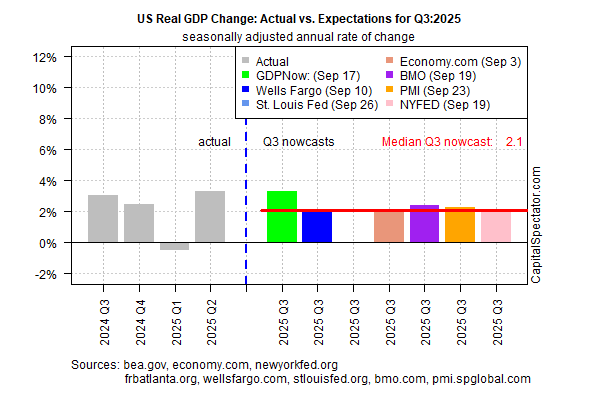
Who Benefits from Strong GDP?
Growth favors:
- Big Companies: More production/sales.
- Investors/Asset Owners: Rising markets (stocks +85% last 5 years vs. inflation 25%).
- Government: Higher tax revenues (+ revenues from activity).
Workers/consumers benefit later (jobs/wages)—lagging in 2025 (wages up 23% last 5 years vs. 25% inflation). Transcript stresses: Own assets to capture gains; system rewards investors amid money creation/stimulus.
Advice for Investors and Consumers
Investors:
- Stay invested: Growth supports businesses.
- Diversify: Not all sectors benefit equally.
- Focus quality: Profitable firms with strong balance sheets.
- Avoid hype: Rewards patience/discipline, not emotion.
Transcript promotes free January 13, 2026 workshop on 2026 shifts (link/register).
Consumers: Focus "four walls" (income, expenses, debt, emergency fund)—build stability amid uncertainty. GDP ≠ personal relief.
The Big Shift: Growth Without Broad Comfort
Economy expands without easing costs—disconnect from headlines. Strong GDP signals momentum, but jobs/inflation/Fed actions show caution. Question: Does it feel "strong" or "expensive"? Focus personal finances over macro noise.
Transcript plugs book "Manage Your Way to Millions" for building wealth sustainably.
(Approximate reading time: 10 minutes)
Is a House the Best Investment? Separating Asset from Mortgage Debt (2025 Perspective)
In a discussion on housing as an investment, hosts debate whether buying a home—especially with a large mortgage—delivers strong returns or primarily serves lifestyle/security. Key takeaway: A paid-off home can be a solid asset and hedge against expenses, but over-leveraging creates stress and limits options. Appreciation often matches inflation long-term; recent gains (post-2008) may not repeat. Focus on reasonable mortgages (paid quickly) and cash for investment properties.
House as Asset vs. Mortgage Liability
Separate the home (potential appreciating asset) from debt (liability).
- Paid-Off Home: Excellent—covers largest expense (housing ~30-40% budget), frees cash flow for investing/lifestyle. Provides stability, peace.
- Large Mortgage: Stressful; ties energy/money to payments. "Extra debt steals from other life areas." Advice: Buy modest home, reasonable 15-year mortgage, pay off fast (Ramsay-style). Then home becomes "beautiful asset."
Historical Appreciation: Not Always Stellar
Post-2008 boom (prices doubled+ in many areas) skewed perceptions—exceptional, not norm. Long-term (100+ years, inflation-adjusted): Many homes ~match inflation (3-4%/year average). Gains concentrated in major metros/hot areas. Recent 14-20 years outlier (low rates, stimulus, supply constraints). Future: Possible slower (5% vs. 20-30%); stocks historically ~10-12% nominal. Reality: Buying locks in cost-of-living hedge, not guaranteed wealth-builder.
Investment Property: Cash Only Recommended
Avoid debt for rentals—risky, not passive.
- Landlording: Work-intensive (tenants, maintenance, evictions).
- Condos/Townhomes: Often poor ROI (HOAs, limited upgrades, insurance risks). Strategy: Pay off primary first → save cash for modest rental (e.g., duplex live-in one side, or single-family/multi-family). First property hardest/cheapest ($59K example in 2011 foreclosure—now ~$380K). Avoid overpriced areas.
Alternatives and Mindset
- Rent Longer?: Valid if investing difference aggressively—builds flexibility.
- Primary Goal: Roof over head + financial peace > speculation. Controversial: Home not "best investment" universally—lifestyle choice with benefits (stability) but opportunity costs (tied capital).
Own assets to capture growth; paid home maximizes options/freedom.
(Approximate reading time: 10 minutes)
15 Sneaky Money Leaks That Drain Your Wealth — And How to Plug Them
Many people earn decent money but feel broke due to subtle, "normal" spending habits that quietly erode wealth. These 15 traps—often justified as "deserved" or "necessary"—create financial leaks, limiting freedom and future options. Host Mel Abraham (author of Building Your Money Machine) shares practical fixes from experience, emphasizing intentionality over deprivation. Plugging leaks accelerates financial independence by redirecting dollars to build lasting security.
Trap #1: New Cars with Long-Term Payments
Car dealers sell monthly payments, not vehicles—extending loans (7+ years) to fit budgets, leaving buyers underwater (negative equity) immediately due to depreciation. Fix: Buy reliable used cars (with warranty); pay cash or short loans (3-3.5 years max). Avoid rolling negative equity. Key: Financing ≠ affording; focus on total cost/ownership.
Trap #2: Impulse Amazon Purchases
Amazon's ease (saved cards, Prime deals) turns browsing into dopamine-driven buys—forgotten items pile up. Fix: Remove saved cards (add friction); use 72-hour wait rule (cart, delay purchase). Key: Convenience fuels overspending; intentional delays save hundreds monthly.
Trap #3: Unused Subscriptions
Stacked services (streaming, apps, gyms) cost $1,500-2,000/year unnoticed ($10-20/month each). Fix: Audit/cancel ruthlessly (resubscribe if needed); reallocate savings to goals. Key: Small fees compound; guilt-free cuts free cash for wealth-building.
Trap #4: Underused Fitness Equipment
Expensive gear (Peloton, treadmills) bought for intent becomes "laundry racks." Fix: Build habits first (walking, bodyweight); prove consistency before buying. Key: Buy fitness through action, not equipment—tools don't create results.
Trap #5: "On Sale" Justifications
Sales trick into buying unneeded items ("saved" money still spent). Fix: Ask: Would I buy at full price? Only purchase planned/needed items. Key: Best deal = not buying; sales drive impulse, not savings.
Trap #6: Rebranding Splurges as "Investments"
Labeling luxuries (fancy blender, mattress) as "investments" in health/future. Fix: Call them what they are (enjoyment/tools); budget guilt-free without false justification. Key: True investments generate returns; luxuries enhance life—own the choice.
Trap #7: Unused Courses/Conferences
Expensive education bought for "future self" sits unused. Fix: Define outcomes pre-purchase; commit to implementation. Key: Information ≠ results; action creates value.
Trap #8: DIY Disasters
YouTube "fixes" waste time/money vs. hiring pros. Fix: Know limits; outsource complex tasks (e.g., plumbing). Key: Time has value; false savings often cost more.
Trap #9: Credit Card Points Game (While Carrying Balances)
Chasing rewards justifies debt/interest (29%+ rates). Fix: Pay balances full (points as byproduct); avoid if can't. Key: Points subsidized by interest-payers—no free lunch.
Trap #10: "Self-Care" as Stress Spending
Emotional buys (massages, brunches, shopping) for relief. Fix: Journal emotions/triggers; plan luxuries intentionally (budgeted, guilt-free). Key: True self-care planned/fulfilling; stress spending temporary.
Trap #11: Status Cards Without Maximizing Perks
High-fee cards ($500-700) for ego, unused benefits (lounges, credits). Fix: Audit usage; downgrade if perks unused. Key: Pay for value received, not status.
Trap #12: Overpriced Skincare/Beauty Routines
Subscriptions/products promising "magic" stack up unused. Fix: Test effectiveness; cancel non-essentials. Key: Results matter, not hype—simplify.
Trap #13: Remodels Expecting High ROI
Improvements justified by "added value" rarely recoup costs. Fix: Lifestyle upgrades only (no debt); know high-ROI renos (kitchens/baths). Key: Most don't pay off—enjoy without resale illusions.
Trap #14: Overpaying for Unused Advice
High-fee advisors without value. Fix: Flat-fee for specific needs; ensure productivity. Key: Pay for results, not convenience.
Trap #15: Buying for Fantasy Self
Gear/tools for "future you" (desk for productivity) unused. Fix: Act first (habits); earn upgrades through consistency. Key: Become through action, not purchases.
Bonus: Avoid Emotional Spending, Complexity, Adrenaline
Emotional triggers, complicated investments, thrill-seeking buys leak money. Fix: Journal emotions; simplify; seek peace over rush.
These leaks feel normal but compound—plug by intentionality (budget, delay, audit). Redirect to "money machine" (wealth-building). Host promotes book/podcast for frameworks.
(Approximate reading time: 10 minutes)
NAR Home Buyer/Seller Profile: Key Trends and Challenges (July 2024-June 2025)
The National Association of Realtors (NAR) annual report (released late 2025) reveals shifting U.S. housing dynamics: Older first-time buyers, record all-cash sales, low down payments for financed purchases, and dominance of agents. Host Todd Sachs highlights barriers for young buyers amid high prices/rates—contrasting 1980s (late-20s first-timers) with today's realities.
Median Ages: Delaying Homeownership
- First-Time Buyers: 40 years old (historic high; up from late-20s in 1980s).
- Repeat Buyers: 59 years old (30-year mortgage → payoff in late-80s).
Reflects affordability crunch: High prices, rates (~6-7%), student debt, delayed milestones.
Share of First-Time Buyers
- 21% of all sales (historic low)—down significantly; repeat/investors dominate.
All-Cash Purchases
- 26% of sales (one in four)—likely wealthy buyers avoiding high rates.
Down Payments (Financed Buyers)
- Repeat: Median 23%.
- First-Time: Median 10%.
Indicates cash-rich repeats vs. stretched first-timers.
Buyer Household Composition
- Married Couples: 61%.
- Single Females: 21%.
- Single Males: 9%.
- Unmarried Couples: 6%.
Purchase Methods
- Agent/Broker: 88%.
- Direct from Owner (FSBO): 7%.
- Builder/Agent: 4%.
Sellers: 91% used agents (5% FSBO).
Search Duration
- Median: 10 weeks.
Broader Implications and Q&A Insights
Report signals "unhealthy" market for young/entry-level buyers—American Dream delayed. Sachs stresses education/financial literacy; criticizes wasteful spending (subscriptions, parties, delivery) hindering saving.
Q&A Highlights:
- Trades (plumbing/HVAC) lucrative (~$60K-$100K+); AI disruption urges adaptation.
- Radon awareness (test/mitigate).
- Peak buying risks (e.g., 2006 buyers underwater 14+ years).
Advice: Avoid over-leverage; prioritize stability. Channel promotes education (saxre.education).
(Approximate reading time: 10 minutes)
The $500,000 Home Dilemma: Who Can Actually Afford It in 2025?
In 2025, $500,000 homes—once considered luxury—have become the median price in many desirable U.S. markets, yet feel unattainable for most. The video breaks down the math: High down payments, mortgage rates (~6.2-6.7%), and total costs (~$4,300+/month) require household incomes of $150,000-$210,000+ for comfort—top 10-20% earners. For the majority (~80%), it's a stretch risking stress/disaster. This disconnect explains delayed buying, renting longer, or relocating.
The Brutal Affordability Math
Down Payment:
- Ideal 20%: $100,000 (avoids PMI, better rates).
- Minimum (3-3.5%): Still $15,000-$17,500, but adds PMI ($200-400/month).
Example: 10% down ($50,000) → Finance $450,000.
Mortgage Payment (30-year fixed @6.5%): ~$2,844 principal/interest.
True Monthly Costs (Beyond Mortgage):
- Property taxes: ~$500 (median ~$6,000/year on $500K home).
- Homeowners insurance: ~$250-350.
- PMI (if <20% down): ~$200-400.
- Maintenance (1% rule): ~$417 ($5,000/year).
Total: ~$4,300-4,400/month (conservative; excludes HOA/utilities).
Required Income
- 28% Rule (housing ≤28% gross income): ~$185,000/year.
- 43% DTI (total debt ≤43%, incl. other loans): ~$148,000+ (with modest debt).
Comfortable (low stress): $200,000+ (top ~10% households).
Median U.S. household: ~$83,000—far short.
Real-World Example: Sarah & Mike ($160K Combined)
- 10% down on $500K.
- Total housing: ~$4,361/month.
- Gross monthly: $13,333 → 32.7% (over 28%).
- Take-home ~$9,500 → 45.9% (tight; little room for life/emergencies).
Doable but stressful—no buffer for job loss, repairs, or fun.
Why $500K Feels "Normal" Yet Unreachable
- Median prices hit ~$400K-500K+ in many areas (supply low, demand/investors high).
- Benefits top earners/asset owners first (equity gains, tax perks).
- Majority: Rent longer, multi-generational living, or move to cheaper areas.
Not personal failure—systemic: Prices outpace wages; stimulus/low rates fueled boom.
Final Advice: Rethink the "Dream"
- Question stretching for ownership—peace > status.
- Rent/invest difference if cheaper.
- Focus financial basics (no debt, emergency fund) over forcing buy.
$500K homes priced for elite; most better building wealth elsewhere.
(Approximate reading time: 10 minutes)
The Most Effective Path to $1 Million: Consistent Investing, Skill-Building, and Mindset
In a candid discussion, hosts (including Dave Ramsey-inspired advice) explore realistic ways to reach $1 million net worth. No "get-rich-quick"—focus on proven, sustainable strategies tailored to timeline/skillset. Key: Separate motive (fear vs. freedom), prioritize consistent actions over hype. Effective paths blend income growth, disciplined saving/investing, and intentional living.
Timeline Matters: Slow & Steady vs. Accelerated
- Long-Term (20-30 Years): Easiest—invest 15% income (e.g., 401(k)/index funds), buy modest home/pay off fast. Compounding + appreciation builds wealth gradually.
- Shorter (5-10 Years): Harder—requires high savings rate (live frugally, maximize income) + strong returns. Example: Save/invest $100K/year → $1M (even no growth); realistic with growth.
Hosts' experiences: One took 9 years (15% investing + paid-off homes appreciating). Avoid urgency from fear—clarify "and then what?" (million for what purpose?).
Core Strategies
- Invest Consistently in Broad Markets
- 15% income into mutual/index funds (e.g., S&P 500). Historical ~10-12% average beats most alternatives long-term.
- Paid-off home as asset (covers housing, appreciates).
- Why Effective: Proven for "everyman"—no special skills; compounding wins.
- Build Skills & Increase Income
- Focus career growth/high-paying fields (tech, sales, trades).
- Sales/marketing (scalable online, e.g., Shopify/digital products).
- Trades (plumbing/HVAC—$60K-100K+, recession-resistant).
- Cash for Investment Properties (If Interested)
- Avoid debt—save/pay cash (modest duplex/multi-family). Live in one unit initially.
- Controversial: Rentals not passive; screen tenants well. Skip condos (HOAs, risks).
Mindset Shifts: Avoid Pitfalls
- Question Motive: Million for status/fear? Or freedom/meaning? "And then what?" reveals true goals.
- Enjoy Process: Productivity addiction common—learn presence (e.g., The Power of Now). Rest without guilt.
- No Hype: Avoid "30 houses by 35" pressure; focus sustainable joy.
Realistic Outlook
$1M achievable via discipline (save/invest aggressively, grow income). No guarantees—markets fluctuate. Prioritize peace over rush; wealth without meaning feels empty.
Hosts emphasize: Own assets, live intentionally—million possible without sacrificing life.
(Approximate reading time: 10 minutes)
The Hidden Dangers of Living on Credit: Debt Settlement, Bankruptcy, and the "Disney Debt Trap" (2025)
In late 2025, U.S. credit card debt hit a record $1.23 trillion (Fed data), with delinquencies rising and average rates ~24-28%. The video warns that overspending—especially "Disney-fueled" lifestyles on credit—leads many to debt settlement (paying fraction of balance) or bankruptcy. While options exist for severe distress, they carry long-term consequences. Host stresses prevention via "common sense" budgeting over living beyond means.
Record Debt Levels and Rising Distress
- Total Revolving Credit: $1.23T+ (new highs expected 2026).
- Delinquencies: 90+ days past due climbing (especially younger/lower-income).
- Rates: Average ~25%+; balances grow faster than payments for many.
Triggers: High living costs, stagnant real wages, easy credit, social pressure (e.g., lavish vacations financed).
Debt Settlement: How It Works (and When It Might Apply)
Creditors sometimes settle for 20-70% of balance (average 50%) to recover something vs. total loss.
Qualifying Factors:
- Delinquency: Best after 180+ days past due (pre-charge-off).
- Hardship: Documented (job loss, medical, income drop)—proves inability to pay full.
- Creditor Type: Original issuers more flexible than collectors (who buy debt cheap).
Process:
- Negotiate lump-sum (preferred) or extended plan (higher %).
- Stop payments to show hardship (risky—hurts credit further).
Downsides:
- Credit damage (7 years on report).
- Taxable forgiven amount (e.g., $10K forgiven = $10K income).
- Fees (settlement companies ~15-25%).
- No guarantee—many rejected if recent delinquency.
Only for severe cases (90+ days behind, balance snowballing).
Bankruptcy: Last Resort with Lasting Scars
- Chapter 7: Wipes most unsecured debt (credit cards); assets may liquidate.
- Chapter 13: Repayment plan (keeps assets).
Impacts:
- Credit ruin 7-10 years.
- Harder loans/jobs/housing.
- Public record; emotional toll.
Video: Better than endless debt cycle, but destroys "financial future."
The "Disney Debt Trap" and Lifestyle Inflation
Critiques financing luxuries (Disney trips, upgrades) on credit—feels "deserved" but leads to regret/collections. Example: Charge vacations/experiences → high-interest debt → settlement/bankruptcy in 20-30 years. Mindset: "I deserve this" masks avoidance of discipline.
Prevention: "Common Sense" Over Credit
- Live below means—budget ruthlessly.
- Avoid "buy now, pay later" traps.
- Build emergency fund; pay cash for wants.
- Question motives—short-term highs vs. long-term freedom.
Host: Not perfect, but common sense (delayed gratification, accountability) prevents crises. Overspending now steals future options.
(Approximate reading time: 10 minutes)
2025's Best Guest Wisdom: Sacrifice, Purpose, Taxes, Minimalism, and More
In a year-end recap, host George Kamel revisits standout advice from 2025 guests—Sahil Bloom, Cody Sanchez, Jasmine DiLucci, Joshua Fields Millburn, Dr. John Delony, Graham Stephan/Jack Selby, and Lewis Howes. Themes: Delayed gratification over instant rewards, purpose beyond profit, smart financial moves (e.g., taxes, minimalism), and building peace/meaning. Clips emphasize practical, mindset-shifting insights for wealth and life.
Sahil Bloom: Sacrifice for Long-Term Freedom
- Core Idea: "Sacrifice short-term freedom for long-term freedom"—instant gratification kills dreams.
- No shortcuts/hacks; pay the price (discipline) knowingly.
- Key: Delayed gratification unlocks desired life—eyes open to costs.
Cody Sanchez: Purpose Over Pure Profit
- Money ≠ goal; enables freedom → impact → fulfillment.
- Serve people well → revenue follows (byproduct of value).
- Self-only focus leads to misery; persistence + growth = success.
- Key: Profit from purpose—help others, money comes.
Jasmine DiLucci: Section 179 Vehicle Deductions Reality Check
- Myth: Buy luxury SUV (>6,000 lbs) → deduct 100% Year 1.
- Truth: Limits (~$30K SUV cap), loaded/unloaded weight rules, double-tax risks (S-corp debt).
- Not dollar-for-dollar savings; often poor math with loans/interest.
- Key: Research details—hype overlooks complexities/taxes.
Joshua Fields Millburn: 90/90 Rule for Decluttering
- Minimalists' boundary: For items, ask: Worn/used last 90 days? Will use next 90?
- If no to both → let go.
- Host applies: Ditches old shirt (worn once, dusty).
- Key: Clear clutter for focus—possessions often "incomplete" us.
Dr. John Delony: Solve for Home "Feel," Not Flash
- Wife's question: "How do you want this house to feel when you come home?"
- Shift: Peace over wealth/net worth—drive Corollas/Camrys for laughter/joy/trips.
- Nicer stuff "has" you; cheaper enables presence.
- Key: Lifestyle design—feel (joy, calm) > status items.
Graham Stephan & Jack Selby: Hypotheticals and Band Dreams
- Prefer perfect stock timing over real estate (easier, less hassle).
- Rock star life tempting (arena-filling); hypothetical band (Chili Peppers vibe—Graham drums/piano, Jack piano/sing).
- Lighthearted: Fun "what ifs"—timing markets unrealistic but simpler than property.
Lewis Howes: Gratitude + Generosity = Abundance
- Gateway to rich life: Gratitude (daily) + generosity (time/attention/connections, not just money).
- Giving creates attraction/trust → opportunities.
- Key: Abundant mindset—serve first; fulfillment follows.
Year-End Reflections
Guests' wisdom: Sacrifice/delay for freedom, purpose-driven profit, informed decisions (taxes/minimalism), peace over stuff. Host thanks viewers; teases 2026 guests.
(Approximate reading time: 10 minutes)
America's Quiet Millionaires: Everyday People Who Built Wealth Through Discipline (2025 Interviews)
In a series of spontaneous street interviews (Nashville, Boston, NYC), host interviews unassuming strangers who reveal themselves as net-worth millionaires. Inspired by The Millionaire Next Door and Baby Steps Millionaires, the conversations show most millionaires live frugally, invest consistently, and prioritize family/peace over flash. No luxury brands, flashy cars, or boasting—quiet confidence and smart habits define them.
Common Traits of Everyday Millionaires
- Frugality & Simplicity: Drive reliable Toyotas/Hondas/Acura (often 2-3 years old); shop Costco; avoid debt.
- Early/Consistent Investing: Max 401(k)s, Roth IRAs, 403(b)s, 457s; 95%+ in diversified index/mutual funds (e.g., Vanguard S&P 500).
- Debt-Free Mindset: Pay off homes/cars aggressively; combine finances early; no loans for kids' college.
- Long-Term Marriage & Family Focus: Many 30-40+ years married; greatest "investment" is family.
- Career Discipline: Teachers, police officers, accountants, engineers, company presidents—high earners not required.
- No Flash: No Gucci; modest homes; "simple pleasures" (meals with friends, travel).
Interview Highlights
- Retired Couple (55): Married 34 years; maxed retirement; paid off house/cars; kids' college debt-free. Drive Toyotas; recent "fun" car (2-year-old Slingshot). Aura of quiet confidence.
- Young Married Couple (30s): Statistician & mechanical engineer; combined finances early; paid off her $10K student loans together. Joint brokerage + Roth/401(k); 95% Vanguard (VTI/VXUS). Rented long, saving for home.
- Retired Couple (Late 50s/Early 60s): Accountant & lawyer; 29 years married; Dave Ramsey fans; debt-free early. Aggressive S&P 500 investing; pensions + savings. Simple life: "Keep it simple."
- Company President (Mid-60s): Married 40 years; started as junior accountant ($12K/year); 401(k)/IRA focus. Greatest wealth: Marriage/kids. Drives Acura MDX.
Key Lessons from the Millionaires
- Behavior > Income: Discipline (budgeting, maxing accounts, avoiding debt) beats high salary.
- Compound Power: Consistent investing + paid-off home = wealth over decades.
- Quiet Confidence: Millionaires don't flaunt; focus on family, peace, and long-term security.
- No Shortcuts: No hype, no get-rich-quick; steady habits win.
These "millionaires next door" prove wealth is built quietly through frugality, investing, and intentional living—not flash or luck.
(Approximate reading time: 10 minutes)
The Yen Carry Trade: Mechanics, BOJ Hike, and Potential Risks (December 2025)
On December 19, 2025, the Bank of Japan (BOJ) raised its policy rate by 25 basis points to 0.75%—the highest in 30 years (since 1995). This ends decades of ultra-low (often negative) rates amid persistent inflation (~2% target met). The video warns this could trigger a yen carry trade unwind, forcing sales of global assets (US stocks, bonds) and crashing markets. While the mechanism is valid, the "20T bomb" and imminent crash appear exaggerated—no major unwind or crash occurred by late December; markets rose (S&P 500 records).
What Is the Yen Carry Trade?
For ~20 years, Japan's near-zero rates enabled borrowing cheap yen, converting to USD/other currencies, and investing in higher-yield assets (US Treasuries ~4-5%, stocks).
- Profit: Interest differential + yen depreciation.
- Scale: Estimates $500B-$2T+ (not $20-30T verified); significant but not system-dominating.
- Participants: Hedge funds, banks, Japanese investors.
Cycle reinforced: Borrowing weakened yen; investments boosted foreign assets.
The December 19 Hike: Why Now?
Japan faced inflation (wages rising, import costs up)—BOJ normalized policy (ended negative rates 2024, hikes since).
- Rate to 0.75% (still low vs. US ~4%).
- Yen strengthened modestly post-hike (USD/JPY ~155-158 end-December, from ~157 pre).
- Markets dipped briefly but recovered—no "doom loop."
Potential Unwind Risks
Higher rates narrow differential → less attractive borrowing.
- Repayment Pressure: Stronger yen raises cost to buy back/repay.
- Forced Sales: Unwind by selling US assets → downward spiral (selling weakens assets, strengthens yen further).
- Doom Loop: Self-reinforcing; preview in August 2024 (brief volatility post-hike).
- Broader Impact: Liquidity squeeze → higher borrowing costs, slower growth, job risks.
Fed dilemma: Cuts (for US growth) widen unwind risk.
Reality Check: No Crash in Late 2025
- Markets Resilient: S&P 500/Dow hit records December (Santa rally); volatility elevated but contained.
- Yen Movement: Mild strengthening; no rapid surge.
- Scale Overstated: Carry trade influential (~$1-2T estimates); not sole market driver.
- BOJ Cautious: Signaled gradual hikes; accommodative stance.
Analysts note risks (volatility, liquidity) but no systemic crisis—unlike 1998 LTCM or 2008.
Outlook and Preparation
- Monitor USD/JPY: Rapid yen strength signals acceleration.
- Defensive Positioning: Quality assets (low debt), cash for opportunities; avoid over-leverage.
- Long-Term: Normalization healthy; ends "free money" era.
Video's alarm (inevitable crash) speculative—mechanics real, but gradual BOJ approach mitigated immediate explosion. Watch 2026 hikes/inflation.
(Approximate reading time: 10 minutes)
George Kamel & Caleb Hammer: Agree to Disagree on Money Headlines (2025)
In a fun "Agree or Disagree" segment filmed in Caleb Hammer's studio, George Kamel (Ramsey personality) and Caleb Hammer (Financial Audit host) debate money headlines. They align on most (frugality, discipline), but nuance differences (e.g., withdrawal rates, crypto). Lighthearted banter highlights shared views: Debt bad, intentionality key, lifestyle over hype.
Headlines & Debates
- Legalized Sports Betting Wrecking Young Men's Finances Both disagree fully—personal responsibility. Betting addictive for some (young/impressionable), but not industry's fault if consensual. Social normalization/loot boxes concern, but freedom prevails.
- $100K Salary No Longer Middle-Class Lifestyle Both disagree—location-dependent. $100K solid middle-class most places (median household ~$74-83K). Struggles in NYC/SF/LA, but viable elsewhere (no debt helps).
- Retire Comfortably on $100K Nest Egg Both disagree—impossible sustainably. Article's ~$1,300/month (~15% withdrawal) too aggressive; inflation/risks deplete fast. Need millions for comfort.
- "Good Debt" Makes You Rich (e.g., Kiyosaki/McElroy $2B Debt) Both disagree—leverage accelerates but risky/stressful. "Good debt" myth; most better debt-free. Proper use possible, but not wealth guarantee.
- Today's American Dream is Renting, Not Buying Mixed: Caleb agree short-term (rates/prices high, flexibility); George disagree long-term (owning reduces biggest expense). Rent buys patience; owning builds equity/security.
- Inflation Top Financial Problem Both disagree—lifestyle/debt bigger culprits. Inflation ~2-3% (wages up ~3.5%); spending habits (subscriptions, eating out) primary barriers. Poll: Income #1 concern, but behavior fixable.
Bonus/Off-Script Insights
- 7% Retirement Withdrawal Rate: Caleb pushes (hypothetical safe historically); George cautions (reality: Adjust down years).
- Crypto/Bitcoin Stockpile: Both skeptical—government buying risky/taxpayer burden.
- Personal Notes: Caleb therapy for presence; George family-focused. Both value peace over flash.
Overall Takeaways
- Common Ground: Debt avoidance, budgeting, intentional living, serving others → wealth/fulfillment.
- Nuance: Flexibility (renting short-term) vs. long-term ownership; risk tolerance.
- Fun, relatable—encourages discipline without extremes.
Hosts promote channels; emphasize behavior > income for financial peace.
(Approximate reading time: 10 minutes)
7 Financial Rules That Change Once You Own Assets
Owning assets (real estate, stocks, businesses) fundamentally alters how the financial system treats you—and how you approach money. Before assets, rules favor survival/consumption; after, they support stability/growth. Video contrasts pre- and post-asset realities, showing why wealth compounds differently for owners.
Rule 1: Credit Becomes Structural (Not Personal)
Before Assets: Lenders scrutinize you—job, income, history. High rates, short terms, strict rules; defaults punished fast (no buffer). After Assets: Focus shifts to recoverability—what you own (collateral). Lower rates, longer terms, flexibility (e.g., mortgages cheaper than personal loans; refinancing possible). Key: Asset-backed lending reduces risk—system protects owners.
Rule 2: Income Decouples from Time
Before: Money tied to presence (hours worked = pay); ceiling on earnings; interruptions (illness/layoffs) halt income. After: Passive cash flow (rent, dividends, business profits)—income continues without daily effort. Key: Ownership > effort; time no longer direct bottleneck.
Rule 3: Failure Becomes Survivable (Partial, Not Total)
Before: One mistake erases progress—fragile stability. After: Losses absorbed (cash flow persists; assets recover value). Mistakes become data, not resets. Key: Buffers allow experimentation/learning—compounds experience.
Rule 4: Inflation Works in Your Favor
Before: Pure tax—prices rise first; wages lag; purchasing power drops. After: Assets appreciate (property/rents/stocks rise); fixed debt shrinks in real terms. Key: Owners on "adjusting" side—inflation widens gaps (non-owners hit hardest).
Rule 5: Risk Becomes Optional
Before: Mandatory exposure (single job/skill); no buffer—must act to maintain. After: Baseline stability—choose risks; pass bad odds. Key: Optionality—owners wait for better opportunities.
Rule 6: The System Works With You
Before: End-user—extracted via fees/interest; cycle through products. After: Permanent player—institutions incentivize retention (flexibility, restructuring). Key: Stability > turnover; owners get "soft landings."
Rule 7: Money Stops Being the Point
Before: Objective—hoard/protect cash (safety). After: Tool—reallocate (maintenance, positioning); cash temporary. Key: Optimize assets, not cash pile—"cash poor, asset rich" mindset.
Overall Insight
Assets flip rules from fragile/consumption-focused to resilient/growth-oriented. Wealth isn't just more money—it's different treatment enabling compounding (recovery, optionality, buffers). Start small (consistent investing, modest home); system rewards ownership over time.
Video promotes Alux app (lifetime access offer ends Jan 7, 2026).
(Approximate reading time: 10 minutes)
U.S. Housing Market Slowdown Deepens in Late 2025: Pending Sales Plunge, Builders Slash Prices
Late 2025 data signals weakening homebuyer demand amid high costs and rates—despite Fed cuts. Redfin reports pending sales down 5.8% y/y (four weeks ending Dec 14; biggest decline since early 2025). Overall, pending sales ~27% below pre-pandemic norms—lowest on record, worse than 2008-2009 crash. Video argues rate cuts failed to revive buyers; prices must fall to stimulate demand. Builders (e.g., Lennar) cut aggressively; some resale losses mount.
Key Demand Indicators
- Pending Sales: -5.8% y/y; seasonal + economic slowdown.
- Buyer Retreat: High prices/rates (~6-7%); demand at record lows.
- Inventory/Metrics: Rising listings; days on market up (~64 days nationally).
Builder Price Cuts: Lennar Leads
Lennar (2nd-largest U.S. builder, ~80K homes/year):
- Average net selling price: $375K (down 27% from 2022 peak $511K)—lowest in 7 years, below pre-pandemic.
- Stock down 10% (last 5 days), 15% y/y on earnings miss/forecast cut.
- Some homes at/below replacement cost (~$160/sq ft industry avg; examples $158/sq ft Texas suburb).
Orders up 16% y/y—proof: Cuts boost sales volume.
Resale Market: Bifurcated, Emerging Losses
- Many sellers overpriced ("disconnected"); moderate national declines (1-5% y/y some states).
- Individual examples: $100K-$160K losses (Tennessee/Nashville condos; -25% peaks).
- Flippers: Gross ROI <25% (lowest since 2008)—signal bubble peak/downturn.
Forecasts for 2026
- Zillow: +1.2% national (modest growth; fewer declining markets).
- Redfin: +1% (high rates/economy curb demand).
- Reventure App: Flat nationally (~$359K median); some metros -7-9%.
No national "crash" expected (inventory ~1.07M—needs 1.2-1.3M for sharp drops).
Trump on Housing (Dec 2025)
Considering national emergency; conflicted:
- Protect existing owners' equity/values.
- Enable young buyers (implies some price relief needed).
Acknowledges trade-off—more supply/affordability risks lowering values.
Video's Take: Prices Must Fall to Revive Demand
- Rate cuts (7 in 2025) insufficient—demand still collapsing.
- Builder/resale cuts prove: Lower prices → higher orders/sales.
- Equity buffer (~$36T national; 3x pre-2008 peak) allows 15-20% drop without mass negatives.
- Advice: Use data (forecasts, over/undervaluation) for offers (e.g., 7-9% below ask in declining areas).
Promotes Reventure App (forecasts, Black Friday discount).
Market bifurcated—pockets crashing, others stubborn. 2026: Modest/flat prices likely; watch inventory/demand.
(Approximate reading time: 10 minutes)
Comments
Post a Comment